

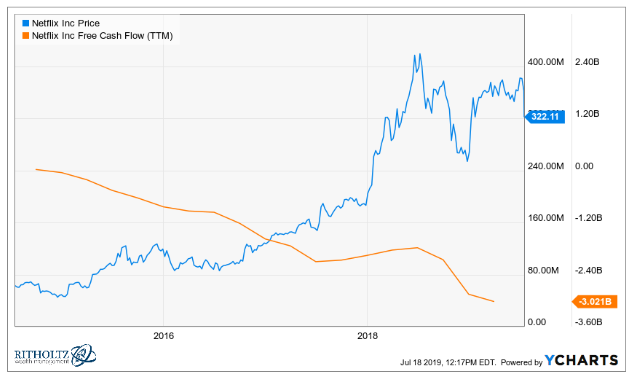
“Broke and overweight” is the kind of phrase that enters a room wearing muddy boots. It is blunt, uncomforth anyone’s feelings. That was part of its appeal when the Animal Spirits podcast used it as an episode title: the phrase captured a familiar American contradiction. We can order dinner in seconds, finance purchases in four clicks, and stream unlimited advice about money and healthyet many households remain financially fragile while millions of adults face weight-related health risks.
The lazy explanation is that people lack discipline. The more accurate explanation is messier. Human beings are not spreadsheets wearing sneakers. We are tired, social, stressed, heavily marketed to, and remarkably talented at choosing what feels good now over what may help later. The same animal spirits that encourage impulsive spending can also steer us toward convenience food, oversized portions, and sedentary evenings.
What “Animal Spirits: Broke & Overweight” Really Means
A provocative podcast title with a behavioral lesson
The original Animal Spirits episode, published in July 2019 by Ben Carlson and featuring Michael Batnick, covered markets, housing, streaming media, investing behavior, and a story about why Americans were “broke and overweight.” At its core was a serious question: Why do intelligent people repeatedly make choices that conflict with their long-term goals?
Money management and weight management share an awkward structure. Their costs are delayed, while their rewards are immediate. A restaurant meal tastes good tonight; the credit-card balance becomes irritating later. Skipping a walk feels relaxing now; reduced fitness arrives quietly over time. Buying something on sale produces a small burst of victory, even when the purchase was unnecessary. Our brains love the opening scene and routinely forget to read the final chapter.
Still, these words should describe circumstances, not identities. Financial hardship may result from housing costs, medical bills, low wages, caregiving, layoffs, disability, or plain bad luck. Body weight is influenced by genetics, medications, sleep, stress, health conditions, food access, work schedules, and neighborhood design. Anyone offering a one-variable explanation is probably selling either a miracle diet or a course with twelve modules and suspiciously enthusiastic testimonials.
The Numbers Behind the Uncomfortable Joke
Financial vulnerability remains common. In the Federal Reserve’s 2025 household survey, 63% of adults said they could cover a hypothetical $400 emergency using cash, savings, or a credit card paid off at the next statement. A substantial minority would therefore need another method or could not cover the expense fully. Federal health data, meanwhile, estimated that 40.3% of U.S. adults had obesity during August 2021 through August 2023. These statistics measure different problems, but together they explain why the title lands with a thud rather than a giggle. ood spending is one piece of the picture. Bureau of Labor Statistics data show that the average U.S. consumer unit spent $3,945 on food away from home in 2024, including restaurant meals, delivery, and takeout. USDA figures also show that food-away-from-home spending has grown faster over the long run than food-at-home spending. Convenience has become a major consumer category with its own apps, loyalty programs, push notifications, and tiny delivery fees that travel in packs. Why the Same Habits Can Hurt a Wallet and a Waistline
Present bias makes “later” somebody else’s problem
Behavioral economists use terms such as present bias to describe our tendency to overvalue immediate rewards and undervalue future consequences. The future self is expected to save more, cook regularly, exercise enthusiastically, and somehow enjoy celery like a golden retriever seeing its owner. The present self has had a long day and knows a place that delivers loaded fries.
This is why information alone often fails. Most adults already know that expensive debt is undesirable and that vegetables are generally more nutritious than frosted pastries. The missing ingredient is usually not knowledge. It is a system that makes the better action easier at the exact moment the decision is made.
Convenience carries two price tags
Convenience purchases charge once in money and sometimes again in calories. Restaurant meals can fit perfectly well into a healthy lifestyle, but frequent unplanned ordering reduces control over portions, ingredients, and cost. Someone may intend to buy a $12 entrée, then add a drink, appetizer, delivery charge, service fee, tip, and dessert because the app displayed it with emotional lighting.
Consider an illustrative weekday lunch. Replacing three $18 purchased lunches per week with three $5 packed lunches creates a weekly difference of $39. Across 50 working weeks, that becomes $1,950. Nobody must carry lentils in a glass container forever. The point is that repeated choices usually create a larger impact than dramatic one-time sacrifices.
Scarcity consumes mental bandwidth
Financial stress does not sit politely in one corner of the brain. Research on scarcity suggests that money worries can absorb attention and reduce the mental bandwidth available for planning and self-control. When rent is due, a child is sick, and the car is making a noise best described as “expensive,” carefully comparing grocery prices and preparing three balanced dinners may feel less urgent than surviving Tuesday. his can form a feedback loop. Stress encourages short-term choices. Short-term choices may increase expenses or reduce well-being. Those consequences create more stress. Then someone on social media announces that the solution is waking at 4:30 a.m. to journal beside a bowl of chia seeds. Very helpful.
Ultra-processed food makes effortless eating easy
A tightly controlled National Institutes of Health study found that participants eating an ultra-processed diet consumed roughly 500 additional calories per day and gained about two pounds over two weeks. The same participants lost a similar amount during the unprocessed-food phase. The meals were designed to be comparable in presented calories and major nutrients, suggesting that texture, food structure, eating speed, and other characteristics can affect intake beyond simple willpower. ltra-processed foods are not morally corrupt. They are convenient, shelf-stable, and often useful for people with limited time, money, or cooking facilities. The practical lesson is not to ban every package. It is to notice when packaged snacks, sugary drinks, and ready-to-eat meals have quietly become the default rather than the backup plan.
Poor sleep weakens both financial and food decisions
Insufficient sleep is associated with greater hunger, higher calorie intake, and a stronger pull toward less nutritious foods. It also makes self-regulation harder. A sleep-deprived person may seek quick energy, pay for convenience, abandon a shopping list, skip movement, and buy a lamp online at 12:47 a.m. because its description called it “life-changing.” NIDDK guidance emphasizes that weight is shaped by sleep, environment, medications, genetics, and health conditionsnot merely personal resolve. Dining Out Is Not the VillainAutopilot Is
Restaurants are not lurking outside the house with nets. Dining out can provide pleasure, culture, convenience, and time with people we love. The trouble starts when an occasional choice becomes an invisible default. A planned Saturday dinner is different from ordering food four nights because there is nothing ready at home and everyone is too hungry to negotiate with a raw chicken breast.
The same distinction applies to spending. A deliberate purchase funded from a recreation category is not the same as an impulsive purchase that creates anxiety when the statement arrives. Effective health and financial plans include pleasure on purpose. A program that bans every restaurant, dessert, vacation, and spontaneous treat is not a plan. It is a hostage situation with a spreadsheet.
A Practical System That Improves Money and Health Together
Track the overlap
For two weeks, record only purchases and behaviors that affect both goals: restaurant meals, takeout, alcohol, convenience-store snacks, delivery fees, unused groceries, sleep, and movement. A simple phone note is enough. Look for patterns such as “I order dinner after late meetings” or “I buy lunch whenever I skip breakfast.” Patterns are actionable. Shame is merely noisy.
Create default meals for chaotic days
Choose two breakfasts, two lunches, and three dinners that are affordable, filling, and almost embarrassingly easy. Possibilities include oatmeal with fruit, eggs with whole-grain toast, bean-and-rice bowls, rotisserie chicken with frozen vegetables, lentil soup, or yogurt with nuts.
The American Heart Association recommends planning menus, shopping with lists, preparing food ahead, and using affordable staples such as beans and frozen produce. Healthy eating does not require a private chef named Sebastian. Automate the financial benefit
Estimate the weekly amount saved by reducing one convenience habit, then schedule an automatic transfer for part of that amount on payday. Even $10 or $20 creates visible evidence that the new behavior has a reward. The Consumer Financial Protection Bureau recommends establishing emergency savings and notes that automatic transfers can support consistent saving. Do not rely on remembering to be virtuous after the money has already wandered away. Use minimum viable movement
The CDC recommends at least 150 minutes of moderate-intensity activity each week, plus muscle-strengthening activity on two days. It also emphasizes that some activity is better than none. Begin with a ten-minute walk after lunch or dinner rather than an imaginary future in which two-hour boot camps suddenly seem delightful. Walking is free, requires no cancellation policy, and pairs nicely with podcasts about why humans make strange decisions. Add friction to expensive defaults
Remove saved cards from delivery apps. Disable promotional notifications. Keep one freezer meal available. Put nutritious snacks where they are visible and less useful snacks where they require a small expedition. Use a 24-hour pause for nonessential purchases above a chosen amount. A little inconvenience can protect long-term goals from short-term enthusiasm.
Experiences From a 30-Day Money-and-Energy Reset
The following is an illustrative composite based on common experiences, not a testimonial from one specific individual.
Week 1: The audit is annoyingand revealing
The first surprise is rarely one outrageous expense. It is the swarm: a delivery fee here, a coffee and pastry there, groceries purchased with noble intentions and discarded with less ceremony than a campaign promise. The composite household does not discover that avocado toast destroyed retirement. Instead, the audit reveals a danger zone between 5:30 and 7:00 p.m., when hunger, fatigue, and an empty refrigerator hold a committee meeting.
No food is banned during the first week. Nothing must be “earned” through exercise. The only task is observation. By Friday, the household sees that two takeout dinners were ordered because work ran late, one because groceries had not been planned, and one because everyone genuinely wanted restaurant food. The wanted meal stays. The preventable meals become the target. That distinction makes the reset feel less like punishment.
Week 2: Defaults beat motivation
On Sunday, the household prepares rice, roasted vegetables, hard-boiled eggs, and a pot of chili. It also buys two frozen entrées for emergency evenings. This is not a glamorous refrigerator. No lifestyle influencer would open it while whispering, “I’m obsessed.” Yet Tuesday’s late meeting ends without a delivery order because dinner can be assembled in six minutes.
The household also transfers $25 automatically into savings. The amount is modest, but its psychological effect is larger than expected. The savings account becomes a scoreboard. Skipping one unnecessary order no longer feels like deprivation; it feels like purchasing a small piece of breathing room.
Week 3: Energy improves before appearances change
The participant starts taking a 12-minute walk after lunch and another short walk after dinner when possible. Some walks are brisk. Others are barely faster than browsing a hardware store. Still, the routine creates a transition between work and evening. Sleep begins a little earlier because the phone now charges outside the bedroom.
The scale may change, or it may not. More noticeable improvements arrive first: fewer frantic food decisions, less post-takeout sluggishness, a calmer checking-account balance, and fewer vegetables becoming science experiments in the refrigerator. The experience becomes less about “losing weight” and more about recovering energy and control.
Week 4: Real life attacks the plan
A stressful day produces an unplanned restaurant meal. A birthday weekend includes dessert, drinks, and spending that was definitely not optimized. Previously, this might have triggered the classic “I ruined everything” response. This time, the household returns to its routine at the next meal and the next purchase. No detox. No financial monastery. No dramatic speech.
At the end of 30 days, nobody has become rich, shredded, or qualified to sell a masterclass. The household has, however, reduced several automatic expenses, created a small emergency buffer, cooked more frequently, walked consistently, and identified the situations that cause trouble.
The most valuable lesson is that health and wealth improve through similar mechanics: visible cues, better defaults, automation, realistic pleasure, and rapid recovery after mistakes. The experience also reveals a deeper truth. Personal responsibility matters, but responsibility operates inside circumstances. Someone with two jobs, chronic pain, unpredictable shifts, limited grocery access, or no safe walking route faces constraints that motivational slogans cannot erase.
Conclusion: Calm the Animal Spirits
Animal Spirits: Broke & Overweight works as a title because it points to two visible outcomes produced by many of the same invisible forces. Immediate rewards compete with distant goals. Convenience defeats intention. Stress narrows attention. Marketing turns ordinary desires into urgent needs.
The solution is not to become a joyless robot eating steamed broccoli while reviewing expense ratios. The better goal is to design a life in which the sensible choice takes less effort. Keep simple food available. Plan pleasure instead of pretending you no longer want it. Automate savings. Add movement in small pieces. Protect sleep. Measure trends rather than judging isolated days.
Most importantly, replace shame with curiosity. Shame says, “I am the problem.” Curiosity asks, “What happened, and how can I make the next decision easier?” That question is useful in a kitchen, a grocery aisle, a bank account, and almost everywhere else human animal spirits like to cause trouble.
SEO Metadata
Note: This article is intended for general educational purposes. Body weight and financial hardship have complex causes. Readers should seek individualized guidance from qualified health or financial professionals when appropriate.