

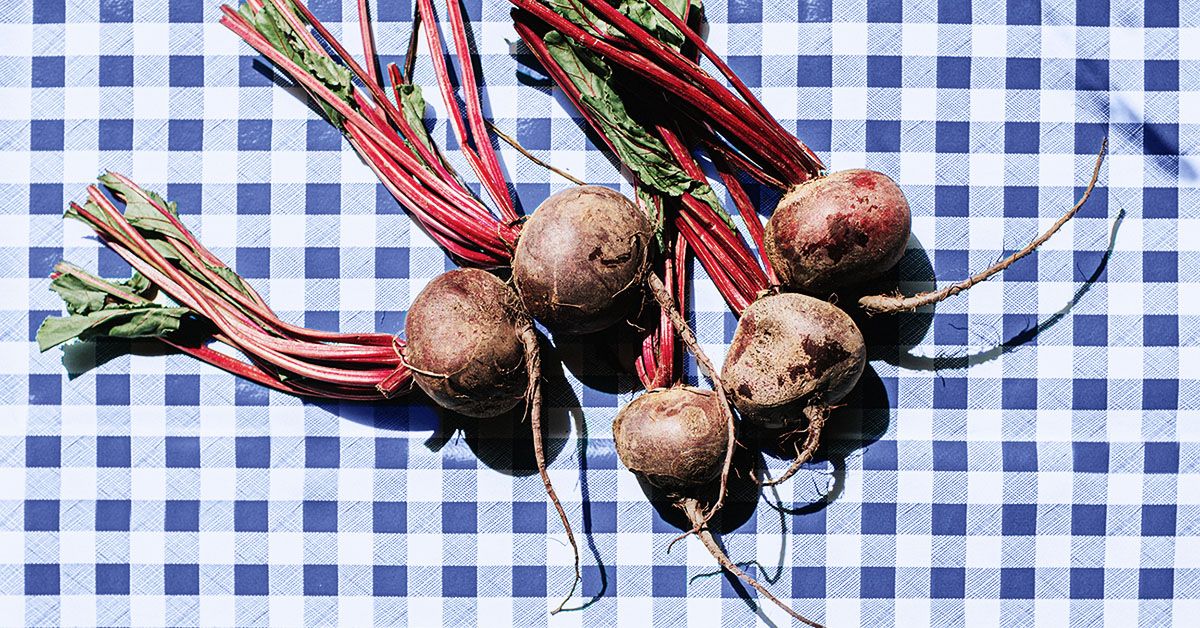
Beets are naturally sweet, vividly colored, and capable of turning a respectable kitchen cutting board into something resembling a crime scene. That sweetness and dramatic red color can make people with diabetes wonder whether beets belong on the menu or on the “approach with caution” list.
Fortunately, whole beets can fit into a balanced diabetes meal plan. They contain carbohydrates, so portions still matter, but they also provide fiber, folate, potassium, antioxidants, and naturally occurring nitrates. The scientific evidence is more complicated than the enthusiastic headlines, however. Some studies suggest beetroot may support post-meal glucose control, circulation, or blood pressure, while other clinical trials have found little or no measurable benefit.
The practical conclusion is refreshingly unexciting: beets are a nutritious vegetable, not a diabetes cure. Here is what current research says, how beets may affect blood sugar, and how to enjoy them without accidentally drinking a salad bowl’s worth of carbohydrates.
Can people with diabetes eat beets?
Yes. Most people with type 1 or type 2 diabetes can eat beets as part of an individualized eating plan. The Centers for Disease Control and Prevention includes beets among non-starchy vegetables, although beets contain somewhat more natural sugar and total carbohydrate than leafy greens, cucumbers, or mushrooms. The CDC’s carbohydrate guide treats one-half cup of cooked non-starchy vegetables as a standard serving, while emphasizing that actual carbohydrate amounts should still be checked.
Carbohydrates affect blood glucose because the body breaks sugars and starches down into glucose. That does not mean every carbohydrate-rich food is nutritionally equal. Whole vegetables usually bring fiber, vitamins, minerals, water, and beneficial plant compounds to the table. The American Diabetes Association recommends focusing on nutrient-dense, complex carbohydrate sources and monitoring total carbohydrate according to personal glucose targets.
In other words, a serving of roasted beets is not metabolically identical to a handful of candy merely because both taste sweet. Context matters. Portion size, the rest of the meal, medication, physical activity, cooking method, and individual glucose response all influence the final blood sugar result.
Beet nutrition facts
A one-half-cup serving of plain cooked beets generally provides approximately:
- 35 to 40 calories
- 8 to 9 grams of total carbohydrate
- 1.5 to 2 grams of dietary fiber
- 6 to 7 grams of naturally occurring sugar
- About 1 gram of protein
- Useful amounts of folate, potassium and manganese
Exact values vary with the variety, serving weight and cooking method. USDA food-composition data place cooked beets at roughly 10 grams of carbohydrate and 2 grams of fiber per 100 grams, while raw beets contain slightly more fiber by weight.
Fiber
Fiber is especially useful in a diabetes-friendly diet because it is not digested in the same way as sugar and starch. It can slow digestion, support bowel regularity, increase fullness and help create a gentler post-meal glucose curve. Beets are not the world champion of fiberbeans can keep that trophybut whole beets contribute more fiber than strained beet juice.
Folate
Beets are a notable source of folate, a B vitamin involved in DNA production, normal cell division and red blood cell formation. Folate is particularly important during pregnancy, although anyone can benefit from meeting recommended intake through a varied diet.
Potassium
Potassium supports normal nerve signaling, muscle function and fluid balance. It also plays a role in blood pressure regulation. However, some people with advanced kidney disease must restrict potassium, so “healthy nutrient” does not automatically mean “unlimited nutrient.”
Betalains and other plant compounds
The deep red and purple pigments in many beets come from compounds known as betalains. These pigments have antioxidant activity and are being studied for possible anti-inflammatory effects. Antioxidants help protect cells from oxidative damage, but eating beets should not be marketed as a dramatic detox. Your liver and kidneys already have that department staffed.
Cleveland Clinic notes that beets provide antioxidants and potentially anti-inflammatory plant compounds, while also emphasizing that researchers are still studying how strongly these properties translate into long-term clinical benefits.
How do beets affect blood sugar?
Beets contain natural sugars, but they also contain water, fiber and plant compounds. In a normal food portion, the total carbohydrate load is moderate. This is why portion size often tells a more useful story than sweetness alone.
Glycemic index is only part of the picture
The glycemic index ranks carbohydrate-containing foods according to how quickly they raise blood glucose under standardized testing conditions. However, glycemic index testing usually requires participants to consume enough of a food to provide 50 grams of carbohydrate. For vegetables with relatively little carbohydrate per serving, that may represent a much larger amount than someone would normally eat.
Glycemic load considers both the glycemic index and the amount of carbohydrate in a typical portion. This makes it more useful for understanding foods such as beets. Mayo Clinic also cautions that glycemic index does not account for normal serving size or provide a complete picture of a food’s nutritional quality.
The sensible approach is to count the carbohydrates in the portion actually eaten and observe the personal glucose response. A quarter cup of beets scattered across a salad is quite different from a large bottle of concentrated beet juice.
Pairing beets may reduce the glucose impact of the meal
Beets are often easier to fit into a diabetes meal when they are paired with protein, fiber and healthy fat. Examples include roasted beets with grilled chicken, beet salad with walnuts and feta, or diced beets with lentils and leafy greens.
The CDC plate method recommends filling half of a nine-inch plate with non-starchy vegetables, one-quarter with lean protein and one-quarter with carbohydrate foods. This framework can help control portions without turning dinner into an accounting exam.
What does research say about beets and diabetes?
Research into beetroot and diabetes focuses mainly on three areas: blood glucose control, oxidative stress and cardiovascular health. The results are promising enough to justify further study, but not strong enough to recommend beetroot as a treatment.
Short-term glucose studies show possible benefits
Some small studies suggest beetroot juice may delay or reduce part of the post-meal rise in glucose. Researchers have proposed several possible explanations, including polyphenols, betalain pigments, nitrate-related nitric oxide production and changes in carbohydrate digestion or absorption.
A 2024 study involving people with type 2 diabetes reported improved oral glucose tolerance following acute beetroot juice intake while accounting for diabetes medication. However, acute studies examine what happens over a short period and cannot establish whether drinking beet juice produces meaningful long-term improvements in A1C or diabetes complications.
Longer trials have produced mixed or neutral results
A randomized controlled trial involving 46 people with type 2 diabetes tested 24 milliliters of concentrated beetroot juice daily for 12 weeks. Researchers found no significant improvement in fasting glucose, A1C, insulin resistance, blood pressure or cholesterol after adjusting for baseline values. The investigators concluded that more research was needed.
Another study had 44 people with type 2 diabetes consume 100 grams of raw red beetroot daily for eight weeks and reported favorable changes in several metabolic and antioxidant markers. That study was quasi-experimental, however, meaning it did not provide the same level of evidence as a large, blinded randomized trial.
A broad review of beetroot and cardiometabolic health found that some studies reported lower post-meal glucose peaks, while others found no significant effects on glucose, insulin or insulin resistance. The authors repeatedly noted inconsistencies in study designs, doses, participant populations and beet products.
The most honest research conclusion
Beetroot may influence post-meal glucose responses in some situations, but the current evidence does not prove that beets lower A1C, reverse insulin resistance or replace medication. A 2024 review of beet products and glycemic profiles reached a similarly cautious conclusion: potential exists, but the available human evidence remains limited and inconsistent.
Potential benefits of beets for people with diabetes
1. Support for blood pressure and circulation
People with diabetes have an increased risk of cardiovascular disease, making blood pressure and vascular health especially important. Beets are among the richest food sources of inorganic nitrate. Oral bacteria and enzymes help convert nitrate into nitrite and then nitric oxide, a signaling molecule that relaxes blood vessels and supports blood flow.
Some clinical trials and meta-analyses have found modest reductions in blood pressure after nitrate-rich beetroot juice, particularly in people with hypertension. Other studies have found no meaningful change. Harvard Health notes that short-term research is mixed and that long-term cardiovascular outcomes cannot be attributed to vegetable nitrates alone.
2. More vegetables and greater dietary variety
Diabetes nutrition is not just about removing foods. It is also about building meals around vegetables, lean proteins, healthy fats and appropriate portions of quality carbohydrates. Beets add variety, color and texture, which can make a healthy eating pattern easier to maintain.
3. Digestive support
The fiber in whole beets supports regular bowel movements and feeds beneficial intestinal bacteria. Fiber may also help with fullness, which can support weight-management goals when beets replace more calorie-dense sides.
4. Exercise support
Beetroot juice is widely studied in exercise nutrition because dietary nitrate may improve blood flow and reduce the oxygen cost of some endurance activities. The National Institutes of Health reports that beetroot juice has improved aerobic performance in many, but not all, studies, with benefits appearing more likely among recreationally active adults than elite athletes.
Physical activity is valuable for diabetes management, but consuming beetroot before exercise is optionalnot a prerequisite for walking around the block.
Whole beets versus beet juice
Whole beets are generally the more practical everyday choice for diabetes management. They retain fiber, require chewing and are naturally portioned by volume. They can be roasted, steamed, boiled, grated raw or added to soups and salads.
Beet juice is more concentrated and easier to consume quickly. Depending on the product, one bottle may contain several beets and a meaningful amount of carbohydrate without much fiber. Some commercial drinks also combine beet juice with apple, grape or other fruit juices, raising the sugar content further.
Beetroot powders and concentrated “shots” vary considerably in nitrate, carbohydrate and serving size. A product marketed for nitric oxide support may not have been tested for glucose control. Read the Nutrition Facts panel and count total carbohydrate rather than assuming that a vegetable-based drink is automatically free.
Best ways to prepare beets for diabetes
Choose plain roasted or boiled beets
Roast beet wedges with olive oil, pepper, thyme and a small amount of salt. Boiled or steamed beets can be cooled and added to salads. Mayo Clinic suggests a serving of approximately one-quarter to one-half cup as a practical amount for adding beet nutrition to meals.
Use protein and healthy fat
Try beets with eggs, fish, chicken, tofu, Greek yogurt, walnuts, pumpkin seeds or a modest portion of cheese. These combinations create a more balanced meal and may slow digestion compared with eating a carbohydrate-containing food by itself.
Watch pickled beet ingredients
Pickled beets can be delicious, but recipes and commercial products may contain added sugar and considerable sodium. Look for versions with little or no added sugar, or make a quick pickle using vinegar, herbs and a noncaloric sweetener if desired.
Avoid turning them into dessert by accident
Beets with butter, brown sugar, honey and syrup may still technically be vegetables, but they are wearing a dessert costume. Count the added sweeteners as part of the meal’s carbohydrate total.
Who should be cautious with beets?
People with calcium oxalate kidney stones
Beets are relatively high in oxalates. Most people do not need to avoid them, but individuals who repeatedly form calcium oxalate kidney stones may be advised to limit high-oxalate foods. The National Kidney Foundation recommends individual guidance rather than placing everyone on a severe low-oxalate diet. Eating calcium-containing foods with oxalate-rich foods may help the compounds bind in the digestive tract instead of reaching the kidneys.
People with chronic kidney disease
Beets contain potassium. Many people with early kidney disease do not need to restrict root vegetables, but potassium limits may be necessary when blood levels are high or kidney function is significantly reduced. A kidney dietitian can provide a safer portion target.
People with low blood pressure
Large, concentrated amounts of beet juice could add to the blood-pressure-lowering effects of medication. Cleveland Clinic recommends discussing heavy beet juice consumption with a healthcare professional if you have low blood pressure or take blood pressure medicine.
Anyone surprised by pink urine
Beets can temporarily turn urine or stool pink or red, a harmless effect called beeturia. It can be startlingespecially at 2 a.m.but normally disappears after the pigments leave the body. Red urine or stool that continues, occurs without beet consumption or comes with pain should be evaluated rather than blamed on yesterday’s salad.
Practical experience: Testing beets with your own glucose data
Because diabetes responses vary, one of the most useful real-world experiences is a simple, structured food test. This is not a replacement for professional advice, and it should not be used to change medication. It is simply a way to learn how a reasonable beet portion behaves inside an actual meal instead of arguing with strangers about glycemic index charts.
Start with a familiar meal that usually produces fairly predictable glucose readings. For example, choose grilled chicken or tofu, a large serving of leafy vegetables and the carbohydrate portion you normally eat. On the first day, eat the meal without beets and check glucose according to your usual monitoring plan. Many people compare the pre-meal reading with readings one and two hours after the first bite, but follow the timing recommended by your diabetes care team.
On another day, repeat the same meal under similar conditions and add one-quarter to one-half cup of plain cooked beets. Try to keep other variables reasonably steady. A long walk, poor sleep, a stressful meeting, illness or a different medication schedule can affect glucose enough to make the comparison less useful.
Record the portion, preparation method and glucose readings. Also note hunger, fullness, energy and digestion. Some people discover that a modest serving of whole beets produces only a small difference. Others may see a more noticeable rise, particularly if the beets are combined with bread, rice, fruit and dessert in the same meal. The beet may be innocent while the entire carbohydrate committee is responsible.
Next, compare preparation methods. Plain roasted beets may behave differently from sweetened pickled beets. Whole beets may produce a different response from juice because chewing, fiber and serving speed influence the meal. A small beet shot may contain fewer carbohydrates than a large smoothie, but the labelnot the marketing photo of an athlete standing on a mountainprovides the useful information.
Continuous glucose monitor users can look beyond the highest number. Consider how quickly glucose rises, how long it stays elevated and whether it returns toward the usual range. A single unusual result does not prove that beets are good or bad. Repeat the comparison on another day before drawing conclusions.
Many people find that the easiest strategy is not to eat beets alone. Combining them with protein, leafy vegetables, nuts, seeds or a vinaigrette often creates a satisfying meal with moderate total carbohydrate. Portions of one-quarter to one-half cup also provide color and flavor without allowing beets to occupy the entire plate like a magenta real-estate developer.
The most important experience is learning that diabetes nutrition does not require assigning permanent moral labels to foods. A glucose meter supplies personal feedback, while nutrition guidelines supply structure. Used together, they can show whether beets fit comfortably into your plan, need a smaller portion or work better at certain meals.
Contact your clinician if readings are repeatedly outside your target range, if you experience hypoglycemia, or if you are unsure how to count carbohydrates alongside insulin or glucose-lowering medication. Do not reduce or skip prescribed treatment because a beetroot supplement promises “natural blood sugar support.” Natural products can be nutritious, but they have not secretly graduated from medical school.
Conclusion
Beets can be a nutritious part of a diabetes-friendly diet. They provide fiber, folate, potassium, antioxidants and dietary nitrates while containing a moderate amount of carbohydrate. A typical serving of one-quarter to one-half cup is easier to fit into a balanced meal than a large glass of beet juice.
Research into beets and diabetes remains mixed. Some small studies suggest improvements in post-meal glucose responses, oxidative stress or circulation, while longer controlled trials have not consistently shown improvements in fasting glucose, A1C or insulin resistance. Beets should therefore be treated as foodnot as a substitute for medication, physical activity, sleep or an overall eating plan.
Choose whole beets more often than concentrated juice, check added sugar in pickled products, pair them with protein and fiber, and monitor your individual response. For most people with diabetes, the question is not “Are beets forbidden?” but “What portion works well in this meal?”