

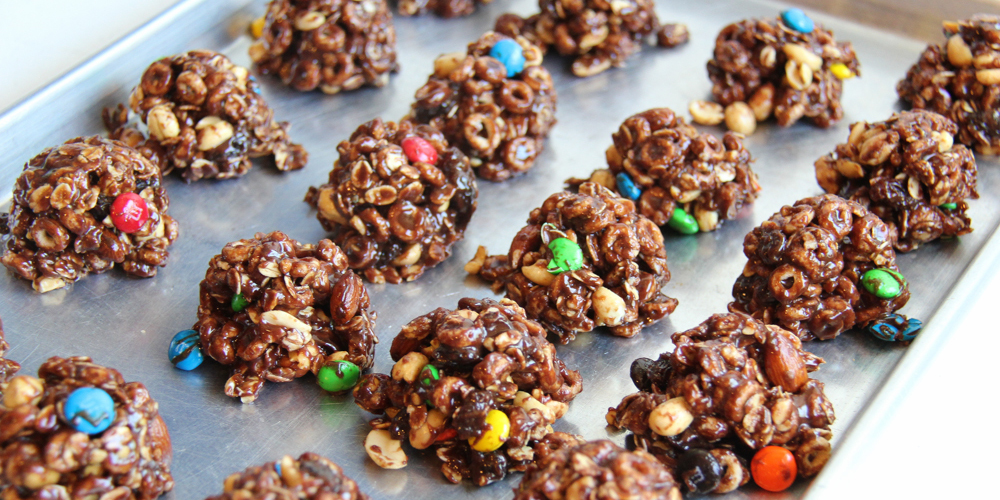
There is a special kind of confidence that comes from making dessert without turning on the oven. For kids, it feels almost like discovering a culinary loophole: mix a few ingredients, stack something delicious, add sprinkles, and somehow everyone calls you a chef.
These easy no-bake dessert recipes for kids are designed around simple skills such as stirring, crushing, spreading, layering, dipping, and decorating. The collection includes fruity treats, creamy parfaits, chocolate favorites, frozen desserts, and a few gloriously messy creations. Most use familiar supermarket ingredients and require minimal equipment.
No-bake, however, does not always mean no heat or no sharp tools. Adults should handle hot melted ingredients, food processors, and difficult knife work while children take charge of the fun parts. Always check ingredient labels for nut, dairy, gluten, or other food allergies before beginning.
Why No-Bake Desserts Are Perfect for Young Cooks
Traditional baking teaches valuable skills, but it also comes with preheating, exact temperatures, hot pans, and the occasional cookie that emerges looking like a geological event. No-bake desserts remove many of those obstacles.
Kids can practice measuring, following instructions, organizing ingredients, and learning how flavors and textures work together. Many recipes also provide quick visual progress, which is helpful when your junior chef’s patience lasts approximately as long as an unguarded bowl of chocolate chips.
For the best experience, set out ingredients before starting, give each child an age-appropriate job, and accept that a few sprinkles will permanently relocate to the kitchen floor.
20 Easy No-Bake Dessert Recipes for Kids
1. Banana Sushi Rolls
You will need: 1 flour tortilla, 2 tablespoons peanut butter or sunflower seed butter, 1 banana, and optional mini chocolate chips.
Spread the nut or seed butter over the tortilla. Place the peeled banana near one edge, roll everything tightly, and have an adult slice the roll into bite-size pieces. Add a few mini chocolate chips for extra fun. These little rounds look like dessert sushi but require absolutely no chopstick expertise.
2. Berry Yogurt Parfaits
You will need: Vanilla or Greek yogurt, strawberries, blueberries, and granola.
Let kids create alternating layers of yogurt, fruit, and granola in clear cups. The clear container is half the entertainment because every layer becomes part of the design. Serve immediately for crunchy granola, or chill briefly for a softer texture. Try peaches, raspberries, or sliced bananas when berries are unavailable.
3. Chocolate-Dipped Frozen Banana Bites
You will need: Bananas, melted chocolate, and toppings such as coconut, crushed pretzels, or sprinkles.
Slice bananas into thick coins and place them on parchment paper. An adult can melt the chocolate, then kids can dip or drizzle the banana pieces and add toppings. Freeze until firm. The result falls somewhere between candy and ice cream, which is an excellent place for a dessert to be.
4. Strawberry Cheesecake Cups
You will need: Crushed graham crackers, softened cream cheese, vanilla yogurt, strawberries, and a little honey or powdered sugar if desired.
Mix the cream cheese with yogurt until smooth. Spoon graham cracker crumbs into small cups, add the creamy filling, and top with chopped strawberries. These individual no-bake cheesecake cups look fancy enough for a party but are simple enough for beginner cooks.
5. Peanut Butter Oat Energy Bites
You will need: 1 cup rolled oats, 1/2 cup peanut butter, 1/3 cup honey, and mini chocolate chips.
Stir everything together, chill the mixture for about 20 minutes, and roll it into small balls. If peanut allergies are a concern, use an appropriate seed butter instead. Kids love shaping the bites, although maintaining perfectly round results is entirely optional. Delicious blobs are still delicious.
6. Crispy Cereal Treat Squares
You will need: Crisp rice cereal, marshmallows, and butter.
An adult should melt the butter and marshmallows on the stovetop or in the microwave. Kids can help measure the cereal and, once the mixture is safe to handle, stir and press it into a lined pan. Let it cool before cutting. Add sprinkles or mini candies for a colorful variation.
7. Three-Ingredient Cookie Truffles
You will need: Chocolate sandwich cookies, softened cream cheese, and melted chocolate.
Crush the cookies finely and combine them with cream cheese. Roll the mixture into small balls, chill until firm, and coat with melted chocolate. Adults should manage the melting step and any food processor use. Decorate with cookie crumbs or sprinkles before the coating sets.
8. Watermelon Dessert Pizza
You will need: A round watermelon slice, yogurt, berries, and shredded coconut.
Place a thick watermelon round on a cutting board and spread yogurt over the top like pizza sauce. Add berries and coconut, then have an adult slice it into wedges. This easy fruit dessert is refreshing, colorful, and nearly impossible to decorate incorrectly.
9. Apple “Donut” Rings
You will need: Apples, yogurt or nut butter, granola, raisins, coconut, or mini chocolate chips.
An adult should core the apple and cut it crosswise into rings. Kids can spread each ring with their favorite topping and decorate it like a donut. This recipe turns snack time into an edible craft project without asking anyone to operate a deep fryer, which is a win for everyone involved.
10. Frozen Yogurt Bark
You will need: Greek or regular yogurt, berries, sliced banana, and optional granola or chocolate chips.
Spread yogurt in an even layer on a parchment-lined tray. Scatter fruit and other toppings over the surface, then freeze until solid. Break the frozen sheet into irregular pieces. Store the bark in the freezer and serve it straight from the cold because it softens quickly.
11. Chocolate Pudding Dirt Cups
You will need: Prepared chocolate pudding, crushed chocolate sandwich cookies, and gummy worms.
Spoon pudding into clear cups and cover it with crushed cookies to create edible “dirt.” Add gummy worms so they appear to be crawling through the crumbs. This dessert is proof that presentation matters: ordinary pudding suddenly becomes much more exciting when it resembles a tiny garden that has been invaded by candy wildlife.
12. No-Bake S’mores Snack Mix
You will need: Graham cereal or broken graham crackers, mini marshmallows, chocolate chips, and pretzels.
Combine everything in a large bowl and toss gently. That is the entire recipe. Children can measure the ingredients and adjust the proportions to create their own custom mix. Pack it into small cups for parties or reusable containers for an easy family movie-night treat.
13. Strawberry Icebox Cake
You will need: Graham crackers, whipped topping or whipped cream, and sliced strawberries.
Layer graham crackers, cream, and strawberries in a loaf pan or small baking dish. Repeat the layers, cover, and refrigerate for several hours or overnight. As the dessert rests, the crackers soften into cake-like layers. It is a marvelous bit of refrigerator magic requiring no actual magic wand.
14. Easy Banana Pudding Cups
You will need: Prepared vanilla pudding, banana slices, vanilla wafer cookies, and whipped topping.
Layer pudding, bananas, cookies, and whipped topping in individual cups. Chill before serving so the flavors have time to mingle. Kids can create their own patterns, which means one cup may contain six bananas and another may mysteriously consist mostly of cookies. Culinary freedom has consequences.
15. Two-Ingredient Banana Nice Cream
You will need: Frozen banana slices and a splash of milk or dairy-free milk.
An adult should operate the blender or food processor. Blend the frozen bananas with just enough milk to create a smooth, creamy texture. Serve immediately for soft-serve consistency or freeze briefly for a firmer dessert. Add strawberries, cocoa powder, or a spoonful of nut butter for different flavors.
16. Chocolate Peanut Butter Refrigerator Bars
You will need: Graham cracker crumbs, peanut butter, powdered sugar, butter, and chocolate chips.
Mix the crumbs, peanut butter, powdered sugar, and softened or safely melted butter. Press the mixture firmly into a lined pan. An adult can melt the chocolate for the topping. Spread it over the base, refrigerate until firm, and cut into small squares. These bars are rich, so modest portions work beautifully.
17. Funny-Face Rice Cakes
You will need: Plain rice cakes, cream cheese or nut butter, and sliced fruit.
Spread each rice cake with a creamy topping, then use berries, banana slices, apple pieces, or raisins to create faces. Strawberry eyes? Excellent. Blueberry eyebrows? Very sophisticated. A banana mouth with five teeth? Slightly alarming, but still dessert.
18. Cheesecake-Stuffed Strawberries
You will need: Large strawberries, softened cream cheese, vanilla yogurt or powdered sugar, and graham cracker crumbs.
An adult should remove the strawberry tops and prepare the berries for filling. Kids can stir the cream cheese mixture and spoon or pipe it into the strawberries. Dip the tops in graham cracker crumbs. These bite-size treats are colorful, naturally portioned, and easy to serve at parties.
19. No-Bake Oatmeal Cookie Dough Bites
You will need: Quick oats or oat flour, nut or seed butter, maple syrup or honey, vanilla, and mini chocolate chips.
Mix the ingredients until a soft dough forms. Chill briefly, then roll into balls. Because this version uses oats rather than untreated raw wheat flour and contains no raw eggs, it avoids the ingredients commonly associated with traditional raw cookie dough. Always check package labels when accommodating allergies.
20. Chocolate Pudding Pops
You will need: Prepared chocolate pudding and optional sliced bananas or crushed cookies.
Spoon pudding into ice-pop molds, adding small pieces of banana or cookie crumbs if desired. Insert sticks and freeze until solid. Briefly run the outside of the mold under cool-to-lukewarm water to help release the pops. It is essentially pudding wearing a summer costume.
Tips for Making No-Bake Desserts With Kids
Choose Recipes That Match Their Age
Younger children can pour premeasured ingredients, spread toppings, crush cookies in a sealed bag, and decorate finished treats. Older children can practice accurate measuring, reading recipes, slicing soft foods with appropriate tools, and organizing the preparation process.
Set Up the Kitchen Before Starting
A little preparation prevents the classic mid-recipe discovery that the last banana was eaten yesterday. Read the recipe first, check the ingredients, and place necessary tools within reach. For young cooks, measuring ingredients into small bowls before assembly can make the process smoother.
Use a “Mess Zone”
Place a large cutting board, tray, or washable mat under the main work area. Sprinkles, graham cracker crumbs, and chocolate chips possess remarkable migration abilities. Giving the mess a designated destination makes cleanup considerably easier.
Let Kids Make Creative Decisions
A child who chooses the fruit, topping, pattern, or presentation is more invested in the final dessert. Offer a few reasonable choices rather than directing every detail. The strawberry parfait does not need to resemble a magazine photograph to be a successful cooking project.
Keep Food Safety in the Recipe
Wash hands before cooking and after handling anything messy. Wash fresh produce, keep dairy-based desserts refrigerated, and return frozen treats to the freezer promptly. Adults should supervise hot ingredients, appliances, sharp tools, and any technique beyond a child’s current skill level.
Practical Experience: What You Learn When Kids Take Over Dessert
Making no-bake desserts with children often reveals something that perfectly organized recipe photographs do not: the process matters at least as much as the finished food. The first lesson is that simple recipes create more room for genuine participation. When a recipe is mostly layering, stirring, rolling, or decorating, children can perform meaningful tasks instead of watching an adult do all the difficult work.
Preparation also changes everything. A recipe that seems effortless can become chaotic when three children are simultaneously looking for a spoon, opening the chocolate chips, and asking whether marshmallows count as breakfast. Putting ingredients and tools on the counter before beginning creates a calmer experience and allows the young cooks to focus on the sequence of the recipe.
Another useful lesson is that visual recipes tend to hold children’s attention particularly well. Parfaits, dirt cups, fruit pizzas, frozen yogurt bark, and decorated rice cakes provide immediate feedback. Kids see the dessert changing with every step. A spoonful of yogurt becomes a layer. A plain strawberry becomes a tiny cheesecake. A watermelon slice becomes a pizza. That transformation is part of the excitement.
Expect improvisation. Children rarely view a recipe as an unchangeable legal document. They may want extra blueberries, fewer bananas, two kinds of sprinkles, or a gummy worm placed in a location no gummy worm has previously considered. Within reasonable limits, allowing those choices gives kids ownership of the project and teaches them that cooking can be creative.
Portioning ingredients can prevent some problems. Instead of placing an entire bag of chocolate chips on the table, give each child a small bowl of toppings. This makes sharing easier and reduces the possibility that the dessert will disappear beneath an archaeological layer of candy. It also introduces an informal lesson in planning: once the toppings are used, they are used.
Texture is another excellent teaching opportunity. Kids can compare crisp graham crackers with an icebox cake after chilling, watch yogurt freeze into bark, or see a soft mixture become firm in the refrigerator. No-bake recipes demonstrate that food can change through chilling, freezing, mixing, and restingnot only through oven heat.
The biggest practical lesson may be to relax expectations. A child-made dessert might be uneven. The parfait layers may lean sideways. One truffle may be the size of a marble while another resembles a small planet. None of that means the project failed. The goal is to build confidence, practice useful kitchen skills, and create something enjoyable together.
It also helps to include children in cleanup. Carrying bowls to the sink, wiping the work surface, sealing leftover ingredients, and returning cold foods to the refrigerator are part of cooking. Presenting cleanup as the final recipe step makes it feel less like a surprise punishment delivered after the last sprinkle falls.
Over time, repeated no-bake projects can become a natural path toward greater independence. A child who begins by decorating apple rings may later measure ingredients for energy bites, assemble an entire icebox cake, or create a new parfait combination. The recipes are simple, but the confidence they encourage can be surprisingly substantial.
Conclusion
The best no-bake dessert recipes for kids combine simple instructions with enough creativity to keep young cooks interested. From banana sushi and frozen yogurt bark to cookie truffles, pudding cups, fruit pizza, and icebox cake, these 20 desserts offer plenty of ways to practice real kitchen skills without relying on the oven.
Start with a recipe suited to your child’s age, prepare the workspace, supervise heat and sharp tools, and leave some room for creative chaos. The final dessert may not look exactly as plannedand that may be the best part. After all, a slightly crooked parfait made by a proud young cook usually tastes better than perfection.
Note: Adult supervision is recommended whenever a recipe involves melted ingredients, knives, blenders, food processors, or allergy-sensitive foods. Review all product labels and adapt ingredients to the dietary needs of the children participating.