

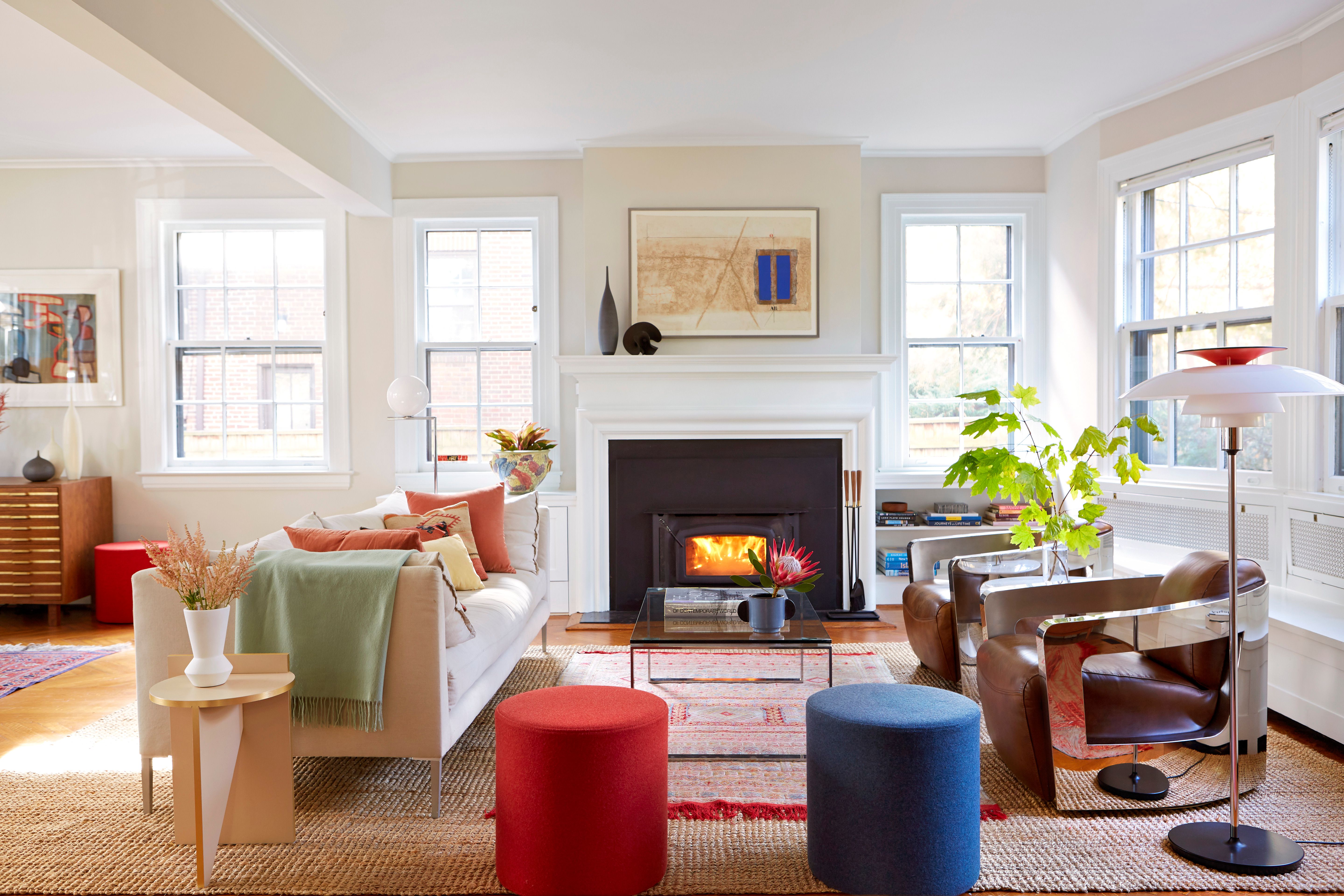
After years of brass basking in the spotlight and matte black acting like it owned every bathroom vanity in America, chrome has marched back into the room and politely, gleefully stolen the crown. In 2025, chrome is no longer the finish people choose by default because it came with the faucet. It is the finish designers are deliberately reaching for because it feels crisp, reflective, versatile, and surprisingly current.
That is the magic trick, really. Chrome somehow manages to feel vintage and futuristic at the same time. It nods to Bauhaus cool, Art Deco glamor, and a little bit of “my apartment suddenly looks more expensive than it actually is.” It plays well with modern furniture, layered traditional rooms, sculptural lighting, colorful cabinetry, and richly textured materials. It brightens small spaces, sharpens soft palettes, and gives a room the kind of polish that says, “Yes, I did think about the details,” without screaming for attention.
So yes, we are calling it: chrome is the most popular finish of 2025. Not because it replaced every other metal overnight, but because it has become the finish that works in the most rooms, with the most styles, at the most budgets. That is not just a comeback. That is a takeover in sensible shoes.
Why Chrome Is Winning in 2025
The return of chrome is not happening in a vacuum. Design in 2025 is leaning into personality, contrast, and finishes that feel more expressive than the soft-beige sameness that ruled many interiors for the last several years. Homeowners still want warmth, but they also want a little sparkle, a little edge, and a little visual relief from all the matte surfaces and earthy neutrals. Chrome delivers all three.
One reason chrome is surging is versatility. It can work in a sleek kitchen, a vintage-inspired bath, a moody living room, or a transitional entryway. While some finishes demand a very specific style direction, chrome adapts. It can look elegant with marble, playful with lacquer, sharp with black accents, and fresh with warm woods. That flexibility matters in 2025, when homes are looking more layered and less like they were ordered from one giant internet showroom at 2 a.m.
Another big reason is reflectivity. Chrome bounces light around a room, which makes it especially useful in bathrooms, kitchens, and smaller spaces that need a visual lift. A chrome sconce, lamp base, or faucet can act almost like punctuation: tiny, shiny, and weirdly important. It gives a room a cleaner, brighter finish without adding clutter.
Then there is the affordability factor. Chrome is often one of the more accessible finishes on the market, which means homeowners can update a faucet, switch plate, cabinet hardware, or light fixture without triggering a full financial identity crisis. In a year when many people want high impact without full-scale renovation costs, chrome makes a lot of sense.
The Design Mood Behind Chrome’s Comeback
Chrome is not just popular because it is shiny. It is popular because it fits the design mood of 2025. This year, interiors are drawing inspiration from modernism, Art Deco, industrial silhouettes, and vintage pieces that feel collectible rather than fussy. Chrome belongs in all of those conversations.
In modern spaces, chrome feels precise and architectural. In Art Deco rooms, it feels glamorous and graphic. In more eclectic homes, it acts like a visual bridge between old and new. It can sit next to walnut, velvet, plaster, travertine, checkerboard floors, smoked glass, or curvy upholstery without throwing a fit. That kind of social flexibility is rare in a metal finish. Chrome is basically the guest at the party who can talk to everyone.
There is also some nostalgia at work. But this is not the old builder-grade chrome of decades past, where every bathroom looked vaguely apologetic. The 2025 version is more intentional. Designers are using chrome in sculptural forms, mixed-metal compositions, and statement lighting. The finish feels less “standard issue” and more “considered choice.” Same metal, better styling, much better press.
Where Chrome Works Best in the Home
Bathrooms
If chrome has a spiritual home, it is probably the bathroom. This is where the finish looks the most natural and performs the hardest. Chrome faucets, shower trims, towel bars, and mirrors give bathrooms a clean, bright, tailored feel. They also pair beautifully with stone, ceramic tile, painted vanities, and glass, which makes them easy to incorporate whether your bathroom leans classic, contemporary, or somewhere in the happy middle.
In small bathrooms, chrome is especially effective because it reflects light and visually sharpens the room. It can make a powder room feel fresher, a primary bath feel more polished, and a guest bath feel like you tried harder than you actually did. That is a worthwhile design superpower.
Kitchens
Chrome is also gaining momentum in kitchens, especially on faucets, pot fillers, cabinet hardware, and lighting. In a kitchen full of warm wood tones, painted cabinetry, or natural stone, chrome acts as a cool counterbalance. It keeps the room from feeling too heavy or too expected.
One of the smartest ways to use chrome in a kitchen is to mix it with warmer finishes. A chrome faucet can look fantastic with antique brass pendants. Chrome pulls can work with a brushed brass range or black stools. This is part of what makes chrome so relevant right now: it does not require a one-metal dictatorship. It is happy to collaborate.
Lighting, Furniture, and Decor
Chrome is no longer limited to plumbing fixtures. In 2025, it is showing up in lighting, side tables, dining chairs, shelving, picture frames, trays, and sculptural accessories. This is where the finish gets especially fun. A chrome floor lamp can sharpen a soft room. A chrome accent table can make a neutral corner feel finished. A chrome vase can wake up a wood console that was moments away from a beige nap.
Used in decor, chrome works best as what many designers describe as jewelry for the room. It should catch the eye, bounce light, and add contrast. It does not need to dominate. In fact, chrome often looks better when it feels intentional rather than excessive.
How to Use Chrome Without Making Your Home Feel Cold
Chrome is gorgeous, but it does have one risk: too much of it can make a room feel hard, chilly, or overly slick. Fortunately, the fix is simple. Pair chrome with warmth.
Think white oak cabinets, walnut tables, linen drapery, plaster walls, mohair upholstery, handmade tile, or marble with warm veining. Chrome loves texture. It also loves softness. The contrast between something reflective and something tactile is what makes a space feel designed rather than accidental.
Another smart rule is repetition. Do not add one lonely chrome lamp and expect it to explain itself. Repeat the finish in at least two or three places in the room so it feels intentional. That could mean a chrome sconce, a mirror frame, and cabinet hardware. Or a faucet, barstools with chrome legs, and a tray on the counter. The point is to create rhythm.
Scale matters too. If you are nervous about chrome, start small. Switch out cabinet pulls. Add a lamp. Bring in a side table. Try a mirror with a slim chrome frame. Once you see how the finish behaves in your space, you can decide whether to build on it. Chrome is dramatic enough to make a statement, but practical enough to be tested in doses.
Chrome vs. Brass, Matte Black, and Polished Nickel
Chrome’s rise does not mean other finishes are suddenly illegal. It just means chrome is having the broadest, most flexible moment.
Brass still brings warmth and old-world richness. It is lovely, but after years of dominance, it can feel expected. Chrome feels fresher right now.
Matte black still offers contrast, but it has lost some novelty. In many homes, it now reads more predictable than bold. Chrome feels brighter, lighter, and less visually heavy.
Polished nickel remains a close cousin to chrome and a favorite for traditional or luxury-leaning spaces. It is often softer and slightly warmer in appearance. But if nickel is the elegant dinner guest, chrome is the stylish friend who arrived early and somehow made the whole room look better.
Stainless steel is practical and industrial, especially in kitchens, but chrome brings more shine and personality. It is a little dressier, a little more reflective, and a little more intentional as a decorative finish.
When Chrome Makes the Most Sense
Chrome is ideal if you want your home to feel brighter, cleaner, more current, or a bit more layered. It works especially well in homes that already have modern, transitional, Art Deco, or vintage-inspired elements. It is also a smart pick for anyone who wants a finish that can move between rooms without creating visual chaos.
That said, chrome is not mandatory in every corner. In highly rustic, heavily organic, or farmhouse-only interiors, too much chrome can feel a little too sharp. In those spaces, it is better used as a supporting accent rather than the lead actor. Think one polished light fixture in a room full of wood and linen, not a full chrome parade.
Common Mistakes to Avoid
Using Chrome in Isolation
A single chrome piece can look random. Repeat it elsewhere in the room so the finish feels deliberate.
Skipping Warm Materials
If everything in the space is reflective, gray, and cool-toned, chrome can tip the room into sterile territory. Balance it with wood, textile, color, or stone.
Overcommitting Too Fast
Chrome is easy to love in moderation. Before replacing every fixture in your house, try it in one room and see how the light, finishes, and mood shift.
Ignoring Maintenance Reality
Chrome looks crisp because it is reflective, but that same shine can show water spots and fingerprints more readily than brushed finishes. A quick wipe keeps it looking great. Neglect it long enough, and it will absolutely tell on you.
Why Chrome Feels So Right for 2025
The best design trends are not just pretty. They solve a problem or answer a mood. Chrome does both. It answers the desire for spaces that feel polished but not stuffy, modern but not cold, nostalgic but not theme-y. It offers brightness without adding color, glamour without demanding excess, and flexibility without becoming boring.
Most importantly, chrome feels intentional again. That may be the biggest shift of all. In 2025, people are no longer choosing finishes just because they are safe or familiar. They are choosing them because they express something. Chrome expresses clarity, contrast, confidence, and a little bit of sparkle. Frankly, that is more than most cabinet pulls can say for themselves.
Extended Experience Section: What Living With Chrome in 2025 Actually Feels Like
One of the most interesting things about chrome in 2025 is how quickly it changes the mood of a room without changing the entire room. Homeowners who swap a matte black faucet for chrome often notice the same thing first: the space suddenly feels lighter. Not bigger, exactly, and not dramatically different, but brighter, sharper, and more awake. It is a subtle shift until you see it in person, and then it becomes very hard to unsee. Chrome does not just sit there; it participates in the room by catching daylight, reflecting lamp glow, and quietly making everything around it look more finished.
In kitchens, the experience tends to be even more noticeable. A chrome faucet against a warm cabinet color or natural wood tone adds contrast in a way that feels clean rather than harsh. People who were worried it would look too cold often realize the opposite happens when the surrounding materials are warm enough. Walnut, oak, creamy paint, handmade tile, and veined stone all seem to benefit from that little hit of silver. The kitchen starts to feel less flat. It gains a bit of rhythm, like someone added a cymbal crash to a song that was all acoustic guitar.
Bathrooms are where people usually become full chrome converts. The finish feels fresh in a bathroom in a way that is difficult to fake with trendier metals. Brass can be beautiful, black can be dramatic, but chrome often feels the cleanest and most timeless. In real life, that matters. You wake up, turn on the faucet, and the room does not feel weighed down. It feels crisp. If the bathroom has marble, ceramic, or glossy tile, chrome enhances that brightness. If the space is darker or moodier, chrome creates just enough contrast to keep it from feeling murky. It is the design equivalent of opening a window.
There is also an emotional side to the chrome comeback that people do not always expect. Many homeowners remember older chrome finishes from builder-grade houses, rental bathrooms, or overly basic kitchens. Because of that, they assume chrome will always look generic. But the experience of seeing it used in 2025 is very different. The finish now appears in more sculptural silhouettes, sleeker profiles, and smarter styling. Chrome with fluted glass, a curved lamp, a chunky stone sink, or a velvet chair does not feel generic at all. It feels deliberate. That shift in context changes the entire perception of the material.
Another real-world benefit is shopping flexibility. Chrome is available almost everywhere and at almost every price point, which means people can try the trend without building their entire renovation budget around one finish. That makes experimentation easier. A renter can add a chrome floor lamp and tray. A homeowner can replace cabinet hardware. A renovator can choose chrome plumbing fixtures and spend more on tile or lighting. The experience is less precious than with some luxury finishes, and that practicality is part of the appeal.
Of course, chrome is not magic. It will show water spots if you ignore it. It can look icy if you pair it with nothing but gray and glass. It can feel awkward if you scatter random chrome pieces through a house without repeating the finish anywhere else. But when people use it thoughtfully, the payoff is real. Rooms feel brighter. Mixed-metal spaces feel more dynamic. Vintage and modern pieces start to speak the same language. And homes that once felt safe, soft, and slightly sleepy suddenly feel awake again.
That is why chrome is not just a passing finish trend in 2025. For many people, it has become a practical design reset. It offers clarity after years of visual sameness. It gives interiors a little snap, a little shine, and a little confidence. And in a time when so many homes are trying to balance comfort with character, chrome hits that sweet spot beautifully.
Conclusion
Chrome has earned its 2025 crown because it does something rare: it makes rooms feel more polished without making them feel less personal. It is reflective, flexible, budget-friendly, and deeply compatible with the layered, expressive way people want to decorate now. Whether you use it in faucets, hardware, lighting, or furniture, chrome brings brightness and edge without demanding a complete style overhaul.
In other words, chrome is back, and this time it knows exactly what it is doing.