

Note: This article is for general educational purposes and should not replace care from an ophthalmologist, optometrist, urgent care clinician, or emergency medical professional. Eye pain, vision changes, chemical exposure, or a suspected object stuck in the eye should be evaluated promptly.
What Is a Scratched Cornea?
A scratched cornea, also called a corneal abrasion, is a scrape on the clear, dome-shaped surface at the front of your eye. The cornea works like a windshield for your eye: it protects the inside, helps focus light, and unfortunately has the dramatic nerve sensitivity of a soap-opera finale. Even a tiny scratch can feel like a beach moved into your eyeball and refused to leave.
The good news is that many minor corneal scratches heal quickly, often within one to three days. The not-so-fun news is that a scratched cornea can become infected, especially if you wear contact lenses, rubbed the eye after the injury, or got scratched by plant matter, dirt, makeup tools, metal fragments, or a child’s surprisingly sharp fingernail. That is why healing a scratched cornea is not just about “waiting it out.” It is about protecting the eye, preventing infection, managing pain safely, and knowing when to get medical care.
Common Symptoms of a Scratched Cornea
A corneal abrasion can be small, but it rarely acts small. Symptoms may include:
- Sharp eye pain or a stinging, burning feeling
- A gritty sensation, as if sand or an eyelash is stuck in the eye
- Redness and watering
- Blurred vision or trouble keeping the eye open
- Sensitivity to light
- Swollen eyelids
- Headache from squinting or eye strain
One tricky thing about a scratched cornea is that it can feel like something is still in your eye even after the particle is gone. That “foreign body sensation” happens because the corneal nerves are irritated. Think of it like a smoke alarm that keeps yelling even after you rescued the toast.
How to Heal a Scratched Cornea: First Steps at Home
If you suspect a minor corneal scratch, the first goal is to avoid making it worse. You are not trying to perform bathroom-mirror eye surgery. You are simply protecting the eye until a professional can check it if needed.
1. Rinse the Eye Gently
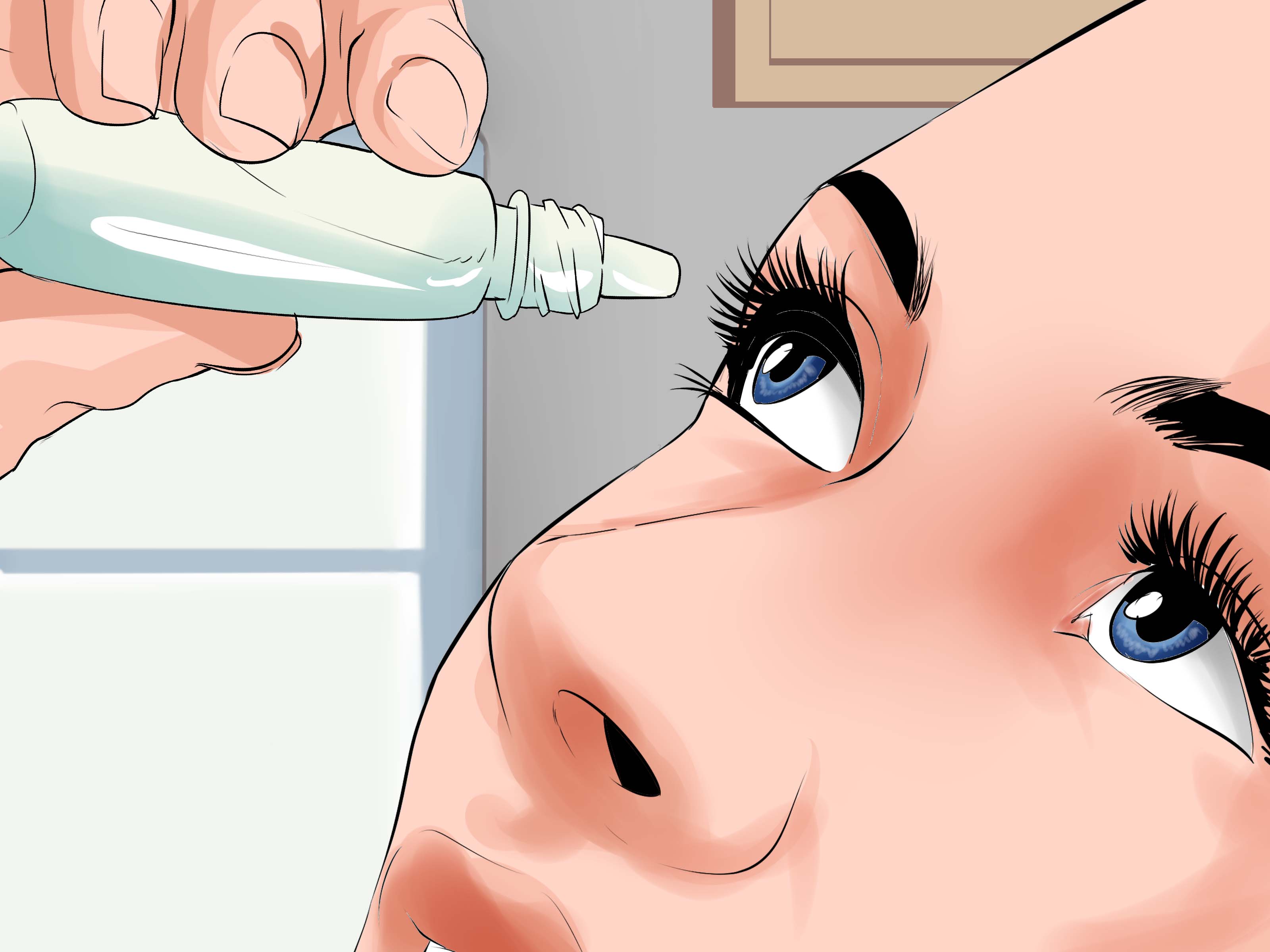
Use sterile saline solution or clean water to flush the affected eye. If you have an eyewash station, saline rinse, or clean eye cup, use it. This may help wash away dust, sand, or a tiny loose particle. If chemicals got into the eye, flush with water immediately for at least 15 minutes and seek emergency care right away.
2. Blink Several Times
Blinking can help your tears move small particles away from the cornea. Do not forcefully squeeze the eye shut; just blink normally. Your tears are not being dramatic for oncethey are part of the cleanup crew.
3. Try Pulling the Upper Lid Over the Lower Lid
Gently pulling the upper eyelid down over the lower eyelid may cause tearing or allow the lower lashes to brush away a tiny particle under the upper lid. Do this only if it is comfortable. If pain is severe, stop and get medical help.
4. Remove Contact Lenses Immediately
If you wear contacts, remove them as soon as you suspect a scratched cornea. Do not put them back in until an eye care professional says it is safe. Contact lenses can trap germs against the injured surface and raise the risk of keratitis, corneal ulcer, or other serious infections.
5. Use Preservative-Free Artificial Tears
Lubricating drops may soothe irritation and reduce friction while the cornea heals. Choose preservative-free artificial tears when possible, especially if you need to use them more than a few times a day. Avoid “redness relief” drops unless your doctor specifically recommends them; they can irritate some eyes and do not treat the scratch.
What Not to Do With a Scratched Cornea
Healing a scratched cornea is partly about restraint. Your eye may feel like it needs urgent attention from your fingers, cotton swabs, tweezers, or the corner of a tissue. It does not. Please keep the tiny household tools away from your eyeball.
Do Not Rub Your Eye
Rubbing can deepen the scratch, move debris across the cornea, and delay healing. It may feel satisfying for half a second, followed by instant regret. Hands off.
Do Not Use Cotton Swabs or Tweezers on the Cornea
If something is stuck on the clear part of the eye, do not try to remove it yourself. A clinician can use proper magnification, numbing drops for the exam, and sterile tools if removal is needed.
Do Not Use Leftover Antibiotic or Steroid Eye Drops
Old prescription drops may be expired, contaminated, or wrong for the injury. Steroid drops can be especially risky in some eye infections because they may worsen certain conditions. Use only medication prescribed for this specific problem.
Do Not Wear Eye Makeup
Skip mascara, eyeliner, false lashes, and eyeshadow until the eye is fully healed. Makeup particles can irritate the cornea, and applicators can introduce bacteria. Your smoky eye can wait; your actual eye has seniority.
Do Not Patch the Eye Unless Directed
Eye patching used to be common, but many simple corneal abrasions are not routinely patched because patching may not improve pain and can delay healing in some cases. A clinician may use a special bandage contact lens for certain injuries, but that is different from taping a patch on at home.
When to See a Doctor for a Scratched Cornea
Because the cornea is essential for vision, it is smart to be cautious. See an eye doctor, urgent care clinician, or emergency professional if:
- Pain is severe or worsening
- Vision is blurry, reduced, or distorted
- Light sensitivity is intense
- The eye remains painful after rinsing
- You feel something stuck in the eye
- The injury involved metal, glass, wood, plant matter, chemicals, or high-speed debris
- You wear contact lenses
- There is discharge, increasing redness, or swelling
- Symptoms do not improve within 24 hours
- A child has an eye injury and cannot describe symptoms clearly
Seek emergency care right away if an object is embedded in the eye, the eye was exposed to chemicals, the injury happened during grinding or hammering metal, the eye is hard to open, or there is significant vision loss. High-speed injuries can cause a penetrating eye injury, which is far more serious than a surface scratch.
How Doctors Diagnose a Corneal Abrasion
A clinician usually examines the eye, checks vision, looks under the eyelids for trapped debris, and may use fluorescein dye. This orange-yellow dye temporarily coats the eye and makes scratches glow under a blue light. It sounds like a tiny science experiment, but it is quick and very useful.
Doctors may also use a slit lamp, which gives a magnified view of the cornea. This helps them look for a foreign body, infection, ulcer, deeper injury, swelling, or signs of recurrent corneal erosion.
Medical Treatment for a Scratched Cornea
Treatment depends on the size, cause, and risk level of the abrasion. A small scratch from a fingernail may be handled differently from a contact lens-related abrasion or an injury involving dirt or metal.
Antibiotic Eye Drops or Ointment
Doctors often prescribe antibiotic drops or ointment to lower the risk of bacterial infection while the corneal surface heals. Ointments may blur vision temporarily but can feel soothing because they lubricate the eye. Contact lens wearers may need antibiotic coverage that targets bacteria associated with contact lens infections.
Pain Control
Over-the-counter pain relievers such as acetaminophen or ibuprofen may help, if they are safe for you. Some clinicians prescribe special eye drops for pain or inflammation in selected cases, but you should not self-treat with numbing drops. Repeated use of topical anesthetic drops can slow healing and hide worsening symptoms.
Bandage Contact Lens
For some larger or very painful abrasions, an eye doctor may place a bandage contact lens. This is not the same as wearing your regular contacts. It is a medical device used under supervision, often with antibiotic drops and follow-up care.
Follow-Up Exam
Your doctor may ask you to return within 24 to 48 hours, especially if the scratch is large, central, contact lens-related, caused by organic material, or not improving. Follow-up matters because an infection or ulcer can develop quickly and may threaten vision.
How Long Does a Scratched Cornea Take to Heal?
Many minor corneal abrasions feel better within 24 to 48 hours and heal within one to three days. Larger abrasions, infected abrasions, or injuries from contact lenses, plant matter, chemicals, or foreign bodies may take longer and require closer care.
The cornea heals quickly because its surface cells regenerate fast. Still, “fast” does not mean “ignore it.” If symptoms are not clearly improving after a day, or if they worsen at any point, get medical attention.
Contact Lens Wearers: Extra Caution, Please
If you wear contact lenses, a scratched cornea deserves special respect. Contacts can increase the risk of microbial keratitis, a corneal infection that can become serious. Remove lenses immediately if your eye becomes painful, red, watery, light-sensitive, or blurry.
Do not sleep in contacts unless your eye doctor specifically prescribed extended-wear lenses and you understand the risks. Do not swim, shower, or rinse lenses with water. Do not reuse old solution. Do not buy decorative or colored contact lenses without a valid prescription, even if they make you look like a vampire, fairy, anime villain, or extremely committed Halloween party guest. Decorative lenses are still medical devices, and poor fit or poor hygiene can cause abrasions, infections, scarring, and vision loss.
Can a Scratched Cornea Cause Permanent Damage?
Most superficial corneal abrasions heal without lasting problems. However, deeper scratches can scar the cornea, and infections can damage vision. A central scar, meaning one near the line of sight, may blur vision more than a small scar near the edge.
Some people develop recurrent corneal erosion after an abrasion. This happens when the new surface cells do not attach firmly, causing the eye to “reopen” painfully, often upon waking. Symptoms can feel like the original scratch: sudden sharp pain, tearing, redness, and light sensitivity. If this happens, an eye doctor can recommend treatments such as lubricating ointment, hypertonic saline, bandage contact lenses, or procedures for stubborn cases.
Home Comfort Tips While the Eye Heals
Wear Sunglasses
Bright light can feel brutal when your cornea is irritated. Sunglasses can reduce light sensitivity and help you stop squinting like you are judging everyone at a very sunny picnic.
Rest Your Eyes
Limit long stretches of screen time if it worsens discomfort. Screens reduce blinking, which can make dryness and irritation feel worse. Use artificial tears and take frequent breaks.
Avoid Dusty or Windy Environments
Wind, sawdust, garden debris, pet hair, and household dust can aggravate the eye. If you must be in a risky environment, wear protective eyewear.
Follow Medication Instructions Exactly
If you receive antibiotic drops or ointment, use them as directed. Do not stop early unless your doctor says to. Do not share drops with anyone else, because eye medicine is not a community snack bowl.
How to Prevent a Scratched Cornea
Many corneal abrasions are preventable. Protecting your eyes is not glamorous, but neither is explaining that you scratched your cornea while aggressively pruning a shrub.
- Wear safety goggles when mowing, trimming branches, sanding, drilling, grinding, using chemicals, or doing home repairs.
- Use sports eye protection for basketball, baseball, racquet sports, hockey, and other high-risk activities.
- Trim infants’ and young children’s nails regularly.
- Wash hands before inserting or removing contact lenses.
- Replace contact lenses and cases as recommended.
- Never rinse contacts with tap water.
- Be careful with makeup brushes, mascara wands, and false-lash tools.
- Avoid rubbing your eyes, especially if dust or sand may be present.
Real-Life Experiences: What Healing a Scratched Cornea Often Feels Like
Many people are surprised by how painful a small corneal scratch can be. Someone might get poked in the eye by a toddler, blink through a gust of sand at the beach, or accidentally drag a dry contact lens across the eye. At first, it may feel like a tiny eyelash is trapped under the lid. Then the watering starts. Then comes the dramatic bathroom mirror inspection, where nothing looks obvious except one very offended red eye.
A common experience is the “I’ll just sleep it off” mistake. A person goes to bed hoping the eye will reset overnight, only to wake up with sharper pain, crusty watering, and light sensitivity so intense that opening the curtains feels personal. This is why early rinsing, avoiding rubbing, removing contacts, and getting care when symptoms persist are important. A scratched cornea may heal quickly, but it does not appreciate being ignored.
Contact lens wearers often describe a different pattern. The eye may feel dry or irritated after a long day, especially if lenses were worn too long. Removing the lens might bring relief, but if pain, redness, or blurred vision continues, that is a warning sign. The safest move is to switch to glasses and call an eye doctor. Many contact lens-related problems improve with prompt treatment, but waiting too long can let infection gain ground.
Parents also know the classic baby-fingernail corneal scratch. One second, the baby is cuddly. The next, a tiny hand performs an unlicensed eye procedure. These scratches can be painful but often heal well with proper evaluation and treatment. Parents should avoid putting random drops in the eye and should seek care if the child cannot open the eye, keeps rubbing, cries with light exposure, or seems unable to see normally.
Another frequent scenario is the DIY or yardwork injury. A person trims bushes, drills wood, uses a leaf blower, or sands a project “just for a minute” without goggles. A speck flies into the eye, and instinct says rub. Unfortunately, rubbing can turn a small particle into a scratch. The better response is rinsing, blinking, and getting examined if the sensation does not clear. Safety glasses may not win fashion awards, but neither does an emergency eye appointment.
People recovering from a scratched cornea often say the first improvement is less tearing or slightly less light sensitivity. Vision may still be a little blurry from ointment or watering, but pain should trend downward. If pain suddenly worsens, discharge appears, redness spreads, or vision declines, that is not normal healing. That is a reason to contact a clinician quickly.
The biggest lesson from real-life corneal abrasion stories is simple: respect the eye early. Rinse gently, do not rub, stop contacts, avoid makeup, use only recommended drops, and follow up if symptoms linger. Most minor scratches heal beautifully, but the eye is not a place for tough-guy experiments. It is small, delicate, and in charge of letting you see pizza, sunsets, spreadsheets, and your dog’s guilty face after chewing a sock. Protect it accordingly.
Conclusion
Healing a scratched cornea starts with calm, careful first aid: rinse the eye, remove contact lenses, avoid rubbing, and protect the surface while it recovers. Many minor corneal abrasions heal within a few days, but eye pain should never be brushed off if it is severe, worsening, linked to contacts, caused by chemicals or flying debris, or accompanied by vision changes. When in doubt, let an eye care professional take a look. Your cornea may be tiny, but it has a very important joband it is much happier when you treat it like premium glass, not a windshield at a bug convention.