

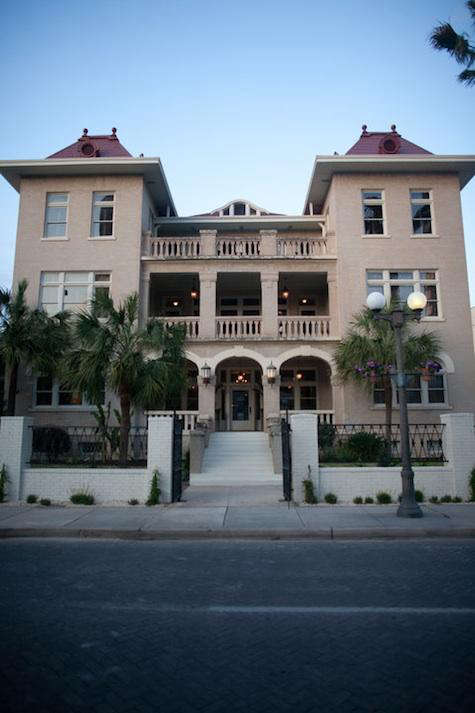
Hotel Havana never tried to impress travelers with a lobby the size of a small airport. Its appeal came from 27 individually styled rooms, century-old architecture, tropical greenery, creaking wood floors, and a River Walk setting removed from the busiest tourist traffic. It was intimate, cinematic, and just mysterious enough to make an overnight stay feel like the opening scene of a stylish novel.
Travelers should know that Hotel Havana ceased operations on October 20, 2025, after its celebrated restaurant, Ocho, closed in June. As of August 2026, no official reopening date had been confirmed in the sources reviewed. This guide explores the hotel’s history and former guest experience while preventing anyone from packing for a reservation that does not exist.
Hotel Havana at a Glance
Set at 1015 Navarro Street beside the Museum Reach section of the San Antonio River Walk, Hotel Havana occupied a quieter corner of downtown. The Tobin Center for the Performing Arts stood across the street, while the Alamo, downtown theaters, restaurants, and the central River Walk were within a manageable walk. Guests could enjoy the city without sleeping directly above its loudest cluster of margarita machines and souvenir shopsa meaningful luxury after 10 p.m.
The hotel’s scale was central to its identity. With only 27 rooms, it felt more like a grand residence than a conventional downtown property. It offered several room and suite styles, including Havana Queen, Havana King, Double Queen, Queen Suite, King Suite, Grand Suite, Hemingway Suite, and a penthouse.
The variety mattered because the historic building did not lend itself to copy-and-paste floor plans. Two guests booking the same category could receive rooms with different proportions, fixtures, views, or architectural details.
A 1914 Hotel With a Caribbean Daydream
Hotel Havana began in 1914, when San Antonio grocer Edward Franz Melcher developed an upscale residential hotel for visiting vendors and business travelers. The Mediterranean Revival design drew inspiration from architectural styles popular in Cuba at the time. That influence appeared in the pale masonry, arched openings, deep terraces, decorative balustrades, shaded windows, and palms surrounding the property.
The building passed through multiple eras, owners, and identities before hotelier Liz Lambert and Bunkhouse restored and reopened it in 2010. The renovation preserved much of the property’s old-world character while adding an eclectic Texas-meets-Caribbean design language.
Rather than sanding away every wrinkle, the project treated age as part of the charm. Original wood floors, tall ceilings, colonial shutters, iron beds, antique furnishings, vintage rugs, and quirky color choices made the hotel feel collected over time instead of assembled during one long afternoon at a furniture warehouse.
That approach helped Hotel Havana stand apart from larger River Walk hotels. It was not interested in universal beige. Its rooms had personality, and occasionally that personality creaked when someone walked down the hall.
Rooms Designed for Character, Not Uniformity
Historic Details and High Ceilings
The rooms highlighted the original building rather than hiding it. Bastrop pine floors, shuttered windows, tall ceilings, terraces, ceiling fans, and vintage-inspired furniture created an airy atmosphere. Pale walls and white linens balanced patterned rugs, colorful refrigerators, painted bed frames, and dark wood pieces.
Havana King, Queen, and Double Queen rooms averaged about 300 square feet. Suites introduced sitting areas and more unusual layouts. The roughly 365-square-foot Hemingway Suite included a living room, desk, king bedroom, and terrace access near the former Ocho breezeway. The desk practically begged for a masterpiece, although answering three emails before brunch also counted.
Charm Came With Quirks
The strongest feature was atmosphere, but historic charm never travels alone. Old floors could transmit footsteps, room shapes varied, and vintage buildings rarely behave with the silent efficiency of a new tower.
Light sleepers were wise to request a quieter upper-floor room. Travelers who needed resort-scale recreation or standardized business facilities were not the natural audience.
The River Walk Location: Close to Downtown, Away From the Frenzy
Many San Antonio hotels advertise a River Walk address, but the atmosphere changes considerably from one section to another. Hotel Havana sat along Museum Reach, north of the busiest central loop. This location offered water, shade, pathways, public art, and access to downtown while feeling calmer than the restaurant-packed heart of the River Walk.
That balance made the hotel useful for several kinds of trips. Performing arts visitors could attend a show at the Tobin Center without arranging a complicated ride. Couples could walk toward downtown for dinner, then retreat to a quieter block. Travelers interested in the Pearl district could follow the river north, while first-time visitors could head south toward the Alamo and central attractions.
The trade-off was simple: guests who wanted to step directly into the loudest nightlife zone had a short walk ahead of them. For many travelers, that was less a drawback than a built-in decompression period.
Ocho and Havana Bar: The Hotel’s Social Heart
Ocho’s Glass Conservatory
Ocho became almost as famous as the hotel itself. The restaurant occupied a turquoise-accented glass conservatory overlooking the River Walk, filling the dining room with daylight and leafy views. Its design received national attention because it transformed brunch or dinner into a visual event.
Chandeliers, tufted seating, white surfaces, blue-green steelwork, and surrounding foliage created a room that looked dressed for a celebration even when guests were simply ordering coffee.
The menu drew on pan-Latin influences, with dishes such as chilaquiles, ceviche, plantain cakes, and tortas. Rum reflected the hotel’s Cuban inspiration, while tequila linked the program to Texas and Mexico. Ocho served its final meal on June 29, 2025, ending a 14-year run.
The Basement Bar
Havana Bar offered the moodier half of the property’s personality. Located below ground, it leaned into candlelight, velvet seating, leather chairs, dark corners, and classic cocktails.
If Ocho was the bright afternoon scene, Havana Bar was the late chapter where everyone lowered their voice and ordered something involving rum. Together, the two venues allowed the hotel to shift from breezy breakfast spot to romantic evening hideaway without guests leaving the building.
Who Hotel Havana Suited Best
The hotel appealed to travelers who valued design, history, and neighborhood character over resort-scale amenities. Couples, solo visitors, Tobin Center concertgoers, architecture fans, and locals planning a staycation were natural matches. Double Queen rooms could accommodate friends or small families, but the overall mood leaned romantic and grown-up.
Guest reviews frequently praised the distinctive decor, original floors, high ceilings, helpful service, and peaceful location. Many people remembered the property as something they discovered rather than merely somewhere they slept.
A functional beige room can vanish from memory before checkout; a room with a four-poster bed, century-old pine flooring, and a pink refrigerator tends to linger.
Drawbacks and the Boutique-Hotel Trade-Off
The features that delighted design-minded guests could frustrate travelers seeking predictability. Layouts varied, old floors could be noisy, downtown parking added expense, and the hotel lacked the broad amenities of a large luxury tower. Historic windows and doors occasionally behaved with the confidence of objects that had survived more than a century.
Big River Walk hotels compete with pools, meeting space, loyalty-program consistency, and extensive services. Hotel Havana competed through intimacy, architectural identity, and rooms that felt connected to the destination.
A convention group might prefer the first model; a couple celebrating an anniversary might prefer the second.
Can You Book Hotel Havana in San Antonio Now?
No. Hotel Havana stopped operating on October 20, 2025, and its former restaurant had already closed several months earlier. Travelers should not rely on old review pages, archived booking widgets, cached hotel descriptions, or social posts that still use present-tense language. Hospitality listings can remain online long after the front desk has turned off the lamp.
Anyone drawn to Hotel Havana’s former atmosphere can still build a similar San Antonio trip by choosing a historic or design-led downtown hotel and spending time along Museum Reach. Look for accommodations near the northern River Walk, the Tobin Center, or the Pearl if calm evenings and walkability matter.
Before booking any future version of the property, verify the operator, opening date, room inventory, restaurant status, cancellation terms, and whether construction is fully complete.
Extended Experience: A Day Inspired by Hotel Havana
A Hotel Havana-style day begins slowly. Imagine waking in a high-ceilinged room where morning light slips through wooden shutters and lands across an old pine floor. The room does not look engineered by a committee. The rug is slightly dramatic, the furniture seems to have stories, and the ceiling fan turns at the pace of someone who has wisely rejected urgency. You make coffee, sit near the window, and briefly consider becoming the sort of person who writes letters by hand.
Outside, the first pleasure is the transition from building to river. Instead of entering the busiest stretch of downtown, you step toward Museum Reach, where the River Walk feels less like an attraction and more like a neighborhood path. Joggers pass, boats glide below, and public art appears between trees and bridges. The city is awake, but it has not yet started shouting.
From there, the route can bend north toward the Pearl or south toward downtown. Heading north creates a leisurely morning filled with shaded walking paths, coffee, shops, and enough architectural detail to justify stopping every few minutes.
Heading south brings a more classic first-time itinerary, with theaters, historic streets, the central River Walk, and the Alamo gradually entering the day. Either direction works because the best part is not racing through a checklist. It is noticing how San Antonio layers Spanish Colonial history, Mexican American culture, Texas confidence, and modern design within a few walkable miles.
At midday, the memory of Ocho provides the blueprint for lunch: choose somewhere with strong regional character, a room worth looking at, and a menu that understands citrus, chile, corn, slow-cooked meat, and a well-made cocktail.
Ocho’s old glass conservatory demonstrated that dining design can change the pace of a meal. Bright daylight and river views encouraged guests to linger, which is dangerous only if you have scheduled six museums before dinner.
The afternoon calls for a return to the quieter northern end of downtown. A performance at the Tobin Center once made Hotel Havana especially convenient, but even without a show, the area offers a useful pause from the central loop. Find a shaded bench, watch the river traffic, and appreciate that good travel sometimes consists of doing absolutely nothing in a place more attractive than your living room.
Evening was when the hotel’s two personalities worked best together. Ocho offered light, color, and conversation; Havana Bar shifted the mood underground with dim lamps and velvet seating. Recreating that rhythm today means starting with a lively dinner and ending in a smaller cocktail bar where the music is low enough for actual conversation.
The goal is not to copy the hotel prop for prop. It is to preserve the feeling: tropical without being kitschy, historic without being dusty, and romantic without requiring anyone to release doves.
Finally, walk back along the river after dark. Downtown lights ripple on the water, stone bridges frame the path, and the temperature usually becomes more cooperative.
Hotel Havana’s lasting lesson is that lodging can shape an entire trip. A memorable hotel does not merely provide a bed; it sets the tempo, suggests a wardrobe, influences where you eat, and somehow makes you believe ordering a rum cocktail is cultural research.
Conclusion
Hotel Havana earned its reputation by offering something increasingly rare in downtown lodging: a specific sense of place. Its 1914 architecture, small room count, eclectic interiors, Museum Reach location, glass-walled restaurant, and candlelit basement bar created an experience that felt inseparable from San Antonio.
The hotel was imperfect in the ways historic buildings are imperfect, but those quirks were part of its identity rather than accidental defects.
Its closure in 2025 means travelers must now treat old booking pages and glowing reviews as a record of what the hotel was, not proof of current availability. Still, Hotel Havana remains a useful model for choosing accommodations: prioritize location, atmosphere, architectural integrity, and the kind of experience you want after sightseeing ends.
The best hotel is not always the one with the longest amenity list. Sometimes it is the one that gives your trip a plot.