

Creating a room for your cat is not about turninhotelalthough your cat may absolutely expect room service after the upgrade. A well-designed cat room gives your pet a secure place to rest, play, scratch, hide, observe, and enjoy some peaceful alone time.
Whether you are welcoming a newly adopted cat, managing a multi-cat household, helping a shy pet adjust to a move, or simply trying to keep your cat from claiming your keyboard as a permanent bed, a dedicated cat-friendly room can make daily life calmer for everyone. The goal is simple: create an indoor cat environment that feels safe, interesting, clean, and comfortably predictable.
This guide walks through 12 practical steps for creating a cat room that works in a studio apartment, a suburban home, a spare bedroom, or even a carefully designed corner of your living space.
Why Your Cat May Need a Dedicated Room
Cats often look relaxed, but they are also expert environmental analysts. They notice new smells, loud appliances, unfamiliar visitors, moving furniture, and the suspicious appearance of a cardboard box that definitely was not there yesterday. A dedicated cat room gives your cat a reliable retreat from household chaos.
A cat-safe room can be especially useful for newly adopted cats, foster cats, kittens, senior cats, cats recovering from surgery, and pets being introduced to another animal. It can also help a confident cat enjoy more enrichment without turning every room in your home into a maze of tunnels, toys, and mysterious hairballs.
Step 1: Choose the Right Space
The best cat room is quiet, secure, and easy for you to access. A spare bedroom is ideal, but a home office, guest room, laundry room, or large bathroom can work well when arranged thoughtfully. Avoid spaces with constant noise, heavy foot traffic, strong odors, or doors that are frequently left open.
Your cat does not need a giant suite with a marble fountain and a minibar stocked with tuna. What matters most is that the space feels predictable and safe. Pick a room where your cat can rest without being startled every five minutes by a vacuum cleaner, barking dog, or toddler carrying a drum set.
Step 2: Cat-Proof the Room Before Decorating
Before bringing in beds and toys, inspect the space from your cat’s perspective. Get down low, look behind furniture, and notice what a curious paw could pull, chew, knock over, or swallow. Secure electrical cords with protective covers, remove dangling blind cords, and store medications, cleaning products, batteries, small objects, and trash out of reach.
Check houseplants carefully. Some common plants can be dangerous to cats, and lilies are particularly hazardous. Remove questionable plants rather than hoping your cat will suddenly develop excellent botanical judgment. Also make sure windows have sturdy screens and that shelves, lamps, and cat furniture cannot tip over.
Step 3: Give Your Cat a Private Hiding Place
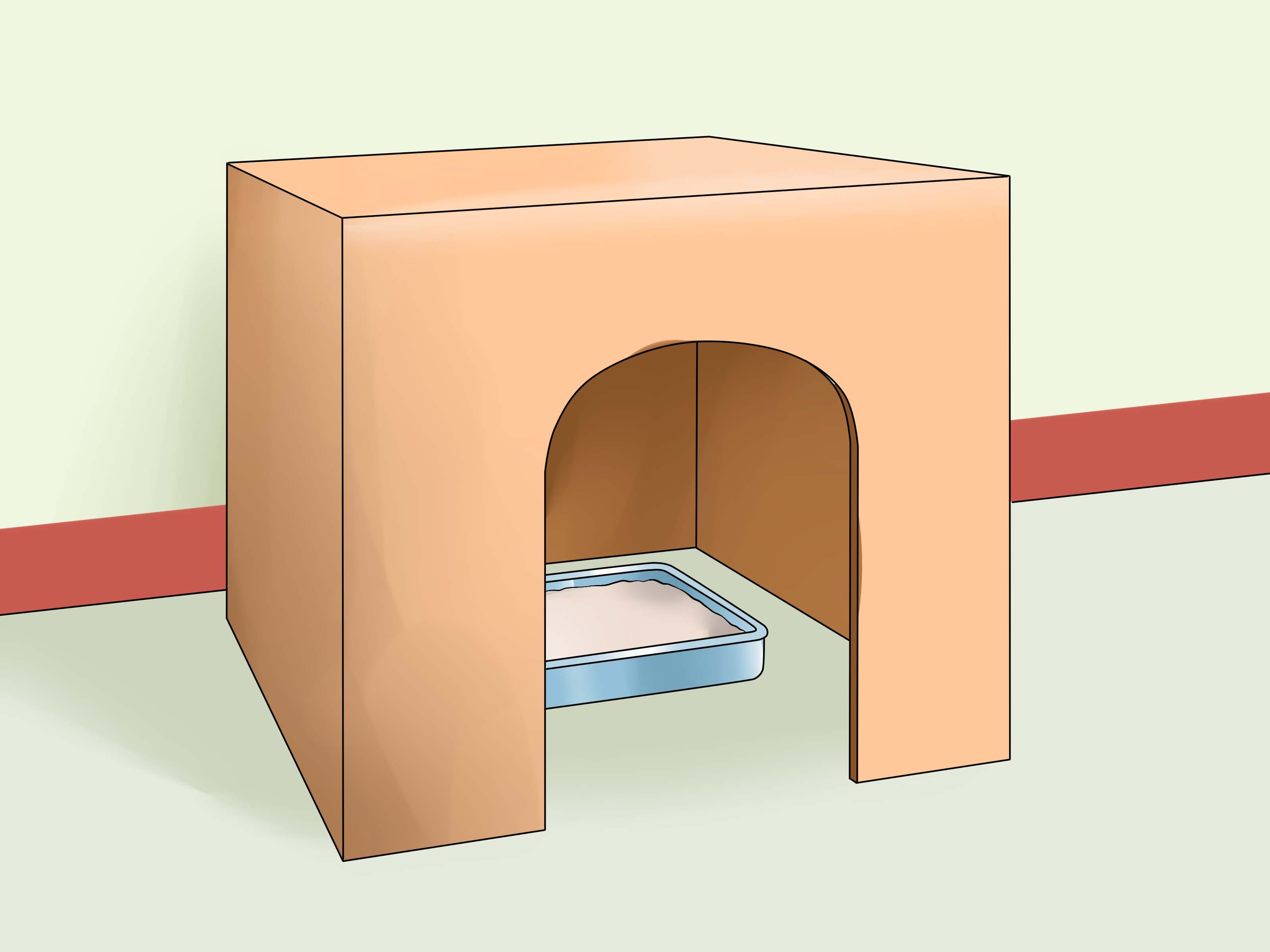
Every cat room needs at least one hiding option. A covered cat bed, open carrier, cardboard box, fabric tunnel, or small cat condo can give your pet a place to disappear without actually vanishing behind the washing machine.
For shy cats, offer more than one hiding spot. Include a low hideaway, such as a box on the floor, and an elevated option, such as a covered perch or cat tree cubby. The important rule is simple: never drag your cat out of a hiding space unless there is an emergency. A hiding place only works when your cat believes it is truly private.
Step 4: Add Vertical Space for Climbing and Watching
Cats often feel safer when they can observe their surroundings from above. Vertical territory can be created with a sturdy cat tree, wall shelves designed for cats, a window perch, or a secure piece of furniture with a soft blanket on top.
Think of vertical space as your cat’s personal observation deck. From up high, your cat can monitor birds, people, household pets, and the alarming behavior of the mail carrier. Make sure shelves and climbing structures are stable, easy to reach, and placed away from fragile decorations that could become accidental flying objects.
Step 5: Set Up a Comfortable Sleeping Zone
A cozy cat bed is useful, but do not be surprised if your cat ignores it and chooses the laundry basket instead. Cats are independent interior designers with strong opinions and zero respect for your online shopping decisions.
Offer several bedding options so your cat can choose. Try a soft bed, folded blanket, heated pet-safe pad if appropriate, open carrier, or fleece-lined basket. Place at least one sleeping area away from the litter box and feeding zone. Wash bedding regularly, especially if your cat sheds heavily, tracks litter, or treats every surface like a fur distribution center.
Step 6: Place Food and Water in a Calm Area
Set food and water bowls in a clean, quiet part of the room. Keep them away from the litter box, because most cats would prefer not to dine beside their bathroom either. Use sturdy bowls that will not slide around during an enthusiastic dinner performance.
Fresh water should always be available. Some cats enjoy a pet water fountain because moving water can be more interesting than a still bowl. However, a simple clean bowl works perfectly well when it is refreshed regularly. If your cat has a special diet or medical condition, follow your veterinarian’s instructions for feeding and hydration.
Step 7: Create a Smart Litter Box Station
The litter box may not be glamorous, but it is the most important piece of furniture in the room. Place it in a quiet, accessible area where your cat does not feel trapped. Avoid putting it beside noisy machines, near food bowls, or in a corner with no easy exit route.
Choose a box large enough for your cat to turn around comfortably. Many cats prefer unscented litter and a clean box. Scoop daily, replace litter as needed, and wash the box with mild unscented soap. If your cat suddenly stops using the litter box, strains, cries, urinates frequently, or eliminates outside the box, contact a veterinarian promptly. A litter box problem can be behavioral, but it can also signal a medical issue.
Step 8: Add Scratching Surfaces Your Cat Will Actually Use
Scratching is normal cat behavior, not a personal attack on your sofa. Your cat scratches to stretch, maintain claws, mark territory, and relieve boredom. The trick is giving your cat a better option before the armchair becomes the chosen victim.
Provide both vertical and horizontal scratching surfaces. A tall sisal post works well for cats who scratch furniture legs, while cardboard scratchers or mats may appeal to cats who target rugs. Place scratchers near sleeping areas, windows, and favorite lounging spots. Reward your cat with praise, treats, or play when they use the scratcher instead of redecorating your couch.
Step 9: Build a Simple Play and Enrichment Zone
A great cat room should encourage natural behaviors such as stalking, pouncing, chasing, climbing, sniffing, and problem-solving. You do not need to buy every toy in the pet store. A few thoughtfully chosen items are more useful than a mountain of plastic mice collecting dust under the dresser.
Include wand toys for supervised play, lightweight balls, soft toys, puzzle feeders, cat-safe tunnels, and cardboard boxes. Rotate toys every few days so familiar items feel fresh again. Keep strings, ribbons, yarn, and small detachable toy pieces out of reach when you are not supervising. Some cats are talented enough to turn a harmless string into an emergency vet story.
Step 10: Make the Window Interesting but Safe
A secure window perch can provide hours of entertainment. Birds, squirrels, falling leaves, and neighbors walking dogs may become your cat’s favorite daily television channel. A window view can add stimulation without requiring your cat to go outdoors.
Make safety the priority. Check that screens are secure and cannot pop out under pressure. Do not leave windows open wide enough for your cat to escape or fall. If the view is boring, consider placing a bird feeder outside the window only where it is safe, legal, and practical. Even a sunny patch on the floor can become a five-star feline lounge.
Step 11: Control Noise, Smells, and Household Traffic
Cats can be sensitive to sudden noise and strong scents. Keep the cat room away from harsh cleaning chemicals, heavily scented candles, loud speakers, and constant appliance noise. Choose mild, pet-safe cleaning products and avoid filling the room with air fresheners that make it smell like “Tropical Mountain Breeze Explosion.”
Set household rules around the room. Children should understand that the cat’s retreat is not a playroom. Guests should not chase, grab, or corner the cat. A closed door, a small sign, or a simple family agreement can protect your cat’s quiet space during parties, holidays, repairs, or busy weekends.
Step 12: Introduce the Room Slowly and Let Your Cat Decide
Once the room is ready, let your cat explore at their own pace. Bring your cat in calmly, place the carrier down, open the door, and allow them to come out when they feel ready. Sit quietly nearby, speak softly, and avoid overwhelming them with too much attention.
Some cats will inspect every shelf within ten minutes. Others will spend two days behind a box, quietly judging your wallpaper choices. Both reactions can be normal. Spend short, calm periods in the room each day, offer treats or gentle play, and let your cat build positive associations. The room should feel like a choice, not a punishment.
Common Mistakes to Avoid When Creating a Cat Room
One common mistake is putting everything in one tiny corner. Food, water, litter, bedding, and toys should not be stacked together like a feline studio apartment designed by a rushed college student. Separate the key resources so your cat can eat, sleep, use the litter box, and play without feeling crowded.
Another mistake is buying expensive furniture before learning what your cat actually likes. Some cats adore tall trees. Others prefer a cardboard box with one suspiciously chewed corner. Start with a flexible setup and adjust based on your cat’s behavior.
Finally, do not assume a cat room should always be closed off. For many cats, the room works best as a permanent retreat they can visit freely. A closed-door setup may be useful during introductions, illness recovery, travel, renovations, or stressful events, but it should still be comfortable, enriching, and humane.
Real-Life Experiences: What a Cat Room Teaches You Over Time
The first surprise many cat owners discover is that the “perfect” cat room will not look perfect for long. You may carefully arrange a stylish bed, a designer scratching post, and a beautiful climbing tower. Then your cat may choose to sleep in an empty shipping box that once held printer paper. This is not a failure. It is simply your cat reminding you that comfort matters more than your decorating budget.
One useful experience is learning how much personality affects room design. A bold young cat may immediately climb every shelf, knock a toy under the door, and demand playtime at 3 a.m. A timid rescue cat may prefer one covered bed, a quiet corner, and a predictable routine. The best cat room is not copied from a social media photo. It is shaped by what your individual cat actually does.
Many people also learn that vertical space can solve problems they did not realize were connected. A cat who seems restless may become calmer after getting a tall perch near a window. A cat living with another pet may feel less pressured when there is a high shelf or cat tree available as an escape route. A small apartment can feel much larger to a cat when the room includes safe places to climb, rest, and observe.
Litter box placement is another lesson that often comes with trial and error. A box placed near a loud washing machine may seem convenient for humans, but a cat may decide the sudden spin cycle sounds like a monster waking from hibernation. Moving the litter box to a quieter, more accessible location can sometimes make a surprising difference. The same goes for scented litter. What smells “fresh” to people may smell overwhelming to a cat with a much stronger sense of smell.
Cat owners often find that rotating toys works better than buying more toys. Leave out a few favorites, store the rest, and swap them every few days. A toy that seemed boring last week may suddenly become thrilling again when it reappears. Puzzle feeders, cardboard tunnels, crumpled paper balls, and supervised wand play can provide plenty of stimulation without requiring a closet full of pet-store purchases.
A cat room also becomes valuable during unpredictable moments. Guests arrive. Construction starts next door. A plumber opens the front door repeatedly. A new dog visits for the weekend. During these situations, having a ready-made safe room can prevent panic and accidental escapes. Your cat already knows the room, recognizes the scent, and has access to familiar bedding, water, litter, and hiding places.
Perhaps the biggest lesson is that cats appreciate control. They want to choose whether to hide, climb, play, eat, watch, or nap. A good cat room does not force constant activity. It creates options. Your cat may spend half the day ignoring the room, then suddenly claim the window perch as their personal kingdom at sunset. That is success.
Over time, you may notice that the room changes with your cat’s age. Kittens may need safer climbing options and more supervised play. Adult cats may enjoy puzzle feeders and window watching. Senior cats may benefit from lower-entry litter boxes, softer bedding, ramps, and easier access to favorite perches. A cat room is not a one-time project. It is an evolving space that should grow with your pet.
Final Thoughts
Creating a room for your cat is one of the most practical ways to improve your cat’s comfort and your household’s peace. Focus on safety, separate resources, hiding spaces, scratching options, climbing areas, and daily enrichment. Start simple, watch what your cat prefers, and adjust over time.
The result does not need to look like a luxury pet catalog. It only needs to feel safe, clean, interesting, and reliable to the small furry roommate who believes they own the property anyway.
Note: A dedicated cat room can support comfort and behavior, but sudden changes in appetite, activity, urination, defecation, or behavior should be discussed with a veterinarian.