

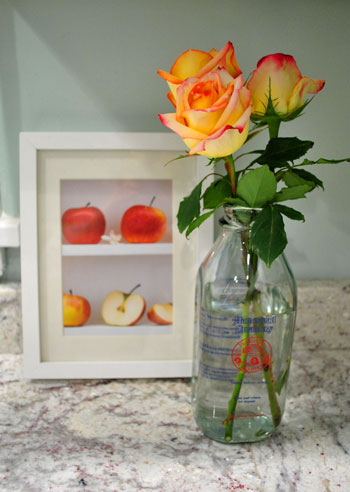
May is the month when gardeners suddenly become poets, bargain hunters, weather detectives, and people who say things like, “I only came for one packet of zinnia seeds,” while pushing a cart that looks like a rolling botanical parade. Welcome to Budget Blooms: May Madness, the cheerful art of creating a colorful spring-to-summer flower garden without letting your wallet wilt like an unwatered petunia.
The good news? A beautiful May flower garden does not require a landscaping crew, a trust fund, or a greenhouse named after your grandmother. With smart plant choices, seed starting, container tricks, plant swaps, and a little timing, you can fill beds, balconies, patios, porch steps, and awkward “what do I do with this dirt patch?” corners with affordable blooms. The secret is knowing which flowers deliver the most color for the least moneyand how to keep them blooming long after May’s first flush of excitement.
Why May Is the Sweet Spot for Budget Blooms
May is gardening’s grand opening weekend. In many parts of the United States, the soil is warming, daylight is stretching, and garden centers are overflowing with annuals, perennials, herbs, hanging baskets, and shoppers gently arguing with themselves in the marigold aisle. It is also a practical month for budget gardeners because you still have time to plant fast-growing annual flowers from seed while also taking advantage of early-season sales on starter plants.
That said, May is not the same everywhere. A gardener in Georgia may already be thinking about heat-tolerant flowers, while someone in New Hampshire may still be side-eyeing the forecast for one last sneaky frost. Before planting tender annuals, check your local last frost date. Cool-season flowers such as pansies, snapdragons, calendula, and sweet alyssum can often handle cooler spring conditions, while heat-loving annuals such as zinnias, cosmos, marigolds, sunflowers, celosia, and gomphrena prefer warmer soil and safer nights.
The Budget Gardener’s Golden Rule: Buy Less, Grow More
The fastest way to spend too much on flowers is to buy every plant as a full-grown transplant. Transplants are convenient, and there is nothing wrong with buying a few instant-gratification stars. But if you want maximum color per dollar, seeds are the real MVPs. One packet of zinnias, cosmos, nasturtiums, calendula, or sunflowers can produce a mini meadow for the price of a fancy coffee. Unlike that coffee, the flowers will not disappear in twelve minutes while you answer emails.
Seeds also give you more variety. Local stores may carry a few common flower colors, but seed racks and online seed companies often offer striped, ruffled, dwarf, giant, heirloom, pollinator-friendly, and cut-flower varieties. For a budget bloom strategy, use transplants where you need immediate structureperhaps a few geraniums or salvia in containersand use seeds to fill open spaces with affordable abundance.
Best Budget Flowers to Plant in May
Zinnias: The Overachievers of the Flower Bed
Zinnias are bright, cheerful, easy to grow, and wonderfully dramatic for the cost. Direct sow them after frost danger has passed and the soil has warmed. They come in almost every color except “sad beige,” bloom heavily in summer, and make excellent cut flowers. Deadhead spent blooms to encourage more flowers, or leave a few seedheads later in the season if you want to save seeds.
Marigolds: Small Price, Big Personality
Marigolds are sturdy, sunny, and famously forgiving. French marigolds are compact and great for borders, while African marigolds bring larger pom-pom blooms. They tolerate heat, bloom for a long season, and look fantastic around vegetable beds, walkways, and containers. Their warm gold, orange, and yellow tones bring instant “summer is arriving” energy.
Cosmos: Cottage Garden Magic on a Shoestring
Cosmos are airy, graceful, and almost suspiciously easy. They thrive in average soil, which is excellent news for anyone whose garden bed is still “in development,” which is gardener language for “I found three rocks and a plastic dinosaur while digging.” Cosmos grow quickly from seed, attract butterflies and bees, and provide height without needing expensive supports in most casual gardens.
Nasturtiums: Pretty, Peppery, and Practical
Nasturtiums are budget legends. They grow from large seeds that are easy to handle, trail beautifully from containers, and produce edible flowers and leaves with a peppery flavor. They do well in poorer soil and can actually produce fewer flowers if overfed. That is right: this flower rewards you for not fussing too much. A relatable icon.
Calendula: Cool-Season Charm That Keeps Giving
Calendula, also called pot marigold, offers golden-orange daisy-like flowers and performs especially well in cooler spring weather. It is easy from seed, useful in borders and cottage gardens, and can self-sow in friendly conditions. Deadhead it for rebloom, but allow some late flowers to go to seed if you want next year’s surprise guests.
Sunflowers: Maximum Joy Per Square Foot
Few flowers deliver more happiness per seed than sunflowers. Choose dwarf varieties for pots and small spaces, branching varieties for more blooms, or tall varieties if you want the neighborhood squirrels to begin plotting. Plant them in full sun, give taller types room, and enjoy their bold vertical drama.
How to Build a May Flower Garden on a Budget
Start With a Simple Plan
Before buying anything, sketch your space. It does not need to be fancy. A napkin drawing counts. Mark sunny areas, shady spots, containers, bare patches, and places where you want color. Then decide on three layers: tall flowers in the back, medium flowers in the middle, and low-growing flowers at the front. This prevents the classic beginner mistake of planting tiny alyssum behind giant sunflowers, where it can enjoy a private life unseen by humans.
Use the “Thriller, Filler, Spiller” Formula for Containers
For porch pots and balcony gardens, the classic container formula works beautifully. Choose one “thriller,” such as salvia, celosia, or a compact sunflower. Add “fillers,” such as marigolds, petunias, begonias, or zinnias. Finish with “spillers,” such as nasturtiums, sweet potato vine, trailing lobelia, or alyssum. This creates a full, designer-style container without buying fifteen random plants and hoping they form a committee.
Mix Seeds and Starter Plants
A smart budget approach is to buy a few starter plants for instant color and direct sow seeds around them. For example, plant a few marigold transplants along the front of a bed, then sow zinnia and cosmos seeds behind them. The transplants make the garden look alive immediately, while the seeds grow into the next wave of blooms.
Shop Smaller Plants
Large hanging baskets and gallon-sized annuals look impressive, but smaller cell packs often catch up quickly once planted in warm May weather. Look for healthy leaves, firm stems, and roots that are not circling wildly around the pot. A smaller plant with good roots is often a better buy than a large plant already stressed, rootbound, or blooming itself into exhaustion.
Soil Prep Without Spending a Fortune
Healthy soil is the budget gardener’s best friend because it helps plants perform without constant rescue missions. You do not need to replace all your soil or buy a truckload of luxury compost with a name that sounds like an expensive facial. Start by loosening compacted soil, removing weeds, and mixing in compost or well-rotted organic matter where available.
For annual flower beds, add organic matter to improve structure and moisture retention. Mulch after planting to reduce weeds and conserve moisture. Shredded leaves, straw, pine straw, untreated grass clippings used lightly, or wood mulch can all help, depending on your garden style. Mulch is basically a blanket for soil, except it does not ask why you are still watching gardening videos at midnight.
Watering: Spend Pennies, Save Plants
Newly planted flowers need consistent moisture while they establish roots. Seeds require gentle, frequent watering until they germinate, then deeper and less frequent watering as plants grow. The goal is to encourage roots to move down into the soil instead of hovering near the surface like they are afraid of commitment.
Water early in the day when possible. This gives foliage time to dry and helps reduce disease problems. Soaker hoses, watering cans, and drip irrigation are efficient options because they deliver water close to the soil. If you are gardening on a tight budget, even a simple watering can and a regular routine can outperform expensive tools used randomly.
Fertilizer: More Is Not Always More
Annual flowers benefit from nutrients, but overfeedingespecially with too much nitrogencan produce lots of leafy growth and fewer flowers. In other words, you may grow a lush green plant that refuses to bloom, like a diva who came to rehearsal but not the performance. Use fertilizer according to label directions, and choose a balanced approach rather than dumping on plant food every time you feel emotionally invested.
Container plants may need more frequent feeding than in-ground flowers because nutrients wash out faster with watering. A slow-release fertilizer or diluted liquid feed can help keep container blooms going. For garden beds, compost plus occasional light feeding may be enough, depending on your soil and plant choices.
Deadheading: The Free Trick for More Flowers
Deadheading means removing faded blooms before plants put energy into seed production. It is one of the cheapest ways to extend the bloom season. Zinnias, cosmos, marigolds, salvia, snapdragons, calendula, petunias, and many other annuals respond well to regular deadheading.
You do not need surgical precision. Pinch or snip spent flowers back to a leaf node or branching point. Think of it as giving your plant a polite reminder: “Lovely work, now please do it again.” Leave some seedheads near the end of the season if you want to collect seeds or encourage self-sowing.
Pollinator-Friendly Blooms on a Budget
A budget garden can still be a five-star pollinator café. Bees, butterflies, and other beneficial insects appreciate nectar-rich flowers, varied bloom times, and pesticide caution. Annuals such as zinnias, cosmos, sunflowers, sweet alyssum, marigolds, calendula, and verbena can support pollinators while bringing color to your space.
For best results, plant flowers in clusters rather than scattering one of everything across the yard like confetti. Pollinators can find grouped blooms more easily. Include different flower shapes and heights, and aim for continuous bloom from spring into fall. Avoid spraying insecticides on blooming plants, especially during times when bees are active.
May Madness Deals: Where to Save Money
Plant Swaps
Plant swaps are budget gardening gold. Gardeners divide perennials, thin seedlings, save seeds, and share extras. You may arrive with a tray of marigold seedlings and leave with daylilies, iris divisions, mint you should absolutely keep in a pot, and a new friend who owns three kinds of compost thermometers.
End-of-Season and Slightly Scruffy Clearance Racks
Clearance plants can be excellent bargains if you know what to avoid. Choose plants that are thirsty or a little overgrown rather than diseased. Avoid anything with mushy stems, suspicious spots, major pest infestations, or roots that look like a bird’s nest made of spaghetti. Many annuals bounce back after trimming, watering, and planting.
Community Gardens and Extension Programs
Local extension offices, master gardener groups, garden clubs, libraries, and community gardens often offer classes, seed libraries, plant sales, and region-specific advice. These resources can save you money by helping you avoid mistakes. A free tip that prevents you from planting shade-loving begonias in full desert sun is worth more than a coupon.
Small-Space Budget Blooms
No yard? No problem. May madness works on balconies, patios, fire-escape-style ledges where allowed, and front steps. Choose compact flowers for containers: dwarf zinnias, marigolds, nasturtiums, calibrachoa, alyssum, begonias, pansies, lobelia, and compact cosmos. Use recycled containers as long as they have drainage holes. A cheap container without drainage is not a planter; it is a swamp with decorative intentions.
Vertical growing also stretches small budgets. Morning glories, black-eyed Susan vine, nasturtiums, and other annual vines can cover a trellis or railing quickly from seed. Just check whether a plant self-sows aggressively in your region before giving it full permission to conquer the balcony.
Common Budget Bloom Mistakes to Avoid
The first mistake is buying without checking light requirements. Full-sun flowers usually need at least six hours of direct sun. Shade plants may scorch in afternoon heat. Read plant tags before falling in love. The second mistake is planting too closely. Tight spacing looks full quickly, but crowded plants compete for water, nutrients, and airflow.
The third mistake is ignoring watering during the establishment period. A newly planted bargain flower is only a bargain if it survives. The fourth mistake is skipping mulch and then spending June fighting weeds like a medieval knight with a hand trowel. The fifth mistake is giving up too early. Many annuals sulk briefly after transplanting, then recover once roots settle in.
A Simple May Budget Bloom Plan
Here is a practical example for a sunny 4-by-8-foot flower bed. In the back row, sow branching sunflowers or cosmos. In the middle, plant zinnias from seed or small starts. In the front, add marigolds, sweet alyssum, or calendula. Mulch lightly after seedlings are established, water consistently, and deadhead weekly. This bed can provide color from early summer into fall for a modest cost.
For a budget container trio, place one tall salvia or celosia in the center of a pot, add three marigolds or petunias around it, and tuck nasturtium seeds near the edge. In a few weeks, the nasturtiums will trail, the center plant will add height, and the fillers will create fullness. It is simple, affordable, and much easier than pretending you understand every Latin plant name at the nursery.
Experiences From the May Madness Garden
Every budget gardener eventually has a May story. Mine begins with the famous sentence, “I’m just going to look.” No gardener in recorded history has ever “just looked” in May. The garden center had rows of annuals lined up like a floral marching band, and I had a strict budget, a small list, and the confidence of someone who had not yet seen the zinnias.
The first lesson was that a budget works better when it has categories. I set aside part of the money for instant color, part for seeds, and part for soil improvement. That kept me from spending everything on blooming baskets and then realizing I had no compost, no mulch, and no plan beyond “pretty things go in dirt.” I bought a few small marigold and salvia transplants for immediate cheer, then chose seed packets of cosmos, zinnias, nasturtiums, and sunflowers for long-term payoff.
The second lesson was that small plants are not disappointing; they are just early in the plot. The tiny marigolds looked underwhelming at first, like they had been invited to a party too large for them. But after two weeks of warm weather, consistent watering, and a little compost, they doubled in size. By midsummer, they were bright, bushy, and smugly successful.
The third lesson was that direct sowing seeds feels almost too simple, which is why people overcomplicate it. I loosened the soil, made shallow furrows, watered gently, and kept the surface moist. The zinnias popped up fast. The cosmos followed. The nasturtiums took their time, perhaps reading the terms and conditions, but eventually joined the show. Watching a whole patch of flowers grow from a few dollars of seed is one of gardening’s best budget thrills.
The fourth lesson was that deadheading is oddly satisfying. At first, removing faded flowers felt rude. The plant had worked hard! But once I saw new buds forming, I became a deadheading convert. A weekly walk with small snips turned into a ritual. Snip the zinnia, praise the marigold, redirect the cosmos, apologize to the sunflower for the squirrel incident. Gardening is mostly science, but it is also a relationship with leafy roommates.
The fifth lesson was that mistakes are cheaper when you start small. One container dried out too quickly because I used a pot that was too small for a hot, sunny step. Another area stayed too shady for the zinnias to bloom heavily. Instead of calling the season a failure, I moved what I could, took notes, and learned where the garden wanted different plants next time. Budget gardening rewards observation more than perfection.
By the end of the season, the most successful part of the garden was not the most expensive. It was the mixed bed grown from seeds, small starts, compost, mulch, and stubborn optimism. The flowers brought bees, butterflies, neighbors, and enough cut bouquets to make the kitchen table look like it had received a promotion. May madness had turned into summer abundance, and the budget survived with only mild emotional bruising.
Conclusion: Let May Be Colorful, Not Costly
Budget Blooms: May Madness is not about being cheap; it is about being clever. May gives gardeners a beautiful opportunity to combine seeds, small starter plants, smart soil care, containers, plant swaps, and pollinator-friendly choices into a garden that looks generous without being expensive. The best budget flower gardens are not built from one big shopping trip. They grow from timing, patience, observation, and a willingness to let a packet of seeds do what it does best.
Start with easy annuals. Respect your local frost dates. Water young plants well. Mulch before weeds throw a parade. Deadhead for more blooms. Save seeds when you can. Share extras with neighbors. And remember: a garden does not need to be perfect to be wonderful. Sometimes the most charming flower bed is the one that grew from a handful of seeds, a recycled pot, and a gardener who refused to pay full price for joy.
Note: This HTML body is prepared for web publishing and omits unnecessary citation placeholders or contentReference elements.