

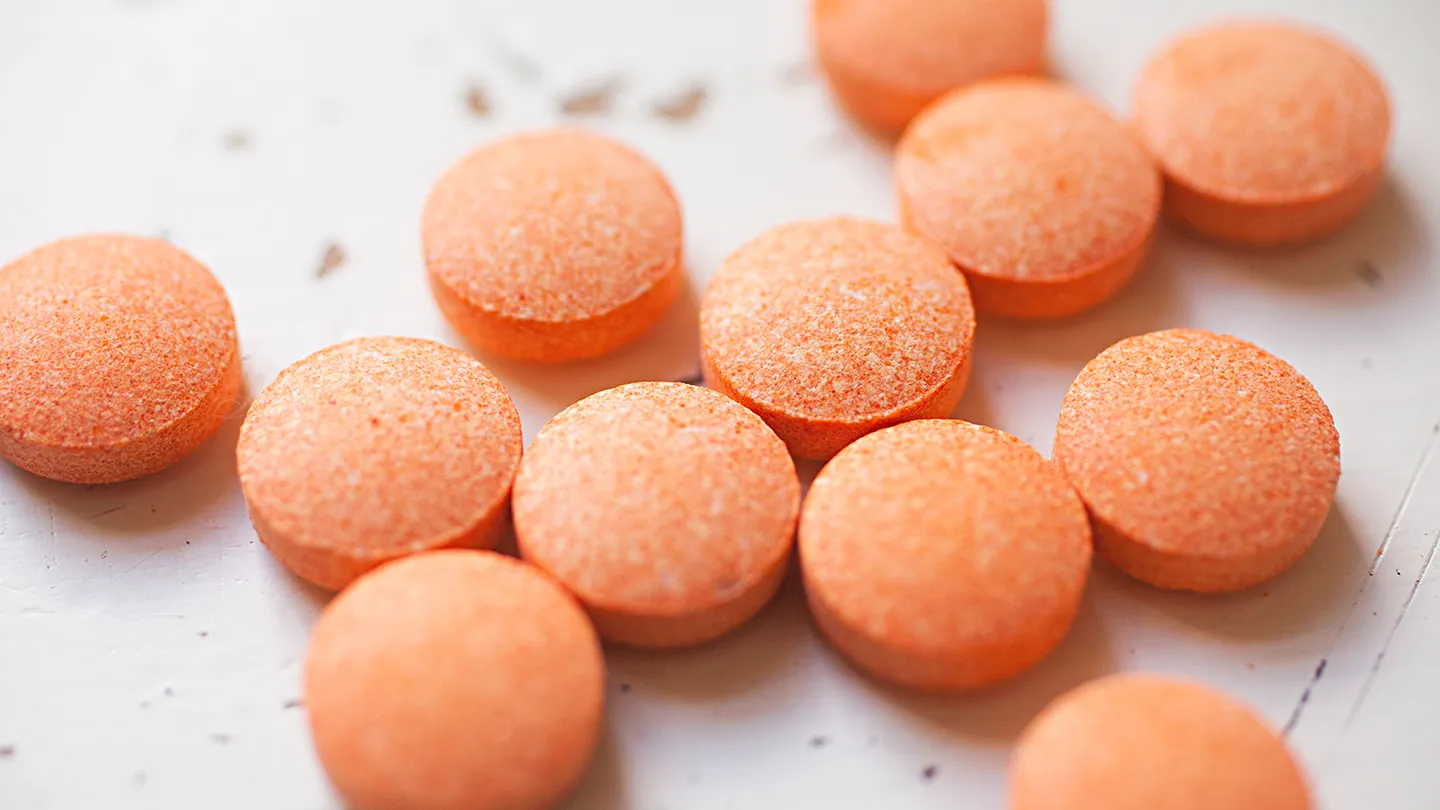
Vitamin C has one of the best public-relations teams in the nutrition world. It appears in fizzy packets, giant orange-flavored tablets, cold-season displays, and enough “immune support” labels to make a citrus grove blush. But what do vitamin C supplements actually do for your health?
The answer is more practical than magical. Vitamin C is essential for normal immune function, collagen production, wound healing, antioxidant activity, and the absorption of non-heme iron from plant foods. A supplement can be genuinely helpful when someone is not getting enough from food or has a higher need. It is not, however, a force field against every cold, a shortcut to flawless skin, or a substitute for a diet that includes fruits and vegetables.
Think of vitamin C supplements as a useful backup singer, not the entire band. They can fill a nutritional gap, support specific body functions, and offer convenience. The key is understanding when a supplement makes sense, how much is enough, and why taking “more” is not always the same thing as getting “better.”
What Is Vitamin C, and Why Does Your Body Need It?
Vitamin C, also called ascorbic acid, is a water-soluble vitamin. Because the body does not make it in meaningful amounts, it must come from food, beverages, or supplements. Excess amounts are usually excreted in urine, which is why vitamin C does not build up in the body the way some fat-soluble vitamins can.
That does not mean vitamin C is optional. It plays a role in several daily maintenance jobs that rarely receive applause: helping create collagen, supporting connective tissue, assisting with wound healing, helping the body absorb iron from plant foods, and protecting cells from oxidative stress. In other words, vitamin C is less like a flashy superhero and more like the competent building manager who quietly keeps the elevators running.
Recommended Daily Vitamin C Intake
Most adults need a relatively modest amount of vitamin C each day. Adult men generally need about 90 milligrams, while adult women generally need about 75 milligrams. Pregnancy and breastfeeding increase needs, and people who smoke need an additional 35 milligrams daily because smoking increases oxidative stress and is associated with lower vitamin C levels.
For many people, these amounts are easy to reach with food. Citrus fruit, strawberries, kiwi, bell peppers, broccoli, tomatoes, potatoes, cabbage, and leafy greens all contribute vitamin C. Still, busy schedules, limited food variety, restrictive eating patterns, digestive conditions, and plain old dislike of vegetables can make a supplement appealing.
1. Vitamin C Supplements Can Help Prevent or Correct Low Intake
The clearest health benefit of vitamin C supplements is also the least glamorous: preventing deficiency. Severe vitamin C deficiency causes scurvy, a condition associated with fatigue, gum problems, easy bruising, poor wound healing, joint pain, and fragile blood vessels. Scurvy may sound like something from a pirate documentary, but inadequate vitamin C intake can still occur in people with highly limited diets or certain medical conditions.
Supplements can be particularly useful for people who rarely eat fruits or vegetables, have food insecurity, follow an extremely restricted diet, struggle with alcohol misuse, or have malabsorption conditions that affect nutrient absorption. Older adults with limited food variety and people with chronic illnesses may also have a harder time meeting their needs consistently.
In these situations, a modest daily supplement can help close a genuine nutritional gap. The benefit is not that vitamin C creates superhuman health; it is that it restores a normal foundation for healthy body functions. That is a much less dramatic headline, but it is a far more valuable one.
2. It Supports Collagen Production and Wound Healing
Vitamin C is required for collagen synthesis. Collagen is a structural protein found in skin, blood vessels, cartilage, tendons, ligaments, bones, and other connective tissues. Without enough vitamin C, the body cannot efficiently build and maintain this important framework.
This explains why vitamin C is linked to wound healing. When the body repairs a cut, surgical incision, pressure injury, or other tissue damage, it needs collagen to rebuild tissue. A person with low vitamin C intake may have slower or poorer healing because the raw materials for collagen production are not fully available.
For someone who already consumes enough vitamin C, taking huge doses will not turn a small scrape into a Hollywood time-lapse. The body does not reward excess nutrients with bonus special effects. But for people with inadequate intake, correcting the deficiency can support normal tissue repair and connective-tissue health.
Can Vitamin C Supplements Improve Skin?
Vitamin C is often associated with glowing skin, and there is a reasonable biological explanation: collagen matters for skin structure. However, oral vitamin C supplements are not a guaranteed anti-aging treatment, wrinkle eraser, or replacement for sunscreen, sleep, hydration, and a balanced diet.
People who are low in vitamin C may notice improvements in general skin health once their intake becomes adequate. But someone already eating a vitamin C-rich diet should not expect a high-dose supplement to provide a dramatic cosmetic transformation. The best skin-care routine still includes sun protection, gentle skin care, adequate sleep, and resisting the urge to treat every pimple like a personal betrayal.
3. Vitamin C Improves Absorption of Plant-Based Iron
One of the most useful benefits of vitamin C is its ability to improve the absorption of non-heme iron. Non-heme iron is the type found in plant foods such as beans, lentils, tofu, spinach, fortified cereals, nuts, and seeds. It is not absorbed as efficiently as the heme iron found in animal foods.
Adding vitamin C to an iron-containing meal can help the body absorb more of that plant-based iron. For example, pairing lentil soup with tomatoes, adding bell peppers to a bean salad, or eating strawberries with iron-fortified cereal can be a smart move.
A vitamin C supplement may also be considered alongside prescribed iron therapy in some cases, especially when a clinician recommends it. Still, it is important not to self-treat suspected anemia with supplements alone. Fatigue, dizziness, shortness of breath, and weakness can have many causes, and iron deficiency should be properly evaluated.
There is also an important caveat: people with hemochromatosis or other iron-overload conditions should speak with a healthcare professional before using high-dose vitamin C. More iron absorption is not a universal prize. Sometimes it is like getting extra guests at a party that is already overcrowded.
4. Vitamin C Supports Normal Immune Function
Vitamin C plays a legitimate role in immune function. It supports several cellular processes involved in the body’s defense system and acts as an antioxidant, helping protect cells from damage related to oxidative stress. That does not mean a vitamin C tablet can stop every virus at the door with a tiny citrus-flavored sword.
For people with low vitamin C intake, correcting that low intake supports normal immune health. People who smoke, have poor dietary variety, or are under unusual physical stress may be more likely to benefit from ensuring adequate vitamin C intake.
Does Vitamin C Prevent the Common Cold?
This is where the marketing department usually starts doing cartwheels. In the general population, taking vitamin C regularly does not appear to significantly reduce the chance of catching a common cold. However, regular supplementation may modestly shorten cold duration or slightly reduce symptom severity for some people.
Research suggests that vitamin C may be more useful for people exposed to short periods of intense physical exertion or cold environments, such as marathon runners, skiers, and military personnel operating in harsh conditions. Even then, vitamin C is not a replacement for sleep, handwashing, vaccination when appropriate, balanced nutrition, and avoiding close contact with people who are coughing directly into the communal snack bowl.
Taking vitamin C only after cold symptoms begin has not shown consistent benefits. So, while it may be reasonable for some people to use a regular supplement during cold season, it should not be treated as an emergency cure-all.
5. Vitamin C Provides Antioxidant Support, but It Is Not a Disease Cure
Vitamin C acts as an antioxidant. Antioxidants help neutralize free radicals, unstable molecules that can damage cells through oxidative stress. This is one reason vitamin C is often discussed in relation to healthy aging and chronic disease prevention.
However, the leap from “vitamin C has antioxidant properties” to “high-dose vitamin C prevents cancer, heart disease, dementia, and every bad thing that has ever happened” is far too large. Studies of vitamin C supplements have not consistently shown that they prevent cardiovascular disease or cancer in the general population.
Fruits and vegetables are consistently associated with better long-term health outcomes, but that does not mean one nutrient in pill form recreates every benefit of an orange, a bowl of strawberries, or a colorful plate of vegetables. Whole foods contain fiber, potassium, folate, plant compounds, water, and a complicated nutritional teamwork that a single tablet cannot fully imitate.
Vitamin C supplements can help meet vitamin C needs. They should not be marketed as cancer treatment, heart disease treatment, or a substitute for medical care. Anyone receiving chemotherapy, radiation therapy, or targeted cancer treatment should discuss all supplements with their oncology team before taking them.
Who May Benefit Most From a Vitamin C Supplement?
A vitamin C supplement may be worth considering for people who have a clear reason to suspect their intake is low or their needs are higher. Potential candidates include:
- People who eat very few fruits and vegetables.
- People who smoke or are regularly exposed to secondhand smoke.
- People with highly restrictive diets or limited food variety.
- People with malabsorption conditions or certain chronic illnesses.
- Older adults who struggle to prepare or access varied meals.
- People with medically confirmed nutrient deficiencies.
- People following plant-based diets who are also working with a clinician to address iron deficiency.
Not everyone needs a stand-alone supplement. A person who regularly eats bell peppers, berries, citrus fruit, broccoli, tomatoes, and other produce may already be meeting daily needs without trying very hard. In that case, an additional supplement is more about convenience than necessity.
How Much Vitamin C Should You Take?
For most adults, a standard multivitamin or a modest vitamin C supplement is enough to cover daily needs. Many products contain 100 to 500 milligrams per serving, which is already above the daily recommended amount for most adults.
More is not automatically better. The tolerable upper intake level for adults is 2,000 milligrams per day from food and supplements combined. Regularly taking amounts above that level can increase the likelihood of digestive side effects and may create additional concerns for people prone to kidney stones or iron overload.
Practical Vitamin C Supplement Tips
- Choose the lowest dose that helps meet your needs.
- Check whether your multivitamin already contains vitamin C before adding another product.
- Take vitamin C with food if it causes stomach discomfort.
- Read the Supplement Facts panel to confirm the serving size and amount per serving.
- Avoid assuming that “immune blend” products are better simply because they have louder packaging.
- Look for products from reputable manufacturers and consider independent quality verification when available.
Forms such as ascorbic acid, sodium ascorbate, calcium ascorbate, chewables, powders, gummies, and extended-release products can all provide vitamin C. The most important difference is often not the form but the dose, cost, added ingredients, and whether your stomach tolerates it well.
Possible Side Effects and Safety Concerns
Vitamin C is generally considered safe at recommended amounts, especially when obtained through food. Problems are more likely with high-dose supplements. Common side effects may include nausea, diarrhea, stomach cramps, heartburn, and digestive upset.
People with a history of kidney stones, kidney disease, hemochromatosis, or other conditions affecting iron handling should speak with a healthcare professional before taking higher-dose vitamin C. High supplemental intake may increase urinary oxalate in some people, which is relevant to certain types of kidney stones.
People undergoing cancer treatment should be particularly cautious. Some cancer therapies may interact with antioxidant supplements, and the right answer can depend on the specific medication, dose, treatment plan, and medical history. “Natural” does not automatically mean “harmless during treatment.” Nature invented poison ivy too.
Food First: The Best Way to Get Vitamin C
Supplements are useful tools, but food remains the most satisfying way to get vitamin C for many people. A single serving of red bell pepper, orange juice, kiwi, strawberries, broccoli, or Brussels sprouts can provide a substantial amount.
Whole foods bring more than vitamin C to the table. They provide fiber for digestive health, water for hydration, other vitamins and minerals, and plant compounds that work together in ways scientists are still studying. A chewable tablet may be convenient, but it cannot crunch like a fresh pepper or make a smoothie taste like summer.
A practical approach is to build vitamin C-rich foods into meals you already enjoy. Add strawberries to yogurt, squeeze lemon over vegetables, toss broccoli into pasta, keep oranges on the counter, or add chopped bell peppers to eggs, salads, wraps, and stir-fries.
Experience-Based Perspectives: What Vitamin C Supplement Use Often Feels Like
People’s experiences with vitamin C supplements are often more ordinary than the advertisements suggest, and that is not a bad thing. The most noticeable benefit is frequently peace of mind. Someone who knows their diet has been low in fruits and vegetables for months may feel better knowing they are covering a basic nutritional need while working on longer-term food habits.
Consider a busy office worker who routinely skips breakfast, eats lunch at a desk, and relies on takeout for dinner several nights a week. They may begin taking a modest vitamin C supplement during a stretch when fresh produce is not showing up often. They might not suddenly wake up glowing like a shampoo commercial, but they may feel more confident that a nutritional gap is being addressed. The meaningful improvement may come less from the tablet itself and more from using it as a reminder to add fruit to breakfast or vegetables to lunch.
Another common experience involves people who start vitamin C during cold season. Some report that they feel their colds are shorter or easier to manage. Others notice no difference at all. Both experiences are possible. Cold symptoms naturally vary from one illness to the next, which makes it easy to give a supplement credit for a recovery that may have happened anyway. That does not make the person foolish; it makes them human. We are all enthusiastic detectives when trying to identify why Tuesday felt better than Monday.
People who follow vegetarian or vegan diets may have a more practical reason to focus on vitamin C. Pairing vitamin C-rich foods with beans, lentils, tofu, and fortified grains can help improve plant-based iron absorption. In this situation, the supplement is not necessarily the star. A meal combination such as lentil chili with tomatoes, a spinach salad with strawberries, or tofu with bell peppers may be a more enjoyable and food-centered strategy.
Some people discover that high-dose vitamin C does not agree with their stomach. Gummies, powders, fizzy drinks, and large tablets can seem harmless, but taking too much may lead to loose stools, cramping, heartburn, or a sudden and very inconvenient relationship with the nearest bathroom. When that happens, lowering the dose or taking the supplement with food is often more sensible than assuming the product is “detoxing” the body. Your digestive system is not sending a mystical message. It is usually sending a very practical one.
People who smoke may also experience vitamin C supplementation differently because their needs are higher. A supplement can help them meet the additional vitamin C requirement associated with smoking, but it should never be treated as a nutritional permission slip for tobacco use. Vitamin C can support nutrition; it cannot cancel the health effects of smoking. That is like wearing sunscreen during a hurricane and calling it a weather plan.
For older adults, the experience may be largely about convenience. Someone with limited mobility, a reduced appetite, dental problems, or difficulty shopping may not consistently have fresh produce available. A simple supplement can provide a safety net while family members, caregivers, or clinicians work on improving overall nutrition. In these cases, the supplement has value because it is realistic, accessible, and easy to use.
The best experiences with vitamin C supplements usually come from reasonable expectations. People tend to get the most value when they use a dose that fits their needs, avoid megadosing, pay attention to side effects, and continue building a diet that includes fruits and vegetables. The supplement works best as a helpful assistant, not as a tiny orange-flavored CEO of your health.
Final Thoughts on Vitamin C Supplements
Vitamin C supplements can support health by helping prevent low intake, supporting normal immune function, aiding collagen production and wound healing, and improving absorption of iron from plant foods. They may also modestly shorten colds for some people when used regularly, but they do not reliably prevent colds in the general population.
The smartest strategy is simple: aim for vitamin C-rich foods first, use supplements when they fill a real gap, and avoid high-dose habits that create more stomach trouble than health benefits. For people with kidney disease, a history of kidney stones, iron-overload conditions, pregnancy-related concerns, cancer treatment, or ongoing medication use, personalized medical guidance is the best next step.