

Editorial note: This article draws on established information about traditional palm weaving, natural-fiber handbag construction, copper care, artisan souy accessory design.
A palm bag with a copper handle is what happens when a centuries-old weaving tradition meets an industrial designer with excellent taste. The woven palm body feels relaxed, natural, and pleasantly imperfect, while the copper handle adds structure, warmth, and just enough shine to suggest that this is not an ordinary beach basket carrying three towels and a suspicious amount of sand.
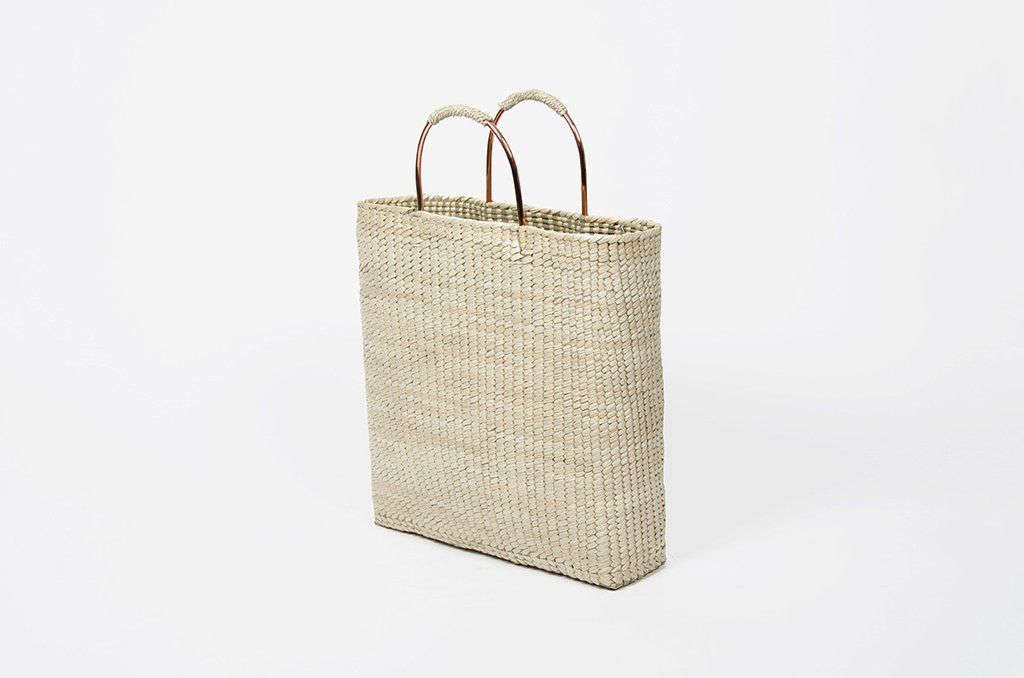
The best-known version of this design was created as a redesigned everyday palm bag and woven by a community of women in Tlamacazapa, Guerrero, Mexico. Its copper handle included a palm-wrapped grip for comfort. Although that particular product is no longer widely available, the design remains a useful reference point for anyone interested in handmade palm handbags, woven market bags, copper hardware, and accessories that combine traditional craft with modern form.
So, is a palm bag with a copper handle practical, stylish, durable, or merely very photogenic? The honest answer is: it can be all four, provided you choose carefully and do not treat it like waterproof camping equipment.
What Is a Palm Bag with a Copper Handle?
A palm bag is made from leaves or fibers collected from certain palm species. Depending on the region and technique, artisans may dry, split, strip, soften, braid, coil, knot, or weave the plant material into a structured container. Raffia is one familiar palm-derived fiber, but products described as palm bags may also use palmetto, doum palm, agel fiber, date-palm leaves, or locally harvested varieties.
The copper handle changes the personality of the finished piece. Instead of relying entirely on flexible plant fibers, the bag gains a firm architectural feature. Copper provides visual contrast against the pale tan, honey, straw, or brown shades of woven palm. It may be polished, brushed, sealed, darkened, or intentionally aged.
Some handles are solid copper, while others may be copper-plated or made from a copper alloy. These distinctions matter because they affect weight, strength, price, maintenance, and how the metal changes over time. A good product description should identify the material clearly rather than simply calling every orange-toned metal “copper.” Fashion has enough mysteries already.
Why the Design Looks So Distinctive
Natural Texture Meets Geometric Structure
Palm weaving produces subtle variations in color, thickness, and pattern. Even when artisans follow the same template, handmade bags rarely look perfectly identical. Copper, by contrast, can be shaped into a smooth, controlled curve or angular frame. Placing these materials together creates a balanced tension between softness and precision.
The result works particularly well in minimalist wardrobes. The bag introduces texture without requiring loud prints, dangling decorations, or hardware large enough to communicate with satellites.
Copper Adds Warmth Without Looking Flashy
Gold hardware can feel formal, while silver often reads as cool and contemporary. Copper occupies a comfortable middle ground. Its reddish-brown tone pairs naturally with plant fibers, leather sandals, linen clothing, earthy colors, and sun-washed fabrics.
Freshly polished copper can look bright and refined. As it ages, the surface may darken and develop a patina. Many owners appreciate this gradual change because it gives the handle character. Others prefer a consistent shine and polish it occasionally. Neither approach is automatically correct; it depends on the intended finish and the maker’s care instructions.
The Handle Becomes Part of the Silhouette
On many handbags, the handle is simply where your hand goes. On a palm bag with a copper handle, it may be the main visual feature. A round, oval, rectangular, or asymmetrical handle can determine whether the bag appears rustic, sculptural, bohemian, or modern.
A palm-wrapped grip may improve comfort by preventing the hand from resting directly against bare metal. This detail can also visually connect the handle to the woven body, making the design feel intentional rather than assembled from spare parts found in a stylish garage.
How Palm Bags Are Commonly Made
The production process varies by location, plant, and weaving tradition. In general, mature leaves are collected and prepared before weaving. They may be washed, dried in the sun, cut into strips, sorted by width, and sometimes dyed. Artisans then create the body using techniques such as plaiting, coiling, or openwork weaving.
A tightly woven bag usually holds its shape better and offers more privacy for its contents. An open weave feels lighter and airier but may require a fabric lining or removable pouch. Reinforced rims, double-layered bases, secure handle attachments, and neat finishing can substantially improve durability.
Attaching a rigid copper handle requires care. The stress should be distributed across a reinforced section instead of concentrated at two fragile points. Look for wrapped joins, sturdy loops, strong stitching, metal brackets, or additional woven layers around the attachment area.
What to Look for Before Buying
Inspect the Weave
Handmade does not mean careless. Minor variations are normal and part of the appeal, but the weave should still feel stable. Check for large gaps, loose ends, cracked fibers, unraveling edges, or sections that appear noticeably weaker than the rest.
Gently press the sides. A structured bag should recover its shape instead of collapsing permanently. A softer tote may flex more, but its base should still support the items it is designed to carry.
Examine the Copper Handle
Confirm whether the handle is solid copper, an alloy, or plated metal. A solid or substantial handle may feel heavier, while thin decorative tubing can be lighter. Neither is inherently superior, but the handle must match the size and intended load of the bag.
Run your fingers carefully around the edges. There should be no sharp seams, burrs, unfinished corners, or rough soldering. Also examine how securely the handle is connected to the palm body. A beautiful handle is less charming when it attempts an independent career on the sidewalk.
Consider Comfort
Rigid top handles are elegant, but they are not always ideal for carrying a heavy load for several hours. Check the grip width, opening size, handle shape, and clearance between the handle and bag body.
A palm-wrapped grip can make the metal more comfortable, especially in hot or cold weather. If the bag includes a detachable shoulder strap, it will be more versatile for travel, shopping, and longer outings.
Check the Interior
A lining protects small belongings from snagging on the weave and reduces the chance of keys or pens escaping through gaps. Useful interior details include a secure pocket, drawstring closure, magnetic snap, zippered pouch, or removable fabric insert.
Remember that a highly structured palm bag may not stretch to accommodate unexpected purchases. Measure your phone, wallet, sunglasses case, and other essentials before ordering. Product photos have a remarkable talent for making tiny bags look emotionally spacious.
Ask About Artisan Sourcing
A natural material does not automatically make a product ethical or sustainable. Responsible purchasing also involves labor conditions, material harvesting, payment practices, supply-chain transparency, and respect for traditional knowledge.
Look for brands that identify the artisan community, explain where the materials come from, maintain long-term producer relationships, and describe how makers are compensated. Vague phrases such as “tribal inspired” or “ethically handcrafted somewhere beautiful” provide atmosphere, not accountability.
How to Style a Palm Bag with Copper Handle
For an Everyday Summer Outfit
Pair the bag with a white cotton shirt, straight-leg jeans, leather slides, and simple copper or brass jewelry. The natural texture prevents the outfit from feeling too plain, while the metal handle gives it a polished focal point.
For a Vacation Look
Wear it with a linen dress, woven sandals, a wide-brim hat, and oversized sunglasses. This combination works for lunch, sightseeing, or pretending you always have time to drink sparkling water beside architecturally significant pools.
Just remember that palm fibers are not fond of heavy rain, wet swimsuits, spilled sunscreen, or oily products. Place liquids and cosmetics inside sealed pouches.
For an Evening Outfit
A smaller palm bag can work surprisingly well after sunset. Choose a structured design with a smooth copper handle and pair it with a black dress, jumpsuit, or monochromatic separates. The contrast between dark fabric, woven texture, and warm metal feels sophisticated without becoming overly formal.
For Fall
Although woven palm is often associated with summer, copper makes the design easier to carry into early fall. Style it with cream knitwear, rust-colored trousers, loafers, denim jackets, or lightweight trench coats. Avoid heavy winter conditions unless the bag is designed and treated for them.
How to Care for Woven Palm
Natural palm fibers generally prefer dry, moderate conditions. Excess moisture can soften, stain, warp, or encourage mildew. Strong heat and prolonged direct sunlight may make fibers brittle or cause uneven discoloration.
- Keep the bag away from rain, wet floors, damp towels, and leaking bottles.
- Blot accidental moisture with a clean, dry cloth instead of rubbing.
- Allow the bag to air-dry naturally in a ventilated place.
- Do not use a hair dryer, radiator, or clothes dryer.
- Remove surface dust with a soft brush or dry microfiber cloth.
- Avoid soaking, machine washing, or aggressive scrubbing.
- Do not overload the bag, since excessive weight can distort the weave.
For a small spot, test any cleaning method on a hidden area first. Use as little moisture as possible and follow the seller’s instructions. Strong household cleaners, bleach, alcohol, and untested waterproofing sprays may change the color or stiffness of natural fibers.
How to Care for the Copper Handle
Copper naturally changes when exposed to air, humidity, oils, and frequent handling. The surface may become darker or develop variations in tone. This patina is not necessarily damage. In many handmade products, it is considered part of the material’s appeal.
After use, wipe the handle gently with a soft, dry cloth. This removes moisture, lotion, sunscreen, and skin oils. Avoid allowing metal-cleaning products to touch the palm weave, lining, leather trim, or dyed sections.
When the manufacturer confirms that the handle is uncoated solid copper, a suitable copper polish may restore brightness. Apply it sparingly with a soft cloth and protect the surrounding fibers. Never begin with an abrasive pad, harsh detergent, or mysterious internet mixture involving half the pantry.
If the handle is lacquered, plated, antiqued, or intentionally patinated, polishing may remove or damage its finish. When the composition is unclear, clean only with a dry cloth and contact the maker before doing anything ambitious.
Proper Storage
Empty the bag before storing it. Crumpled receipts, forgotten snacks, and leaking lip balm do not mature gracefully.
Loosely fill the interior with clean, acid-free tissue paper or soft undyed fabric to support the shape. Avoid tightly packing it. Store the bag upright in a breathable cotton dust cover, away from direct sunlight, high humidity, and heat.
Do not hang the bag by its copper handle for long periods. Continuous weight can strain the handle attachments and distort the woven rim. Do not seal a damp natural-fiber bag inside plastic, since trapped moisture can create odor or mildew.
Is a Palm Bag with Copper Handle Sustainable?
It has the potential to be a lower-impact accessory, particularly when it uses renewable plant material, skilled hand production, durable hardware, minimal synthetic components, and transparent artisan partnerships. However, sustainability cannot be determined from appearance alone.
Ask whether the palm material is harvested without damaging local ecosystems, whether dyes and finishes are responsibly managed, whether artisans receive fair and prompt payment, and whether the bag is designed to last. A durable item used for years is generally more valuable than a “natural” bag purchased for one photograph and abandoned before its second summer.
Copper is durable and recyclable, but mining and processing metals have environmental impacts. A thoughtful design uses only as much material as necessary and attaches it well enough to remain useful over the bag’s lifetime.
Who Will Enjoy This Type of Bag?
A palm bag with a copper handle is well suited to someone who appreciates handcrafted accessories, natural textures, visible material aging, and designs that feel different from mass-produced handbags.
It may not be the best choice for someone who needs a waterproof commuter bag, regularly carries a laptop and several hardcover books, or considers basic maintenance an unacceptable attack on personal freedom.
For everyday light use, dinners, vacations, markets, creative workplaces, and warm-weather events, however, it can be both practical and memorable.
Personal Experience: Living with a Palm Bag and Copper Handle
The first thing I noticed when carrying a palm bag with a copper handle was that it behaved more like a small design object than an ordinary purse. People did not simply ask where I bought it. They wanted to touch the weave, inspect the handle, and determine whether the copper was real. One person held it up to the light like an archaeologist examining a recently discovered breakfast basket.
For the first outing, I packed my phone, wallet, keys, sunglasses, a small notebook, and a fabric pouch containing cosmetics. That load worked well. The bag remained balanced, and the rigid handle made it easy to pick up from a restaurant chair or car seat. Adding a large water bottle, however, changed the experience. The weight pulled against the handle attachments and made the narrow grip less comfortable. I quickly learned that this style rewards disciplined packing.
The palm-wrapped section of the copper handle was more useful than I expected. Bare metal can become warm after sitting in sunlight and cool in an air-conditioned room. The woven grip reduced that temperature shock and prevented the handle from feeling slippery after I applied hand lotion.
During a weekend trip, the bag worked best for breakfast, shopping, and evening walks. It was less suitable for the beach itself. Sand entered the open weave, sunscreen threatened every pale fiber within a three-foot radius, and I became far too protective whenever someone approached with a dripping towel. I eventually used a washable canvas tote for beach supplies and kept the palm bag for cleaner activities.
The copper handle began to darken slightly where my fingers touched it most often. At first, I considered polishing it. Then I realized that the warmer, uneven tone made the bag look better. It softened the contrast between the new metal and the handmade body. Rather than appearing worn out, the handle looked as though it had begun recording its own history.
Storage made a noticeable difference. When I left the bag empty on a crowded shelf, one side gradually flattened. I corrected the shape by gently filling it with soft cotton fabric and leaving it upright for several days. Since then, I have stored it supported inside a breathable dust bag. I also avoid hanging it from the handle, because the woven connection points deserve less drama in their lives.
The greatest advantage was versatility. With denim and a plain shirt, it added texture. With a linen dress, it looked effortless. With a black evening outfit, the copper handle became a piece of jewelry. The main disadvantage was weather anxiety. A surprise rain shower can turn a relaxed walk into an Olympic-level search for shelter.
Overall, the experience taught me that a palm bag with a copper handle is not a universal utility bag. It is a thoughtfully designed accessory with specific strengths. Carry it lightly, keep it dry, protect it from oils, and allow the metal to age naturally. In return, it offers something rare: an object that becomes more personal the longer you use it.
Conclusion
The palm bag with copper handle succeeds because its materials tell two complementary stories. Woven palm reflects hand skill, regional knowledge, and natural variation. Copper provides strength, shape, and a surface that changes with time. Together, they create an accessory that feels relaxed but refined, traditional but contemporary.
Choose a bag with a stable weave, reinforced handle attachments, smooth metalwork, practical interior features, and transparent sourcing. Keep it away from excessive moisture, avoid overloading it, and store it properly. Most importantly, do not panic when the copper begins to develop character. That gradual aging is often part of the design rather than a defect.
It may require more attention than a synthetic tote, but it also has considerably more personality. Your nylon shopping bag has never started a conversation at dinner.