

Bird flu headlines can make ordinary people stare suspiciously at backyard se is not panic-buying 400 cans of beans or treating every pigeon like a tiny airborne supervillain. It is calm, evidence-based preparation.
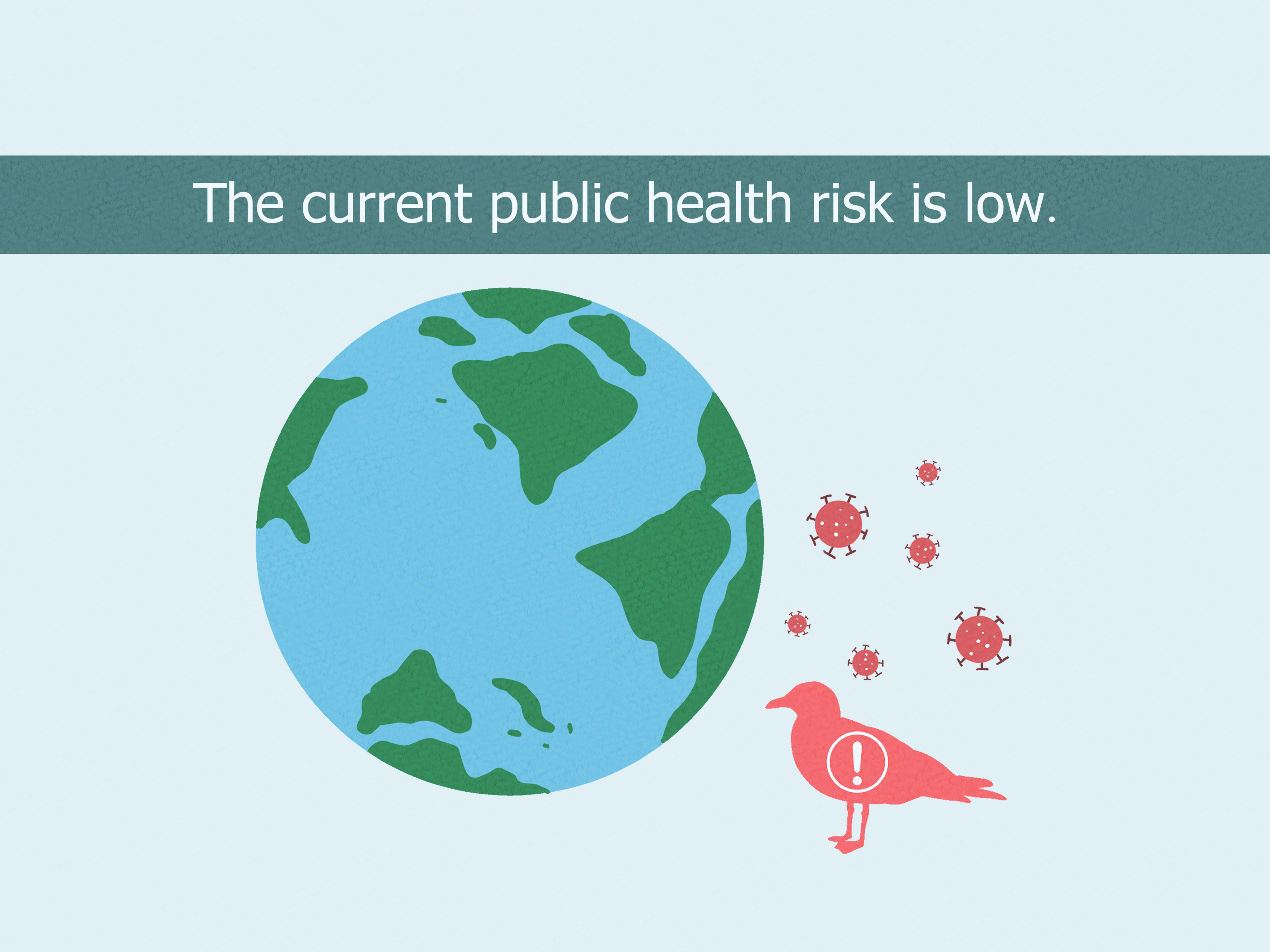
Avian influenza is caused by influenza A viruses that primarily circulate among birds. Some strains, including H5N1, can infect mammals and occasionally people. In the United States, the general public risk has remained low, while people who work closely with infected birds, poultry, dairy cattle, wildlife, or contaminated environments face greater exposure. A pandemic would require a virus to spread efficiently and continuously between people. That is not the usual H5N1 pattern, but influenza viruses change, so health agencies monitor them closely.
A good bird flu pandemic plan is useful even if a pandemic never occurs. It also prepares a household for seasonal influenza, storms, supply disruptions, and other emergencies. Think of it as a smoke detector: preparedness is not a prediction that the kitchen will catch fire.
Understand What Bird Flu Risk Looks Like
Most human infections have followed close, unprotected contact with infected animals, body fluids, feces, bedding, raw milk, or contaminated surfaces. Exposure may occur while caring for poultry, collecting dead birds, cleaning barns, handling dairy cattle, hunting, processing animals, or working in veterinary and wildlife settings. The virus may enter through the eyes, nose, mouth, or respiratory tract, which is why eye protection can matter as much as a respirator in higher-risk environments.
For people who do not handle potentially infected animals, prevention is simpler: avoid sick or dead wildlife, choose pasteurized dairy products, cook poultry and eggs properly, keep pets away from wild birds, and follow reliable public-health updates. You do not need to stop visiting the park because a goose looked judgmental.
Know the Symptoms
Bird flu symptoms can range from mild illness to severe pneumonia. Possible signs include red or irritated eyes, fever, cough, sore throat, runny nose, headache, fatigue, muscle aches, and sometimes nausea, vomiting, or diarrhea. Difficulty breathing, confusion, seizures, bluish lips or skin, severe weakness, or persistent chest pain require emergency care.
Context matters. A red eye after a dusty afternoon is not automatically bird flu. A red eye, cough, or fever after unprotected contact with sick poultry or raw milk from an affected herd deserves a prompt call to a clinician or local health department. Mention the animal exposure before arriving so the facility can arrange suitable testing and precautions.
Reduce Exposure Before a Pandemic Begins
Avoid Sick or Dead Animals
Do not touch sick or dead wild birds, poultry, livestock, or other animals with bare hands. Keep children and pets away from carcasses, feathers, feces, and contaminated water. Report unusual animal illness or deaths to a state wildlife agency, agriculture department, veterinarian, animal-control office, or local health department. Collection and testing rules vary, so improvising with a trash bag and heroic confidence is not a plan.
Use Appropriate Protective Equipment
People working with suspected or confirmed infected animals may need a NIOSH-approved particulate respirator, safety goggles, disposable gloves, fluid-resistant coveralls, boots or boot covers, a head covering, and, for splash-heavy tasks, a face shield or waterproof apron. Equipment must fit, remain on during the task, and be removed without touching contaminated surfaces.
Employers should provide training, handwashing facilities, clean areas for putting on and removing PPE, and procedures for reporting symptoms or equipment failures. Workers should not be expected to defeat influenza using one stretched glove and positive thinking.
Separate Clean and Dirty Areas
Reserve clothing and footwear for barns, coops, hunting, or animal-care areas. Remove them before entering the home and wash reusable clothing separately. Clean visible mud, manure, and organic material from equipment before disinfection because dirt can block the disinfectant from reaching the surface.
Use an EPA-registered disinfectant labeled for avian influenza and the intended surface. Follow dilution, ventilation, protective-equipment, and wet-contact-time instructions. Never mix cleaning chemicals; that can produce toxic gases and create an entirely different emergency.
Make Food Safety Reliable
Choose Pasteurized Dairy
Pasteurization inactivates harmful microorganisms, and federal testing supports the safety of the commercial pasteurized milk supply. Avoid raw milk and products made from unpasteurized milk, particularly during animal outbreaks. Raw milk is not a wellness shortcut; it is a beverage with an unnecessarily adventurous microbiology profile.
Cook Poultry and Eggs Thoroughly
Commercial safeguards make it unlikely that infected poultry or eggs will reach consumers, and proper cooking adds protection. Cook poultry to 165°F. Egg dishes should reach 160°F, and eggs should be cooked until yolks and whites are firm for people at higher risk of foodborne illness. Wash hands, utensils, boards, and counters after handling raw poultry or eggs.
Do not wash raw chicken in the sink. Splashing water can spread germs around the kitchen with the enthusiasm of a lawn sprinkler.
Protect Pets
Cats can become severely ill with H5N1, and infections have been linked to raw animal products. Keep cats indoors or supervised, prevent pets from eating wild birds, and do not feed raw milk, raw poultry, raw meat, or unpasteurized dairy. Watch pet-food recalls.
Call a veterinarian if a pet develops sudden lethargy, appetite loss, fever, breathing problems, eye or nasal discharge, tremors, seizures, or unusual behavior after possible exposure. Tell the clinic about the exposure before arrival.
Build a Practical Household Pandemic Plan
Prepare to stay home for a period without turning the spare room into a warehouse. Build supplies gradually and rotate them into normal use.
- Food and water: Store several days of water and shelf-stable foods your family actually eats, including infant, allergy, cultural, and medical-diet needs.
- Medicines: Maintain prescriptions, a thermometer, fever reducers, oral rehydration products, and basic first-aid supplies. Do not stockpile prescription antivirals without medical guidance.
- Hygiene: Keep soap, sanitizer, tissues, trash bags, detergent, and ordinary cleaning products.
- Respiratory protection: Store well-fitting masks or respirators in appropriate sizes, especially for caregivers.
- Communication: Record medical, veterinary, school, workplace, and health-department contacts.
- Daily-life backup: Plan for remote work, school closure, child care, elder care, pet care, transportation problems, and lost income.
Create a Home Illness Zone
If sustained person-to-person spread develops, recommendations may include staying home when ill, masking, improving ventilation, and separating sick household members. Identify a low-traffic room that could become an illness space. Choose a separate bathroom when possible; otherwise, plan for routine cleaning and ventilation.
A caregiver should limit close contact, wash hands after helping, avoid sharing cups or towels, and use protective equipment recommended by health authorities. Open windows when safe, use exhaust fans, and run a properly sized portable air cleaner if available. Do not aim a fan directly from the sick person toward everyone else like a germ-powered leaf blower.
Plan for Higher-Risk Household Members
Older adults and people with chronic disease, weakened immune systems, pregnancy-related needs, disabilities, or limited access to care may need extra planning. Ask a clinician how to maintain prescriptions, which symptoms need urgent care, and how to seek help if clinics are crowded. Keep medication lists, allergies, diagnoses, insurance details, and emergency contacts on paper and digitally.
Prepare for Exposure, Testing, and Treatment
After suspected animal exposure, follow health or agriculture officials’ instructions. You may be asked to monitor for symptoms for a set period. Record your temperature and any eye, respiratory, or gastrointestinal symptoms.
If symptoms develop, separate from others and contact a clinician or health department promptly. Standard home flu tests cannot confirm H5N1; specialized testing is coordinated through public-health laboratories. Clinicians may start treatment before results return when exposure and symptoms make bird flu plausible.
Antivirals such as oseltamivir work best when started early, ideally within two days of symptom onset, although later treatment may still help severely ill or high-risk patients. The seasonal flu vaccine does not specifically prevent H5N1, but annual flu vaccination remains recommended for most people aged six months and older and helps reduce seasonal influenza.
Backyard Flock and Small-Farm Preparedness
Backyard poultry owners should treat biosecurity as a daily habit, not a ritual performed only after an outbreak appears on television.
- Use covered enclosures, netting, secure feed, and protected water to separate poultry from wild birds.
- Limit visitors and avoid sharing boots, crates, tools, and vehicles between properties.
- Wash hands before and after handling birds, eggs, feed, or equipment.
- Separate new or returning birds before introducing them to the flock.
- Watch for sudden deaths, reduced appetite, lower egg production, swelling, breathing problems, diarrhea, or neurologic signs.
- Report unusual illness or mortality promptly to a veterinarian or animal-health authority.
Do not sell, give away, slaughter, or relocate sick birds. Keep records of purchases, visitors, illness, deaths, and bird movements so possible exposures can be traced quickly.
If Human-to-Human Spread Increases
If authorities report sustained community transmission, shift from animal-exposure precautions to broader respiratory-pandemic measures. Follow CDC, state, and local guidance rather than social-media screenshots created by someone whose medical credential is “owns a ring light.”
- Reduce time in crowded indoor spaces during high transmission, especially around medically vulnerable people.
- Improve ventilation and filtration in homes, schools, and workplaces.
- Wear a well-fitting mask or respirator when recommended.
- Stay home when sick and arrange delivery, remote work, or help from a trusted contact.
- Follow official guidance about any pandemic-specific vaccine and phased eligibility.
- Use emergency departments for emergencies and telehealth or primary care when appropriate.
Avoid Common Preparation Mistakes
Do not panic-buy, take antibiotics for a viral infection, use veterinary drugs, borrow prescriptions, or rely on supplements as a shield. Sleep, nutrition, vaccination, hygiene, ventilation, and exposure reduction are useful; miracle powders with a phoenix on the label are not a pandemic plan.
Do not stigmatize poultry workers, dairy workers, veterinarians, hunters, or farmers. People at occupational risk need suitable PPE, paid sick leave, testing, training, and trustworthy informationnot blame.
Practical Preparedness Experiences: Lessons From a Household Drill
The following are composite preparedness scenarios, not claims of personal medical experience. They show how planning works in ordinary life, where nobody has a command center and at least one flashlight contains batteries last changed during a previous presidential administration.
Experience One: The 48-Hour Household Test
A family of four spends one weekend using only the food, medicine, and supplies already at home. By Saturday lunch, the plan develops holes. There is plenty of pasta but no shelf-stable protein, one adult has only three days of prescription medicine left, the thermometer battery is dead, and the “emergency water” consists of two sparkling-water cans and a questionable sports drink.
The drill is valuable because it is inconvenient rather than dangerous. The family creates a rotating pantry list, adds refill reminders, replaces batteries, stores insurance-card copies, and chooses a relative who can collect medicine if everyone is sick. They also learn that their child will not eat emergency lentil soup under any circumstances, including civilization’s collapse. Familiar replacement foods make the plan more realistic.
Experience Two: A Backyard Flock Scare
A flock owner notices two hens are unusually quiet after wild ducks have been feeding near the run. The first impulse is to pick up a bird and inspect it closely. The prepared response is different: keep children and pets away, avoid direct contact, use dedicated boots, call a veterinarian or state animal-health authority, and follow reporting instructions.
After professional guidance rules out an outbreak, the owner improves the enclosure, covers food and water, creates a boot-cleaning station, and records egg production and bird health. The lesson is that biosecurity is a collection of small barriers. None looks heroic, but together they reduce opportunities for a virus to hitchhike from pond to coop to kitchen.
Experience Three: The Sick-Household Simulation
Another household practices what would happen if one adult developed fever and red eyes after workplace animal exposure. They choose a separate room, place masks and a trash can nearby, test an air cleaner, and write down whom to call. During the exercise, they discover the door does not close, the thermometer is in a child’s locked school bag, and nobody knows the health department number.
After fixing those problems, the family agrees that the exposed person will call a clinician before visiting, clearly report the animal contact, and follow testing instructions. Another adult handles meals and medicine while minimizing close contact. Nobody attempts to diagnose H5N1 through an internet quiz or decides the red eyes must be allergies because denial is cheaper than urgent care.
These experiences share one lesson: preparedness becomes effective when practiced. A checklist in a drawer is comforting; a tested plan is useful. Start with one small exercise, correct what fails, and repeat it twice a year. The goal is not to live in fear. It is to make calm decisions faster if circumstances change.
Conclusion
Preparing for a bird flu pandemic means focusing on close animal exposure, contaminated environments, raw animal products, delayed symptom reporting, and weak household contingency plans. Avoid sick or dead animals, use appropriate PPE, choose pasteurized dairy, cook poultry and eggs safely, protect pets, strengthen flock biosecurity, and maintain a realistic emergency kit.
Guidance may change as scientists learn more about transmission, severity, vaccines, and antiviral response. Follow trusted public-health, agriculture, food-safety, workplace-safety, and veterinary authorities. Preparedness should make life steadier, not scarierand it should never require declaring war on the neighborhood sparrows.
Note: This article provides general educational information and does not replace advice from a physician, veterinarian, public-health department, agriculture authority, or workplace-safety professional. Recommendations may change as evidence develops.