

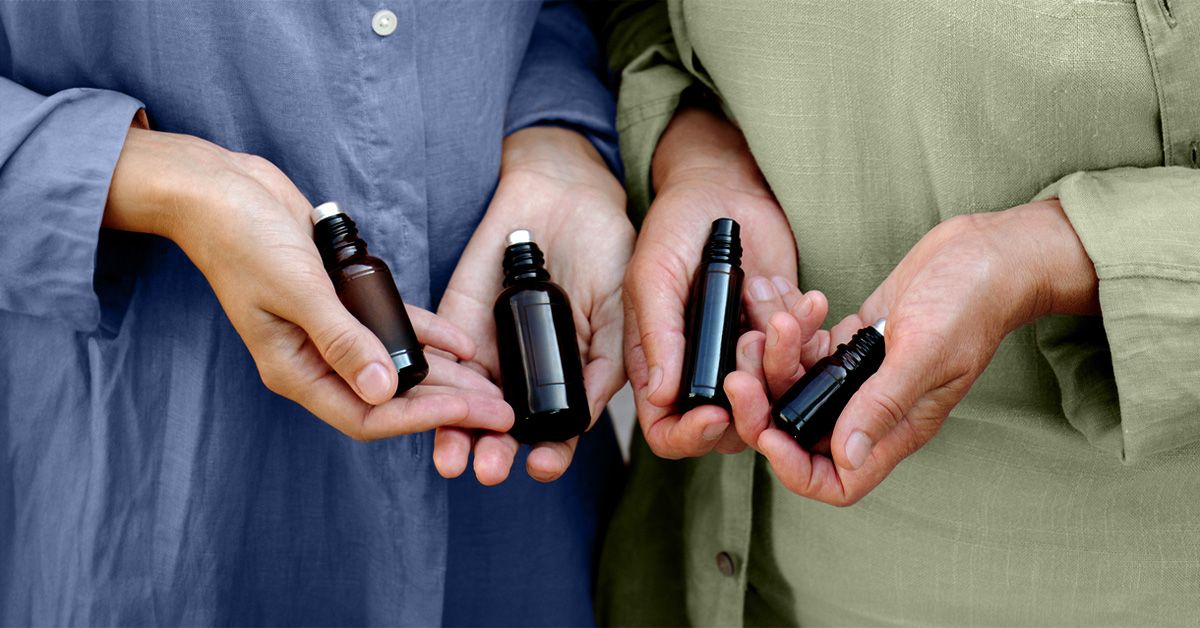
Aromatherapy sounds like something invented by a spa with excellent lighting and a suspiciously calm receptionist. But behind the pleasant clouds of lavender, peppermint, eucalyptus, and citrus is a real complementary wellness practice with a long history, a growing research base, and a safety list that deserves more attention than the tiny label on a bottle of essential oil.
At its simplest, aromatherapy is the use of concentrated plant extracts, known as essential oils, to support physical and emotional well-being. People use essential oils by inhaling them, adding them to diffusers, applying properly diluted oils to the skin, or incorporating them into massage. The goal is not to replace medical care, cure disease, or turn your living room into a forest monastery. The goal is usually gentler: relaxation, better sleep, stress relief, a more pleasant environment, or added comfort during difficult moments.
That said, “natural” does not automatically mean “risk-free.” Poison ivy is natural. So are bee stings, mold, and the mystery leftovers in the back of the refrigerator. Essential oils are powerful substances, and using them wisely matters. This guide explains what aromatherapy is, how it may help, which oils are commonly used, and what safety precautions every beginner should know before dropping oil into a diffuser and declaring themselves the mayor of Calm Town.
What Is Aromatherapy?
Aromatherapy is a complementary health practice that uses essential oils extracted from plants such as flowers, leaves, bark, roots, fruit peels, herbs, and trees. These oils contain aromatic compounds that give plants their distinctive scent. When inhaled, the aroma can stimulate smell receptors and interact with areas of the brain involved in emotion, memory, stress, and mood. This is one reason a whiff of peppermint may feel energizing, while lavender may make bedtime feel less like a negotiation with your ceiling.
Essential oils are commonly used in two main ways. The first is inhalation, such as breathing in scent from a diffuser, steam bowl, inhaler stick, or a few drops placed on a tissue. The second is topical application, usually through massage or skin products, but only after the oil has been diluted in a carrier oil such as jojoba, coconut, almond, olive, or grapeseed oil.
Aromatherapy is often used alongside conventional care, not instead of it. For example, a person receiving medical treatment for anxiety, chronic pain, cancer-related symptoms, or sleep problems might use aromatherapy as a comfort measure. It should be treated as supportive self-care, not a magic wand in a tiny amber bottle.
How Aromatherapy Works
The science of aromatherapy is still developing, but researchers have proposed several possible pathways. The most obvious pathway is smell. When scent molecules enter the nose, they interact with olfactory receptors. These receptors send signals to the brain, including regions associated with mood, memory, and emotional processing. That is why smell can be surprisingly personal. One person’s relaxing lavender may be another person’s “my aunt’s guest bathroom in 2008.”
Another pathway is touch. Aromatherapy massage combines diluted essential oils with physical massage, which may support relaxation, ease muscle tension, and create a calming ritual. In this case, it may be difficult to separate the effect of the oil from the effect of massage, quiet time, warmth, and human care. But from a practical standpoint, if a safe routine helps someone relax, the exact percentage of credit assigned to lavender may not matter very much.
Some essential oil compounds also have biological activity in laboratory studies, such as antimicrobial, anti-inflammatory, or calming properties. However, lab results do not always translate neatly into real-world health outcomes. A substance that affects microbes in a dish is not automatically a safe or effective treatment in the body. This is where aromatherapy needs a sensible middle lane: promising for comfort and wellness, but not a substitute for diagnosis, medication, or professional medical treatment.
Common Uses of Aromatherapy
Stress and Relaxation
Stress relief is one of the most popular reasons people try aromatherapy. Lavender, bergamot, sweet orange, frankincense, and chamomile are often used for calming routines. A diffuser during a quiet evening, a diluted oil blend during massage, or a scented bath product may help signal to the body that it is time to slow down.
The key word is “signal.” Aromatherapy works best when paired with other calming behaviors, such as deep breathing, gentle stretching, turning off screens, journaling, or making your bedroom less like a command center for email warfare.
Sleep Support
Lavender is the celebrity of sleep-related aromatherapy, with chamomile and cedarwood often playing supporting roles. Some studies suggest lavender aromatherapy may help improve perceived sleep quality and reduce anxiety in certain groups. It is not a sleeping pill, and it will not cancel out five iced coffees and a midnight doom-scroll. But as part of a bedtime routine, it may help create a calmer sleep environment.
Anxiety and Mood
Aromatherapy may help some people feel calmer during stressful experiences, such as medical visits, hospitalization, or periods of emotional pressure. Citrus oils like sweet orange and bergamot are often described as uplifting, while lavender and chamomile are associated with calm. Research reviews suggest certain essential oils may reduce anxiety symptoms, though results vary by study design, oil type, dose, and the population being studied.
For persistent anxiety, panic attacks, depression, or overwhelming stress, aromatherapy should be considered a support tool rather than the main treatment. A soothing scent can help a moment feel more manageable, but it should not replace therapy, medical evaluation, or prescribed care when those are needed.
Pain and Discomfort
Aromatherapy is sometimes used as part of pain management, especially when paired with massage, relaxation, or clinical care. People may use diluted peppermint, lavender, rosemary, eucalyptus, or ginger oil blends for muscle tension or general discomfort. Some studies have looked at aromatherapy for postoperative pain, labor discomfort, headache, and cancer-related symptoms. The evidence is mixed but interesting enough that some hospitals and wellness programs include aromatherapy as a complementary comfort option.
Nausea
Peppermint and ginger are two common oils associated with nausea support. In clinical settings, inhaled peppermint oil has been studied for nausea, including nausea related to medical treatments. Still, nausea can have many causes, including infections, medication side effects, pregnancy, digestive disorders, and serious illness. Aromatherapy may be a small support, but ongoing or severe nausea should be discussed with a healthcare professional.
Creating a Pleasant Environment
Not every aromatherapy use needs a dramatic wellness claim. Sometimes the benefit is simple: the room smells better, the atmosphere feels calmer, and your home no longer smells like reheated broccoli had a meeting with wet socks. Diffusing a gentle scent for a short period can make a room feel cleaner, cozier, or more inviting.
Popular Essential Oils and Their Typical Uses
Lavender Oil
Lavender is widely used for relaxation, sleep routines, and stress support. It has a soft floral scent that many people associate with calm. It is often found in pillow sprays, bath products, massage oils, and diffusers. However, lavender can still irritate sensitive skin, and some people dislike the scent or react to it.
Peppermint Oil
Peppermint oil has a sharp, cooling scent. People use it for alertness, nausea support, headaches, and muscle tension. It should be used carefully around children, and it should not be applied near the face of infants or young children. Peppermint oil can also irritate skin and worsen reflux symptoms in some people when used in oral products.
Eucalyptus Oil
Eucalyptus is often associated with clear breathing and spa-like steam rooms. It has a strong, fresh scent and is used in some chest rubs and shower products. However, it can be risky if swallowed and should be kept away from children and pets. People with asthma or respiratory sensitivity should use caution, because strong aromas can trigger symptoms in some individuals.
Tea Tree Oil
Tea tree oil is known for its sharp, medicinal scent and is commonly used in skin and scalp products. It should never be swallowed. It can cause irritation or allergic reactions, especially when applied undiluted. People with eczema, sensitive skin, or a history of product reactions should be extra cautious.
Bergamot Oil
Bergamot has a bright citrus scent and is often used for mood and relaxation blends. One important caution: some bergamot oils can increase sensitivity to sunlight when applied to the skin, raising the risk of irritation or sunburn. Anyone using citrus oils topically should check whether the product is phototoxic and avoid sun exposure on treated skin unless the product is specifically formulated to be safe.
Chamomile Oil
Chamomile is often used for calming routines and gentle relaxation. It has a sweet, herbal aroma. People allergic to plants in the daisy family should be careful, because chamomile may cause reactions in some individuals.
Rosemary Oil
Rosemary has a crisp, herbal scent and is used in blends for focus, scalp care, and massage. It is powerful and should be diluted before topical use. People who are pregnant, have seizure disorders, or take certain medications should ask a healthcare professional before using rosemary oil.
Benefits of Aromatherapy: What It May Help With
Aromatherapy may offer several practical benefits when used safely. First, it can support relaxation. Scent can become part of a routine that tells the mind, “We are not solving every life problem tonight.” That alone can be valuable in a world where stress often arrives with push notifications.
Second, aromatherapy may improve the comfort of a space. A carefully chosen scent can make a bedroom feel restful, a workspace feel fresher, or a bath feel more luxurious. This environmental benefit is simple but real. People often underestimate how strongly surroundings affect mood.
Third, aromatherapy may support sleep hygiene. A consistent bedtime scent, especially one associated with calm, can become a cue for winding down. The oil is not doing all the work. The routine matters: dim lights, cooler room temperature, less screen time, and a regular sleep schedule.
Fourth, aromatherapy may help some people cope with anxiety, nausea, discomfort, or medical stress as a complementary tool. In hospitals and cancer centers, aromatherapy is sometimes used to improve comfort and quality of life. The strongest way to think about it is not “this oil cures this condition,” but “this scent may help this person feel more comfortable during a difficult experience.”
Risks and Side Effects of Aromatherapy
Essential oils are concentrated. A single bottle may contain the aromatic compounds of a large amount of plant material. That concentration is part of their appeal, but also part of the risk.
Skin Irritation and Allergic Reactions
Undiluted essential oils can cause burning, redness, itching, rashes, or allergic contact dermatitis. Oils such as cinnamon bark, clove, oregano, lemongrass, jasmine, ylang-ylang, tea tree, and bergamot are more likely to cause reactions in some people. Always dilute essential oils before applying them to skin, and consider a patch test before using a new oil more widely.
Breathing Problems
Strong scents may irritate the airways, especially for people with asthma, allergies, migraines, or chemical sensitivities. Diffusers should be used in a well-ventilated area and for limited periods. More scent does not mean more benefit. It usually just means everyone in the room now knows you own eucalyptus.
Poisoning from Swallowing Oils
Many essential oils can be toxic when swallowed, especially by children. Oils such as wintergreen, camphor, eucalyptus, pennyroyal, and tea tree can be particularly dangerous if ingested. Essential oils should be stored out of reach of children and pets, ideally in locked or high cabinets. Do not drink essential oils unless specifically directed by a qualified healthcare professional using a medically appropriate product.
Pregnancy and Breastfeeding Concerns
People who are pregnant or breastfeeding should be cautious with essential oils. Some oils may not be safe during pregnancy, and there is not enough evidence to say that all common oils are safe for every pregnancy. Essential oils should not be ingested during pregnancy or breastfeeding. A healthcare professional should be consulted before use.
Pets and Essential Oils
Pets, especially cats and birds, may be sensitive to diffused oils. Their bodies process chemicals differently from humans, and they cannot tell you when a scent is giving them a headache. Keep diffusers away from pet areas, use good ventilation, and avoid forcing animals to remain in a scented room.
Medication and Health Condition Interactions
Some oils may interact with medications or may not be appropriate for people with certain conditions. People with seizure disorders, hormone-sensitive conditions, liver disease, asthma, severe allergies, or complex medical histories should ask a clinician before using essential oils regularly.
How to Use Aromatherapy Safely
Start Low and Slow
Begin with a small amount and short exposure time. For diffusion, 15 to 30 minutes is often enough. You do not need to run a diffuser all day. Your nose adapts quickly, and constant exposure may increase irritation.
Dilute Before Applying to Skin
Essential oils should be mixed with a carrier oil before topical use. Common carrier oils include jojoba, coconut, sweet almond, olive, and grapeseed oil. A typical adult dilution for general use is often around 1% to 2%, though lower dilutions may be better for sensitive skin, older adults, or first-time users.
Do a Patch Test
Apply a small amount of the diluted oil to a small patch of skin and wait 24 hours. If redness, itching, burning, swelling, or rash appears, wash the area and avoid using that oil.
Keep Oils Away From Eyes and Mucous Membranes
Essential oils should not go in the eyes, ears, nose, mouth, or private areas. If accidental exposure happens, follow product instructions or contact Poison Control or a healthcare professional.
Buy From Reputable Brands
Choose oils from companies that list the plant’s botanical name, ingredients, country of origin, extraction method, and safety guidance. Avoid vague miracle claims. If a bottle promises to cure everything from stress to taxes, let that be your red flag doing jazz hands.
Who Should Avoid or Use Extra Caution?
Aromatherapy may not be appropriate for everyone. Use extra caution for infants, young children, pregnant or breastfeeding people, older adults, people with asthma, people with epilepsy or seizure disorders, people with eczema or sensitive skin, people with severe allergies, and anyone undergoing cancer treatment or taking multiple medications.
In these cases, aromatherapy is not automatically forbidden, but it should be discussed with a qualified healthcare professional. The safest wellness routine is the one that fits the person, not just the trend.
Personal Experience and Practical Lessons From Using Aromatherapy
One of the most useful lessons about aromatherapy is that it works best when it is treated like a small ritual, not a dramatic life overhaul. The first time many people try essential oils, they make the classic beginner mistake: too much oil, too much confidence, and a room that smells like a botanical garden got trapped in an elevator. A better approach is quieter. One or two drops in a diffuser, a short session, and a scent that actually feels pleasant.
Lavender is a good example. Some people love it at bedtime because it makes the room feel soft and calm. Others find it too floral or even headache-inducing. That does not mean aromatherapy has failed. It means personal preference matters. A scent should support your nervous system, not challenge it to a duel. For someone who dislikes lavender, cedarwood, chamomile, bergamot, or sweet orange may feel more comfortable.
Another real-world lesson is that aromatherapy pairs beautifully with habits that already help. A diffuser alone may not fix poor sleep, but lavender plus dim lighting, a warm shower, clean sheets, and no phone in bed can create a powerful cue. The scent becomes part of a pattern. Over time, the brain may start associating that aroma with winding down. It is less “magic oil” and more “tiny scented reminder to stop acting like tomorrow’s problems need to be solved at 11:47 p.m.”
Aromatherapy can also be helpful in workspaces, but subtlety is everything. Peppermint or rosemary may feel refreshing during a long afternoon, yet strong diffusion in a shared area can annoy coworkers, roommates, or family members. Scent is personal. What smells energizing to one person may smell like toothpaste with ambition to another. In shared spaces, personal inhaler sticks or a scented cotton pad near your desk can be more considerate than turning the whole room into a peppermint cloud.
Topical use teaches another important lesson: dilution matters. A properly diluted massage oil can feel soothing on the shoulders or hands, especially after a stressful day. But applying essential oil directly from the bottle can irritate skin quickly. The safest experience is usually the least dramatic one: dilute, patch test, use a small amount, and stop if your skin complains.
It also helps to keep expectations realistic. Aromatherapy can make a room feel peaceful. It may help you relax before bed. It may ease tension during stressful moments. It may make self-care feel more intentional and less like another task on a to-do list. But it should not be expected to cure anxiety, replace pain treatment, treat infections, or manage serious medical symptoms on its own.
The best aromatherapy experience is thoughtful, gentle, and customized. Choose scents you genuinely enjoy. Use them sparingly. Respect safety rules. Pay attention to how your body responds. When aromatherapy is used this way, it becomes less of a wellness fad and more of a practical comfort tool: small, affordable, pleasant, and surprisingly powerful when paired with common sense.
Conclusion
Aromatherapy can be a helpful part of a healthy lifestyle when used with care. Essential oils such as lavender, peppermint, eucalyptus, chamomile, bergamot, tea tree, rosemary, and ginger may support relaxation, sleep routines, mood, nausea relief, massage, and environmental comfort. The benefits are most realistic when aromatherapy is used as a complementary practice rather than a cure-all.
The risks deserve equal attention. Essential oils can irritate the skin, trigger allergies, worsen breathing symptoms, harm pets, interact with health conditions, and cause poisoning if swallowed. Safe use means diluting oils before applying them to skin, diffusing in moderation, avoiding ingestion, storing bottles away from children, and asking a healthcare professional for guidance when pregnant, breastfeeding, managing a chronic condition, or using medications.
In other words, aromatherapy is not just “nice smells in pretty bottles.” It is a wellness tool with real potential and real precautions. Used wisely, it can help create calmer routines, more comfortable spaces, and moments of relief in a noisy world. And honestly, if a few drops of lavender can convince your brain to stop hosting a midnight planning committee, that is a small win worth celebrating.