

Note: This article is written for web publishing and synthesizes practical product, design, restoration, and electrical safety information from reputable lighting, wire, textile, and consumer-safety references.
What Is Twisted Rayon Wire?
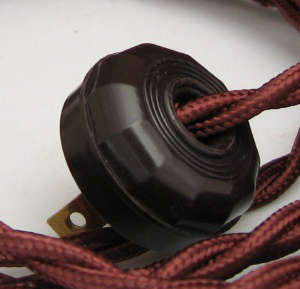
Twisted rayon wire is one of those small design details that quietly walks into a room, adjusts its vintage hat, and makes the lighting look ten times more intentional. In simple terms, it is an electrical cordusually made with copper conductors and modern insulationcovered with a braided rayon fabric jacket and twisted into a decorative spiral. It is commonly used for lamps, pendant lights, restoration projects, antique-style fixtures, chandeliers, sconces, and custom lighting designs.
The phrase “twisted rayon wire” can sound like something from an old hardware catalog, but the product itself is still very useful today. Designers love it because it looks warmer and more refined than plain plastic cord. DIYers like it because it helps a handmade lamp feel less like a weekend experiment and more like something that belongs in a boutique hotel lobby. Restoration enthusiasts use it because it echoes the look of early 20th-century lamp cord while still allowing modern wiring materials underneath.
The key word here is “decorative,” but that does not mean “fake.” Twisted rayon wire is real electrical wire. The rayon braid is typically an outer fabric covering, while the actual electrical performance depends on the conductors, insulation, gauge, voltage rating, temperature rating, listing status, and the way the cord is installed. In other words: the pretty jacket gets the applause, but the copper and insulation do the heavy lifting.
Why Rayon? The Beauty Behind the Braid
Rayon is a manufactured cellulosic fiber, often valued for its silky sheen and soft drape. When used as a braided covering on lamp wire, rayon gives the cord a smoother, more polished appearance than rougher natural fibers. It can look vintage, industrial, elegant, or playful depending on the color and fixture design. Black twisted rayon wire feels classic and grounded. Gold or bronze can lean antique and warm. White or ivory looks clean and soft. Red, blue, or patterned rayon wire says, “Yes, I own a personality, and my lamp does too.”
Compared with plain PVC lamp cord, cloth-covered wire adds texture. That texture matters because exposed cord is often part of the design in pendant lighting, swag lamps, pulley lights, and open-bulb fixtures. Instead of hiding the cord like an embarrassing cable spaghetti incident behind a desk, twisted rayon wire lets the cord become part of the visual composition.
How Twisted Rayon Wire Is Built
Most twisted rayon wire used for lighting includes two or three insulated conductors. Two-conductor wire is common for many table lamps and pendant fixtures that do not require a ground. Three-conductor wire includes a grounding conductor and is typically used when the fixture design or code requirements call for grounding, especially with metal components.
The conductors are often stranded copper, which helps the cord remain flexible. Around those conductors is electrical insulation, commonly PVC or a similar thermoplastic material. The rayon braid sits outside as a decorative textile layer. In twisted pair styles, each insulated conductor may be individually covered and then twisted together. In round pendant cord styles, the conductors may be bundled inside a round jacket and then covered with rayon braid.
Common Technical Terms You Will See
AWG stands for American Wire Gauge. Many lamp cords use 18 AWG conductors, a common size for low-power lighting applications. 18/2 means 18-gauge wire with two conductors. 18/3 means 18-gauge wire with three conductors, usually including a ground. SPT-1 and SPT-2 are common lamp cord categories. SPT-2 generally has thicker insulation than SPT-1, which may be preferred where a little more durability is useful.
You may also see ratings such as 300V, 600V, 60°C, or 105°C. These ratings matter. They are not decorative numbers tossed onto packaging for dramatic effect. They tell you the voltage and temperature conditions the cord is designed to handle. For most home lamp projects, the practical question is not “What looks amazing?” but “What looks amazing and is correctly rated for the job?” The second version is much less likely to cause regrettable excitement.
Best Uses for Twisted Rayon Wire
Twisted rayon wire is especially popular in projects where the cord remains visible. It is a favorite for exposed pendant lights above kitchen islands, bedside hanging lamps, antique lamp rewiring, Edison-bulb fixtures, decorative wall sconces, vintage fans, and custom lighting installations. It can also be used in theater props, display lighting, and boutique retail environments where visual detail matters.
Vintage Lamp Restoration
For antique lamps, twisted rayon wire helps preserve the period-inspired look without relying on unsafe original wiring. Many older lamps still have brittle, cracked, or cloth-covered cords from decades past. Replacing those cords with modern-rated cloth-covered wire can improve appearance and safety. The goal is not to keep every ancient part just because it is old. Some old things deserve respect; some deserve retirement and a quiet drawer somewhere.
Pendant Lighting
In pendant lighting, the cord often hangs in plain sight. A plain cord can look unfinished, especially in a carefully designed kitchen, café, reading nook, or studio. Twisted rayon wire adds detail from ceiling canopy to socket. It pairs beautifully with brass, matte black metal, porcelain sockets, wood accents, and vintage-style bulbs.
Decorative DIY Lamps
If you are building a lamp from a ceramic vase, wooden block, metal pipe, glass bottle, or thrift-store treasure, twisted rayon wire can make the finished piece look deliberate. The cord becomes part of the design instead of an afterthought. This is especially helpful when the lamp has an open frame or when the cord exits through a visible point.
Twisted Rayon Wire vs. Parallel Cloth-Covered Wire
Twisted rayon wire and parallel cloth-covered wire are close relatives, but they create different looks. Parallel cord usually has conductors running side by side in a flat shape. It is tidy, familiar, and easy to route along surfaces. Twisted wire has a spiral form that feels more decorative and old-fashioned. It looks especially good when hanging freely, because the twist catches light and creates visual movement.
For table lamps, either style can work depending on the design. For pendant lights and exposed applications, twisted rayon wire often looks more intentional. For areas where the cord must lie flat against a wall or pass through a narrow channel, parallel cord may be easier to manage. Choosing between them is partly technical and partly aestheticlike choosing between loafers and boots. Both can be correct; one just fits the outfit better.
How to Choose the Right Twisted Rayon Wire
Start with the fixture, not the color. Color is fun, but safety comes first. Determine whether the fixture needs two conductors or three. If the lamp or fixture has metal parts that must be grounded, choose an appropriate grounded cord and compatible plug or canopy setup. Next, confirm the wire gauge and electrical rating. For many lamp projects, 18 AWG is common, but the correct choice depends on the fixture load, cord length, installation type, and applicable code.
Look for wire that is clearly labeled with its specifications. Good product listings should identify conductor count, gauge, voltage rating, temperature rating, insulation type, and whether the product is UL listed or otherwise certified. If a product only says “cute vintage wire” and nothing else, admire it from a safe distance and keep shopping.
Consider UL Listing and Local Code
For installed lighting, public-facing spaces, rental properties, and anything you plan to sell, listing and compliance matter. UL-listed wire or cord assemblies provide a higher level of confidence that the product has been evaluated to recognized safety standards. Local electrical codes can vary, and some projects should be handled by a licensed electrician. A beautiful pendant is not worth arguing with your insurance company later.
Match the Cord to the Fixture
Always match the cord to the socket, plug, strain relief, canopy, and fixture body. A cord that is too thick may not fit through hardware. A cord that is too thin may not grip securely in strain relief. If the wire passes through metal, use proper bushings or grommets to prevent abrasion. Sharp metal edges and electrical insulation are not friends; they are a sitcom rivalry waiting for a bad season finale.
Installation Tips for a Cleaner Result
Working with cloth-covered wire requires patience. Rayon braid can fray when cut, so use sharp cutters and consider wrapping the cut area with tape before trimming. Strip only the insulation needed for the terminal connection. Avoid nicking copper strands. If the wire is stranded, keep the strands neat and fully captured under the screw terminal or connector. Loose strands can create shorts, heat, and other problems no one wants near a lampshade.
Use strain relief wherever the cord enters a socket, plug, canopy, or fixture body. Strain relief prevents the electrical connections from bearing the weight or pull of the cord. This is especially important for pendant lights, where the cord may support the fixture or experience movement over time.
Do Not Overload the Cord
Twisted rayon wire is often used for lamps and decorative lighting, not high-wattage appliances. Do not use it for heaters, power tools, kitchen appliances, or permanent wiring inside walls. Do not run it under rugs, through doorways, through ceilings, or anywhere heat cannot escape. If the cord becomes warm, damaged, pinched, cracked, or frayed, stop using it. “It still works” is not a safety inspection; it is famous last words wearing a lampshade.
Design Ideas That Make Twisted Rayon Wire Shine
For a vintage look, pair brown or antique brass rayon wire with aged brass sockets and warm white bulbs. For a modern farmhouse style, try black twisted rayon wire with matte black fixtures, clear glass shades, and wood accents. For a softer Scandinavian mood, white or cream rayon wire works beautifully with porcelain sockets and pale wood. For a playful studio or café, colored rayon wire can become a bold accent line.
In open shelving or reading corners, a visible twisted cord can add charm without clutter. In a kitchen, matching multiple pendant cords creates rhythm above an island. In a bedroom, swagged rayon cord can make a plug-in pendant look intentional rather than temporary. The secret is consistency: match the wire color to other finishes in the room or use it as a controlled contrast.
Maintenance and Care
Twisted rayon wire should be kept dry, clean, and protected from abrasion. Dust it gently with a dry cloth or soft brush. Avoid harsh cleaners, soaking, or scrubbing the braid. If the cord is in a kitchen or workshop, keep it away from grease, water, sharp edges, and heat sources. Rayon may look delicate, but the real issue is not cosmetic aging; it is whether the underlying insulation and conductors remain safe.
Inspect the entire cord periodically. Look near plugs, sockets, strain relief points, and bends. These areas experience the most stress. If the braid is badly worn or the insulation is exposed, replace the cord. Electrical tape is not a long-term repair for a damaged lamp cord. It is a temporary bandage at best, and sometimes not even a very good one.
Common Mistakes to Avoid
The first mistake is choosing wire by color alone. The second is assuming all cloth-covered wire is the same. Some products are decorative only, some are rated for specific lighting uses, and some are not listed. Read the specifications carefully. The third mistake is skipping strain relief. The fourth is using two-conductor cord when a grounded fixture requires three conductors. The fifth is treating a lamp rewiring project like a craft project with electricity sprinkled on top. It is still electrical work.
Another common mistake is buying too little wire. Measure the full path, including slack, knots, loops, canopy height, plug distance, and any internal routing. Add extra length for stripping and mistakes. Wire has a charming habit of becoming too short exactly when the project is almost finished.
Real-World Experience With Twisted Rayon Wire
Working with twisted rayon wire feels different from working with ordinary plastic lamp cord. The first thing most people notice is that it makes the project look better immediately. Even before the socket is installed, the cord itself looks like a design choice. That can be surprisingly motivating. A table lamp with a plastic cord may look repaired; the same lamp with a carefully chosen rayon-covered twisted cord can look restored.
One practical experience is that color choice matters more in person than it does on a screen. Black is almost always safe, but it can look heavy on delicate fixtures. Brown and antique brass shades work beautifully with warm metals and wood bases. White and ivory look elegant, but they also show dust and handling marks more easily. Bright colors are fantastic when the cord is meant to be a feature, but they can feel loud if the rest of the room is quiet. The cord may be small, but visually it can raise its hand and shout.
Another lesson: cutting the braid cleanly is worth the extra minute. If the rayon frays, the end can look messy and make installation harder. Wrapping the cutting point with painter’s tape or electrical tape before trimming can help keep the braid controlled. Sharp cutters are essential. Dull cutters chew the fabric and flatten the conductors, which is about as helpful as using a butter knife to trim a bonsai tree.
Routing the wire through hardware is another area where experience helps. Some vintage-style sockets and strain reliefs have tight openings. A round cloth-covered cord may not fit the same hardware as a flat SPT cord. Before assembling the entire fixture, dry-fit the cord through every part: plug, socket cap, bushing, canopy, threaded rod, and strain relief. This five-minute test can save a full hour of muttering later.
Twisted rayon wire also rewards neat planning. Because the twist is visible, awkward bends or uneven loops stand out. For pendant lights, let the cord hang naturally before final tightening. For swag lamps, create smooth curves rather than sharp angles. For table lamps, make sure the exit point from the base is clean and protected. A beautiful cord should not look like it escaped from the fixture during a tiny electrical emergency.
Finally, the best experience comes from treating twisted rayon wire as both a design material and an electrical component. It is not just “pretty cord.” It is part of the fixture’s structure, safety, and style. When selected correctly, installed carefully, and matched with the right hardware, it can turn a simple lamp into a finished piece. When chosen carelessly, it can create frustration or safety risks. The good news is that a little knowledge goes a long way. Measure twice, check ratings, use proper hardware, and give the cord the respect it deserves. Your lamp will look better, work better, and avoid becoming the most dramatic object in the room for all the wrong reasons.
Conclusion
Twisted rayon wire combines old-school charm with modern lighting practicality. It brings texture, color, and character to lamps, pendants, sconces, and restoration projects while allowing the electrical work to stay properly rated and thoughtfully assembled. The best results come from choosing the right conductor count, gauge, rating, listing status, and hardwarenot just the prettiest braid on the shelf. Use it where the cord is meant to be seen, protect it where it passes through fixture parts, and never treat decorative wiring as a shortcut around electrical safety. Done well, twisted rayon wire is a small upgrade with a big visual payoff.