

Note: This article is written for general educational purposes and is based on established medical information from reputable U.S. health sources. It is not a substitute for professional medical advice, diagnosis, or treatment.
Introduction: Why the Hip Bone Connection Matters More Than You Think
The phrase “WebMD Video The Hip Bone Connection” sounds almost like the opening line of an old anatomy song: the hip bone is connected to the thigh bone, the thigh bone is connected to your entire ability to walk to the fridge without drama. Cute? Yes. Important? Very. The hip is one of the hardest-working structures in the human body, quietly supporting your weight, powering your stride, stabilizing your balance, and letting you sit, stand, bend, dance, climb stairs, and occasionally attempt a “quick stretch” that turns into a full-body negotiation.
At the center of the hip bone connection is a beautifully engineered ball-and-socket joint. The rounded top of the femur, called the femoral head, fits into the acetabulum, a cup-shaped socket in the pelvis. This design gives the hip a rare combination of mobility and strength. It moves in several directions while still carrying much of your body weight. That is not a small job. Your hip is basically the office manager of your skeleton: keeping everyone moving, solving problems silently, and only getting noticed when something goes wrong.
The WebMD-style message behind “The Hip Bone Connection” is simple: strong hips depend on strong bones, steady muscles, healthy joints, good balance, and smart prevention. Hip fractures, osteoporosis, arthritis, falls, and mobility problems can change daily life quickly, especially for older adults. But the good news is that many hip-related risks can be reduced with better habits, early screening, home safety, exercise, and timely medical care.
What Is the Hip Bone Connection?
The hip joint connects the thigh bone, or femur, to the pelvis. More specifically, the femoral head sits inside the acetabulum. Smooth cartilage covers the bone surfaces so the joint can glide with less friction. Ligaments help hold the bones together. Tendons connect muscles to bones. Muscles around the hips, thighs, core, and buttocks support movement and balance. The result is a joint that can flex, extend, rotate, and bear weight without sending you a complaint email every morning.
The Main Parts of the Hip
The hip is not just “one bone.” It is a team effort. The pelvis includes the ilium, ischium, and pubis. These bones form the socket. The femur forms the ball. Cartilage cushions the joint. The labrum, a ring of cartilage around the socket, deepens the joint and helps with stability. Around the joint, muscles such as the gluteals, hip flexors, adductors, quadriceps, and hamstrings coordinate movement.
This is why hip pain can be tricky. Pain near the hip may come from the joint itself, surrounding muscles, bursae, tendons, the lower back, or even the sacroiliac joint. In plain English: the hip neighborhood is crowded, and several residents can complain at once.
Why Healthy Hip Bones Are Essential
Your hip bones help transfer force between the upper and lower body. Every time you walk, stand, climb stairs, squat, or carry a backpack, your hips help distribute load. Healthy bones are dense enough to resist fractures. Healthy joints allow motion. Healthy muscles protect the joint and reduce fall risk. When any part of this system weakens, movement becomes harder and injury becomes more likely.
Bone health matters because bones are living tissue. They constantly remodel, breaking down old bone and building new bone. During childhood and young adulthood, the body builds bone mass. Later in life, bone loss can outpace bone rebuilding, especially with aging, hormonal changes, poor nutrition, inactivity, smoking, heavy alcohol use, certain medications, or medical conditions. When bone density drops enough, osteoporosis can develop.
Osteoporosis is often called a silent disease because people may not know they have it until a fracture happens. A hip fracture can be especially serious because it may require surgery, rehabilitation, and a long recovery period. It can also affect independence, confidence, and everyday routines. Nobody wants a bathroom trip to become an orthopedic plot twist.
Common Hip Problems Linked to the Hip Bone Connection
Osteoporosis
Osteoporosis weakens bones and increases fracture risk. The hip, spine, and wrist are common fracture sites. Risk rises with age, but osteoporosis is not limited to older adults. Low calcium or vitamin D intake, long-term steroid use, low body weight, family history, smoking, and certain health conditions can increase risk. Bone density screening, often done with a DXA scan, helps identify people who may benefit from treatment or prevention strategies.
Hip Fracture
A hip fracture is a break in the upper part of the femur, often near the femoral neck or intertrochanteric region. In younger people, hip fractures usually require significant trauma, such as a serious fall or accident. In older adults with weak bones, even a low-impact fall can cause a fracture. Symptoms may include severe hip or groin pain, inability to stand or walk, swelling, bruising, a shortened leg, or the leg turning outward.
Osteoarthritis
Hip osteoarthritis happens when cartilage gradually breaks down. Without enough cushioning, movement becomes painful and stiff. People often feel pain in the groin, thigh, buttock, or knee. Morning stiffness, pain after sitting, and reduced range of motion are common. Treatment may include exercise, weight management, physical therapy, medication, injections, or in advanced cases, hip replacement surgery.
Bursitis and Tendon Problems
Bursae are small fluid-filled sacs that reduce friction near joints. When irritated, they can cause pain on the outside of the hip. Tendon problems, including gluteal tendinopathy or hip flexor irritation, may also cause discomfort. These conditions often respond to activity modification, stretching, strengthening, physical therapy, and medical guidance.
Labral Tears and Hip Impingement
The hip labrum helps stabilize the joint. A tear may cause clicking, catching, stiffness, or deep groin pain. Femoroacetabular impingement occurs when the bones of the hip do not fit together smoothly, creating pinching during motion. These issues are more common in active people and may require imaging, physical therapy, or orthopedic evaluation.
Risk Factors for Hip Fracture and Bone Weakness
Some hip risks are obvious. Ice on the sidewalk? Risk. A dark hallway plus a loose rug? Risk with home décor ambitions. But other risks are quieter. Bone loss can happen gradually. Balance can decline slowly. Vision changes, medication side effects, muscle weakness, poor footwear, and cluttered living spaces can all increase the chance of falling.
Major Risk Factors
- Older age
- Osteoporosis or low bone mineral density
- Previous fracture
- Family history of osteoporosis or hip fracture
- Low body weight
- Smoking
- Heavy alcohol use
- Long-term corticosteroid use
- Poor balance or muscle weakness
- Vision problems
- Home hazards such as loose rugs, poor lighting, or slippery bathrooms
The key takeaway is that hip protection is not just about bones. It is about the entire system: bones, muscles, balance, vision, medications, environment, and lifestyle. A strong hip strategy is like a good security system. You want several layers, not one lonely alarm bell.
How to Strengthen the Hip Bone Connection
1. Do Weight-Bearing Exercise
Weight-bearing activities make your body work against gravity. Walking, stair climbing, dancing, hiking, and low-impact aerobics can help maintain bone and muscle strength. The goal is not to train like an Olympic athlete. The goal is to remind your bones that they have a job and that retirement is not approved.
2. Add Resistance Training
Strength training supports both bone and muscle. Exercises such as squats, step-ups, bridges, resistance band walks, and leg presses can strengthen the muscles that stabilize the hips. Stronger muscles improve balance and reduce strain on the joint. Beginners should start slowly and consider guidance from a physical therapist or qualified trainer, especially if they already have hip pain or osteoporosis.
3. Practice Balance Training
Balance training is one of the most underrated hip-protection tools. Tai chi, single-leg stands, heel-to-toe walking, and controlled mobility drills can improve stability. Better balance lowers fall risk, which lowers fracture risk. Think of it as teaching your body not to panic every time the floor gets creative.
4. Get Enough Calcium and Vitamin D
Calcium helps build and maintain bone structure. Vitamin D helps the body absorb calcium. Many people can get calcium from dairy foods, fortified plant milks, leafy greens, tofu, canned fish with bones, and fortified foods. Vitamin D may come from sunlight, fortified foods, fatty fish, or supplements when recommended. However, supplements are not magic shields. The best approach depends on diet, age, blood levels, medical history, and a clinician’s advice.
5. Eat Enough Protein
Protein supports muscle and bone health. A diet that includes lean meats, fish, eggs, dairy, beans, lentils, soy foods, nuts, and seeds can support the tissues that help protect the hip joint. Bone health is not built on calcium alone. It is more like a construction project: calcium is important, but protein, vitamin D, magnesium, vitamin K, movement, and hormones all show up wearing hard hats.
6. Make the Home Safer
Many hip fractures happen after falls at home. Simple changes can make a major difference. Remove loose rugs, clear walkways, improve lighting, install grab bars in bathrooms, use non-slip mats, secure cords, and add railings on stairs. These upgrades may not make your home look like a luxury spa, but they can make it much safer.
7. Review Medications and Vision
Some medications can cause dizziness, sleepiness, or balance problems. Regular medication reviews with a doctor or pharmacist can help reduce fall risk. Eye exams also matter because poor vision increases the chance of tripping. Updated glasses may not sound exciting, but neither does meeting the floor unexpectedly.
When to See a Doctor for Hip Pain
Occasional mild hip discomfort after activity may improve with rest, gentle movement, and better mechanics. But certain symptoms deserve medical attention. See a healthcare provider if hip pain lasts more than a few days, worsens over time, limits walking, causes swelling, follows a fall, or comes with fever, redness, numbness, or unexplained weight loss.
Seek urgent care after a fall if there is severe hip or groin pain, inability to stand, inability to bear weight, visible deformity, significant swelling, or a leg that appears shortened or turned outward. A hip fracture is not a “walk it off” situation. It is a “please let qualified medical professionals handle this” situation.
Diagnosis: What Tests May Be Used?
Doctors may diagnose hip problems through a medical history, physical exam, range-of-motion testing, gait evaluation, and imaging. X-rays can show fractures, arthritis, and bone changes. MRI may help identify stress fractures, labral tears, soft tissue injuries, or problems not visible on X-ray. CT scans may be used for complex fractures. Bone density testing helps evaluate osteoporosis risk.
Treatment Options for Hip Problems
Treatment depends on the cause. A strained muscle is very different from a hip fracture. Mild soft tissue problems may improve with rest, ice, activity changes, physical therapy, and anti-inflammatory strategies recommended by a clinician. Osteoarthritis may require a long-term plan that includes exercise, weight management, pain control, mobility support, and sometimes surgery.
Hip fractures often require prompt medical care and may need surgical repair or partial or total hip replacement. Rehabilitation after surgery helps restore mobility, strength, and confidence. Recovery may include physical therapy, occupational therapy, fall-prevention planning, nutrition support, and osteoporosis treatment when appropriate.
For osteoporosis, treatment may include lifestyle changes, fall prevention, calcium and vitamin D optimization, and medications that slow bone loss or help build bone. A clinician may recommend treatment based on bone density results, fracture history, age, and overall risk.
Specific Examples: Everyday Hip-Saving Habits
The Desk Worker
A person who sits most of the day may develop tight hip flexors and weak glute muscles. A practical plan could include standing breaks every hour, short walks, hip flexor stretches, glute bridges, and resistance band exercises. The hip does not appreciate being folded like a lawn chair for eight hours straight.
The Weekend Walker
Someone who walks long distances on weekends but does little during the week may develop soreness from sudden load changes. A better strategy is to build activity gradually. Several shorter walks during the week can prepare the hips for longer weekend movement.
The Older Adult at Fall Risk
An older adult with balance issues may benefit from a fall-risk assessment, vision check, medication review, strength training, tai chi, home safety changes, and osteoporosis screening. Prevention works best before the fall, not after the emergency room paperwork.
The Athlete with Groin Pain
An athlete with deep groin pain, clicking, or catching may need evaluation for hip impingement or a labral tear. Continuing to push through pain may worsen the problem. Smart athletes know that rest and diagnosis are not weakness; they are maintenance.
Experiences Related to “WebMD Video The Hip Bone Connection”
Watching or reading health content like “WebMD Video The Hip Bone Connection” can be surprisingly useful because it turns an invisible topic into something practical. Most people do not think about their hip bones until pain, stiffness, or a fall forces the issue. The best health education videos do something important: they make the body feel less mysterious. Once people understand that the hip is not just a single “spot” but a connection between the pelvis, femur, cartilage, muscles, ligaments, and balance system, they often start making smarter choices.
One common experience is the “I had no idea” moment. A person may think hip fractures happen only after major accidents, then learn that osteoporosis can make bones fragile enough to break after a simple fall. That realization can be uncomfortable, but it is also empowering. It may encourage someone to ask about bone density screening, clean up home hazards, improve lighting, or start balance exercises. In other words, knowledge becomes action. That is a good trade.
Another experience is noticing how connected the hip is to everything else. A stiff hip can change the way someone walks. A weak glute muscle can affect knee alignment. Poor balance can increase fall risk. Back pain can refer discomfort toward the hip area. Suddenly, “hip health” is not just about one joint. It becomes a full-body conversation. This is why physical therapists often look at gait, core strength, posture, ankle mobility, and daily habits instead of only pointing to the painful area and saying, “Yep, that is the problem.”
For many adults, the most relatable lesson is that prevention does not need to be dramatic. You do not have to buy futuristic exercise machines, drink neon-colored bone smoothies, or train in a mountain cave with a wise orthopedic monk. Simple routines matter. Walking regularly, doing strength exercises two or three times a week, practicing balance, eating enough protein, getting enough calcium and vitamin D, and making the bathroom less slippery can all support hip safety.
People recovering from hip injuries often describe a new respect for basic movement. Standing from a chair, stepping into a car, climbing stairs, or getting dressed can suddenly feel like complicated choreography. That experience can be frustrating, but it also highlights how valuable the hip bone connection really is. The hip is involved in nearly every transition between rest and movement. When it works well, life feels normal. When it does not, ordinary tasks become puzzles.
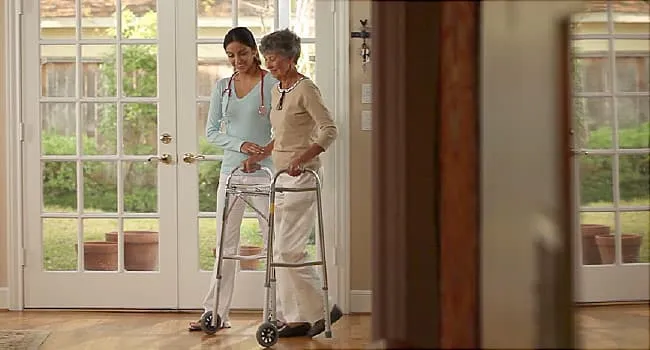
Caregivers may also relate strongly to this topic. Helping a parent or grandparent after a fall can be emotionally and physically demanding. Many families learn about grab bars, walkers, medication reviews, and rehabilitation only after an injury. A better experience is learning early and preparing the home before a crisis. Prevention may not feel urgent when everything is fine, but it can protect independence later.
The most encouraging experience is that hip health can often improve with consistent effort. People who start gentle strengthening may notice better stability. Those who address osteoporosis may reduce future fracture risk. People who improve footwear, lighting, and home layout may feel more confident moving around. The hip bone connection is not just anatomy; it is freedom, balance, movement, and independence. Treat it well, and it usually returns the favor without asking for applause.
Conclusion: Keep the Hip Bone Connection Strong
The message behind “WebMD Video The Hip Bone Connection” is bigger than a catchy title. Your hips are central to mobility, balance, strength, and independence. They connect your upper and lower body, absorb force, support movement, and help keep you upright. Protecting them means caring for bones, joints, muscles, balance, nutrition, and your living environment.
Healthy hips do not happen by accident. They are built through regular movement, strength training, smart nutrition, fall prevention, medical screening, and early attention to pain or weakness. Whether you are trying to prevent osteoporosis, reduce hip fracture risk, manage arthritis, or simply keep walking comfortably, the same principle applies: small daily choices can protect big body parts. And the hip, being the humble superstar that it is, deserves the VIP treatment.