

A neck pillow looks simple. It is soft, curved, portable, and usually shaped like it wants to hug your head. But use it the wrong way, and it can turn from “tiny comfort cloud” into “why does my neck feel like a folding chair?” The secret is not just owning a neck pillow. The secret is knowing how to use a neck pillow so your head, neck, shoulders, and spine stay in a comfortable, neutral position.
Whether you are sleeping in bed, taking a red-eye flight, surviving a long road trip, or pretending to nap in an airport chair while guarding your backpack like a dragon guards treasure, proper neck pillow use can make a real difference. A good neck pillow supports the natural curve of your cervical spine, reduces awkward bending, and helps prevent that stiff, cranky neck feeling that can ruin a morning faster than cold coffee.
This guide explains how to use a neck pillow in bed or while traveling, how to choose the right pillow for your sleep position, common mistakes to avoid, and practical comfort tips for real-life situations.
What Is a Neck Pillow?
A neck pillow is a supportive pillow designed to help keep your neck aligned with the rest of your spine. Some neck pillows are made for sleeping in bed, while others are designed for travel. Bed neck pillows may be contoured, cervical-shaped, memory foam, latex, adjustable, or roll-style. Travel neck pillows are often U-shaped, wraparound, inflatable, compressible, or scarf-like.
The goal is the same in both cases: support the neck without forcing the head too far forward, backward, or sideways. Your neck is not a bendy straw. It likes support, balance, and reasonable working conditions.
Why Neck Alignment Matters
Your neck has a natural curve. When you sleep or sit for a long time, your pillow should help maintain that curve instead of exaggerating it. A pillow that is too high may push your chin toward your chest. A pillow that is too low may let your head tilt backward. A pillow that is too soft may collapse, while one that is too firm may create pressure points.
Good neck pillow positioning keeps your ears, shoulders, and hips generally aligned. In bed, that means your head should not be hiking uphill or sinking into a pillow swamp. While traveling, it means your head should not bob forward every five minutes like you are agreeing with an invisible committee.
How to Use a Neck Pillow in Bed
1. Match the Pillow to Your Sleep Position
The best way to use a neck pillow in bed depends on whether you sleep on your back, side, or stomach.
Back sleepers usually need a medium or lower-loft neck pillow that supports the curve of the neck while allowing the back of the head to rest comfortably. A cervical pillow with a slight roll under the neck and a shallow dip for the head can work well.
Side sleepers usually need a thicker pillow because the pillow must fill the space between the mattress and the ear. The goal is to keep the head level, not tilted down toward the mattress or lifted up like a question mark.
Stomach sleepers face the toughest challenge. Sleeping on your stomach often forces the neck to rotate to one side for hours. If you cannot avoid stomach sleeping, a very thin pillow or no pillow under the head may reduce strain. Even better, try gradually shifting toward side or back sleeping.
2. Place the Neck Support Under the Curve of Your Neck
If your pillow has a raised edge, roll, or contour, that supportive part should sit under the natural curve of your neck, not under the back of your skull. Your head should rest in the flatter area. Think of it as a parking space: the neck gets support, the head gets a resting zone, and nobody parks sideways across three spaces.
If you are using a small neck roll, place it inside your pillowcase along the lower edge of your pillow. When you lie down, the roll should nestle under your neck. It should feel supportive, not like a foam speed bump.
3. Keep Your Chin Neutral
A simple test: when lying down, your chin should not be tucked tightly toward your chest or pointed toward the ceiling. If your chin drops too far downward, the pillow may be too high. If your chin points upward, the pillow may be too low or not supportive enough.
The right setup should feel relaxed across the jaw, shoulders, and upper back. If your neck muscles are working hard while you are lying still, your pillow is not doing its job. Fire the pillow. Hire a better one.
4. Use Knee or Body Support When Needed
Neck comfort is not only about the neck. Your spine works as a team. Back sleepers may feel better with a pillow under the knees to reduce lower back tension. Side sleepers may benefit from a pillow between the knees to keep the hips and spine better aligned.
This matters because when your lower body twists, your upper body often follows. A supportive neck pillow plus a knee pillow can make your sleep position feel more stable and less like you lost a wrestling match with your blankets.
5. Give a New Neck Pillow Time, But Not Forever
A new neck pillow can feel strange for the first few nights. Your body may need time to adjust, especially if you have been sleeping with a flat, worn-out pillow for years. Try it for several nights, but do not force yourself through ongoing pain.
Minor adjustment discomfort is one thing. Increasing pain, numbness, tingling, headaches, or shoulder symptoms are different. If a pillow makes symptoms worse, stop using it and consider speaking with a healthcare professional.
How to Use a U-Shaped Neck Pillow While Traveling
Travel pillows are made for seated sleep, which is not exactly nature’s favorite sleeping arrangement. Airplane seats, bus seats, and car seats rarely provide ideal neck support. A travel neck pillow helps limit head movement and reduce awkward side bending.
1. Position the Pillow Based on Where Your Head Falls
Most people wear a U-shaped travel pillow with the opening in front. That can work if your head tends to fall sideways. But if your head drops forward while you sleep, try rotating the pillow so the thicker support is under your chin or slightly to the front. This can help reduce forward head bobbing.
There is no law saying the open part of the U must face forward. Your neck pillow is not a wedding seating chart. Adjust it based on your body, seat angle, and sleep habit.
2. Tighten or Adjust the Pillow If It Has a Strap
Many modern travel pillows include a front clasp, drawstring, or adjustable strap. Use it. A loose pillow may slide around, leaving your neck unsupported when you actually fall asleep. Adjust the pillow so it feels secure but not tight. You should be supported, not gently strangled by memory foam.
3. Recline Slightly When Possible
If you can recline your seat a little, your travel pillow will usually work better. A slight recline reduces the tendency for the head to fall forward. Keep your upper back supported against the seat and avoid slumping. Slumping makes the neck work harder and can leave you sore after a long trip.
On flights, be considerate before reclining. Check behind you, move slowly, and remember that the person behind you may be trying to eat noodles from a tray table the size of a postcard.
4. Use Extra Support for the Lower Back
Long travel often creates lower back fatigue, which can affect neck posture. Place a small lumbar pillow, rolled jacket, or folded sweater behind your lower back. When your lower back is supported, your shoulders and neck are more likely to stay relaxed.
This simple travel hack can make an economy seat feel slightly less like furniture designed by someone who has never met a spine.
5. Take Movement Breaks
A neck pillow helps, but it cannot replace movement. During long flights or road trips, change position when you can. Stand, walk the aisle when allowed, roll your shoulders gently, and reset your posture. If you are driving, stop regularly to stretch.
Even the best travel neck pillow cannot save you from sitting completely still for eight hours in the posture of a tired shrimp.
How to Use an Inflatable Neck Pillow
Inflatable neck pillows are popular because they pack small and adjust easily. The biggest mistake is overinflating them. A pillow filled until it feels like a pool toy may push your head into an awkward position.
Inflate the pillow until it feels supportive but still slightly flexible. Test it against your neck before your trip begins. If you are on a plane, you may need to adjust the air level during the flight because cabin pressure and comfort needs can change.
How to Use a Memory Foam Neck Pillow
Memory foam neck pillows contour to your head and neck. In bed, place the contour under your neck and let your head settle into the pillow’s center. While traveling, compress the pillow before packing, then give it time to expand before use.
Memory foam can feel warmer than other materials, so choose a breathable cover if you sleep hot. Also, check the care label. Many memory foam pillows should not be machine-washed as a whole, though covers are often washable.
Common Neck Pillow Mistakes to Avoid
Using a Pillow That Is Too High
A pillow that is too high bends the neck forward and may lead to morning stiffness. If your chin is pushed toward your chest, choose a lower pillow or remove some fill from an adjustable pillow.
Using Too Many Pillows
Stacking pillows may feel cozy at first, but it can force your neck into an unnatural angle. One supportive pillow is usually better than a leaning tower of fluff.
Letting the Pillow Collapse
If your pillow becomes flat, lumpy, or unsupportive, it may be time to replace it. A pillow that worked two years ago may now be doing a very convincing impression of a pancake.
Ignoring Shoulder Width
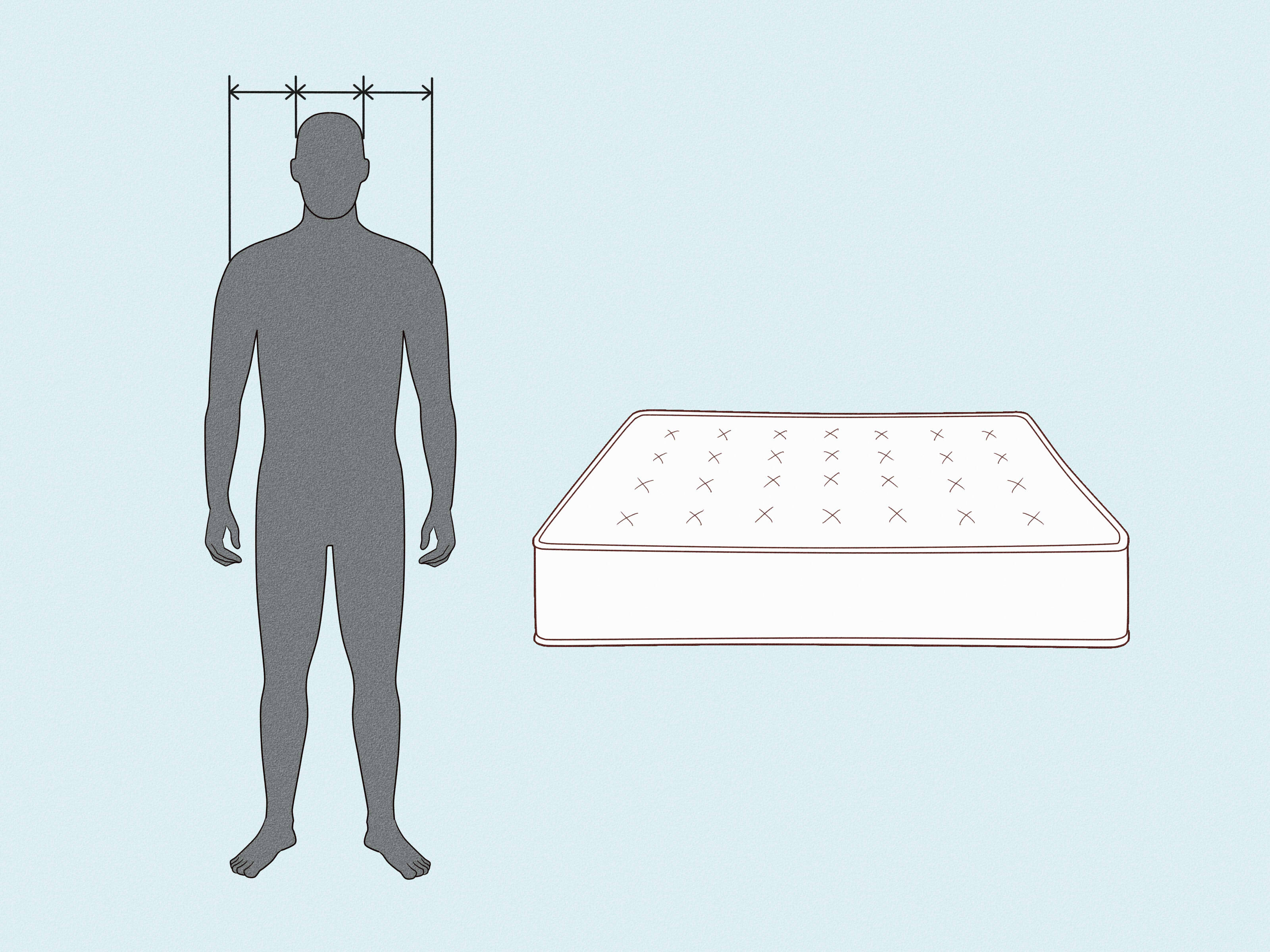
Side sleepers with broader shoulders often need more loft. Smaller-framed sleepers may need less. The right pillow height depends on your body, mattress firmness, and sleep position.
Assuming Travel Pillows Are One-Size-Fits-All
Some travelers need side support. Others need chin support. Some prefer wraparound designs, while others like inflatable pillows. Try different positions before deciding a travel pillow does not work.
How to Choose the Best Neck Pillow for Bed
When shopping for a neck pillow for sleeping, focus on fit instead of hype. A good pillow should support your neck, match your sleep position, and feel comfortable for several hours.
- Back sleepers: Look for medium support, lower loft, or a cervical contour.
- Side sleepers: Choose enough height to fill the shoulder-to-neck gap.
- Combination sleepers: Consider an adjustable pillow with removable fill.
- Hot sleepers: Look for breathable covers, latex, cooling foam, or ventilated designs.
- People with neck pain: Choose support that keeps the neck neutral without forcing it forward.
How to Choose the Best Neck Pillow for Travel
A travel neck pillow should be portable, supportive, and easy to clean. The best option depends on your travel style.
- For flights: Choose a pillow that supports side and forward head movement.
- For road trips: Use a pillow that works with your seat and seatbelt position.
- For backpacking: Pick an inflatable or compressible design.
- For frequent travel: Choose a washable cover and durable materials.
- For upright sleeping: Consider wraparound support or an adjustable clasp.
When Should You Replace a Neck Pillow?
Replace your neck pillow when it no longer supports your head and neck, has permanent lumps, smells unpleasant even after cleaning, or causes you to wake with stiffness. Adjustable pillows may last longer because you can add or remove fill, but they still need regular care.
A quick test: fold or press the pillow. If it does not return to shape or feels uneven, it may be ready for retirement. Give it a respectful farewell. It served. It sagged. It must go.
How to Clean and Care for a Neck Pillow
Always follow the manufacturer’s care label. Many pillow covers can be machine-washed, but foam inserts often require spot cleaning. Inflatable pillows can usually be wiped down. Travel pillows need more frequent cleaning because airports, buses, and train stations are not exactly spa environments.
Use a washable cover when possible. Let foam pillows air out fully before putting them back on the bed or into luggage. Keeping your pillow clean helps with comfort, freshness, and durability.
When to See a Healthcare Professional
A neck pillow can help with comfort and positioning, but it is not a cure for every type of neck pain. Seek medical advice if neck pain is severe, follows an injury, lasts more than a few weeks, or comes with numbness, tingling, weakness, balance problems, fever, unexplained weight loss, or pain that travels into the arm.
Also, if you wake up with frequent headaches, jaw pain, shoulder pain, or arm symptoms, your pillow may be only one part of the issue. Posture, mattress firmness, stress, screen habits, and underlying conditions can all contribute.
Real-World Experience Notes: Using a Neck Pillow in Bed or While Traveling
In everyday life, the best neck pillow is usually the one you barely notice after five minutes. That sounds boring, but boring is good. A pillow that screams “Look at my ergonomic engineering!” while making your neck ache is not a hero. It is a decorative problem.
For bed use, many people discover that small changes matter more than dramatic pillow upgrades. For example, a back sleeper may not need a giant contoured pillow. They may simply need a flatter pillow with a small roll under the neck. A side sleeper may realize their pillow is too thin only after checking a mirror or asking someone to look at their alignment. If the nose points slightly downward or upward while lying on the side, the pillow height is probably off.
One helpful habit is the “morning report.” After trying a neck pillow, notice how you feel when you wake up. Is your neck relaxed? Are your shoulders less tense? Did you sleep longer without flipping around? Or did you wake up feeling like your pillow challenged you to a wrestling match and won? Your body gives feedback. Listen to it.
For travel, testing the pillow before leaving home is surprisingly useful. Do not wait until boarding group six to discover that your new pillow pushes your headphones off, blocks your earbuds, traps heat, or makes you look like you are wearing a foam life preserver. Sit in a chair, lean back, and try the pillow in different positions. Put the opening in front, then to the side, then behind. Adjust the clasp if it has one. A two-minute test at home can prevent six hours of regret in seat 34B.
Another real-world tip: pair the neck pillow with smart seat posture. If your lower back collapses, your neck usually follows. A rolled hoodie behind the lower back can improve the whole setup. On planes, placing the pillow slightly higher or lower can change support dramatically. In cars, never place a bulky pillow where it interferes with the seatbelt or headrest safety function.
Temperature also matters. Some memory foam pillows feel wonderful for ten minutes and then become a personal neck sauna. If you run warm, use a breathable cover or choose a lighter travel pillow. If you get cold on flights, a soft wraparound pillow can double as comfort gear.
Finally, do not expect a neck pillow to perform miracles if the rest of the setup is working against you. A bad mattress, old pillow, cramped seat, heavy backpack, poor screen posture, and stress-tight shoulders can all contribute to discomfort. A neck pillow is a useful tool, not a tiny orthopedic wizard. Use it correctly, adjust it honestly, and combine it with movement, hydration, and better posture. Your neck will appreciate the teamwork.
Conclusion
Learning how to use a neck pillow in bed or while traveling is mostly about one principle: keep your neck neutral and supported. In bed, match the pillow to your sleep position, place the support under the neck curve, and avoid extreme angles. While traveling, adjust the pillow based on how your head moves, support your lower back, and take movement breaks when possible.
The right neck pillow can help you sleep more comfortably, wake up with less stiffness, and survive long trips with your dignity mostly intact. The wrong pillow, or the right pillow used badly, can leave your neck feeling like it filed a formal complaint. Choose carefully, position wisely, and remember: comfort is not about the fluffiest pillow. It is about the smartest support.