

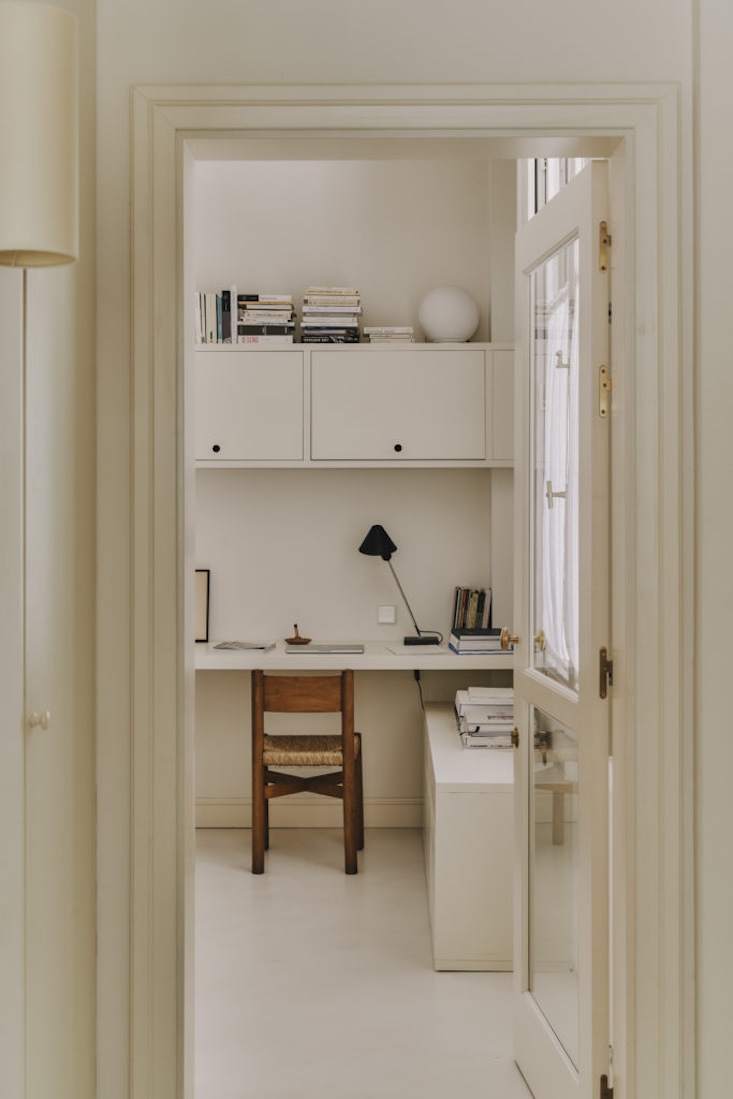
Note: This article is written as an original lifestyle and design feature inspired by the modern idea of reclaiming off-hours: the after-work, weekend, and in-between moments when life finally stops asking for a password reset.
There is a special kind of magic in the phrase off hours. It sounds simple enough: the laptop closes, the emails stop barking, and the day loosens its tie. But in real life, off-hours have become one of the most valuable luxuries of modern living. Not because they require a plane ticket, a five-star hotel, or a personal chef named Marco who says “beautiful” every time he plates toast. They matter because they are the few hours when we get to return to ourselves.
Current Obsessions: Off Hours is less about doing nothing and more about doing something that feels human. It is the art of choosing candlelight over ceiling glare, soup over sad desk salad, a neighborhood walk over one more scroll through people pretending to be relaxed online. It is about cozy textiles, casual gatherings, backyard rituals, handwritten lists, slow hobbies, and rooms designed for actual living instead of just looking pretty on a screen.
In a culture where work can follow us from the office to the couch to the pillow like a needy golden retriever, protecting personal time has become a design choice, a wellness practice, and, frankly, a small act of rebellion. Let’s explore why off-hours are having a well-deserved momentand how to make them feel richer, warmer, and more restorative without turning leisure into another job with throw pillows.
What “Off Hours” Really Means Now
Off-hours used to be easy to define. Work ended when you left the workplace. Then came smartphones, remote work, group chats, cloud documents, and the tiny red notification badge that somehow has the emotional power of a fire alarm. Now, off-hours are not just a time of day. They are a boundary.
At their best, off-hours are the hours when productivity is not the main character. They are the stretch of evening when dinner simmers, the Saturday morning when nobody rushes, the Sunday afternoon when laundry exists but does not get to run the whole government. They are also the moments when a home becomes more than a storage unit for tired humans. It becomes a retreat, a workshop, a dining room, a tiny cinema, a reading corner, a nap headquarters, and occasionally a sock-losing laboratory.
The New Luxury Is Unscheduled Time
Modern luxury is shifting away from excess and toward ease. The dream is not always a bigger closet or a marble island large enough to host a congressional hearing. Sometimes the dream is a quiet hour with coffee, a soft chair, a clean blanket, and no one saying, “Can you jump on a quick call?”
That is why today’s off-hours obsession connects so naturally with home design. People want interiors that support decompression: layered lighting, flexible seating, natural textures, warm colors, and spaces that invite gathering without demanding perfection. A room that looks flawless but feels stiff is not relaxing. A room with a good lamp, a soft rug, a stack of books, and a slightly dramatic bowl of oranges? That has range.
Why We Are Craving Better After-Work Rituals
The modern workday has become porous. Messages arrive early, late, and during times once reserved for eating cereal in peace. Hybrid and remote work have given many people flexibility, but they have also blurred the line between “working from home” and “living at work with better snacks.” The result is a growing appetite for rituals that mark the end of the workday in a real, physical way.
An after-work ritual does not need to be elaborate. In fact, the best ones are usually boring in the most beautiful way. Put the laptop in a drawer. Change into softer clothes. Take a ten-minute walk. Turn on a lamp instead of the overhead light. Start dinner before answering personal texts. Water the plants. Play music. These small signals tell the brain, “The shift is over. You may now resume being a person.”
The Power of the Closing Ceremony
Think of your workday like a restaurant kitchen. At some point, the knives get cleaned, the counters get wiped, and the lights go down. Without a closing ceremony, work keeps leaking into the evening. A simple shutdown routine can include writing tomorrow’s top three tasks, closing all tabs, setting a “do not disturb” schedule, and physically leaving the workspaceeven if that means moving from one side of the dining table to the other.
It sounds almost too basic, but physical cues matter. A basket for work notebooks, a cabinet for tech, or even a small tray where devices “sleep” can help separate work mode from home mode. Design is not only about what looks good. It is about what behavior becomes easier.
Cozy Textiles Are Doing Emotional Labor
One reason off-hours style feels so appealing is that it gives texture a starring role. Linen napkins, wool throws, quilted blankets, nubby pillows, cotton pajamas, soft socks, and worn-in upholstery all say the same thing: stay awhile.
Textiles are the quickest way to make a home feel less like a showroom and more like a place where people laugh too loudly, eat cake on small plates, and fall asleep during the movie they insisted they were “totally watching.” A blanket draped over a chair is not clutter when it is used. It is an invitation.
How to Layer Without Creating a Fabric Avalanche
The secret is contrast. Pair smooth cotton with chunky wool, crisp linen with velvet, flat-weave rugs with plush cushions. Keep the palette connected, but not identical. A room becomes more interesting when the textures have a conversation instead of wearing matching uniforms.
For off-hours living, prioritize touch. Choose materials that feel good against skin, hold up to regular use, and do not require a full emotional support team to clean. Performance fabrics, washable slipcovers, sturdy baskets, and machine-washable throws are practical luxuries. They make comfort easier to maintain, which is the whole point.
Community Gatherings Are Back, But Less Perfect
Off-hours are not always solitary. In fact, one of the biggest shifts in lifestyle culture is the return of small, low-pressure gatherings. People are rediscovering the joy of inviting friends over without staging the house like a magazine cover. The new hosting mood is warm, imperfect, and realistic: soup night, cake on the counter, potluck pasta, board games, backyard drinks, or a living-room dinner where someone sits on a floor cushion and nobody calls the authorities.
This style of gathering is powerful because it lowers the entry fee for connection. You do not need matching dishes, a flower arrangement the size of a shrub, or a twelve-course menu. You need somewhere to sit, something to eat, and a host who is not silently fighting for their life in the kitchen.
Scruffy Hospitality, Beautifully Done
The most memorable evenings often come from relaxed details: a playlist that feels personal, candles in mismatched holders, a big salad in a wooden bowl, a sheet cake cut into generous squares, sparkling water with citrus, or takeout transferred to real plates. Off-hours hosting is not about proving you can do everything. It is about making everyone feel like they can exhale.
A practical formula works well: one main dish, one easy side, one drink option, one sweet thing. Add cloth napkins if you have them. If not, paper napkins are not a moral failure. The goal is presence, not performance.
The Off-Hours Home: Rooms That Help You Clock Out
A good off-hours home does not need to be large. It needs to be intentional. Even a small apartment can hold zones for restoration: a chair by a window, a dining corner, a shelf for hobbies, a tray for tea, a hook for a walking jacket, a basket for blankets. The point is to give your free time a place to land.
Many current home design trends support this shift. Cozy palettes, layered textures, spa-inspired bathrooms, warmer kitchens, vintage pieces, rounded forms, and natural materials all point toward homes that feel personal and lived-in. The cold, gray, untouchable interior is finally being escorted out politely. It had a long run. We wish it well in its future endeavors.
Lighting Is the Unsung Hero
If off-hours had a design department, lighting would be the boss. Overhead lighting can make a living room feel like a dental office with throw pillows. Lamps, sconces, candles, and dimmers create a softer transition from day to night. A small lamp in the kitchen can make washing dishes feel slightly less like a tax on being alive. A reading light beside a chair can turn ten spare minutes into a ritual.
Good evening lighting should be layered: ambient light for the room, task light for reading or cooking, and accent light for atmosphere. Warm bulbs help create a calmer mood. The goal is not darkness. The goal is glow.
Hobbies Are the New Status Symbol
There is something deeply satisfying about doing an activity that does not need to become a side hustle. Baking bread without launching a bakery. Gardening without becoming a plant influencer. Painting badly and enjoying it anyway. Learning guitar even if the dog leaves the room. These are off-hours hobbies in their purest form: enjoyable, absorbing, and gloriously unnecessary.
Creative hobbies give the mind a different kind of focus. They offer progress without the pressure of professional performance. They also create visible evidence of time spent well: a scarf, a sketchbook, a meal, a repaired chair, a pot of herbs, a playlist, a loaf, a shelf finally organized enough to stop threatening society.
Choose Hobbies With Texture, Not Just Output
The best off-hours hobbies engage the senses. Cooking has smell, taste, sound, and motion. Gardening has soil, weather, patience, and tiny victories. Knitting has rhythm. Reading has quiet. Walking has scenery. Playing cards has laughter. Even cleaning can become a ritual if paired with music and a reasonable stopping point.
The trick is to avoid turning hobbies into another arena for achievement. You do not need to monetize your watercolor phase. You are allowed to be a beginner forever. In fact, that may be the healthiest part.
Food Tastes Better When It Is Not Eaten Over a Keyboard
Food is central to the off-hours mood because it forces a pause. A simple meal can become a line in the sand between labor and leisure. It does not need to be fancy. Beans on toast, tomato soup, roast chicken, a big salad, noodles with chili crisp, pancakes for dinner, or a thick slice of cake can all feel ceremonial when eaten at an actual table.
One current obsession worth keeping: the casual cake. Not birthday cake. Not wedding cake. Just cake because it is Friday, because friends came over, because lemons were on sale, because life is hard and frosting is cheaper than therapy. A snacking cake on the counter turns a normal evening into an occasion without demanding a seating chart.
Build an Off-Hours Pantry
A well-stocked pantry makes relaxed evenings easier. Keep pasta, rice, lentils, canned tomatoes, good olive oil, beans, broth, tea, chocolate, crackers, nuts, and something pickled. Add freezer staples like bread, berries, dumplings, or soup. With these basics, you can feed yourself or surprise guests without performing a dramatic grocery-store monologue in aisle four.
Off-hours meals should reduce friction. The less decision fatigue involved, the more likely you are to cook, sit down, and enjoy the meal instead of grazing like a raccoon with Wi-Fi.
Rest Is Not Laziness; It Is Maintenance
A culture obsessed with output often treats rest as suspicious. But rest is not the opposite of ambition. It is what keeps ambition from eating the furniture. Sleep, quiet, slow mornings, unstructured evenings, and tech-free pockets all help people return to daily life with more patience and attention.
Off-hours are the perfect place to repair the basics. Put the phone away before bed. Keep a consistent sleep routine when possible. Make the bedroom darker, cooler, and calmer. Stop treating the pillow like a conference room. The body notices these choices, even when the mind insists it can handle “just one more episode.” The mind is a charming liar.
Create a Softer Landing at Night
A nighttime landing routine might include dimming the lights, making herbal tea, stretching for five minutes, reading a few pages, writing tomorrow’s reminders, or setting clothes out for the morning. None of this needs to look aesthetic. The point is to reduce the number of decisions waiting for you at the end of the day.
Make the bedroom a place for sleep and intimacy, not a satellite office. If possible, keep work devices elsewhere. If not, place them out of reach and out of sight. A closed laptop is a beautiful object. Very sculptural. Almost museum-worthy.
How to Design Your Own Off-Hours Routine
The best off-hours routine is not copied from someone else’s life. It fits your schedule, your energy, your home, and your people. A parent with toddlers will have a different version than a single freelancer, a night-shift nurse, or a retiree rediscovering afternoons. The principle is the same: choose a few repeatable cues that help you move from obligation to restoration.
Start With Three Anchors
First, choose a physical anchor. This could be changing clothes, taking a walk, lighting a candle, or closing the office door. Second, choose a sensory anchor. Music, tea, cooking aromas, warm lighting, or a soft blanket can signal ease. Third, choose a relational anchor. Send a voice memo, eat with family, call a friend, attend a class, or sit beside someone you love without both of you disappearing into your phones.
These anchors do not need to happen every day. Off-hours should support your life, not become another perfection trap. When the day goes sideways, keep the smallest version: one lamp, one real meal, one deep breath, one boundary.
Specific Off-Hours Ideas Worth Trying
Create a Friday reset tray with a candle, matches, a small snack, and the book you keep meaning to read. Host a “bring whatever” dinner where guests contribute leftovers, wine, fruit, or dessert. Put a puzzle on a side table and let it become a weeklong project. Make Sunday soup and freeze half. Walk the same neighborhood route at sunset and notice seasonal changes. Start a no-phone breakfast once a week. Replace one streaming night with music and mending, drawing, baking, or board games.
Try a home café morning with good coffee, toast, jam, and ten minutes of sitting like you are in a movie where nothing bad happens. Try a soft-clothes evening with pajamas that are not emotionally defeated. Try a “no productivity” hour where chores are banned unless they genuinely soothe you. Yes, folding towels can be meditative. No, cleaning the garage at 9 p.m. does not count unless you are avoiding a ghost.
The Deeper Appeal of Off-Hours Living
The reason this lifestyle mood resonates is not just because it is cozy. It is because it restores agency. Work, errands, bills, appointments, and digital noise can make adults feel like they are always responding. Off-hours give us a chance to initiate: to choose the walk, the meal, the music, the friend, the book, the bath, the nap, the project, the silence.
That choice matters. It reminds us that a life is not only built in big milestones. It is built in evenings, weekends, cups of tea, small repairs, repeated dinners, inside jokes, seasonal rituals, and the ordinary rooms where we spend most of our time.
Experiences Related to “Current Obsessions: Off Hours”
The most meaningful off-hours experiences often begin with something almost embarrassingly small. One evening, after a long day of messages, deadlines, and the particular brain fog caused by staring at too many tabs, I closed the laptop and did not immediately reach for my phone. This sounds heroic only if your phone has ever behaved like a tiny casino in your hand. Instead, I made toast, put a lamp on, and sat at the table for ten quiet minutes. Nothing dramatic happened. No orchestra arrived. But the room felt different. I felt different.
That is the charm of off-hours: they do not announce themselves with fireworks. They arrive when you give ordinary moments a little more attention. A walk after dinner becomes a daily weather report from the neighborhood. You notice which houses have porch lights, which trees are changing, which dog believes every passerby is a personal guest. A weeknight meal becomes more satisfying when served in a bowl you like. A blanket becomes more than a blanket when it marks the beginning of rest.
One of the best off-hours habits is inviting people over before the house feels ready. There is freedom in realizing that friends do not need perfection; they need warmth. A slightly messy kitchen, a pot of pasta, a salad in a big bowl, and a cake that leans a little to one side can create a better memory than a flawless table where the host is too stressed to sit down. The laugh that happens when someone drops a fork or brings the wrong kind of ice is part of the evening. Real life has crumbs. Crumbs are proof that people came over.
Another powerful experience is reclaiming hobbies from the pressure to be good at them. Painting a bad watercolor can be a perfect use of time. So can planting herbs, learning a song slowly, making soup without a recipe, rearranging a shelf, writing postcards, or reading three pages before falling asleep with the book on your chest like a tiny roof. Off-hours hobbies do not need applause. They simply need repetition and pleasure.
The home changes when off-hours become intentional. A chair stops being extra furniture and becomes the reading chair. A kitchen counter becomes the Friday cake station. A balcony becomes the morning coffee spot. A drawer becomes the place where work disappears for the night. These small assignments give rooms emotional purpose. They help the home hold more than belongings; they help it hold rituals.
The deepest lesson of off-hours living is that rest is not something we earn after everything is finished. Everything is never finished. There will always be another email, another dish, another errand, another task pretending to be urgent. Off-hours ask a better question: what kind of life are these tasks supporting? If the answer includes connection, comfort, creativity, health, and joy, then protecting those hours is not indulgent. It is the point.
Conclusion
Current Obsessions: Off Hours is a reminder that the richest parts of life often happen after the official schedule ends. It is the glow of a lamp, the comfort of a favorite chair, the smell of dinner, the friend who stays for one more cup of tea, the hobby that asks nothing but attention, and the quiet confidence of putting work away for the night.
In a busy world, off-hours are not empty hours. They are where we recover, connect, create, and remember what all the busy hours are supposed to make room for. So close the laptop. Silence the pings. Put cake on a plate. The evening has been waiting.