

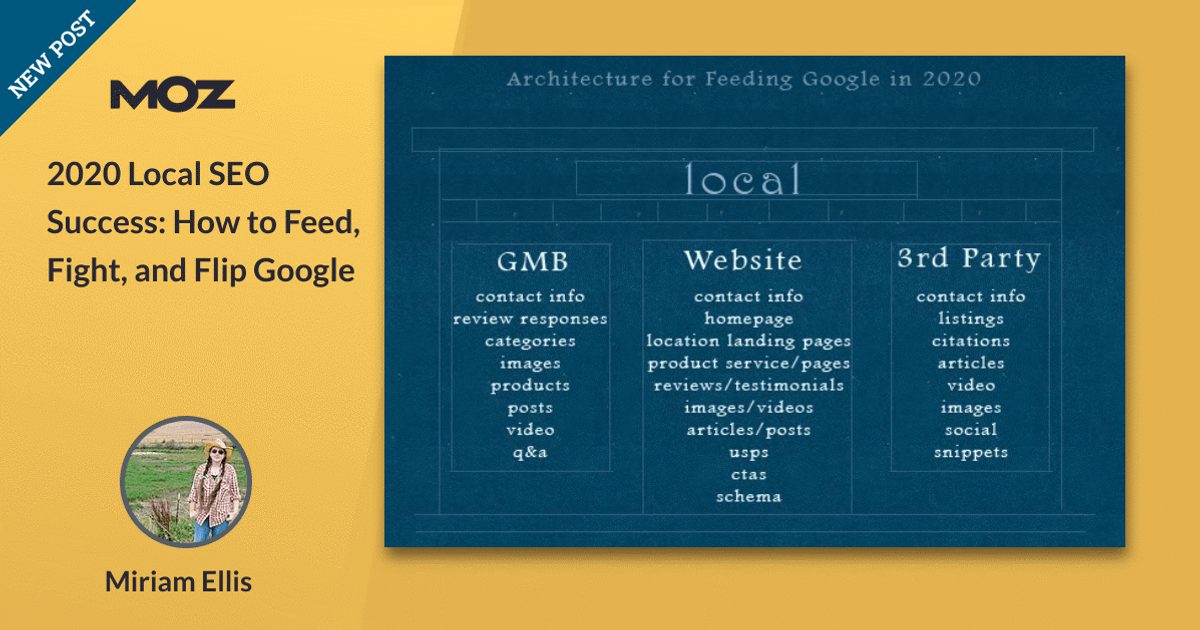
Local SEO in 2020 was not a quiet little checklist hiding in the corner of digital marketing. It was a full-contact sport. Businesses were trying to survive sudden changes in customer behavior, Google was becoming the front door for nearly every local search, and competitors were discovering new ways to bend the rules. In that messy, map-packed world, the smartest local businesses learned three practical moves: feed Google, fight what hurts visibility, and flip Google’s dominance into a growth opportunity.
The phrase sounds like a gym routine for search marketers, but it is really a strategy. “Feed” means giving Google complete, accurate, trustworthy business information. “Fight” means defending your brand against spam, fake listings, messy citations, and weak reputation signals. “Flip” means turning the same Google ecosystem that feels intimidating into a sales machine for calls, directions, bookings, reviews, and real-world visits.
For local businesses, Google is not just a search engine. It is a discovery engine, review platform, map, directory, photo gallery, customer service desk, and sometimes a brutally honest suggestion box. Ignore it, and your competitors happily eat your lunch. Feed it well, and Google can become your unpaid receptionist, tour guide, and lead generator.
What Local SEO Success Really Meant in 2020
Local SEO is the practice of improving a business’s visibility for searches with local intent, such as “dentist near me,” “best pizza in Chicago,” or “emergency plumber Austin.” The goal is not only to rank on a traditional blue-link results page. It is to appear in Google Maps, the local pack, the local finder, organic search results, and other discovery surfaces where customers make fast decisions.
In 2020, the local search landscape became more urgent because consumers increasingly expected accurate online information before visiting or calling a business. Hours, services, safety updates, reviews, attributes, menus, photos, and appointment options mattered more than ever. A wrong phone number was not a tiny typo; it was a lost customer. Incorrect hours were not a harmless oversight; they were an invitation for someone to stand outside a locked door and mentally write a one-star review.
Step One: Feed Google the Right Information
Google rewards clarity. It wants to understand who you are, where you are, what you do, when you are open, and whether searchers are likely to trust you. The more consistent and complete your business data is across the web, the easier it becomes for search engines and customers to connect the dots.
Start with a Complete Google Business Profile
Your Google Business Profile is the control panel for how your business appears across Google Search and Maps. A strong profile should include the correct business name, address, phone number, website, hours, business category, service areas, photos, products, services, attributes, and a clear description. Do not treat it like a dusty filing cabinet. Treat it like a storefront window that millions of people may walk past digitally.
Accuracy is the first rule. Use the real-world business name customers see on signage, branding, invoices, and marketing materials. Avoid stuffing keywords into the name field. “Sunrise Dental” is fine. “Sunrise Dental Best Cheap Emergency Dentist Teeth Whitening Implants Near Me” is not a name; it is a cry for help wearing a lab coat.
Choose Categories Carefully
Categories help Google understand what your business is. The primary category is especially important because it tells Google the main thing you do. A bakery should not choose “restaurant” just because it sells coffee. A personal injury law firm should not choose every legal category under the sun. Choose the most accurate primary category, then add secondary categories only when they genuinely describe core services.
Good category selection improves relevance. Bad category selection creates confusion. In local SEO, confusion is expensive because Google has many other businesses it can show instead.
Keep NAP Consistent Everywhere
NAP stands for name, address, and phone number. Local citations are mentions of that information on directories, review platforms, social profiles, data aggregators, chamber of commerce pages, industry directories, and other websites. Consistency matters because search engines use these references to verify that your business is legitimate and located where it claims to be.
For example, if your website lists “125 North Main Street,” Yelp lists “125 N. Main St.,” Facebook shows an old suite number, and Bing has a disconnected phone number, you have built a tiny obstacle course for search engines. The goal is not robotic perfection in every abbreviation, but your core business identity should be unmistakably consistent across the web.
Use Your Website as the Source of Truth
Your website should reinforce your local identity. Every location page should include the correct NAP, embedded or linked map information, business hours, service descriptions, customer-friendly content, and clear calls to action. Multi-location businesses should avoid using one thin “locations” page for everything. Each location deserves its own useful page with unique details, neighborhood relevance, photos, staff information, services, parking notes, and local proof.
Structured data can also help search engines understand your business. LocalBusiness schema can clarify information such as address, phone number, hours, department details, menus, reservations, geo-coordinates, and other business attributes. Schema is not a magic ranking wand, but it is a tidy label maker for the internet. Google likes tidy labels.
Step Two: Feed Google Fresh, Useful Content
Feeding Google is not only about static business data. It is also about ongoing content. Local businesses should publish content that answers real customer questions and reflects real services in real locations.
A roofing company might publish guides about storm damage inspections in Dallas. A pediatric dentist might explain what parents should expect during a child’s first visit in Phoenix. A restaurant might showcase seasonal menu changes, parking tips, catering options, and neighborhood events. The best local content does not sound like it was assembled by a robot with a coupon code. It sounds like a helpful local expert who actually knows the community.
Photos and Videos Are Local SEO Fuel
Photos matter because customers want proof. They want to see the storefront, the dining room, the staff, the products, the equipment, the parking situation, and the vibe. A blurry photo from 2015 is not a strategy. It is a digital fossil.
Add current, high-quality photos regularly. Show the exterior so customers can recognize the building. Show interiors so they know what to expect. Show team members when appropriate. Show products, finished projects, menus, waiting rooms, before-and-after examples, and anything else that helps people choose you with confidence.
Step Three: Fight Local Spam
The “fight” part of local SEO is about protecting the quality of the search results and your own visibility. Local spam can include fake business listings, keyword-stuffed business names, lead-generation listings pretending to be local companies, duplicate profiles, fake reviews, incorrect map pins, and competitors using categories or locations they do not qualify for.
Spam is not just annoying. It can push honest businesses out of the local pack. If a fake listing ranks above a real business, customers may call a middleman, get misled, or waste money. Meanwhile, the legitimate business loses traffic, calls, and revenue.
Audit the Local Pack Like a Detective
Search your main keywords from the target city or neighborhood. Look at who appears in the local pack and local finder. Check whether the top listings are real businesses with real addresses, appropriate categories, legitimate names, working websites, and authentic reviews. Document suspicious patterns.
For instance, a locksmith search might reveal several listings using the same phone number, stock photos, and virtual office addresses. A personal injury search might show firms stuffing city names and money phrases into their profile names. A home services market might include “businesses” that are really call centers. These are not harmless quirks. They distort local visibility.
Report Problems Carefully
When you find spam, use the appropriate Google reporting options and provide clear evidence. Do not report competitors simply because they outrank you. That is not spam; that is Tuesday. Focus on violations such as fake addresses, misleading names, duplicate profiles, ineligible locations, or businesses that do not exist.
Keep a record of your findings. Screenshots, dates, URLs, phone numbers, addresses, and notes can help you track patterns. Spam fighting is rarely glamorous. It is more like cleaning a garage: slow, dusty, and weirdly satisfying when you finally see the floor.
Step Four: Fight Bad Data Before It Fights You
Not every local SEO problem comes from a shady competitor. Sometimes the enemy is old business data wandering the internet like a zombie in khakis. Maybe your company moved three years ago. Maybe you changed phone systems. Maybe a previous agency created duplicate listings and then vanished into the mist. Maybe a data aggregator still thinks you close at 4 p.m. on Fridays, even though your team is very much open and very much answering calls.
Run periodic listing audits. Check Google, Bing, Apple Maps, Yelp, Facebook, BBB, industry directories, local directories, and major data platforms. Correct inaccurate names, addresses, phone numbers, categories, URLs, and hours. For service-area businesses, make sure your public information follows platform rules and does not expose residential addresses unnecessarily.
Step Five: Fight Reputation Problems with a Review System
Reviews influence trust, clicks, calls, and conversions. A business with recent, thoughtful, authentic reviews has a major advantage over one with three reviews from the Stone Age. Customers look at rating, review count, review recency, owner responses, review details, and whether negative feedback appears to be handled professionally.
The right approach is simple: earn reviews ethically, respond consistently, and learn from feedback. Do not buy reviews. Do not offer discounts in exchange for positive ratings. Do not ask only happy customers while hiding review options from unhappy ones. That kind of review gating may feel clever for about five minutes, right before it becomes a policy problem and a trust problem.
How to Ask for Reviews Without Being Awkward
Ask at the right moment. A contractor can ask after a successful project walkthrough. A dental office can ask after a smooth visit. A restaurant can use receipts, table cards, or follow-up messages. A retail shop can include a short request in post-purchase communication. The request should be polite, brief, and platform-compliant.
Good review request: “Thank you for choosing us. If you had a good experience, we would appreciate your honest feedback on Google.” Bad review request: “Leave us five stars and receive 10% off your next visit.” One is professional. The other is a tiny compliance bonfire.
Respond Like a Human
Reply to positive reviews with gratitude and specificity. Reply to negative reviews with calm, professionalism, and a path to resolution. Avoid copy-paste responses that sound like they were written by a toaster wearing a customer service badge.
A strong response might say: “Thank you for visiting our Denver location, Maria. We’re glad the same-day appointment helped and appreciate your kind words about our front desk team.” This response is warm, specific, and natural. It reinforces location and service context without turning into keyword soup.
Step Six: Flip Google from Threat to Opportunity
Many local businesses feel frustrated because Google keeps more activity inside its own ecosystem. Customers may call from the search results, request directions from Maps, read reviews without visiting the website, or compare photos directly in the local pack. That can feel like Google is taking over the customer journey.
The “flip” is to stop treating Google only as a gatekeeper and start treating it as a conversion surface. If customers make decisions on Google, then your Google presence must be built to convert.
Turn Search Features into Business Actions
Add appointment links, booking options, product listings, menus, service descriptions, photos, FAQs, and messaging features where appropriate. Make the phone number easy to use. Keep hours current, including holiday hours. Use posts or updates when they help communicate timely offers, events, seasonal changes, or service announcements.
A local restaurant can use its profile to show menu items, photos, hours, reviews, and reservation links. A clinic can highlight accepted services, appointment options, accessibility, and patient-friendly information. A home services company can show service areas, emergency availability, before-and-after photos, and reviews that mention punctuality or quality.
Measure What Matters
Local SEO success is not only about rankings. Track calls, direction requests, website visits, booking clicks, form submissions, review growth, rating trends, branded searches, non-branded searches, and conversions from location pages. A ranking report can be useful, but revenue pays the bills. Vanity metrics mostly sit around looking shiny.
Use Google Business Profile performance data, analytics tools, call tracking when implemented carefully, search console data, and CRM notes to understand what is working. If a location gets many views but few actions, improve photos, reviews, calls to action, or service clarity. If a location gets calls for the wrong service, check categories, content, and profile details.
Step Seven: Do Not Forget Bing, Yelp, and the Wider Local Ecosystem
Google may dominate local discovery, but it is not the entire local web. Bing Places, Yelp, Facebook, Apple Maps, industry directories, and niche platforms still matter. They help customers find and evaluate businesses, and they contribute to the broader trust environment around your brand.
Bing Places gives businesses a way to manage local information for Bing Search and Maps. Yelp has its own standards for names, categories, phone numbers, websites, addresses, and hours. Industry platforms may matter more in certain verticals, such as healthcare, legal services, hospitality, home services, restaurants, and automotive. A smart local SEO strategy keeps the whole ecosystem clean, not just the most obvious piece.
Common Local SEO Mistakes to Avoid
The first mistake is setting up a Google Business Profile and then ignoring it for months. Profiles need ongoing care. Hours change. Services change. Photos get stale. Reviews arrive. Competitors move. Google features evolve.
The second mistake is creating thin city pages with nearly identical text. “We offer excellent plumbing services in City A” copied across 40 pages is not local expertise. It is digital wallpaper. Useful local pages should contain unique information, service details, local proof, FAQs, testimonials, project examples, and genuine geographic relevance.
The third mistake is chasing tricks instead of building trust. Keyword stuffing, fake reviews, fake locations, and doorway pages may produce short-term movement, but they create long-term risk. Local SEO is not about fooling Google. It is about making the truth about your business impossible to miss.
A Practical Local SEO Checklist for 2020 and Beyond
- Claim and verify your Google Business Profile.
- Use the real-world business name without keyword stuffing.
- Select the most accurate primary and secondary categories.
- Keep address, phone number, website, and hours accurate.
- Add high-quality photos and videos regularly.
- Create useful location pages on your website.
- Implement LocalBusiness structured data where appropriate.
- Audit citations across major directories and niche platforms.
- Build an ethical review acquisition and response process.
- Monitor competitors for legitimate spam issues.
- Report fake or misleading listings with evidence.
- Track calls, directions, bookings, forms, and revenue impact.
- Update your strategy based on customer behavior and platform changes.
Local SEO Example: The Neighborhood Dental Clinic
Imagine a dental clinic in Columbus that wants more emergency appointments. The clinic has a website, but its Google profile lists old hours, only two photos, and a vague category. Reviews are positive but sparse. A competitor across town has more reviews, better photos, and a profile that clearly mentions emergency dental services.
The clinic begins by updating its Google Business Profile: correct hours, emergency service details, new photos of the office, accessibility attributes, and a better primary category. Next, it creates a website page explaining emergency dental care in Columbus, including symptoms, what to expect, insurance notes, parking details, and a clear call button. Then it asks satisfied patients for honest reviews after successful visits and responds to every review professionally.
Finally, the clinic checks directories and finds three old phone numbers. It corrects them, updates Yelp and Bing, and monitors the local pack for fake emergency dental listings using virtual addresses. Over time, the clinic becomes easier for Google to understand and easier for patients to trust. That is feed, fight, and flip in action.
Experience Section: What Working with Local SEO Teaches You
One of the biggest lessons from local SEO is that small details create large outcomes. A wrong suite number can block trust. A missing category can hide a business from high-intent searches. A neglected review response can make a good company look asleep at the front desk. Local SEO teaches humility because the work is never just about algorithms. It is about people trying to solve immediate problems in the real world.
In practice, the best local SEO campaigns often begin with a boring spreadsheet. That does not sound heroic, but it works. List every platform where the business appears. Record the name, address, phone number, website, hours, categories, review count, rating, and notes. Then fix the errors one by one. It feels like cleaning out a junk drawer, except the junk drawer is connected to revenue.
Another experience: business owners often underestimate photos. They may spend thousands on ads while their profile shows a dark exterior shot, an old logo, and one picture of a chair. Customers want reassurance. They want to know where to park, what the lobby looks like, whether the restaurant feels casual or fancy, whether the repair team looks professional, and whether the product matches expectations. Fresh photos reduce uncertainty, and reducing uncertainty increases action.
Reviews also reveal the real business, not the imaginary one described in the brochure. If customers repeatedly praise speed, friendliness, cleanliness, or expertise, those themes should appear naturally in website copy and profile content. If customers repeatedly complain about scheduling, communication, or wait times, that is not just an SEO problem. That is an operations problem waving a tiny red flag.
Spam fighting is another eye-opener. Many honest businesses assume rankings are purely merit-based, then discover fake listings, lead-gen addresses, and keyword-stuffed names sitting above them. The lesson is not to become cynical. The lesson is to monitor the search results like a market. If the local pack is part of your sales environment, you need to understand who is in it and whether they belong there.
Perhaps the most valuable experience is learning that Google does not replace the business. It reflects the business. A messy company tends to have messy data, inconsistent reviews, unclear services, and weak conversion paths. A well-run company usually has clearer information, better customer feedback, better photos, and stronger local content. Local SEO amplifies what already exists. That can be uncomfortable, but it is also useful.
The “flip” mindset is especially powerful. Instead of complaining that Google shows too much information in search results, smart businesses use those surfaces to win decisions earlier. They make the profile useful. They make the website trustworthy. They make reviews part of customer service. They turn search visibility into phone calls, visits, bookings, and repeat business.
Local SEO success in 2020 was not about finding one secret hack. It was about building a reliable system: feed Google accurate information, fight anything that pollutes trust, and flip visibility into action. That strategy still holds up because it is rooted in customer behavior. People search, compare, trust, call, visit, and buy. Your job is to make every step easier.
Conclusion
“2020 Local SEO Success: How to Feed, Fight, and Flip Google – Moz” remains a useful way to think about local search because it turns a complicated ecosystem into three memorable actions. Feed Google with complete, accurate, fresh, and structured information. Fight spam, bad data, weak reviews, and anything that damages trust. Flip Google’s local features into conversion opportunities by making every profile, page, photo, review, and call to action work harder.
Local SEO is not a one-time setup. It is a living system. Businesses change, customers change, competitors change, and search platforms change. The winners are not always the biggest brands. Often, they are the businesses that stay accurate, helpful, responsive, and relentlessly local. In other words, they keep feeding the machine good information, they keep fighting the weeds, and they keep flipping attention into revenue.