

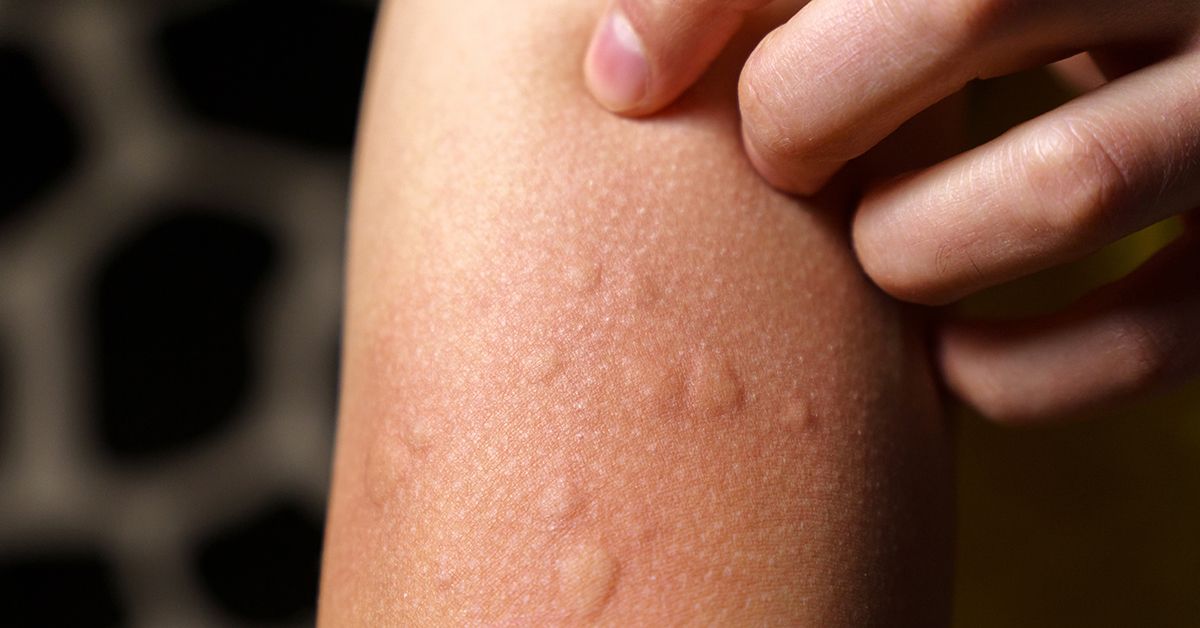
Hives have a special talent for arriving at the worst possible time. First date? Boom. Job interview? Surprise welts. Trying to sleep peacefully like a normal human? Your skin suddenly decides to host a tiny itchy fireworks show. But not all hives are the same. Some show up suddenly, make everyone panic for a bit, and then disappear. Others keep returning like a bad sequel nobody asked for. That is where the difference between acute hives and chronic spontaneous urticaria becomes important.
In simple terms, acute hives are short-term episodes of itchy, raised welts that usually last less than six weeks. Chronic spontaneous urticaria, often shortened to CSU, means hives keep coming back for more than six weeks and often appear without a clear outside trigger. The word “spontaneous” does not mean your skin is being artistic. It means the hives can appear with no obvious cause, which can be both confusing and deeply annoying.
This FAQ-style guide explains the real difference between chronic spontaneous urticaria and acute hives, what symptoms to watch for, when hives may be serious, how doctors usually diagnose them, and what treatment options may help. Let’s scratch the confusionnot your skin.
Quick Comparison: CSU vs. Acute Hives
| Feature | Acute Hives | Chronic Spontaneous Urticaria |
|---|---|---|
| Duration | Less than six weeks | More than six weeks, often recurring for months or longer |
| Common triggers | Viral infections, food allergy, medication reaction, insect stings, environmental exposure | Often no clear trigger; may involve immune system activity |
| Pattern | Sudden onset, usually temporary | Comes and goes repeatedly |
| Diagnosis | Often based on history and visible symptoms | Based on recurring symptoms over time and ruling out other causes |
| Treatment focus | Relieve itching, avoid known trigger, treat underlying cause if found | Long-term symptom control, usually with non-drowsy antihistamines and sometimes advanced therapies |
FAQ: What Are Hives, Exactly?
Hives, also called urticaria, are raised, itchy welts on the skin. They may be red, pink, skin-colored, or darker depending on skin tone. They can be tiny like mosquito bites or large enough to look like a map your body drew during a power outage.
Hives happen when immune cells in the skin release chemicals such as histamine. Histamine makes small blood vessels leak fluid into the skin, causing swelling, itching, and raised bumps. This is why antihistamines are often used for hive relief: they help block histamine’s effects.
One classic feature of hives is that individual welts usually move around or fade within about 24 hours, even if new ones appear elsewhere. If a mark stays in the exact same place for more than a day, becomes painful rather than itchy, leaves bruising, or causes peeling, that may suggest a different condition and should be checked by a clinician.
FAQ: What Are Acute Hives?
Acute hives are hives that last less than six weeks. They often appear suddenly and may resolve in hours, days, or a few weeks. For many people, acute hives are a one-time drama: itchy, weird, inconvenient, and then gone.
Common causes of acute hives include viral infections, allergic reactions to foods, medications, insect stings, or environmental exposures. In children, infections are a frequent cause. In adults, medication reactions, foods, or unknown causes may be involved. Sometimes the trigger is obviouslike hives after eating shellfish or taking a new antibiotic. Other times, the culprit remains mysterious, like socks disappearing in the dryer.
Examples of Acute Hive Triggers
A person may develop acute hives after a respiratory virus, a new medication, a bee sting, a food allergy reaction, or contact with an irritant. Heat, cold, pressure, exercise, and stress can also worsen hives in some people. However, not every hive outbreak means you have a lifelong allergy. One episode does not automatically turn your refrigerator into a crime scene.
FAQ: What Is Chronic Spontaneous Urticaria?
Chronic spontaneous urticaria is a form of chronic hives that lasts for more than six weeks and appears without a clear external trigger. The hives may come daily, several times a week, or in unpredictable waves. Some people also experience angioedema, which is deeper swelling that may affect areas such as the lips, eyelids, hands, feet, or face.
CSU is not usually caused by a specific food, detergent, or pet. That surprises many people. Patients often spend weeks interrogating peanut butter, laundry soap, shampoo, tomatoes, and the family dog, only to learn that CSU often comes from internal immune system activity rather than a simple outside allergen.
Researchers believe chronic spontaneous urticaria often involves overactive mast cells, immune signaling, and sometimes autoimmune patterns. In plain English: the immune system may be pushing the “itchy welt” button too easily. The result is recurring hives that feel allergic but may not behave like a classic allergy.
FAQ: Is CSU the Same as Chronic Idiopathic Urticaria?
The terms are closely related. Chronic idiopathic urticaria was commonly used to describe chronic hives with no known cause. Today, many specialists use chronic spontaneous urticaria because it better describes hives that arise spontaneously, without an obvious trigger. In everyday patient conversations, you may still hear CSU, chronic hives, chronic idiopathic urticaria, and CIU used in similar ways.
FAQ: How Can I Tell Whether I Have Acute Hives or CSU?
The biggest clue is the calendar. If your hives have been happening for less than six weeks, they are usually considered acute. If hives continue to recur beyond six weeks, chronic urticaria becomes more likely. If no clear trigger is found, the condition may be diagnosed as chronic spontaneous urticaria.
Here is a practical example. Suppose you wake up with itchy welts after a virus and they disappear after four days. That sounds like acute hives. Now suppose you get itchy welts four or five days a week for two months, with no clear food, medication, or exposure causing them. That pattern sounds more like CSU.
Of course, skin is not always polite enough to follow textbook rules. A healthcare provider can help sort out whether your symptoms fit acute hives, chronic spontaneous urticaria, inducible urticaria, contact dermatitis, eczema, urticarial vasculitis, or another condition.
FAQ: Are Hives Dangerous?
Most hives are uncomfortable but not dangerous. However, hives can sometimes be part of a serious allergic reaction called anaphylaxis. Seek emergency medical help right away if hives occur with trouble breathing, throat tightness, swelling of the tongue or throat, dizziness, fainting, chest tightness, repeated vomiting, or a sudden feeling of severe illness.
Think of it this way: itchy skin alone may be a “call your doctor” situation, but hives plus breathing or throat symptoms are a “do not wait around and Google it” situation.
FAQ: What Symptoms Are Common in Acute Hives and CSU?
Both acute hives and chronic spontaneous urticaria can look very similar on the skin. Common symptoms include:
- Raised itchy welts or bumps
- Skin-colored, pink, red, or darker patches depending on skin tone
- Welts that change shape, size, or location
- Itching that may be mild, intense, or sleep-destroying
- Swelling under the skin, known as angioedema
- Flares that worsen with heat, stress, pressure, or scratching
The itch can be more than a small inconvenience. Chronic itching can affect sleep, mood, school, work, exercise, and social confidence. When people say, “It’s just hives,” they may not understand that “just hives” can turn a normal Tuesday into a full-body negotiation.
FAQ: What Causes Acute Hives?
Acute hives often have a clearer trigger than chronic spontaneous urticaria. Possible causes include viral infections, foods such as nuts or shellfish, medications like antibiotics or nonsteroidal anti-inflammatory drugs, insect stings, latex, or environmental allergens. Sometimes physical factors such as heat, cold, sweating, pressure, or sunlight can contribute.
Still, many acute hive cases never reveal a single obvious cause. That does not mean you failed the detective assignment. It simply means the immune system is complicated, and sometimes it refuses to leave a receipt.
FAQ: What Causes Chronic Spontaneous Urticaria?
CSU usually does not have one easy-to-identify outside trigger. It may be linked to immune system changes, mast cell activation, autoimmunity, or other internal factors. Some people with CSU may also have thyroid autoimmunity or other allergic conditions, but many have no major underlying disease.
It is common for patients to worry that CSU means something dangerous is hiding inside the body. In most cases, chronic spontaneous urticaria is not a sign of cancer or a severe hidden illness. However, because persistent symptoms can overlap with other conditions, a medical evaluation is usefulespecially if hives are painful, bruise, last longer than 24 hours in one spot, or come with fever, joint pain, weight loss, or other unusual symptoms.
FAQ: Do I Need Allergy Testing?
Not always. For acute hives, allergy testing may be helpful when the history strongly suggests a specific trigger, such as hives quickly after eating a certain food or taking a medication. But broad “test me for everything” panels often create confusion, false alarms, and unnecessary food avoidance.
For chronic spontaneous urticaria, allergy testing is often less helpful because CSU is usually not caused by a classic external allergen. Doctors may order limited blood tests if symptoms, history, or physical exam findings suggest another condition. But diagnosis is often based on the pattern: recurring hives for more than six weeks without a consistent trigger.
FAQ: How Are Acute Hives Treated?
Treatment depends on severity and cause. Mild acute hives may go away on their own. Non-drowsy antihistamines are commonly used to reduce itching and welts. If a clear trigger is found, avoiding that trigger can help. If hives are linked to an infection, they often improve as the infection resolves.
For more severe symptoms, a clinician may recommend a short course of additional medication. Emergency treatment is needed if hives are part of anaphylaxis. People with known severe allergies may be prescribed an epinephrine auto-injector and should follow their emergency action plan.
FAQ: How Is Chronic Spontaneous Urticaria Treated?
CSU treatment usually focuses on long-term control rather than a one-time cure. The first-line approach is often a second-generation, non-drowsy H1 antihistamine. These medicines are preferred because they tend to cause less sedation than older antihistamines.
If standard doses do not control symptoms, healthcare providers may adjust the plan. Some guidelines allow higher doses of second-generation antihistamines under medical supervision. For people who remain symptomatic despite antihistamines, specialists may consider advanced treatments such as omalizumab, an injectable biologic approved for chronic spontaneous urticaria in certain patients. Other therapies may be considered in difficult cases, but they require individualized medical supervision.
The key phrase is under medical supervision. More medication is not automatically better, and mixing sedating antihistamines, alcohol, sleep aids, or other drugs can be risky. Your skin may be dramatic, but your medication plan should not be.
FAQ: Can Diet Cure CSU?
Usually, no. Diet can matter if a person has a true food allergy or notices consistent food-related flares, but chronic spontaneous urticaria is not typically cured by cutting out random foods. Extreme elimination diets can lead to stress, poor nutrition, and a very sad relationship with lunch.
A better approach is to keep a symptom diary. Track hives, swelling, medications, infections, menstrual cycle changes, stress, sleep, exercise, heat exposure, alcohol, and foods only if they seem relevant. If a pattern appears repeatedly, discuss it with an allergist or dermatologist before making major diet changes.
FAQ: Can Stress Cause Hives?
Stress may not be the root cause of CSU, but it can worsen itching and flares for some people. Stress also makes symptoms feel harder to tolerate. Anyone who has tried not to scratch while also being late, tired, and stuck in traffic understands this beautifully.
Helpful habits may include cooling the skin, wearing loose clothing, improving sleep routines, practicing relaxation techniques, and avoiding overheating. These steps do not replace medical treatment, but they can make flare days less miserable.
FAQ: What Home Care Helps Hives Feel Better?
At-home care can reduce irritation while medical treatment does the heavier lifting. Cool compresses may soothe itching. Loose, breathable clothing can reduce pressure and friction. Fragrance-free skin products may help if your skin is easily irritated. Keeping the room cool at night may also help because heat can worsen itching for many people.
Try not to scratch aggressively. Yes, that advice is easy to say and hard to follow. Scratching can trigger more histamine release and create a scratch-itch loop. If your hands are staging a rebellion, trim nails, use cold packs, or ask your clinician about better itch control.
FAQ: When Should I See a Doctor?
See a healthcare provider if hives last more than a few days, keep coming back, interfere with sleep, involve swelling, or do not improve with over-the-counter treatment. Make an appointment sooner if you have hives for more than six weeks, because that may suggest chronic urticaria.
Seek urgent care if hives are widespread and rapidly worsening, if swelling affects the lips or face, or if you are unsure whether symptoms are part of an allergic reaction. Seek emergency care immediately for breathing problems, throat swelling, faintness, confusion, or symptoms that suggest anaphylaxis.
FAQ: Can Children Get Acute Hives or CSU?
Yes. Children can develop both acute hives and chronic urticaria. Acute hives in children are often associated with viral infections, even when the child is not visibly very sick. Parents may suspect a food allergy, but infections are a frequent cause.
Chronic hives can also occur in children and teens, though evaluation and treatment should be guided by a pediatrician, allergist, or dermatologist. Parents should avoid giving multiple medications or high doses without professional advice.
FAQ: Will CSU Ever Go Away?
Many cases of chronic spontaneous urticaria improve over time. Some people experience remission within months, while others deal with symptoms for years. The unpredictable timeline is frustrating, but CSU is manageable for many patients with the right treatment plan.
If you have CSU, the goal is not to become a full-time hive detective forever. The goal is to reduce flares, improve sleep, protect quality of life, and find a plan that lets you live normally without checking your skin every seventeen seconds.
Real-Life Experiences: Living With Acute Hives vs. CSU
People with acute hives often describe the experience as sudden and alarming. Imagine eating dinner, watching TV, and then noticing itchy bumps spreading across your arms. The first thought is usually, “What did I touch?” followed by “Was it the shrimp?” followed by the classic human response: standing in the bathroom mirror lifting sleeves and making worried detective noises.
For many, acute hives become a short story. A person gets a viral infection, develops welts for a few days, takes an antihistamine recommended by a clinician, avoids overheating, and gradually improves. The episode is annoying, but it has a beginning, middle, and end. Once it passes, life goes back to normal, except maybe with a new respect for the immune system’s ability to overreact like a smoke alarm near burnt toast.
Chronic spontaneous urticaria feels different because the uncertainty becomes part of daily life. A person may wake up clear-skinned and feel hopeful, then notice itchy patches by lunch. Another day, the hives may appear after a warm shower, during homework, in a meeting, or while trying to fall asleep. Because there is often no obvious trigger, patients may feel like they are constantly solving a puzzle with half the pieces missing.
One common experience is the “food blame spiral.” Someone with CSU may cut out dairy, then gluten, then eggs, then tomatoes, then joy itself, only to keep getting hives. This can be emotionally exhausting. While true food allergies are real and important, CSU often does not behave like a simple food allergy. That is why professional guidance matters. A careful history is usually more useful than randomly banning half the pantry.
Another common experience is sleep disruption. Itching often feels louder at night when there are fewer distractions. A hive flare at 2 a.m. can turn the bedroom into a strategy center: cold compress, loose shirt, medication schedule, deep breathing, and a firm speech to your skin about teamwork. Poor sleep can then increase stress, and stress may worsen symptoms, creating a loop that feels unfair.
Social situations can also be tricky. Visible hives may make people self-conscious, especially when others ask, “Is that contagious?” Hives are not contagious, but explaining that repeatedly can become tiring. Some people avoid swimming, exercise, dates, photos, or short sleeves during flares. That emotional weight is real, even when the condition is medically manageable.
A helpful experience shared by many patients is the value of tracking patterns without becoming obsessed. A simple diary can include flare time, severity, swelling, sleep, stress, heat, exercise, medications, and possible triggers. The goal is not to turn every sandwich into a suspect. The goal is to bring useful information to a clinician so treatment decisions are based on patterns rather than panic.
Many people also learn that treatment is a step-by-step process. The first plan may not be perfect. A non-drowsy antihistamine may help one person dramatically and only partly help another. Some patients need dose adjustments or specialist care. Others may be candidates for advanced therapy. Progress can feel slow, but improvement often comes from consistent management rather than one magical cream, supplement, or internet miracle involving celery juice and optimism.
The most reassuring lesson is this: having chronic spontaneous urticaria does not mean you did something wrong. It does not mean you are dirty, contagious, overly sensitive, or imagining symptoms. It means your skin and immune system are stuck in an overactive pattern. With the right medical support and practical habits, many people regain control and stop letting hives run the calendar.
Conclusion: The Big Difference Comes Down to Time and Triggers
Acute hives and chronic spontaneous urticaria can look almost identical on the skin, but they behave differently over time. Acute hives last less than six weeks and often follow infections, allergies, medications, foods, or insect stings. Chronic spontaneous urticaria lasts more than six weeks, returns repeatedly, and often has no clear external trigger.
The good news is that both conditions can often be managed. Antihistamines, trigger awareness, cool skin care habits, and professional guidance can make a major difference. If hives are persistent, severe, associated with swelling, or affecting your quality of life, do not simply “tough it out.” Your skin may be loud, but a good treatment plan can turn down the volume.