

Note: This article is written in clean body-only HTML for web publishing, based on real product information, practical window-treatment guidance, and current home-design considerations.
The Tupplur Block-Out Roller Blind is one of those humble home products that does not scream for attention, which is exactly why people remember it. It is not a chandelier. It is not a marble countertop. It does not arrive with a dramatic soundtrack or demand a dedicated Instagram reel. It simply rolls down, blocks light, adds privacy, and lets your bedroom behave like a bedroom instead of a roadside billboard at midnight.
Originally known as an IKEA block-out roller blind, Tupplur became popular among renters, small-space dwellers, parents, students, shift workers, and anyone who has ever muttered, “Why is the sun so personally invested in waking me up?” Its appeal came from a simple formula: minimal design, practical light control, budget-friendly pricing, and a cordless structure aimed at safer everyday use.
Although Tupplur is now best understood as a legacy IKEA product rather than a widely available current U.S. catalog item, it remains a useful reference point for shoppers comparing blackout roller blinds, room-darkening shades, and modern IKEA alternatives such as FRIDANS, TRETUR, FÖNSTERBLAD, and cellular blackout blinds. In other words, Tupplur may not always be sitting on the store shelf today, but its design DNA still lives rent-free in many bedrooms.
What Is the Tupplur Block-Out Roller Blind?
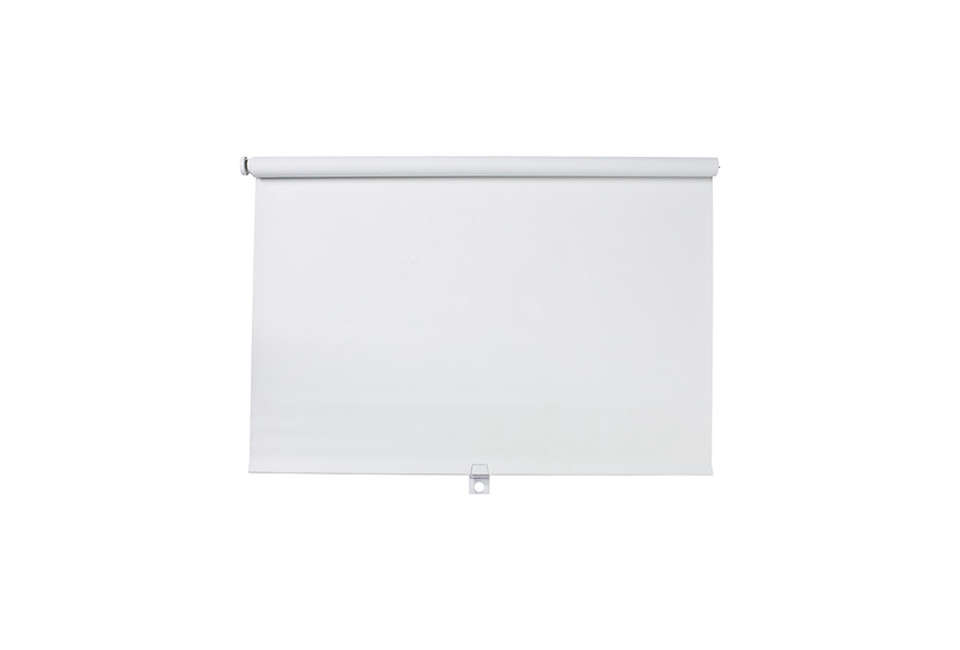
The Tupplur Block-Out Roller Blind was designed as a simple, cordless roller shade with a coated fabric that prevents light from passing through the blind itself. Unlike light-filtering shades that soften daylight, block-out blinds aim to stop it. That makes them especially useful in bedrooms, nurseries, media rooms, home offices, and apartments facing streetlights, parking lots, or neighbors with lighthouse-level porch bulbs.
Its design was intentionally quiet: a flat fabric panel, a top roller, a bottom rail, and mounting brackets that could be fitted inside or outside a window frame, or even on the ceiling. The fabric was commonly described as 100% polyester with an acrylic treatment, paired with a powder-coated steel rod and a wooden bottom rail. This combination gave the blind enough structure to hang cleanly while staying lightweight enough for do-it-yourself installation.
The most important feature was the block-out coating. In practical terms, that means the blind fabric itself does not let light through. However, as with most roller blinds, full darkness depends not only on the material but also on the fit. Light can still sneak around the sides, top, and bottom if the blind is mounted too narrowly or too far from the wall. Sunlight is basically a tiny ninja; it finds gaps.
Why Tupplur Became a Favorite for Simple Home Upgrades
One reason the Tupplur roller blind earned a loyal following was its no-nonsense look. It worked with Scandinavian interiors, modern apartments, dorm rooms, rental bedrooms, and minimalist home offices. White and gray versions blended easily with walls, trim, and neutral decor, making the blind feel like part of the room instead of a window accessory shouting, “Look at me, I have opinions.”
Another reason was affordability. Custom blackout shades can look beautiful, but they often come with prices that make your wallet quietly leave the room. Tupplur appealed to people who needed real light control without hiring a designer, scheduling a measurement appointment, or learning sixteen new words for “beige.”
It also worked well for everyday privacy. A block-out roller blind reduces visibility from outside when lowered, which matters in street-facing bedrooms, ground-floor apartments, and bathrooms where privacy is not just a preference but a basic human right. Nobody wants to become accidental neighborhood programming.
Block-Out vs. Blackout vs. Room Darkening: What’s the Difference?
People often use “block-out,” “blackout,” and “room darkening” as if they mean exactly the same thing. They are close cousins, but not identical twins.
Block-Out Roller Blind
A block-out roller blind is made with opaque or specially coated fabric designed to stop light from passing through the material. Tupplur falls into this category. It is excellent for reducing direct light, glare, and nighttime visibility from outside.
Blackout Blind
A blackout blind usually refers to a shade or blind intended to create a very dark room. True blackout performance depends on both fabric and installation. A blind with great fabric but poor edge coverage may still leave glowing lines around the window.
Room-Darkening Shade
Room-darkening shades reduce light but do not necessarily block it completely. They are useful for living rooms and offices where you want softer daylight without turning the space into a cave. A room-darkening blind says, “Let’s relax.” A block-out blind says, “The sun has been canceled.”
Best Rooms for a Tupplur-Style Blind
The Tupplur Block-Out Roller Blind is most useful in spaces where darkness, privacy, or glare control matter. It may not be the perfect fit for every room, but where it works, it works hard.
Bedrooms
Bedrooms are the natural home for block-out roller blinds. A darker sleep environment can make it easier to fall asleep, stay asleep, and avoid being ambushed by early morning sunlight. For light sleepers, shift workers, and anyone living near bright exterior lighting, a Tupplur-style blackout roller blind can feel less like decor and more like self-defense.
Nurseries and Kids’ Rooms
Parents know that daytime naps are sacred. A block-out blind helps create a darker, calmer room for babies and young children. Cordless operation is also a major advantage in homes with kids, since dangling cords are a known safety concern with traditional window coverings.
Media Rooms
If your television screen turns into a mirror every afternoon, a blackout roller blind can help. Lowering the blind reduces glare and makes movie watching more enjoyable. Popcorn still required; dramatic commentary optional.
Home Offices
A roller blind can reduce screen glare during video calls or computer work. It also improves privacy, which is helpful when your workspace faces a sidewalk or another building. Nobody needs strangers observing your third coffee of the morning.
Installation: Inside Mount, Outside Mount, or Ceiling Mount?
One of Tupplur’s useful features was flexible installation. It could be mounted inside the window frame, outside the frame, or on the ceiling. Each option has advantages.
Inside Mount
An inside mount places the blind within the window recess. This gives a neat, built-in appearance and keeps the blind visually contained. However, it requires enough depth inside the frame and careful measuring. If the blind is too narrow, side gaps can let in light.
Outside Mount
An outside mount places the blind on the wall above or around the window frame. This can block more light because the blind overlaps the window opening. For bedrooms where darkness matters most, outside mounting is often the smarter choice.
Ceiling Mount
Ceiling mounting can work well for tall windows, awkward frames, or spaces where wall mounting is not practical. It can also create a cleaner architectural look. The main requirement is solid anchoring, because gravity has never once agreed to negotiate.
Measuring Tips Before Buying or Replacing a Tupplur Blind
Measuring is the difference between “sleek Scandinavian shade” and “why is there a glowing rectangle around my window?” Before choosing a Tupplur replacement or similar blackout roller blind, measure the window width and height in several places.
For an inside mount, measure the exact inside width at the top, middle, and bottom of the frame. Use the narrowest measurement. For height, measure from the top inside edge to the sill. Make sure there is enough depth for the roller and brackets.
For an outside mount, add extra width on both sides of the window to reduce light leakage. Many homeowners add two to four inches per side if space allows. Also mount the blind high enough above the window so the rolled fabric does not block glass when raised.
Some Tupplur versions could be cut on one side to fit a narrower window, which made them more flexible than many fixed-size budget blinds. Still, trimming a roller blind requires patience, a straight cut, and the emotional maturity to measure twice before introducing the blind to a saw.
Design and Style: Why Minimalism Works
The Tupplur Block-Out Roller Blind is not decorative in the traditional sense. It does not add ruffles, pleats, tassels, embroidery, or anything that looks like it belongs in a haunted Victorian boarding house. Its power is simplicity.
A flat roller blind keeps the window area clean and visually calm. In small rooms, that matters. Heavy curtains can make compact spaces feel crowded, while a slim roller blind almost disappears when raised. In minimalist interiors, Tupplur-style blinds support the room instead of competing with it.
White blinds blend with white walls and trim, creating a seamless look. Gray blinds add a slightly more modern, architectural feel. Both choices are versatile enough for bedrooms, offices, guest rooms, and rentals.
Light Control: What to Expect in Real Life
The fabric of a block-out blind can be very effective, but real-life performance depends on installation. If the blind is mounted inside the frame, thin light lines may appear along the sides. If it is mounted outside the frame with generous overlap, the room will usually get darker.
For maximum darkness, pair a Tupplur-style blind with blackout curtains or side channels. This layered approach is especially useful for nurseries, night-shift bedrooms, and media rooms. Think of the roller blind as the main defense and curtains as the backup squad.
For many people, the blind alone is enough. It reduces morning brightness, blocks direct sun, cuts glare, and provides privacy. But if you are chasing hotel-room darkness at 2 p.m., layering is your friend.
Energy Efficiency and Comfort Benefits
Window coverings do more than manage light. They can also improve comfort by reducing solar heat gain in warm seasons and helping limit drafts or heat loss in cooler months. Roller blinds are not as insulating as cellular shades, but a block-out blind can still reduce direct sunlight and make a room feel more comfortable during bright afternoons.
In hot climates or west-facing rooms, lowering a block-out blind before peak sun can help keep the room from heating up as quickly. In winter, closing window coverings at night may help reduce the chilly feeling near glass. The savings will vary by window type, climate, fit, and daily habits, but the comfort difference can be noticeable.
Safety: The Cordless Advantage
One of Tupplur’s strongest selling points was cordless operation. Traditional blinds with cords can pose risks to young children and pets. Cordless designs reduce dangling hazards and create a cleaner look at the same time.
With a cordless roller blind, the user typically lowers the shade by pulling down gently on the bottom rail and raises it through a spring mechanism. Tupplur’s instructions included stop-height adjustment and a warning about pulling the blind down too far, which could trigger the lock mechanism. In normal use, the blind was meant to stop where released and return to a set height when raised.
For homes with children, cordless window coverings are strongly preferred. Also keep beds, cribs, chairs, and climbable furniture away from windows. Toddlers are basically tiny engineers with no risk department.
Cleaning and Maintenance
The Tupplur Block-Out Roller Blind was easy to maintain because of its simple surface. In most homes, regular dusting or wiping with a slightly damp cloth is enough. Avoid soaking the fabric or using harsh cleaners, especially on coated blackout material. Abrasive scrubbing can damage the finish and create uneven spots.
If the blind starts rolling unevenly, check whether the brackets are level. A roller blind mounted even slightly crooked can drift to one side over time. Also inspect the bottom rail to ensure it is not bent or pulling the fabric out of alignment.
For older Tupplur blinds bought secondhand, check the spring mechanism before installation. Raise and lower the blind carefully, listen for grinding or slipping, and make sure the fabric rolls smoothly. A bargain is only a bargain if it does not turn your Saturday into a repair drama.
Common Problems and Practical Fixes
Light Leaks Around the Edges
This is the most common complaint with roller blinds. The fix is usually better overlap. If possible, use an outside mount and choose a blind wider than the window opening. Curtains can also hide side gaps.
The Blind Rolls Crooked
Check that brackets are level and evenly spaced. Uneven installation can cause the fabric to drift. Carefully re-seat the roller in the brackets and test it again.
The Blind Locks at the Bottom
Tupplur instructions warned that pulling the blind too far could lock it at maximum length. The solution was to rewind the blind a few centimeters on the roller and release it so it could return to its normal stop height.
The Size Is Almost Right, But Not Quite
Some Tupplur versions could be trimmed from the right side. If replacing with another IKEA blind or a different brand, check trimming rules carefully. Not every roller blind is designed to be cut, and cutting the wrong side can turn a shade into an expensive craft project.
How Tupplur Compares With Current IKEA Blackout Blinds
Today, shoppers in the United States are more likely to encounter IKEA blackout options such as FRIDANS, TRETUR, FÖNSTERBLAD, SCHOTTIS, and TRIPPEVALS rather than Tupplur. Each fills a slightly different role.
FRIDANS is a budget-friendly block-out roller blind with a cordless design and a simple appearance. TRETUR is a more substantial blackout roller blind with a cleaner casing and a polished feel. FÖNSTERBLAD offers blackout function with a softer fabric look and subtle patterning. SCHOTTIS is a very inexpensive pleated blackout blind often used for temporary or rental-friendly solutions. TRIPPEVALS, a blackout cellular blind, offers stronger insulation potential thanks to its honeycomb structure.
If you liked Tupplur for its low price and simplicity, FRIDANS may be the closest spiritual successor. If you want a more finished look, TRETUR is worth considering. If insulation matters as much as darkness, TRIPPEVALS may be a better fit.
Who Should Choose a Tupplur-Style Block-Out Roller Blind?
A Tupplur-style blind is a smart choice for people who want affordable darkness, privacy, and clean design. It is especially useful for renters, students, homeowners on a budget, guest rooms, kids’ rooms, and small bedrooms where bulky curtains feel too heavy.
It may not be ideal for luxury interiors where custom fabric, decorative texture, or perfect edge-to-edge darkness is the goal. In those cases, custom roller shades, layered drapery, or side-channel blackout systems may deliver better results. But for everyday homes, Tupplur’s concept remains refreshingly practical.
Buying Secondhand: What to Check
Because Tupplur is often found through resale listings, secondhand marketplaces, or leftover stock, inspect carefully before buying. Confirm the width, length, color, bracket availability, and condition of the roller mechanism. Ask whether the mounting hardware is included. Replacement brackets can sometimes be harder to find than the blind itself, which is a very IKEA-flavored plot twist.
Look for stains, coating damage, curling fabric edges, bent bottom rails, and weak spring action. If the blind has been cut, confirm the finished width. A pre-trimmed blind can be perfect for one window and completely useless for another.
Real-Life Experience With the Tupplur Block-Out Roller Blind
Using a Tupplur Block-Out Roller Blind in daily life feels pleasantly uncomplicated. The first thing most people notice is how quickly the room changes once the blind comes down. A bedroom that was bright and slightly chaotic suddenly feels calmer. The glare on the laptop disappears. The streetlight outside stops auditioning for a role in your dreams. Even the room’s temperature can feel more stable when direct sunlight is kept off the floor and furniture.
The best experience usually comes from installing the blind outside the window frame with enough overlap on each side. Inside mounts look tidy, but they are more likely to leave narrow strips of light. In a guest bedroom or office, that may not matter. In a nursery or primary bedroom, those glowing edges can become surprisingly annoying. It is amazing how a one-inch line of sunlight can feel like a personal insult at 6:07 a.m.
Another practical lesson is that the blind looks better when mounted level and handled gently. Roller blinds are simple, but they do not love rough treatment. Pulling straight down from the center helps the fabric roll evenly. Tugging from one corner can encourage the shade to drift sideways. If that happens, the blind may still work, but it starts to look tired, like it has been through a tiny domestic argument.
Cleaning is easy if you stay ahead of dust. A microfiber cloth or light wipe usually does the job. In kitchens or humid areas, however, block-out roller blinds can collect film or moisture more quickly. Tupplur-style blinds are better suited to bedrooms, offices, and living spaces than splash-prone zones. In a bathroom, ventilation matters. In a kitchen, grease is the villain nobody invited.
For renters, the appeal is obvious. A Tupplur-style blind can make a basic apartment feel more finished without requiring a full decor overhaul. It pairs well with simple curtain panels if you want a softer look. During the day, roll the blind up and let curtains frame the window. At night, lower the blind for privacy and darkness. This combination gives flexibility: soft style when you want it, serious darkness when you need it.
Parents often appreciate the cordless design most. Anything that removes dangling cords from a child’s room is worth attention. The blind also helps with nap routines because it creates a visual signal that the room is shifting into rest mode. Of course, no blind magically convinces a toddler to sleep. If only. But a darker room can remove one obstacle, and parenting is often about removing obstacles until everyone survives bedtime.
Shift workers may get the biggest benefit. Trying to sleep during daylight is difficult when the room is bright, warm, and active. A block-out roller blind helps create a more night-like environment. Pair it with earplugs, a fan, and a consistent routine, and the bedroom becomes much more supportive of daytime sleep.
The main downside is that Tupplur-style blinds are practical rather than luxurious. They do not provide the plush look of lined drapes or the precise fit of custom shades. Edge gaps can happen. Hardware may look basic. Older secondhand models may show wear. But for the price and simplicity, the overall experience is strong. It is a product that solves a real problem without demanding attention, and that is why people still search for it years later.
Conclusion
The Tupplur Block-Out Roller Blind remains a memorable example of practical, affordable window design. It offered privacy, darkness, cordless operation, and a clean minimalist look that worked in many homes. While it may now be harder to find as a current retail item in the U.S., its core idea lives on in modern blackout roller blinds and IKEA alternatives.
For anyone looking to improve sleep, reduce glare, darken a nursery, upgrade a rental, or make a media room more comfortable, a Tupplur-style block-out blind is still a smart concept. The key is proper measuring, thoughtful mounting, and realistic expectations. The fabric can block light beautifully, but the installation determines whether your room becomes comfortably dim or merely “dark except for those dramatic glowing edges.”
In a world full of overcomplicated home products, Tupplur’s charm is simple: pull it down, block the light, enjoy the privacy, and maybe finally sleep past sunrise. Not every hero wears a cape. Some roll up neatly above the window.