

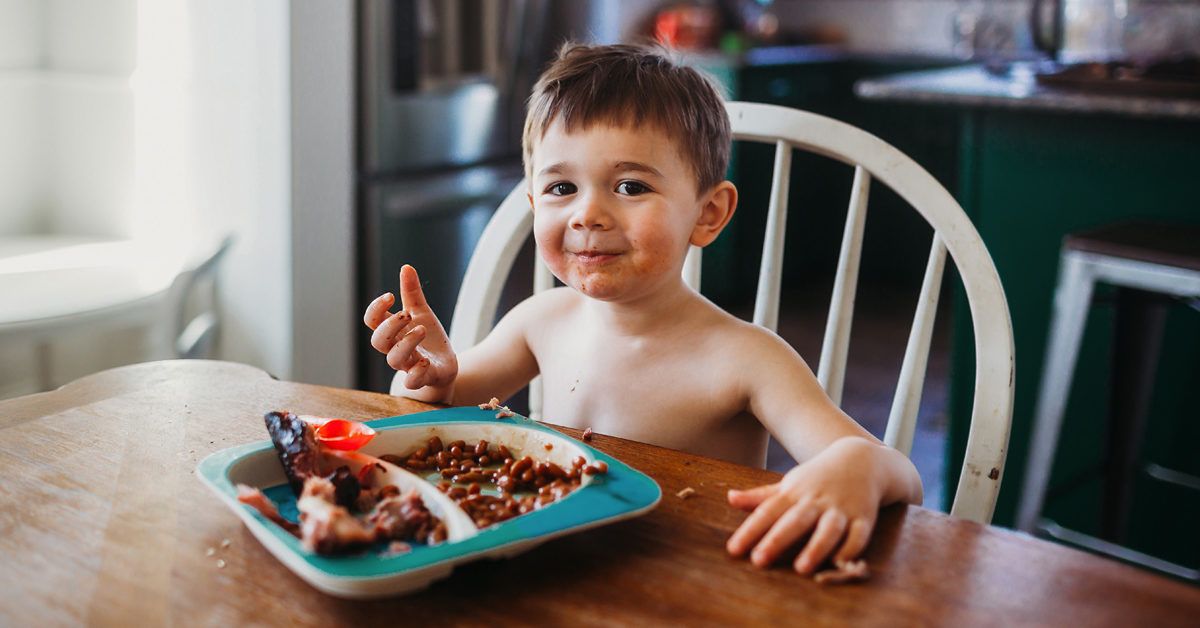
If you have ever watched a toddler inspect dinner like a tiny food critic with extremely strong opinions, you already know that feeding this age group is not always a peaceful documentary about balanced nutrition. One day they love turkey meatballs. The next day turkey is apparently “too turkey.” Still, iron-rich foods for toddlers deserve a regular place on the plate because iron supports healthy growth, red blood cell production, brain development, energy, immune function, and the ability to learn and pay attention.
The good news? You do not need a gourmet kitchen, a nutrition degree, or a toddler who politely says, “Mother, may I have more lentils?” Many everyday foods contain iron, and with a little strategy, you can work them into meals your child may actually eat. This guide covers 10 iron-rich foods to try, simple serving ideas, absorption tips, picky-eater tricks, and practical experience-based advice for making iron a normal part of toddler meals without turning dinner into a negotiation summit.
Why Iron Matters for Toddlers
Iron is a mineral the body uses to make hemoglobin, the protein in red blood cells that carries oxygen. Toddlers are growing quickly, learning constantly, and moving as if someone secretly replaced their batteries with rocket fuel. Their bodies need steady nutrition to support all that development.
Children ages 1 to 3 generally need about 7 milligrams of iron per day. Some children may need closer monitoring or additional support, especially those born premature, children with limited diets, children who drink large amounts of cow’s milk, or children already diagnosed with iron deficiency anemia. Supplements should only be used with guidance from a pediatrician because too much supplemental iron can be dangerous.
Heme Iron vs. Non-Heme Iron: The Quick Parent Version
There are two main types of dietary iron. Heme iron comes from animal foods like beef, poultry, and fish. The body absorbs it more easily. Non-heme iron comes from plant foods and fortified foods such as beans, lentils, tofu, spinach, oatmeal, cereal, and enriched grains. Non-heme iron is still valuable, but it absorbs better when paired with vitamin C foods such as strawberries, oranges, tomatoes, bell peppers, broccoli, or potatoes.
Translation: beans plus salsa, oatmeal plus strawberries, or lentils plus tomato sauce are all smart pairings. Your toddler does not need to know the science. They only need to accept the spoon, which is sometimes the real final boss.
Iron-Rich Foods for Toddlers: 10 to Try
1. Iron-Fortified Cereal or Oatmeal
Iron-fortified cereals are one of the easiest ways to boost iron intake, especially for younger toddlers who still prefer soft textures. Look for infant cereal, toddler cereal, fortified oatmeal, or low-sugar breakfast cereal that lists iron on the Nutrition Facts label.
How to serve it: Mix fortified oatmeal with mashed banana, applesauce, or finely chopped strawberries. For toddlers who reject bowls on principle, use fortified cereal as a crunchy topping on yogurt or blend dry cereal into homemade muffins or pancakes.
Parent tip: Choose options with little or no added sugar. Toddlers already have enough natural enthusiasm. They do not need breakfast cereal that turns them into a hallway tornado.
2. Lean Ground Beef
Beef contains heme iron, which is absorbed well by the body. Lean ground beef is toddler-friendly because it can be cooked soft and added to many familiar meals. It also brings protein and zinc to the table.
How to serve it: Try mini meatballs, soft taco filling, beef-and-bean chili, pasta sauce with finely crumbled beef, or shepherd’s pie with mashed potatoes. Keep pieces small and moist to reduce choking risk.
Flavor idea: Mix cooked ground beef with tomato sauce. The tomato adds vitamin C, and the sauce helps keep the texture toddler-friendly.
3. Dark Meat Chicken or Turkey
Chicken and turkey can contribute iron, especially darker cuts like thigh meat. Poultry is often milder than beef, so it may be easier for selective eaters to accept.
How to serve it: Offer shredded chicken thighs in quesadillas, turkey meatballs, soft chicken salad with avocado, or tiny turkey patties. Add a side of fruit such as orange slices, kiwi, or strawberries for vitamin C.
Texture trick: Dry meat is a toddler deal-breaker. Cook poultry gently, shred it finely, and mix it with broth, yogurt sauce, avocado, or tomato sauce so it is easier to chew.
4. Eggs
Eggs provide iron, protein, healthy fats, and other nutrients toddlers need. They are also quick, affordable, and flexible, which matters on mornings when everyone is wearing one sock and looking for the missing shoe.
How to serve it: Try scrambled eggs, egg muffins with spinach, hard-boiled egg slices, French toast, or chopped egg in a soft tortilla. Pair with fruit or tomatoes to help round out the meal.
Safety note: Cook eggs thoroughly and cut firm pieces into toddler-safe sizes. If your child has an egg allergy or you are introducing eggs for the first time, follow your pediatrician’s advice.
5. Lentils
Lentils are a plant-based iron champion. They also contain fiber and protein, making them excellent for toddlers who do not eat much meat. Red lentils cook quickly and become soft, which makes them especially useful for toddler meals.
How to serve it: Add cooked lentils to tomato soup, pasta sauce, mild curry, rice bowls, mashed sweet potatoes, or veggie patties. Red lentils can disappear into sauces like a nutrition ninja.
Vitamin C pairing: Lentils and tomato sauce are a great team. Lentils bring iron; tomatoes bring vitamin C. Dinner brings fewer parental speeches about “just one bite.”
6. Beans and Chickpeas
Beans, including black beans, kidney beans, white beans, pinto beans, and chickpeas, are affordable iron-rich foods for toddlers. They are also easy to mash, which helps with texture and safety.
How to serve it: Try mashed black beans in quesadillas, hummus on toast strips, white bean dip, bean-and-cheese burritos, chickpea pasta, or mild chili. Rinse canned beans to reduce sodium.
Picky-eater move: Blend beans into tomato sauce or soup. The flavor stays familiar while the meal gets more iron, fiber, and protein.
7. Tofu
Tofu is a useful iron-rich food, especially for vegetarian toddlers or children who are not enthusiastic about meat. Firm tofu contains iron and protein, and it absorbs flavors well.
How to serve it: Try tofu cubes lightly pan-cooked, tofu scrambled with eggs or vegetables, tofu blended into smoothies, or tofu strips dipped in mild sauce. For softer textures, silken tofu can be blended into fruit smoothies or creamy soups.
Flavor tip: Tofu is not boring; it is just waiting for direction. Add mild seasoning, a little sesame oil, tomato sauce, or fruit smoothie flavors to make it more inviting.
8. Spinach and Other Dark Leafy Greens
Spinach, kale, collards, and other dark leafy greens contain non-heme iron. They also provide vitamins and fiber. The challenge is that many toddlers view green leaves with the suspicion usually reserved for suspiciously quiet rooms.
How to serve it: Chop cooked spinach finely and add it to scrambled eggs, mac and cheese, meatballs, smoothies, soups, or muffins. Cooked greens are easier to chew and less leafy than raw salads.
Best pairing: Serve greens with vitamin C foods such as strawberries, bell peppers, tomatoes, or citrus fruit. Spinach in eggs with diced tomatoes is a simple iron-friendly combination.
9. Fish, Especially Sardines or Canned Light Tuna
Fish can provide iron, protein, and healthy fats. Sardines are especially nutrient-dense, and canned light tuna can be an occasional toddler-friendly option. Choose lower-mercury fish and follow pediatric guidance on serving seafood to young children.
How to serve it: Mash sardines with avocado on toast, mix canned light tuna with yogurt or mayo for a soft sandwich filling, or offer salmon patties with mashed potato. Remove bones when needed, although soft edible sardine bones can provide calcium if fully mashed.
Flavor note: Start small. A little fish mixed into a familiar food often works better than presenting a whole dramatic fish moment at lunch.
10. Nut and Seed Butters
Peanut butter, almond butter, sunflower seed butter, and tahini can contribute iron, healthy fats, and protein. Whole nuts and large seed pieces are choking hazards for young children, but smooth, thinly spread nut or seed butters can be toddler-friendly when served safely.
How to serve it: Spread a thin layer on toast strips, stir into oatmeal, blend into smoothies, mix into yogurt, or use as a dip for soft fruit. Sunflower seed butter is a helpful option for nut-free homes or schools.
Safety note: Thick globs of nut butter can be hard for toddlers to swallow. Spread it thinly or mix it with yogurt, applesauce, or warm oatmeal.
Simple Iron-Boosting Meal Ideas
You do not have to serve one “perfect” iron meal. Instead, aim for small, repeated wins throughout the week. Try fortified oatmeal with strawberries for breakfast, bean quesadillas with salsa for lunch, and turkey meatballs with tomato sauce for dinner. Snacks can help too: hummus on toast, egg muffins, smoothie with tofu, or yogurt topped with crushed fortified cereal.
Here are a few easy combinations:
- Breakfast: Iron-fortified oatmeal with mashed banana and strawberries.
- Lunch: Black bean quesadilla with mild salsa and avocado.
- Dinner: Beef and lentil pasta sauce with soft cooked broccoli.
- Snack: Thin peanut butter toast with orange slices.
- Vegetarian meal: Tofu cubes with rice, peas, and bell pepper strips cooked soft.
How to Help Toddlers Absorb More Iron
Getting iron into a toddler is step one. Helping the body use it is step two. The easiest strategy is pairing plant-based iron with vitamin C. Add berries to cereal, tomatoes to beans, bell peppers to eggs, or broccoli to tofu. Meat, poultry, and fish can also help improve the absorption of non-heme iron when eaten in the same meal.
Milk deserves a special mention. Cow’s milk is not “bad,” and it can be part of a healthy toddler diet, but too much milk can fill a child up and leave less room for iron-rich foods. For many toddlers, milk works best as a beverage with meals rather than an all-day snack replacement. Ask your pediatrician how much milk is right for your child, especially if your toddler is a devoted member of the “milk cup always” club.
Signs Your Toddler May Not Be Getting Enough Iron
Only a healthcare professional can diagnose iron deficiency or iron deficiency anemia, usually with a blood test. Still, parents may notice clues such as unusual tiredness, pale skin, poor appetite, irritability, slow growth, frequent infections, or developmental concerns. Some children show few obvious signs, which is why routine checkups matter.
If you are worried, do not start iron supplements on your own. Call your pediatrician. Iron supplements can be helpful when needed, but accidental overdose is dangerous, particularly for young children. Keep all vitamins and supplements locked away like they are tiny treasure chests toddlers should never discover.
Picky Eater Strategies That Actually Feel Realistic
Toddlers often need repeated exposure before accepting a new food. That does not mean you have to serve plain lentils 27 times while everyone cries. Offer iron-rich foods in low-pressure ways. Put one small spoonful near a familiar favorite. Let your child dip, squish, smell, or ignore the food without turning the table into a courtroom.
Use “bridge foods” to connect new foods with favorites. If your toddler likes pasta, add lentils to pasta sauce. If they like muffins, add fortified cereal or a small amount of spinach. If they like tortillas, try beans or shredded chicken inside a quesadilla. If they like smoothies, blend in silken tofu or a spoonful of seed butter.
Also remember that toddlers may eat well one day and survive on three blueberries and air the next. Look at patterns over a week, not one dramatic lunch.
Food Safety Tips for Iron-Rich Toddler Meals
Iron-rich foods still need toddler-safe preparation. Cut meats into small, soft pieces. Mash beans and chickpeas if your child is still learning to chew. Spread nut and seed butters thinly. Cook vegetables until soft. Avoid whole nuts, large chunks of meat, hard raw vegetables, whole grapes, and other choking hazards.
For fish, choose safe, lower-mercury options and remove bones unless they are soft and fully mashed, as with some canned sardines. For canned foods, rinse beans and choose lower-sodium versions when possible.
of Real-Life Experience: Making Iron-Rich Foods Work at Home
In real family life, feeding toddlers is less like following a perfect meal plan and more like running a tiny restaurant where the only customer keeps changing the menu after the food arrives. The most helpful lesson with iron-rich foods is to stop thinking in terms of one heroic meal and start thinking in terms of repeated, tiny opportunities.
For example, breakfast is often the easiest place to begin. Many toddlers are more open to familiar foods in the morning, so fortified oatmeal or cereal can become a reliable iron base. Add strawberries, banana, or applesauce, and suddenly the bowl feels normal instead of “nutritional.” If your toddler refuses oatmeal texture, try turning the same ingredients into mini pancakes or muffins. The goal is not to win a cooking award. The goal is to get iron into the weekly routine without begging, bribing, or performing a musical number about hemoglobin.
Lunch is where dips can save the day. Hummus, white bean dip, black bean mash, or thin peanut butter can make iron-rich foods feel interactive. Toddlers love control, and dipping gives them a little power without handing them the car keys. Toast strips with hummus, soft pita with bean dip, or apple slices with thin sunflower seed butter can feel like snacks while still contributing meaningful nutrition.
Dinner often works best when iron-rich foods hide in plain sight. Lentils disappear beautifully into tomato sauce. Ground beef can be stretched with beans in chili. Shredded turkey can tuck into quesadillas. Spinach can be chopped so finely it becomes part of scrambled eggs, meatballs, or pasta bake. This is not about “tricking” your child in a sneaky way; it is about making nutritious foods easier to accept while you continue offering them in visible forms too.
One practical rhythm is to choose two or three iron foods each week rather than trying all 10 at once. Maybe this week is fortified oatmeal, black beans, and turkey meatballs. Next week can be lentils, eggs, and tofu smoothies. Rotating foods keeps meals from becoming boring and helps toddlers see variety as normal.
Another useful habit is adding vitamin C automatically. If you serve beans, add salsa or fruit. If you serve oatmeal, add berries. If you serve tofu, add broccoli or bell peppers. These pairings do not need to be fancy. A few strawberry slices beside breakfast can do the job.
Most importantly, keep mealtimes calm. Pressure often makes toddlers dig in harder than a spoon stuck in cold peanut butter. Offer the food, model eating it, and move on. Progress might look like licking hummus once, touching a lentil, or allowing spinach to exist on the plate without a public protest. That still counts. With toddlers, nutrition is a long game, and the long game is built one tiny bite, one calm meal, and one slightly suspicious but accepted bean at a time.
Conclusion
Iron-rich foods for toddlers do not have to be complicated. Fortified cereals, beef, poultry, eggs, lentils, beans, tofu, leafy greens, fish, and nut or seed butters can all help support your child’s iron intake. The best approach is variety, safe preparation, and smart pairings with vitamin C-rich foods. If your toddler is highly selective, start with familiar textures and small portions. If you suspect iron deficiency, talk with your pediatrician before using supplements.
Feeding a toddler may never be completely predictable, but a steady routine of iron-rich foods can make a big difference. And if your child eats one bean today and two beans next week, congratulations. That is not failure. That is toddler nutrition with realistic expectations.