

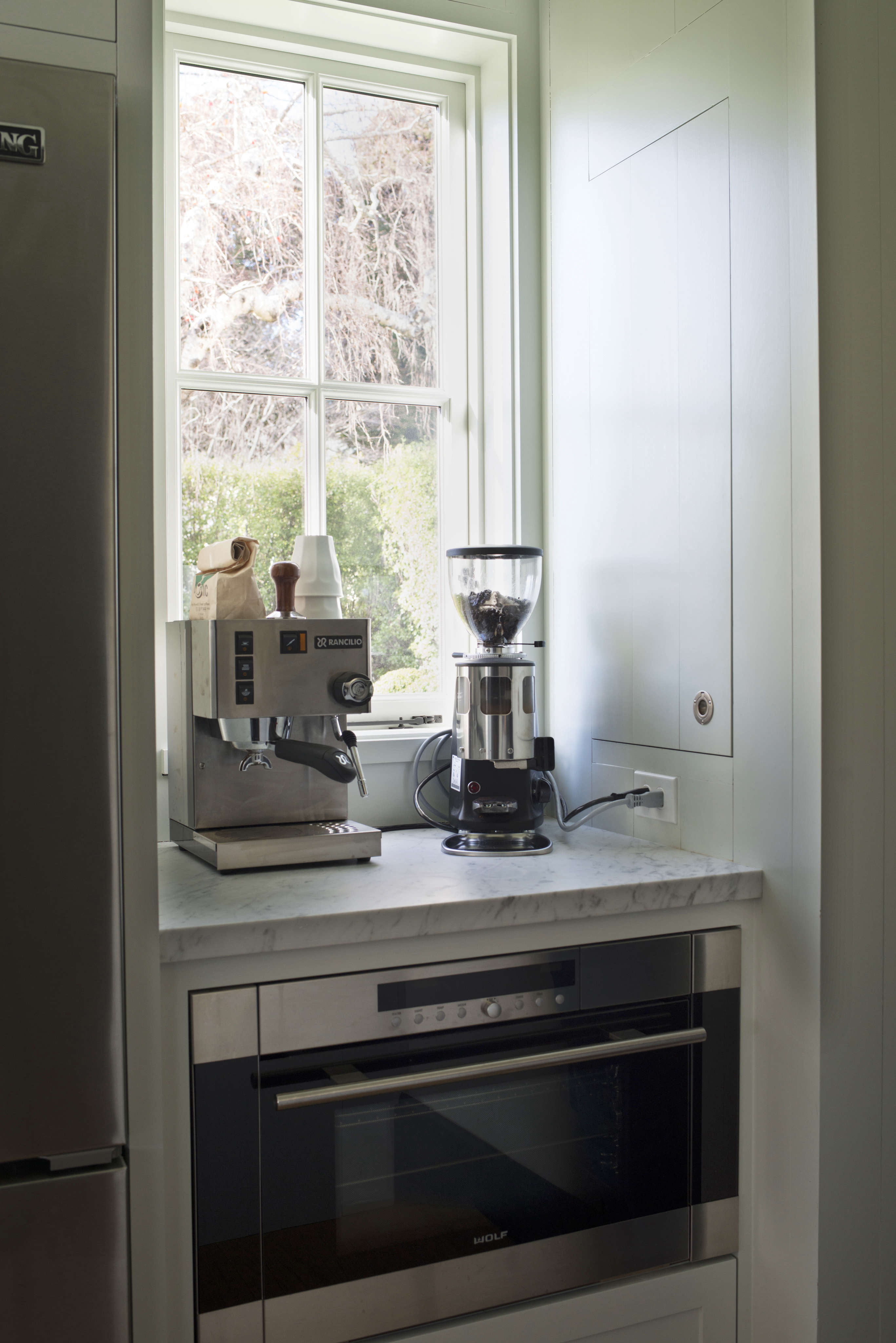
The Rancilio Silvia Espresso Machine is the kind of kitchen appliance that does not flirt, wink, or promise to make you a caramel cloud macchiato with one sleepy tap. It is a serious little stainless-steel box with a brass heart, a commercial-style portafilter, and the personality of an old-school Italian barista who believes you should learn how espresso works before asking for latte art shaped like a swan.
For home coffee lovers, that is exactly the appeal. The Rancilio Silvia is not a beginner toy, a pod machine, or a touchscreen robot with 38 drink icons. It is a semi-automatic espresso machine built for people who want control over grind size, dose, tamp, brew timing, milk texture, and all the tiny rituals that turn coffee from “morning fuel” into “why did I ever spend six dollars at a café?”
After synthesizing current product details, expert reviews, retailer specifications, and long-running home-barista discussions, one theme becomes obvious: the Rancilio Silvia is not perfect, but it is durable, respected, repairable, and capable of producing excellent espresso when paired with a good grinder and a patient user. It is a machine that rewards skill, not wishful thinking. In espresso terms, that is both a warning label and a love letter.
What Is the Rancilio Silvia Espresso Machine?
The Rancilio Silvia is a compact semi-automatic home espresso machine from Rancilio, an Italian company known for commercial coffee equipment. The Silvia has earned a loyal following because it borrows much of its attitude from professional machines: a sturdy stainless-steel body, a brass brewing group, a 58mm portafilter, a single brass boiler, and a manual control layout that keeps the user fully involved.
In plain English, this means the machine gives you the hardware to make café-quality espresso, but it does not do the thinking for you. You grind the coffee. You dose the basket. You tamp. You start and stop the shot. You decide when the boiler is ready. You steam the milk by hand. If the shot tastes sour, bitter, thin, or magical, the machine will politely stare back at you as if to say, “Interesting choice.”
The Silvia is often recommended for espresso enthusiasts who want to move beyond beginner machines without jumping into the price range of prosumer dual-boiler models. It is especially attractive to users who value build quality, long-term serviceability, and a learning-based espresso workflow.
Rancilio Silvia Key Specifications
The current Rancilio Silvia keeps the classic formula that made the machine famous. Depending on market and configuration, small details may vary, but the core design remains familiar.
- Machine type: Semi-automatic home espresso machine
- Boiler: Single brass boiler, approximately 0.3 liter
- Water tank: Built-in 2-liter reservoir
- Portafilter: Commercial-style 58mm chrome-plated brass portafilter
- Brewing group: Brass group
- Temperature control: Thermostat-based manual temperature regulation on the standard model
- Steam wand: Stainless-steel manual steam wand
- Pump: Vibration pump
- Body: Stainless-steel exterior
- Approximate size: About 9.3 inches wide, 11.4 inches deep, and 13.4 inches high
- Approximate weight: Around 30 pounds
Those numbers matter because they explain why the Silvia feels different from many entry-level espresso machines. A 58mm portafilter gives users access to a huge ecosystem of baskets, tampers, distribution tools, and bottomless portafilters. The brass boiler and group add thermal mass. The stainless-steel case gives the machine the reassuring presence of something that does not intend to retire early.
Design and Build Quality: Small Footprint, Big Attitude
The Rancilio Silvia looks clean, boxy, and unapologetically practical. It does not try to blend into your kitchen like a lifestyle gadget. It sits there like a tiny café machine that accidentally wandered into a home and decided to stay.
The stainless-steel housing is one of the Silvia’s strongest selling points. It gives the machine a premium feel and helps explain why many owners keep their Silvias for years. The control panel is simple, with rocker switches for power, brewing, hot water, and steam. There is no screen on the standard model, no app, no animated bean mascot, and absolutely no digital encouragement. Honestly, refreshing.
The drip tray is practical but not luxurious. The water reservoir is large enough for daily use, though refilling it from the top is usually easier than pulling it out completely. The machine is compact enough for most kitchens, yet heavy enough to feel planted when locking in the portafilter. That weight is not just for drama; it helps the machine feel stable during daily use.
Espresso Performance: Where the Silvia Earns Its Reputation
The Rancilio Silvia can produce rich, balanced, café-level espresso when the user understands the basics. That is the sentence many buyers want to hear. The next sentence is less glamorous: it can also produce disappointing espresso if paired with a weak grinder, stale beans, poor puck preparation, or random button pressing performed in a pre-caffeine fog.
The Silvia’s 58mm portafilter and solid brewing hardware give it real potential. With fresh coffee, a capable espresso grinder, proper dosing, and a sensible extraction target, it can pull shots with good body, crema, sweetness, and clarity. Many expert reviewers continue to praise the Silvia’s shot quality, especially compared with more convenience-focused machines.
However, the standard Silvia does not include PID temperature control. That means brew temperature is managed by thermostats, and users often practice “temperature surfing” to catch the boiler at a better brewing range. This sounds like something a coffee wizard invented to annoy beginners, and in a way, yes. But once learned, it becomes part of the ritual.
What Is Temperature Surfing?
Temperature surfing is a manual routine used to improve consistency on thermostat-controlled single-boiler espresso machines. Because the boiler cycles on and off, the water temperature rises and falls within a range. The user learns when to start the shot after the heating light changes, often flushing or waiting briefly to aim for a more stable brew temperature.
For casual users, this may sound fussy. For espresso hobbyists, it is Tuesday.
Milk Steaming: Powerful, Manual, and Slightly Dramatic
The Rancilio Silvia is famous for its strong steaming ability. Its manual stainless-steel steam wand can create excellent microfoam for cappuccinos, lattes, cortados, and flat whites. Compared with many beginner machines, the Silvia’s steam power feels more serious and more capable.
The trade-off is that the machine uses a single boiler. Brewing espresso and steaming milk require different temperatures, so you cannot brew and steam at the same time. After pulling a shot, you switch to steam mode and wait for the boiler to climb to steaming temperature. After steaming, the boiler is too hot for immediate espresso brewing, so it needs cooling or flushing before another shot.
For one or two drinks, this workflow is completely manageable. For a brunch crowd of six people waiting with mugs and judgmental eyebrows, the Silvia can feel slow. It is not a café production machine. It is a home machine for people who enjoy the process.
Ease of Use: Honest, Not Effortless
The Rancilio Silvia is easy to operate mechanically but harder to master. The switches are simple. The workflow is understandable. The machine itself is not confusing. What takes time is learning espresso.
Beginners may struggle with grind adjustment, channeling, shot timing, milk texture, and temperature management. The Silvia does not hide these mistakes. In fact, it exposes them with brutal honesty. A super-automatic machine might cover up user error with convenience. The Silvia hands you a mirror and says, “Let us talk about your puck prep.”
This is why the machine is often best for intermediate users, ambitious beginners, and home baristas who like tinkering. If you want push-button coffee before school, work, or your first coherent thought, a simpler machine may be better. If you want to learn how espresso actually behaves, the Silvia is a fantastic teacher.
The Grinder Matters More Than You Think
Buying a Rancilio Silvia without a proper espresso grinder is like buying a sports car and filling it with pancake syrup. Technically, something may happen, but nobody will be proud.
The Silvia requires finely and consistently ground coffee. A basic blade grinder will not work well. Many general-purpose burr grinders also struggle at espresso fineness. To get the best from the Silvia, pair it with a dedicated espresso grinder capable of small adjustments. Popular options often include grinders from Baratza, Eureka, Rancilio, DF, Mazzer, and other espresso-focused brands.
A good grinder helps you dial in shots, adjust for different beans, and maintain repeatability. In many home espresso setups, the grinder is at least as important as the machine. Sometimes it is more important. Painful for the budget, excellent for the coffee.
Rancilio Silvia vs. Silvia with PID
The standard Silvia uses thermostat-based temperature control. Some retailers and aftermarket specialists offer versions with a PID controller installed. A PID allows more precise control over brew temperature and may add features such as programmable pre-infusion or steam temperature adjustment, depending on the kit.
For users who want the Silvia’s build quality but dislike temperature surfing, a PID version can make the machine easier and more consistent. It does not turn the Silvia into a fully automatic machine, but it reduces one of the biggest learning hurdles.
Should you buy the standard model or a PID-equipped Silvia? The answer depends on personality. If you enjoy learning manual technique and want to save money upfront, the standard Silvia is still appealing. If you want better temperature repeatability and fewer variables, the PID version is easier to live with. If you regularly make several milk drinks back-to-back, you may want to consider the Silvia Pro X or another dual-boiler machine instead.
Rancilio Silvia vs. Gaggia Classic Pro
The Gaggia Classic Pro is one of the Silvia’s most common rivals. Both are compact Italian-style single-boiler machines with enthusiast appeal, manual operation, and strong communities. The Gaggia is often less expensive and popular with modifiers. The Silvia generally feels heavier, more substantial, and more powerful in steaming.
For budget-conscious beginners, the Gaggia can be a smart entry point. For users who want a sturdier machine with a more premium feel and are willing to pay more, the Silvia makes sense. Neither machine eliminates the need for a good grinder or good technique. Espresso remains espresso, the tiny beverage that somehow requires both engineering and emotional resilience.
Rancilio Silvia vs. Breville Bambino Plus
The Breville Bambino Plus is designed for convenience. It heats quickly, has a compact body, offers automatic milk steaming, and is friendly to beginners. The Rancilio Silvia is slower, heavier, more manual, and more demanding. These two machines serve different personalities.
Choose the Bambino Plus if you want fast drinks, easier milk frothing, and less fuss. Choose the Silvia if you value durability, manual control, traditional espresso workflow, and the satisfaction of improving your technique over time. The Bambino is the helpful roommate. The Silvia is the strict coach who eventually makes you better.
Cleaning and Maintenance
The Rancilio Silvia is relatively straightforward to maintain, but it does require consistency. Daily habits matter. After each session, wipe the steam wand, purge it briefly, clean the portafilter, empty the drip tray, and flush the group. Backflushing with water and periodic cleaning with espresso machine detergent help keep the group and solenoid valve clean.
Water quality is also important. Hard water can cause scale buildup inside the boiler and plumbing. Depending on your local water, filtered water or a proper water treatment strategy may reduce maintenance problems and protect flavor. Descaling should be done carefully according to manufacturer guidance or professional advice, especially because aggressive or improper descaling can create issues in espresso machines.
One advantage of the Silvia is its long-standing popularity. Parts, accessories, repair guides, and community knowledge are widely available. This makes it more appealing for owners who prefer repairable equipment over disposable appliances.
Who Should Buy the Rancilio Silvia?
The Rancilio Silvia is a strong choice for people who want a durable, hands-on espresso machine and are willing to practice. It is ideal for someone who enjoys weighing coffee, dialing in grind size, testing different beans, learning milk steaming, and slowly improving the morning routine from “drinkable” to “I may have become unbearable at brunch.”
It is also a good fit for users who value long-term ownership. The Silvia has been around for decades, and its reputation is built on serviceability, simplicity, and performance. It does not chase every modern convenience trend, which is exactly why many fans trust it.
Who Should Skip It?
The Silvia is not the best machine for everyone. Skip it if you want automatic drinks, built-in grinding, one-touch cappuccinos, instant heat-up, or effortless consistency with minimal learning. Also think twice if you often make multiple milk drinks in a row. A single boiler can handle milk drinks, but it will not be as efficient as a heat-exchanger or dual-boiler machine.
New users who are unwilling to buy a serious grinder may also be disappointed. The Silvia is capable, but it cannot rescue uneven grounds, old beans, or chaotic puck preparation. It is a precision tool, not a miracle toaster.
Best Accessories for the Rancilio Silvia
To get the most out of the Silvia, consider a few useful accessories:
- Espresso grinder: The most important companion purchase.
- Digital scale: Helps measure dose, yield, and shot time.
- 58mm tamper: A quality tamper improves puck consistency.
- Milk pitcher: Essential for steaming and pouring latte art.
- Bottomless portafilter: Useful for diagnosing channeling.
- Knock box: Keeps spent pucks from turning your trash can into a coffee swamp.
- Cleaning detergent: Needed for routine backflushing and maintenance.
These accessories are not just shiny coffee toys, although some of them are absolutely shiny coffee toys. They help create a more consistent workflow and make it easier to learn from each shot.
Real-World Experience with the Rancilio Silvia Espresso Machine
Living with the Rancilio Silvia feels a little like adopting a very talented but stubborn pet. At first, you think you are in charge. Then your first shot runs in twelve seconds, tastes like lemon peel and regret, and you realize the machine has enrolled you in espresso school without asking for tuition.
The first experience most users notice is the weight. The Silvia feels substantial when you unbox it. It does not have the hollow plastic feel common in many entry-level appliances. When you lock in the portafilter, the machine stays put. That sounds like a small thing until you have used a lighter machine that slides across the counter like it is trying to escape responsibility.
The second experience is the warm-up routine. The Silvia benefits from time. You can switch it on and pull a shot fairly soon, but better results usually come when the portafilter, group, and boiler have had time to heat thoroughly. Many owners develop a habit of turning it on, preparing breakfast, feeding the cat, questioning life choices, and then returning to a properly warmed machine.
Dialing in coffee on the Silvia teaches patience. A small grinder adjustment can change everything. One click too coarse and the shot gushes. One click too fine and the machine struggles like it is pushing espresso through a brick. Once dialed in, though, the Silvia can produce a deeply satisfying shot: syrupy body, lingering sweetness, and the kind of crema that makes you briefly consider opening a neighborhood coffee cart before remembering permits exist.
Steaming milk is another memorable part of the Silvia experience. The steam wand has enough power to texture milk beautifully, but it expects you to pay attention. Open the valve too aggressively and your milk may whirlpool like a tiny dairy tornado. Get the angle right, stretch the milk gently, then roll it into glossy microfoam, and suddenly your cappuccino looks less like a science accident and more like something worth serving.
The single-boiler workflow is the main daily compromise. Making one cappuccino is pleasant. Making two is fine. Making four requires choreography. You pull shots, switch to steam, wait, steam milk, cool the boiler, and repeat as needed. It is not difficult, but it is slower than machines designed for simultaneous brewing and steaming. If your household expects a latte assembly line every morning, the Silvia may start receiving unfair workplace complaints.
Cleaning becomes part of the rhythm. Knock the puck, rinse the basket, wipe the steam wand, purge, flush, empty the drip tray, and keep the counter from becoming a coffee archaeology site. The machine does not demand pampering, but it does reward responsible ownership. Like most espresso machines, it prefers clean water, clean parts, and users who do not pretend maintenance is optional.
Over time, the Silvia changes the way you think about coffee. You begin noticing roast dates, grind retention, extraction time, water hardness, basket size, and whether your tamp was level. This is either delightful or alarming, depending on your friends. The machine encourages curiosity. It makes the process visible. You taste your improvements directly in the cup.
The most satisfying experience comes when everything finally clicks. The grinder is dialed in. The machine is hot. The dose is right. The shot flows evenly, dark at first, then golden, then blonding at just the right moment. You steam milk into a glossy texture, pour something that is not quite a rosetta but no longer resembles a weather map, and take the first sip. That is when the Silvia makes sense. It is not popular because it is easy. It is popular because it makes the work feel worth it.
Final Verdict: Is the Rancilio Silvia Worth It?
The Rancilio Silvia Espresso Machine remains one of the most respected home espresso machines because it focuses on fundamentals: strong build quality, traditional components, manual control, and genuine espresso capability. It is not the easiest machine in its class, and it is not the fastest option for milk drinks. But for home baristas who want to learn, experiment, and own a machine with long-term credibility, the Silvia still makes a compelling case.
Its biggest strengths are durability, espresso quality, steam power, accessory compatibility, and repairability. Its weaknesses are the learning curve, lack of PID on the standard model, single-boiler workflow, and dependence on a proper grinder. In other words, the Silvia is not a shortcut. It is a craft machine.
If you want convenience first, buy something more automated. If you want to become better at espresso and enjoy the satisfying ritual of manual brewing, the Rancilio Silvia may become the most important appliance on your counter. Just be warned: once you start making better coffee at home, ordinary office coffee may begin tasting like a printer had a bad day.
Note: This article is written for web publication and is based on synthesized current product specifications, expert testing, retailer details, and long-running home espresso user experience.