

Note: This article is written for web publication and is based on synthesized product information, Japanese design history, Nambu Tekki cast iron background, and practical cast-iron cooking experience.
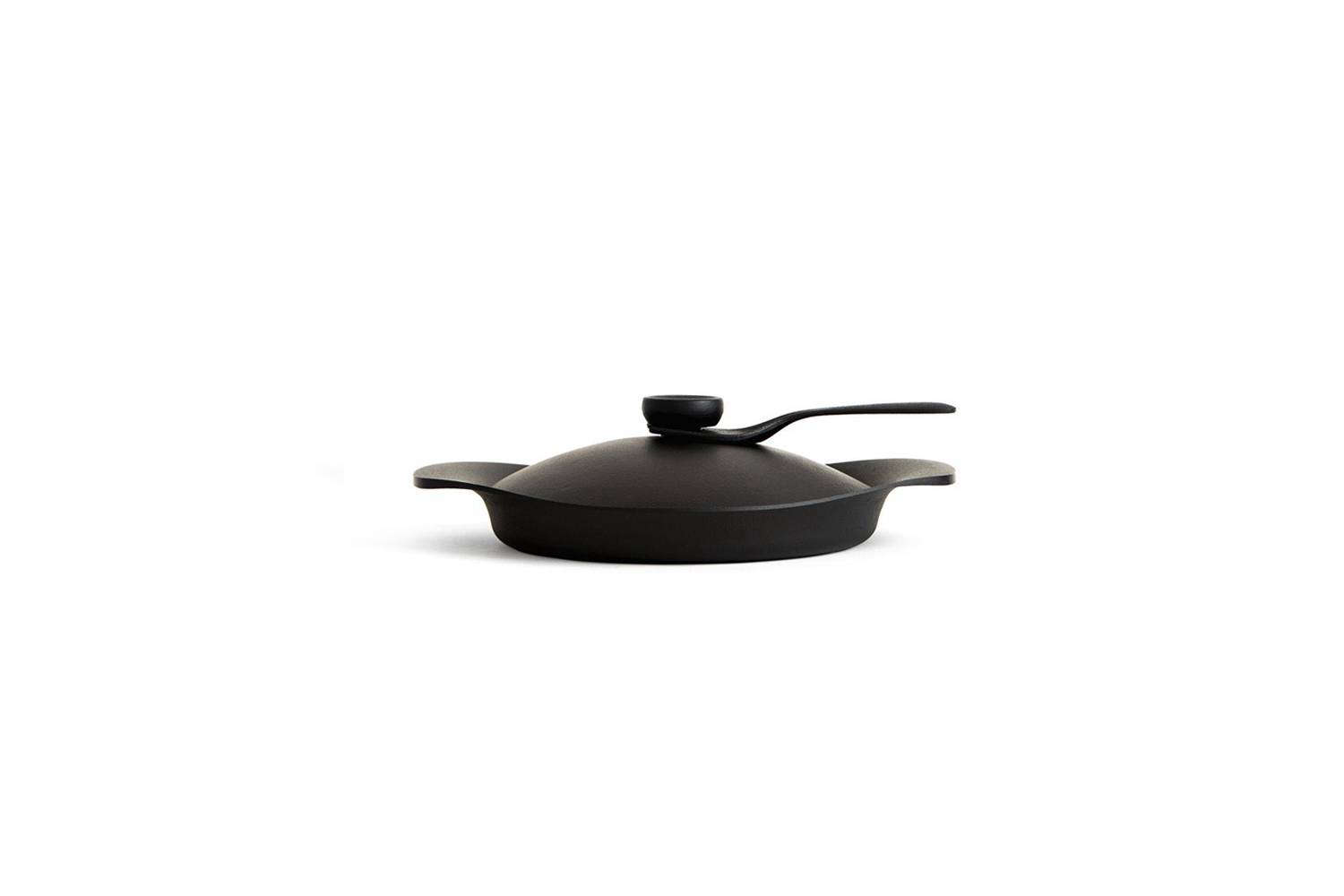
The Sori Yanagi Cast Iron Grill Pan is not the kind of kitchen tool that shouts for attention. It does not arrive wearing neon silicone handles or promising to turn Tuesday dinner into a televised cooking competition. Instead, it sits there quietly, heavy and confident, like it knows exactly what it was made to do. And frankly, it does.
Designed by legendary Japanese industrial designer Sori Yanagi, this grill pan blends traditional Nambu Tekki cast iron with the kind of clean, functional shape that makes design lovers start speaking in unusually poetic sentences. It is practical, handsome, durable, and just dramatic enough to make a mushroom look like it went to finishing school.
For home cooks searching for a compact Japanese cast iron grill pan that works beautifully on modern stovetops, the Sori Yanagi model is a serious contender. It is especially appealing for anyone who wants deep heat retention, attractive grill marks, and cookware that can move from stove to table without looking like it just escaped a campsite.
What Is the Sori Yanagi Cast Iron Grill Pan?
The Sori Yanagi Cast Iron Grill Pan is a Japanese-made grill pan commonly available in a 22 cm size. It is made from Nambu Tekki, a traditional form of Japanese cast iron associated with Iwate Prefecture. Unlike thin, lightweight pans that panic the moment a steak touches them, this pan is built to hold heat steadily and release it with purpose.
The pan usually features a ridged cooking surface, a compact oval or rounded rectangular form, and a shape that feels both modern and timeless. Depending on the version, it may be sold with or without a lid and detachable handle tool. Some listings describe it as induction compatible, while also suitable for gas and other common heat sources. As always, buyers should confirm the exact model details before purchasing, because cookware listings sometimes have more variations than a coffee shop milk menu.
Who Was Sori Yanagi?
Sori Yanagi was one of Japan’s most influential industrial designers. Born in Tokyo in 1915, he became known for creating everyday objects that were simple, organic, and deeply useful. His work included furniture, tableware, kitchen tools, and public design projects. What made Yanagi special was not flashiness. It was restraint.
Yanagi’s design philosophy came from a belief that true beauty grows naturally from function. That idea fits this grill pan perfectly. There are no decorative tricks here. The pan is beautiful because it makes sense. The handles, edges, weight, and proportions all serve the cooking process. It is the opposite of a gadget that needs a 47-page instruction manual and a motivational speech.
Why Nambu Tekki Cast Iron Matters
Nambu Tekki refers to traditional Japanese ironware with roots going back hundreds of years. It is especially associated with Morioka and Oshu in Iwate Prefecture. Historically, Nambu ironware included tea kettles, pots, and other household items prized for durability, heat retention, and craftsmanship.
In cookware, the appeal of Nambu Tekki is straightforward: it gets hot, stays hot, and develops character over time. Cast iron is not a disposable surface. It is a relationship. Treat it well and it becomes better with age. Neglect it, leave it wet in the sink overnight, and it will sulk in the form of rust. Fair enough.
The Sori Yanagi grill pan benefits from this heritage. Its thick cast iron body helps create strong searing performance, while the ridged base allows fat and juices to settle below the food. This gives vegetables, seafood, tofu, chicken, and meat the kind of charred lines that make dinner look intentional, even when the side dish is just whatever was left in the fridge.
Key Features of the Sori Yanagi Cast Iron Grill Pan
1. Compact 22 cm Size
The 22 cm format makes this pan ideal for smaller kitchens, apartments, couples, or solo cooks who do not want to wrestle a giant grill pan every time they crave seared eggplant. It is large enough for a steak, several skewers, sliced vegetables, or fish fillets, yet compact enough to store without reorganizing the entire cabinet.
2. Heavy Cast Iron Construction
The pan is not featherlight, and that is part of the point. Cast iron’s mass helps it store heat. Once properly preheated, it resists temperature drops when cold food lands on the surface. That means better browning, deeper flavor, and less of the sad gray steaming effect that happens when a pan loses courage halfway through cooking.
3. Raised Grill Ridges
The ridges create contact points for searing and allow excess moisture or fat to collect below. This is especially useful for foods like chicken thighs, salmon, zucchini, bell peppers, mushrooms, and tofu. You get attractive grill marks and a texture closer to outdoor grilling, minus the mosquito audience.
4. Induction Compatibility
Many versions of the Sori Yanagi cast iron grill pan are designed for induction use, along with gas and other stovetops. That makes it relevant for modern kitchens where induction cooking is becoming more common. Because cast iron can be intense on glass cooktops, lift the pan instead of dragging it. Your stovetop will thank you silently.
5. Stove-to-Table Looks
This pan is attractive enough to serve from directly. Place grilled vegetables, sliced steak, or blistered shishito peppers in it, bring it to the table, and suddenly dinner feels curated. It is not showing off. It is simply doing design correctly.
How It Performs in Real Cooking
The Sori Yanagi Cast Iron Grill Pan shines when used for high-heat searing and controlled grilling. It is not meant to replace a large outdoor grill, but it does a remarkable job of bringing grill-style cooking indoors. The key is patience. Cast iron needs preheating. Put food on too early and you may get sticking, pale surfaces, and emotional disappointment.
For best results, warm the pan gradually over medium to medium-high heat. Give it several minutes to absorb heat evenly. Then lightly oil the food rather than flooding the pan. This helps reduce smoke while still encouraging browning. Cast iron loves confidence, but it does not need a swimming pool of oil.
Steaks and pork chops develop bold grill marks when left undisturbed for a few minutes. Vegetables become sweeter and more concentrated. Tofu takes on crisp edges, especially if pressed beforehand. Fish can work beautifully, though delicate fillets require care, proper oiling, and a calm hand. If you are nervous, start with salmon before attempting a fragile white fish fillet that behaves like wet tissue paper with ambitions.
Best Foods to Cook in the Sori Yanagi Grill Pan
Grilled Vegetables
Zucchini, eggplant, asparagus, mushrooms, onions, and peppers are excellent choices. Slice them evenly, toss with oil, salt, and pepper, then grill until tender and marked. Finish with lemon juice or a splash of soy sauce for a simple Japanese-inspired touch.
Steak and Beef Slices
The pan’s heat retention makes it suitable for searing beef. Thin yakiniku-style slices cook quickly, while thicker steaks need careful timing. Because the pan is compact, avoid overcrowding. Too much food lowers surface temperature and turns grilling into steaming, which is how good intentions become cafeteria memories.
Chicken Thighs
Boneless chicken thighs are forgiving and flavorful. Marinate with soy sauce, ginger, garlic, and a little mirin or brown sugar, then grill over medium heat. Watch sweet marinades closely because sugar can burn before the chicken finishes cooking.
Tofu
Firm tofu becomes surprisingly satisfying in this pan. Press it well, slice into slabs, brush with oil, and grill until marked. Add miso glaze, teriyaki sauce, chili crisp, or sesame dressing after cooking. Tofu is quiet, but with grill marks it starts acting like it owns a leather jacket.
Seafood
Shrimp, scallops, and salmon are strong candidates. Keep the pan hot, oil the food, and resist moving pieces too soon. When protein releases naturally, it is usually ready to flip.
How to Season and Care for the Pan
Like most cast iron cookware, the Sori Yanagi grill pan benefits from proper seasoning. Seasoning is a thin layer of polymerized oil bonded to the metal surface. In plain English, it is what helps the pan resist rust and become more food-friendly over time.
Before first use, wash the pan gently, dry it completely, apply a very thin layer of neutral oil, and warm it until the oil bonds to the surface. Do not leave thick oil patches. More oil does not mean better seasoning; it means sticky disappointment.
After cooking, let the pan cool slightly, then clean it with warm water and a soft brush or sponge. A small amount of mild dish soap is generally acceptable for seasoned cast iron, despite old kitchen folklore claiming otherwise. The real enemies are soaking, dishwashers, and leaving the pan wet. Dry it thoroughly, warm it briefly if needed, and apply a whisper-thin layer of oil before storing.
Pros and Cons
Pros
The Sori Yanagi Cast Iron Grill Pan offers excellent heat retention, beautiful design, compact storage, and strong grilling performance. It is durable, visually appealing, and suitable for cooks who appreciate tools that last. It also carries the cultural appeal of Japanese design and Nambu Tekki craftsmanship.
Cons
It is heavier than aluminum or nonstick cookware. It also requires maintenance, especially drying and oiling. The ridged surface can be slightly more work to clean than a flat skillet. And because the pan is compact, it is not the best choice for cooking large family portions in one batch.
Who Should Buy the Sori Yanagi Cast Iron Grill Pan?
This pan is ideal for design-minded home cooks, cast iron fans, small households, apartment dwellers, and anyone who loves grilled food but does not always want to fire up an outdoor grill. It is also a smart choice for people who prefer buying fewer, better kitchen tools instead of collecting a drawer full of “miracle” gadgets that perform one task badly and then retire behind the blender.
However, it may not be the best option for someone who wants ultra-light cookware, dishwasher-safe convenience, or a completely nonstick experience. Cast iron rewards participation. If you want a pan you can abuse without consequence, this one will not stop you, but it will remember.
Buying Tips
When shopping for a Sori Yanagi Cast Iron Grill Pan, check the exact size, included accessories, lid availability, weight, and heat-source compatibility. Some listings include a lid and detachable handle, while others sell the grill pan alone. Confirm whether the model is induction compatible if you use an induction cooktop.
Also look carefully at shipping costs. Japanese cookware can be reasonably priced at the source but more expensive after international shipping, duties, or retailer markup. If the price looks unusually low, verify the seller’s reputation. A real Sori Yanagi pan should feel like a serious object, not a mystery metal souvenir from the bargain bin of destiny.
Experiences With the Sori Yanagi Cast Iron Grill Pan
Using the Sori Yanagi Cast Iron Grill Pan feels different from using an ordinary nonstick grill pan. The first thing you notice is the weight. It has presence. When you place it on the stovetop, it feels stable and deliberate, almost as if the pan is politely asking you to take dinner seriously. That does not mean cooking with it is difficult. It simply asks for a little patience.
The best experience starts with preheating. At first, it is tempting to rush. You put the pan on the burner, wait one minute, and think, “Good enough.” It is not good enough. Give the cast iron time to wake up. After several minutes over medium heat, the surface becomes much more capable. Vegetables begin to hiss when they touch the ridges. Chicken develops real browning. Tofu, which can be bland in the wrong pan, suddenly gains texture and attitude.
One of the most enjoyable things about this pan is how it changes simple ingredients. A few slices of eggplant brushed with oil and sprinkled with salt become smoky, soft, and deeply savory. Bell peppers blister nicely. Mushrooms shrink, brown, and taste more concentrated. Even leftover rice balls can be pressed lightly against the ridges until the outside crisps. It turns basic food into something that looks planned, which is extremely helpful when dinner was absolutely not planned.
Cleaning is not hard, but it is specific. The ridges need attention. A soft brush works better than a flat sponge because it reaches into the grooves. If bits cling to the pan, warm water and a brief rest usually loosen them. The trick is not to soak the pan and wander away. Cast iron does not enjoy spa days. Wash it, dry it, warm it briefly, oil it lightly, and it is ready for next time.
The pan also teaches portion control in the most practical way. Because it is not huge, overcrowding quickly becomes obvious. If too many vegetables are piled in, the pan stops grilling and starts steaming. Once you learn to cook in batches, the results improve dramatically. The food browns better, the grill marks look cleaner, and the flavor becomes more intense.
In daily use, the Sori Yanagi grill pan is not just cookware. It becomes part of the rhythm of cooking. It encourages slower preheating, better ingredient prep, and more mindful cleaning. That may sound romantic for a piece of iron, but good tools often change behavior. This pan nudges you toward better habits without making a speech about it.
The most satisfying moment is serving directly from the pan. Place grilled asparagus, salmon, or sliced beef on the table while the cast iron is still warm, and the meal instantly feels more special. The design is quiet enough for everyday dinners but refined enough for guests. It does not scream luxury. It simply looks useful, balanced, and beautifully made.
Overall, the experience is best described as calm confidence. The Sori Yanagi Cast Iron Grill Pan is not the fastest pan, the lightest pan, or the easiest pan to ignore. But once it earns a place in the kitchen, it becomes the pan you reach for when you want food with color, texture, and a little ceremony. And honestly, dinner could use more ceremonyespecially on nights when the main ingredient is “whatever is left in the fridge.”
Conclusion
The Sori Yanagi Cast Iron Grill Pan is a rare combination of beauty, utility, and heritage. It brings together Japanese industrial design, Nambu Tekki cast iron tradition, and everyday cooking performance in a compact pan that feels both elegant and hardworking.
It is not for everyone. If you want featherweight convenience or dishwasher cleanup, look elsewhere. But if you appreciate durable cookware, thoughtful design, and the joy of turning simple ingredients into deeply browned, grill-marked food, this pan deserves attention.
In a kitchen world full of noisy gadgets, the Sori Yanagi grill pan proves that quiet design can still make a bold statement. It does not need gimmicks. It just needs heat, food, and a cook willing to give it a few minutes to do what cast iron does best.