

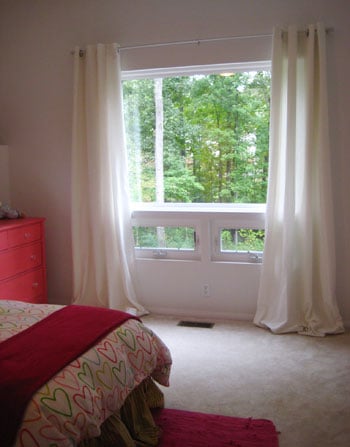
Some decorating tricks whisper. Others walk into the room wearing a tailored blazer and say, “You’re welcome.” Learning how to hang curtains wide and high over a window belongs to the second group. It is one of the easiest ways to make a room look taller, brighter, more finished, and more expensive without asking your bank account to do push-ups.
The idea is simple: instead of mounting a curtain rod directly on top of the window frame, place it higher on the wall and extend it wider than the window. This lets the curtain panels frame the glass instead of swallowing it. The window looks larger, the ceiling feels higher, and the room gets that polished “someone with a measuring tape lives here” effect.
Whether you are refreshing a living room, bedroom, dining nook, home office, rental apartment, or that one guest room currently decorated in “laundry basket chic,” this high-and-wide curtain method can transform the space. Let’s break down why it works, how to measure correctly, what mistakes to avoid, and how to make your window treatments look custom even when they came home in a plastic package from aisle seven.
Why Hanging Curtains High and Wide Works So Well
Curtains are not just fabric rectangles with commitment issues. They are visual architecture. When placed correctly, they can change how the eye reads the height, width, and balance of a room.
It Makes the Ceiling Look Taller
When you hang the curtain rod several inches above the window frameor even close to the ceilingthe eye naturally travels upward. This creates the illusion of height. Low-mounted curtains, on the other hand, can make a room feel squat, like the walls are wearing pants that are too short.
For most rooms, a good starting point is to mount the rod about 4 to 6 inches above the window trim. If there is enough wall space, you can go higher. In rooms with tall ceilings, placing the rod closer to the ceiling or just below crown molding adds elegance and drama. In rooms with low ceilings, the high placement is even more helpful because it visually stretches the wall.
It Makes the Window Look Wider
Extending the curtain rod beyond the window frame is the second half of the magic trick. Instead of stopping at the edge of the trim, let the rod run several inches past each side. Many designers recommend extending rods around 6 to 12 inches wider than the window, depending on the room, window size, and fabric fullness.
This gives the curtain panels a place to “stack” when opened. In normal human language: the fabric gathers on the wall instead of covering the glass. That means more daylight, a broader-looking window, and less of that gloomy “why is my window wearing a blanket?” feeling.
It Gives the Room a Finished Look
A bare window can look clean, but it can also look unfinished. Curtains add softness, texture, color, pattern, privacy, and movement. They help connect the window to the rest of the room. When hung high and wide, they look intentional instead of accidental. The difference is like wearing a wrinkled T-shirt versus a crisp button-down. Both technically cover you. One just says you tried.
The Best Curtain Rod Height: How High Should You Go?
The best height depends on your ceiling, window trim, and curtain length, but the general rule is clear: do not crowd the window frame. A rod mounted directly on the trim often makes the window look smaller. Give it breathing room.
Standard Height Rule
Mount the curtain rod at least 4 to 6 inches above the top of the window frame. This works in most average-height rooms and creates a more elegant look without requiring custom-length panels.
Ceiling-Height Placement
If your ceiling is 8 feet tall and your window sits low, consider mounting the rod closer to the ceiling. A 96-inch curtain panel often works well in many standard rooms when the rod is placed high. Always measure before buying, because curtains are not psychic and neither are return policies.
Just Below Crown Molding
If your room has crown molding, placing the rod just below it can look clean and architectural. This approach works especially well in dining rooms, bedrooms, and formal living areas where you want the curtains to feel like part of the room’s design rather than an afterthought.
How Wide Should Curtain Rods Extend?
Width is where many rooms lose their sparkle. If the rod is too narrow, the curtains block the window when open. This reduces light and makes the whole wall feel smaller. The goal is to let the curtain panels frame the window, not wrestle it into submission.
For a polished look, extend the rod at least 3 to 6 inches beyond each side of the window frame. For a fuller, more designer-style effect, extend it 8 to 12 inches on each side if wall space allows. Large windows, heavy fabrics, and formal rooms often benefit from the wider end of that range.
Here is a practical example: if your window frame is 48 inches wide and you add 10 inches on each side, your rod should be about 68 inches long, not including decorative finials. That extra width gives the curtain fabric room to rest on the wall when open, so the glass stays visible and the room stays bright.
Choosing the Right Curtain Length
Curtain length is where style meets geometry, and geometry occasionally brings snacks in the form of frustration. The safest, most polished option is floor-length curtains that either lightly touch the floor or hover about half an inch above it.
The “Kiss the Floor” Look
This is the tailored favorite. The curtain just meets the floor without bunching. It looks crisp, elegant, and intentional. It is ideal for living rooms, dining rooms, primary bedrooms, and any space where you want a grown-up finish.
The Slight Float
A curtain that floats about half an inch above the floor is practical, especially in homes with pets, children, robot vacuums, or people who trip over invisible air. It still looks neat while being easier to clean around.
The Puddle
A curtain puddle means the fabric extends beyond the floor and pools slightly. It can look romantic and luxurious with linen, velvet, or silk-like fabrics. However, it also collects dust and may annoy anyone who likes straight lines, clean floors, or not stepping on fabric before coffee.
How Full Should Curtains Be?
Fullness is the secret ingredient that keeps curtains from looking sad. A single skinny panel stretched across a window is not a design statement; it is a cry for help.
For a full, gathered look, choose curtain panels with a combined width of at least 1.5 to 2 times the width of the window. For a richer, more luxurious look, aim for 2 to 2.5 times the width. Sheer curtains often need more fullness because the fabric is light and transparent. Blackout curtains and lined drapes may need enough width to cover the window fully and block light at the sides.
For example, if your window is 60 inches wide, your total curtain panel width should usually be at least 120 inches for a full look. That could mean two 60-inch panels or wider panels depending on the style. The goal is soft folds, not flat fabric pretending to be a shower curtain.
Best Curtain Styles for a High-and-Wide Look
Almost any curtain style can work with high-and-wide placement, but some styles look more polished than others.
Pinch-Pleat Curtains
Pinch-pleat curtains have structured folds sewn into the top. They look custom, elegant, and classic. They are especially beautiful on rings or hooks and work well in formal living rooms, dining rooms, and bedrooms.
Grommet Curtains
Grommet curtains slide directly onto the rod through metal rings at the top. They are easy to install and widely available. The look is more casual and modern. They are great for apartments, family rooms, and quick upgrades.
Rod Pocket Curtains
Rod pocket curtains have a sewn channel at the top where the rod slips through. They create a gathered look but can be harder to open and close. Use them for decorative panels or windows where the curtains stay mostly in place.
Back-Tab Curtains
Back-tab curtains hide the rod behind fabric tabs, creating soft pleats without visible rings. They are a great middle ground: cleaner than grommets, easier than custom pleats, and polished enough for many rooms.
Fabric Choices That Add Polish and Style
Fabric determines how curtains fall, filter light, and contribute to the mood of a room. Light linen or cotton panels feel breezy and relaxed. Velvet feels dramatic and cozy. Sheers soften daylight and add privacy without making the room cave-like. Blackout curtains are ideal for bedrooms, nurseries, media rooms, and anyone who believes morning sunlight is a personal attack.
For a casual, airy room, choose linen, cotton, or cotton-linen blends. For a formal or cozy room, consider velvet, heavier woven fabrics, or lined drapes. For layered window treatments, pair sheer curtains with heavier panels on a double rod. The sheers provide daytime privacy and softness, while the outer curtains handle nighttime privacy, insulation, and drama.
Hardware Matters More Than You Think
Curtain hardware is the jewelry of the window. It does not need to shout, but it should coordinate with the room. A thin, flimsy rod can make nice curtains look cheap, while a sturdy rod with simple finials instantly improves the presentation.
Choose a rod strong enough for the weight of your curtains. Lightweight sheers can use slimmer rods. Heavy lined drapes or velvet panels need sturdier hardware and possibly a center support bracket. Match or complement the finish with other metals in the room, such as lamp bases, cabinet pulls, door handles, or picture frames. Matte black, antique brass, brushed nickel, and warm bronze are all versatile choices.
Step-by-Step: How to Hang Curtains Wide and High
Before drilling holes, gather your tools: tape measure, pencil, level, drill, screwdriver, wall anchors, screws, brackets, rod, curtains, rings or hooks if needed, and a ladder or sturdy step stool. Please do not balance on a dining chair while holding a drill. That is not DIY; that is an audition for a cautionary tale.
Step 1: Measure the Window Width
Measure the width of the window frame from outside edge to outside edge. Decide how far beyond the frame the rod should extend. Add that amount to both sides.
Step 2: Decide the Rod Height
Measure from the floor up to your desired rod placement. Common options include 4 to 6 inches above the window frame, halfway between the frame and ceiling, or just below crown molding.
Step 3: Choose Curtain Length
Measure from the rod placement down to the floor. Remember to account for rings, hooks, or clips, which can add length. Select panels that kiss the floor, float slightly, or puddle depending on your desired look.
Step 4: Mark Bracket Placement
Use a pencil and level to mark where each bracket will go. Check the height on both sides. Then check it again, because crooked curtain rods have a way of staring at you forever.
Step 5: Install Anchors and Brackets
If you are drilling into studs, screws may be enough. If you are drilling into drywall, use wall anchors rated for your curtain weight. Heavy curtains require strong support, especially on wide rods.
Step 6: Hang and Style the Curtains
Slide the panels onto the rod or attach them with rings, clips, or hooks. Place the rod on the brackets, secure it, and arrange the folds evenly. Steam or iron wrinkles for a polished finish. Wrinkles can make even expensive curtains look like they slept in a suitcase.
Common Curtain-Hanging Mistakes to Avoid
Hanging the Rod Too Low
This is the most common mistake. Low rods visually lower the ceiling and make windows look smaller. Raise the rod and let the room breathe.
Using Panels That Are Too Narrow
Narrow panels look flat and skimpy. Use enough fabric to create fullness, even if you rarely close the curtains.
Choosing Curtains That Are Too Short
Short curtains can make a room feel awkward. Unless you are using café curtains in a kitchen or bathroom, floor-length panels usually look more polished.
Ignoring the Stack Back
Stack back is the space where the curtain fabric sits when open. If the rod is too narrow, the panels cover the glass and block light. Extend the rod wider so the fabric rests mostly on the wall.
Skipping the Level
Your eyes may forgive many things. A crooked curtain rod is not one of them. Always use a level before drilling.
Room-by-Room Curtain Ideas
Living Room
Hang curtains high and wide to frame the main windows and make the living room feel larger. Neutral linen panels create a relaxed look, while patterned or velvet panels add personality. If your room has multiple windows, use the same rod height across all of them to create unity.
Bedroom
For bedrooms, consider layering blackout curtains over sheers. Hang both high and wide for softness and privacy. This setup looks luxurious and helps control morning light, which is excellent if you enjoy sleep and have strong opinions about sunrise.
Dining Room
Dining rooms can handle more drama. Floor-to-ceiling panels in a rich fabric make the space feel elegant. Hang the rod close to the ceiling and let the fabric kiss the floor for a tailored, restaurant-worthy effect.
Small Rooms
In small spaces, high-and-wide curtains can make the room feel less boxed in. Choose lighter fabrics and keep colors close to the wall color for an airy, expanded look.
Rental Apartments
If drilling is not allowed, use no-drill curtain rods, tension rods, or renter-friendly brackets where appropriate. You may not get the exact same high-and-wide effect, but you can still improve scale, softness, and privacy.
Designer-Looking Details That Make a Big Difference
Small finishing touches can make affordable curtains look far more expensive. Use curtain rings for smoother movement and a more finished top. Train the folds by gently arranging the fabric in even waves after hanging. Steam the panels. Choose rods that extend properly. Keep the curtain length consistent from window to window. If the panels are slightly too long, hemming them is worth the effort.
Another smart trick is to choose curtains close to the wall color for a calm, spacious effect. For contrast, use darker panels against light walls or patterned panels in a mostly neutral room. If you want polish without visual chaos, repeat a color already in the space, such as a tone from the rug, pillows, artwork, or upholstery.
Personal Experience: What I Learned From Hanging Curtains Wide and High
The first time I hung curtains wide and high, I was convinced it was one of those decorating rules invented by people who own seventeen throw pillows and say things like “negative space” at brunch. I had a perfectly normal window, a perfectly normal curtain rod, and a perfectly normal desire not to drill extra holes in the wall. Then I moved the rod up and out, and the room immediately looked as if it had received a promotion.
The biggest surprise was the light. Before, the curtains sat too close to the window, so even when they were open, the fabric blocked part of the glass. The room always felt a little dim, like it was waiting for someone to apologize. Once the rod extended wider, the panels stacked on the wall instead of the window. Suddenly, the room looked brighter, the window looked larger, and the whole wall felt more balanced.
I also learned that curtain length is not a tiny detail. It is the detail. My first panels hovered several inches above the floor, and they looked like they had outgrown themselves emotionally. Replacing them with longer panels that lightly touched the floor changed everything. The room looked taller, calmer, and more intentional. It was not a huge renovation. It was fabric with better manners.
Another lesson: always measure from the final rod position, not from the top of the window. This sounds obvious until you are standing in a store holding 84-inch panels and doing mental math with the confidence of a raccoon operating a calculator. Mark the rod height first, measure to the floor, then buy the curtains. Future you will be grateful and less likely to mutter near the returns counter.
Hardware also mattered more than expected. A sturdier rod made the curtains hang better, especially with heavier fabric. Rings helped the panels slide smoothly, and matching the rod finish to other metal accents made the window treatment feel connected to the room. The curtain rod did not need to be fancy; it just needed to look intentional and not bend in the middle like it had given up on life.
My favorite result was how the room felt afterward. High-and-wide curtains made the space look polished without making it feel stiff. They added softness around the window, improved privacy, and made the furniture arrangement look more complete. Even inexpensive curtains looked better because the proportions were right. That is the real magic of this trick: it is not about buying the most expensive fabric. It is about placing the fabric where it can do the most visual work.
If you are nervous about trying it, start with one window in a bedroom or living room. Use painter’s tape to mark the proposed rod height and width before drilling. Step back. Look at it during the day and at night. Most of the time, the higher and wider placement will look better almost immediately. And if anyone asks why your room suddenly looks taller, brighter, and more stylish, you can simply say, “Oh, just a little curtain strategy,” and enjoy sounding like a design genius.
Conclusion
Hanging curtains wide and high over a window is one of the most reliable ways to add polish and style to any space. It makes ceilings feel taller, windows look larger, rooms appear brighter, and even budget-friendly panels feel more custom. The keys are simple: mount the rod higher than the frame, extend it beyond the window sides, choose enough curtain width for fullness, select the right length, and finish the look with sturdy hardware and wrinkle-free fabric.
This is not just a decorating trick for perfect magazine rooms. It works in real homes, small apartments, busy family rooms, cozy bedrooms, and awkward windows that need a little visual encouragement. With careful measuring and smart placement, curtains can become one of the most powerful finishing touches in your home. They frame the view, soften the walls, and quietly announce that the room has officially gotten its act together.