

Note: This guide is for general land-clearing education. Before you cut, dig, burn, grade, or bring in equipment, check local permits, utility-marking rules, wetland and floodplain restrictions, stormwater requirements, burn bans, and safety regulations in your area.
Clearing land sounds wonderfully simple until you meet your first stump, discover a mystery wire, or realize that “a little brush” has somehow formed a botanical crime syndicate. Whether you want to build a home, plant a garden, open a driveway, create pasture, reduce wildfire fuel, or simply make your property walkable again, learning how to clear land the right way can save money, protect your soil, and prevent the kind of weekend disaster that becomes a family legend.
Good land clearing is not just “remove everything green and hope for the best.” It is a planned process that balances safety, drainage, soil health, erosion control, equipment choices, disposal, and the future purpose of the site. The best results come from removing what must go, protecting what should stay, stabilizing bare ground quickly, and resisting the temptation to turn your lot into a moonscape with tire tracks.
Below is a practical 12-step guide to clearing land safely, efficiently, and with fewer surprises hiding in the weeds.
Before You Begin: Know What Kind of Land Clearing You Need
Land clearing can mean many things. A homeowner may only need to remove vines, saplings, and old debris from a backyard. A rural landowner may need forestry mulching for acres of overgrown brush. A builder may need full site preparation with grading, erosion controls, and access roads. The method changes depending on the goal.
For a small garden bed, hand tools, tarps, sheet mulching, and a rented brush cutter may be enough. For thick undergrowth, large trees, stumps, slopes, wet ground, or construction preparation, professional help is often the smarter and safer choice. A chainsaw does not automatically make someone a logger, just as owning a frying pan does not make someone a brunch restaurant.
How to Clear Land: 12 Steps
1. Define Your End Goal First
Start with the future use of the land. Are you clearing for a lawn, driveway, food garden, pond, building pad, pasture, trail, firebreak, or view? Each goal requires a different finish. A building site needs stable access, drainage planning, and compacted structural areas. A garden needs preserved topsoil and minimal compaction. A woodland trail may only need selective trimming and removal of hazardous trees.
Sketch a simple site plan. Mark existing trees, slopes, low spots, fences, buildings, utilities, drainage paths, and areas you want to protect. Decide what stays, what goes, and what needs professional evaluation. This plan becomes your “please do not bulldoze my favorite oak” insurance policy.
2. Check Permits, Restrictions, and Property Rules
Before removing trees or grading soil, contact your city, county, homeowners association, conservation district, or local building department. Many U.S. jurisdictions regulate tree removal, grading, erosion control, stormwater runoff, floodplain development, and work near streams or wetlands.
If the land includes a creek, pond, drainage ditch, wetland, floodplain, or saturated low area, pause before disturbing soil. Projects that place fill or dredged material into protected waters or wetlands may require federal, state, or local review. Even private property can have environmental restrictions. This is not the fun part, but neither is receiving a stop-work order while standing next to a rented excavator that costs money by the hour.
3. Call 811 Before Any Digging
Call 811 or submit a request through your state’s 811 center a few business days before digging, trenching, stump removal, fence installation, grading, or deep planting. Utility companies will mark the approximate location of buried public utility lines with flags or paint.
Do not skip this step because “there probably isn’t anything there.” Underground lines are not impressed by confidence. Gas, electric, water, sewer, cable, and communication lines may cross unexpected places, especially on older properties or lots with past structures. Also remember that 811 typically marks public utility lines, not every private line, such as irrigation, landscape lighting, private gas lines, or electric lines to sheds. Hire a private locator if needed.
4. Walk the Site and Flag Hazards
Do a slow inspection before starting. Look for dead trees, leaning trunks, hanging limbs, old wells, metal scraps, glass, nails, wire fencing, hornet nests, poison ivy, animal burrows, unstable slopes, standing water, and hidden rocks. Mark hazards with bright tape or flags.
Identify trees worth saving. Healthy mature trees can provide shade, wildlife habitat, property value, erosion control, and beauty. Protect their root zones by keeping heavy equipment away from the area under the canopy whenever possible. Soil compaction around roots can damage trees long after the clearing work looks finished.
5. Create an Erosion and Drainage Plan
Bare soil is vulnerable soil. Once vegetation is removed, rain can carry sediment downhill, clog drainageways, wash out driveways, and create gullies. On sloped sites, erosion can happen faster than you expect. Plan how water will move across the property before you expose large areas of ground.
Use practical controls such as mulch, straw, compost, erosion-control blankets, silt fence, wattles, temporary seeding, preserved buffer strips, and diversion channels where appropriate. Keep vegetation near streams, ditches, and property edges when possible. Stabilize disturbed areas as soon as work pauses or ends. A good rule of thumb is simple: do not clear more land than you can protect.
6. Choose the Right Clearing Method
The best method depends on acreage, vegetation, terrain, budget, and how clean the finished site must be.
Manual clearing works for small areas, light brush, garden beds, and selective work around desirable plants. Tools may include loppers, pruning saws, mattocks, shovels, brush hooks, rakes, tarps, and wheelbarrows.
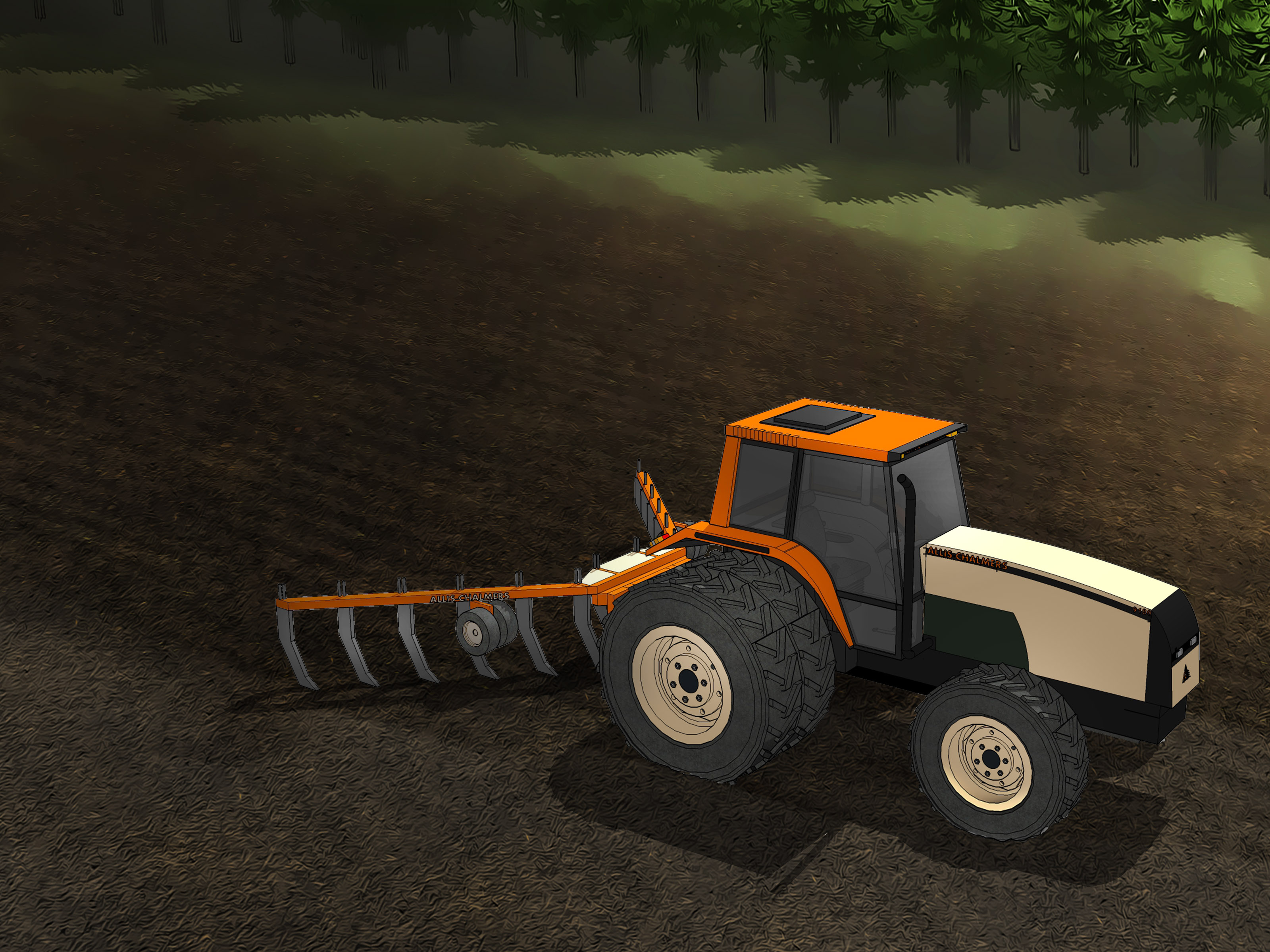
Mechanical clearing uses brush cutters, skid steers, tractors, excavators, dozers, stump grinders, or forestry mulchers. It is faster for larger areas but can compact soil, damage roots, and disturb drainage if used carelessly.
Forestry mulching grinds brush and small trees in place, leaving a mulch layer that helps reduce erosion and returns organic matter to the surface. It is often useful for trails, firebreaks, fence lines, and overgrown acreage. However, it may not remove roots, large stumps, buried debris, or grading problems.
Selective clearing removes problem vegetation while preserving valuable trees and natural buffers. This is often the best option when improving woodland, wildlife habitat, or a property’s appearance without stripping the site bare.
7. Gather Safety Gear and Use Tools Properly
Land clearing is hard on people and equipment. Wear eye protection, gloves, long pants, sturdy boots, hearing protection, and a helmet when working under trees or around falling limbs. Chainsaw work requires chainsaw chaps, face protection, hearing protection, and training. Never operate a chainsaw alone, above your skill level, near power lines, or on unstable footing.
Inspect tools before use. A dull saw, cracked handle, loose chain, or damaged blade can turn a normal task into an emergency-room field trip. Keep bystanders and pets away from the work zone. If a tree is large, leaning, storm-damaged, tangled, hollow, near a structure, or close to wires, hire a qualified tree professional.
8. Remove Trash, Old Fencing, and Surface Debris
Before cutting vegetation, remove junk that can damage equipment or injure workers. Old wire fencing, concrete chunks, tires, bottles, roofing metal, buried posts, and abandoned farm materials are common on rural lots. Brush can hide debris like it is being paid to do so.
Sort debris as you go. Recycle metal where possible, haul trash to an approved facility, and keep clean organic material separate from contaminated material. Do not chip or burn treated lumber, painted wood, plastics, household trash, or unknown materials.
9. Clear Grass, Weeds, Vines, and Small Brush
Start with the smaller growth. Mow tall grass if the ground is safe and dry. Cut weeds and brush with a brush cutter, string trimmer with a blade attachment, scythe, loppers, or hand saw. Pull seedlings and small shrubs when the soil is moist enough to release roots.
For vines, cut them near the ground and remove roots where possible. Avoid yanking large vines from trees, because dead branches may come down with them. For invasive plants, identify the species before disposal. Some plants spread from seeds, berries, roots, rhizomes, or cut stems, so hauling them carelessly can create a new infestation somewhere else. In some cases, cut-stump herbicide treatment may be appropriate, but always follow the product label and local rules.
10. Remove Trees and Stumps Strategically
Tree removal should be planned, not improvised. Decide which trees must be removed for safety, access, sunlight, construction, or disease control. Fell small trees only if you understand lean, escape routes, hinge wood, binding, kickback, and the direction of fall. Clear two escape paths before cutting, and keep people out of the danger zone.
After trees are down, deal with stumps according to the future use of the land. For a natural area or trail, low-cut stumps may be acceptable. For a lawn, garden, driveway, or building site, stumps and major roots usually need grinding, pulling, excavation, or professional removal. Stump grinding is often less disruptive than excavation, but it leaves roots underground. Excavation removes more material but disturbs soil and may create holes that need proper backfilling and compaction.
11. Process Brush, Logs, and Organic Debris
Land clearing creates more material than most people expect. Branches multiply when no one is looking. Decide early whether debris will be chipped, stacked, composted, hauled away, milled, used as firewood, placed in habitat piles, or removed by a contractor.
Clean woody material can often be chipped into mulch for paths, erosion control, or future landscaping. Leaves, grass, and small plant material can be composted if they are free of invasive seeds, disease concerns, and contaminants. Larger logs may become firewood, saw logs, rustic edging, or wildlife features. Burning brush may be allowed in some rural areas, but it often requires permits and must follow local burn bans, air-quality rules, and fire-safety restrictions. Never assume burning is legal just because smoke exists elsewhere in the county.
12. Grade, Stabilize, and Restore the Site
Once unwanted vegetation and debris are gone, finish the site for its intended use. Fill holes, remove trip hazards, shape drainage, loosen compacted planting areas, add compost where needed, and establish cover quickly. Seed grass, plant native groundcovers, install mulch, or use erosion-control fabric on slopes.
Avoid running heavy equipment over future garden beds, tree root zones, or lawn areas when the soil is wet. Wet soil compacts easily, and compacted soil sheds water, limits root growth, and makes future landscaping harder. If equipment must cross sensitive areas, use designated paths, mats, mulch layers, or temporary access routes. The goal is to finish with land that is usable, stable, and alivenot just shaved clean.
Common Land Clearing Mistakes to Avoid
Clearing Too Much at Once
Removing all vegetation from a large area can invite erosion, weeds, mud, and drainage problems. Clear in phases when possible, especially on slopes or near water.
Ignoring Soil Health
Topsoil is valuable. Scraping it away or compacting it with heavy equipment makes future planting more difficult. Save and reuse topsoil when grading allows.
Working in Wet Conditions
If tires leave deep ruts or boots sink heavily, wait. Wet clearing often creates more repair work than progress.
Using the Wrong Equipment
A small brush cutter is not a bulldozer. A bulldozer is not a finish grader. Match the tool to the job, the terrain, and the result you want.
Forgetting About Regrowth
Many shrubs, vines, and invasive plants resprout after cutting. Plan follow-up mowing, pulling, stump treatment, mulching, or replanting. Clearing land is often the first battle, not the entire war.
Practical Example: Clearing a Half-Acre Homesite
Imagine a half-acre lot with tall grass, saplings, a few mature trees, old fencing, and a slight slope toward a drainage ditch. A smart plan would begin with permits, 811 utility marking, and a walk-through to flag trees worth saving. Next, the owner would remove trash and wire fencing, mow or cut tall grass, clear brush in manageable sections, and chip clean branches for mulch.
Large trees near the future driveway or building pad would be handled by professionals. Stumps in the construction area would be removed completely, while stumps in natural areas might be ground or left low if safe. Silt fence or straw wattles would protect the ditch, and bare areas would be seeded or mulched quickly. Instead of flattening everything, the finished site would preserve shade trees, manage runoff, and create a stable area for the next phase of work.
Experience Notes: What Clearing Land Teaches You Fast
The first real lesson of land clearing is that vegetation has layers. From the road, a lot may look like grass and a few innocent trees. Once you step inside, you discover the secret society: thorny vines wrapped around saplings, saplings growing through old fence wire, rocks sitting exactly where your shovel wants to go, and one stump that appears to have trained for the Olympics. This is why experienced landowners walk the site slowly before touching a tool. Ten minutes of looking can prevent ten hours of wrestling with the wrong problem.
The second lesson is that debris volume is wildly deceptive. A small tree on the stump becomes a large tree on the ground. Ten shrubs become a brush pile the size of a compact car. If you do not plan where material will go, you end up moving the same branches three times, which is nature’s way of charging interest. The efficient approach is to create zones: logs here, brush there, chips near the path, trash in a trailer, and invasive material separated for proper disposal. Organization is not glamorous, but neither is tripping over the same branch all afternoon.
The third lesson is that soil remembers everything. Drive a machine over wet ground and the ruts may stay long after the excitement fades. Scrape away topsoil and future plants will complain in the form of yellow leaves, poor growth, and dramatic refusal to thrive. People often focus on removing what is above ground, but the future success of the project depends on what happens below ground. Protect planting areas, avoid unnecessary traffic, and put organic matter back whenever possible.
The fourth lesson is that selective clearing usually looks better than total clearing. Beginners often want to remove every tree and shrub so the property looks “clean.” Then summer arrives, the sun bakes the ground, weeds explode, and the lot looks less like a dream property and more like a parking lot with ambition. Keeping healthy trees, native plants, and buffer strips can reduce heat, protect wildlife, slow runoff, and make the finished space feel established instead of stripped.
The fifth lesson is that land clearing is not one event. It is a process. Brush resprouts. Seeds germinate after sunlight reaches the soil. Vines return if roots remain. A cleared area needs follow-up mowing, mulching, planting, or monitoring. The best projects replace unwanted growth with wanted growth quickly. Nature dislikes empty space and will decorate it for you if you do not make the first move.
Finally, clearing land teaches patience. The safest, cleanest projects happen in stages: plan, mark, cut, remove, stabilize, restore, and maintain. Rushing usually creates extra work. A calm weekend with sharp tools, clear piles, good gloves, and a realistic plan beats a heroic one-day battle that ends with a broken wheelbarrow and a suspicious rash. Land clearing rewards steady effort. It also rewards snacks.
Conclusion
Learning how to clear land is about more than cutting brush and removing trees. The best results come from planning the project, checking rules, marking utilities, protecting soil, choosing the right tools, handling debris responsibly, and stabilizing the site quickly. Whether you are clearing a small backyard corner or preparing rural acreage, think beyond “empty ground.” Think access, drainage, safety, regrowth, and long-term use.
Done well, land clearing turns an overgrown property into a useful, healthy, manageable space. Done poorly, it creates mud, erosion, damaged trees, compacted soil, and a brush pile that stares at you judgmentally for months. Take the measured route. Your future garden, driveway, pasture, or homesite will thank you.