

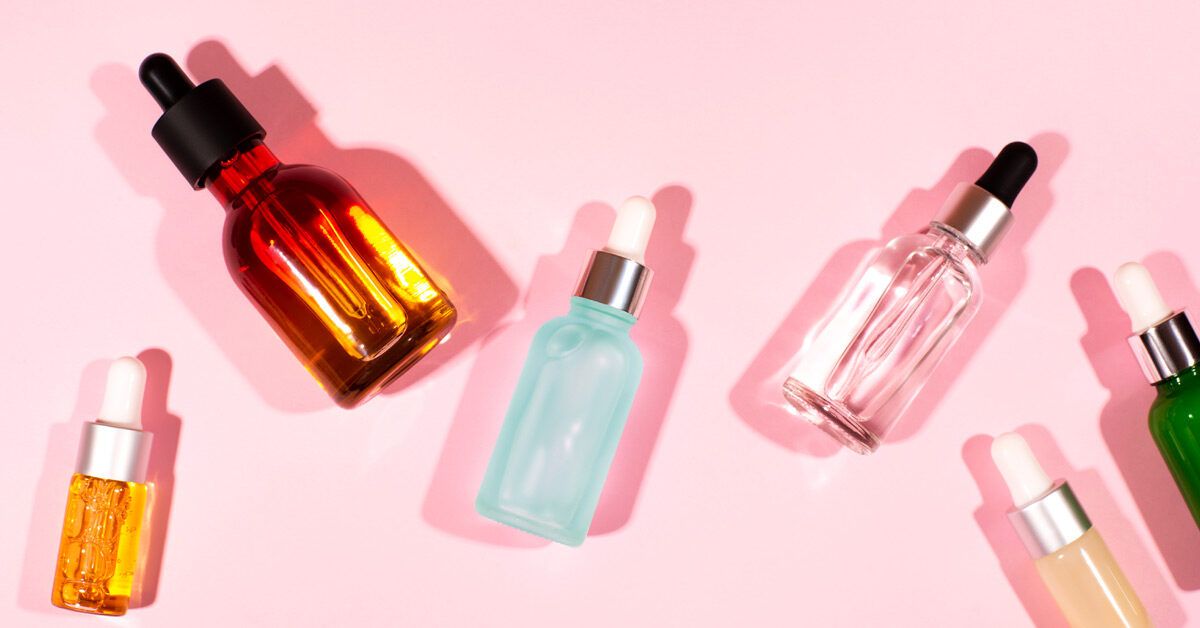
Face serum is the tiny bottle on the bathroom shelf that somehow looks both scientific and suspiciously expensive. But behind the dropper, glossy label, and promises of “radiance” lives a practical skin-care idea: a serum is usually a lightweight, concentrated treatment designed to target a specific concern, such as dryness, dullness, uneven tone, fine lines, clogged pores, or a weakened skin barrier.
Unlike a moisturizer, which mainly seals in hydration and supports the skin’s outer layer, a face serum often delivers active ingredients in a thinner texture. That does not mean it magically teleports through your skin like a beauty wizard. It means the formula is made to spread easily, layer well, and focus on certain ingredients in useful amounts. When chosen wisely, serum can be one of the most effective steps in a simple routine. When chosen randomly, it becomes a very elegant way to irritate your face and drain your wallet.
This guide explains the benefits of face serum, what dermatology experts generally recommend, how to choose ingredients by skin concern, and how to use serum without turning your skin-care routine into a 14-step group project.
What Is Face Serum?
A face serum is a leave-on skin-care product with a lightweight texture, usually applied after cleansing and before moisturizer. Serums may be water-based, gel-like, milky, or oil-based, depending on the formula. Most are designed around active ingredients such as vitamin C, hyaluronic acid, niacinamide, retinol, peptides, salicylic acid, glycolic acid, lactic acid, azelaic acid, or ceramides.
The biggest difference between serum and moisturizer is purpose. A moisturizer helps reduce water loss and keeps the skin barrier comfortable. A serum is more targeted. Think of moisturizer as your skin’s cozy sweater and serum as the highly opinionated specialist who shows up with a clipboard and a plan.
You do not need a serum to have healthy skin. The true basics are gentle cleansing, moisturizing, and daily sunscreen. But if you want to address a specific issue, such as dark spots, rough texture, dehydration, or early signs of aging, the right serum can be a helpful upgrade.
Top Benefits of Face Serum
1. Serum Can Deliver Targeted Ingredients
The main benefit of face serum is precision. Instead of using one heavy cream and hoping it does everything except file your taxes, you can choose a serum based on one primary goal. For example, vitamin C is commonly used for brightness and antioxidant support. Hyaluronic acid and glycerin help with hydration. Retinoids help improve the look of fine lines, uneven texture, and clogged pores. Niacinamide supports the skin barrier and may help with redness, oiliness, and uneven tone.
This targeted approach is especially useful because skin concerns are not all the same. Dry cheeks, acne-prone areas, and dark spots need different strategies. A serum lets you add one focused treatment without overloading the entire routine.
2. Hydrating Serums Can Make Skin Look Plumper
Hydration is one of the quickest benefits people notice from a face serum. Ingredients like hyaluronic acid, glycerin, panthenol, and aloe can attract water to the upper layers of the skin. When the skin is well hydrated, it often looks smoother, softer, and more flexible. Fine lines caused by dehydration may appear less obvious, especially around the eyes, mouth, and forehead.
Hyaluronic acid is popular because it is a humectant, meaning it binds water. But here is the important part: a hydrating serum works best when followed with moisturizer. If you apply hyaluronic acid and then skip moisturizer in a dry environment, your skin may not get the cushiony result you expected. The serum brings hydration to the party; moisturizer helps keep it from leaving early.
3. Antioxidant Serums Help Defend Against Environmental Stress
Vitamin C serum is famous for a reason. As an antioxidant, vitamin C helps neutralize free radicals caused by UV exposure, pollution, and daily environmental stress. Free radicals can contribute to visible skin aging, uneven tone, and dullness. Used consistently, vitamin C may help brighten the skin, soften the look of discoloration, and support collagen production.
Experts often recommend vitamin C in the morning under sunscreen. The two are not interchangeable. Vitamin C is not sunscreen, and sunscreen is still the non-negotiable adult in the room. But together, they can make a smart daytime routine: antioxidant support first, broad-spectrum SPF after.
Vitamin C can be tricky because some forms, especially L-ascorbic acid, are unstable and may degrade when exposed to light, heat, or air. Look for opaque or air-restrictive packaging, and store the product away from direct sunlight. If your serum turns dark brown or smells oddly metallic, it may be past its prime. Skin care should not look like old apple juice.
4. Retinol Serums Can Improve Texture and Fine Lines
Retinol and other retinoids are among the most studied ingredients for visible signs of aging and uneven texture. They work by encouraging skin cell turnover and supporting collagen production over time. With consistent use, retinol serums may help soften the appearance of fine lines, improve rough texture, reduce clogged pores, and fade some uneven pigmentation.
The catch is that retinol can irritate the skin, especially at first. Dryness, peeling, stinging, and redness are common when people start too aggressively. The expert-friendly approach is simple: begin slowly. Use a pea-sized amount at night two or three times per week, apply moisturizer, and increase only if your skin tolerates it. More retinol does not mean more results. It often means more flaking, more regret, and more dramatic mirror conversations.
People who are pregnant, trying to become pregnant, or breastfeeding should ask a health professional before using retinoids. Anyone with eczema, rosacea, severe sensitivity, or active irritation should also check with a dermatologist before jumping in.
5. Niacinamide Serums Support the Skin Barrier
Niacinamide, a form of vitamin B3, is popular because it plays nicely with many skin types. It can help support the skin barrier, improve moisture retention, reduce the appearance of redness, balance oiliness, and soften the look of uneven tone. It is often recommended for people who want a calmer, steadier routine rather than a dramatic “before and after” moment by Tuesday.
That said, niacinamide is now in everything: serums, moisturizers, sunscreens, foundations, and probably someone’s emotional support lip balm. Layering too many niacinamide products may cause irritation for some people. A moderate concentration in one product is usually enough. Skin likes consistency, not a buffet of identical ingredients.
6. Exfoliating Serums Can Smooth Dull, Uneven Skin
Some serums contain chemical exfoliants such as glycolic acid, lactic acid, mandelic acid, or salicylic acid. Alpha hydroxy acids, including glycolic and lactic acid, help loosen dead skin cells on the surface, which can improve dullness and rough texture. Salicylic acid, a beta hydroxy acid, is oil-soluble and often used for clogged pores, blackheads, and acne-prone skin.
Exfoliating serums can be helpful, but they are also easy to overuse. If your skin feels tight, shiny, hot, itchy, or unusually sensitive, you may be exfoliating too often. Start once or twice a week at night. Avoid using exfoliating acids on the same night as retinol unless your dermatologist specifically says your skin can handle it.
7. Serums Can Help Fade the Look of Dark Spots
Dark spots, post-acne marks, melasma, and uneven tone are common reasons people shop for serums. Ingredients often used for discoloration include vitamin C, niacinamide, azelaic acid, kojic acid, licorice extract, tranexamic acid, and retinoids. These ingredients work in different ways, so the right choice depends on the cause of the discoloration and your skin type.
The most important rule for fading dark spots is daily sunscreen. Without sun protection, brightening serums are like mopping the floor while the sink is still overflowing. UV exposure can darken existing spots and trigger new ones. For best results, use a broad-spectrum sunscreen every morning and reapply when outdoors.
How to Choose the Best Face Serum for Your Skin
For Dry or Dehydrated Skin
Look for hyaluronic acid, glycerin, panthenol, squalane, ceramides, and peptides. Apply hydrating serum to slightly damp skin, then seal it with moisturizer. If your face feels comfortable for ten minutes and then tight again, your skin may need a richer moisturizer rather than another serum.
For Oily or Acne-Prone Skin
Consider niacinamide, salicylic acid, azelaic acid, or a gentle retinoid. Choose non-comedogenic formulas when possible. Avoid stacking multiple acne actives at once, especially benzoyl peroxide, salicylic acid, exfoliating acids, and retinol in the same routine. Your pores may appreciate the enthusiasm, but your barrier may file a complaint.
For Dullness and Uneven Tone
Vitamin C, niacinamide, azelaic acid, and gentle exfoliating acids can be useful. Vitamin C is often best in the morning, while exfoliating acids and retinol are usually better at night. If your skin is sensitive, start with niacinamide or a vitamin C derivative rather than a strong L-ascorbic acid formula.
For Fine Lines and Texture
Retinol, retinaldehyde, peptides, vitamin C, and hyaluronic acid can all play a role. Retinoids are the classic choice for long-term texture improvement, while hyaluronic acid gives faster visible hydration. Peptides may support a smoother look, especially when paired with a good moisturizer and sunscreen.
For Sensitive Skin
Choose fragrance-free formulas with soothing ingredients such as niacinamide, panthenol, centella, colloidal oatmeal, ceramides, or low-strength hyaluronic acid. Avoid introducing retinol, acids, and strong vitamin C all at the same time. Sensitive skin does not enjoy surprise parties.
How to Use Face Serum Correctly
Using serum correctly matters as much as buying the right one. A great formula can still disappoint if it is layered poorly or used too often.
- Cleanse gently. Start with a mild cleanser that does not leave your skin squeaky or tight.
- Apply serum in a thin layer. Most serums need only a few drops or a pea-sized amount.
- Follow with moisturizer. This helps support the barrier and reduces irritation from active ingredients.
- Use sunscreen every morning. This is essential when using vitamin C, retinol, exfoliating acids, or brightening ingredients.
- Introduce one product at a time. Give your skin two to four weeks before adding another active product.
A simple morning routine might be cleanser, vitamin C or hydrating serum, moisturizer, and sunscreen. A simple evening routine might be cleanser, retinol or barrier-support serum, and moisturizer. That is enough for most people. Your skin does not need a board meeting every night.
Common Mistakes to Avoid
Using Too Many Active Ingredients
One serum can be helpful. Five serums can be chaos in tiny bottles. Combining vitamin C, retinol, exfoliating acids, and acne treatments too quickly can damage the skin barrier and cause burning, peeling, or breakouts. If your routine makes your face sting every day, that is not “purging.” That is your skin asking for a union representative.
Skipping Sunscreen
Many serum benefits depend on sun protection. Brightening ingredients, retinoids, and exfoliating acids cannot do their best work if UV exposure keeps triggering damage. Use broad-spectrum SPF 30 or higher every day, especially when spending time outdoors.
Expecting Overnight Results
Hydrating serums may make skin look better quickly, but ingredients for dark spots, fine lines, and texture take time. Retinol and brightening serums often need eight to twelve weeks or longer for visible improvement. The skin is not slow to annoy you when irritated, but it is slow to reward consistency.
Ignoring Irritation
Some tingling can happen with certain active ingredients, but burning, swelling, rash, or persistent redness is not a good sign. Stop the product, simplify your routine, and consider talking with a dermatologist if irritation continues.
Expert Advice: What Dermatology Pros Want You to Know
Experts generally agree on a few practical points. First, skin-care basics matter more than trends. A gentle cleanser, moisturizer, and sunscreen should come before advanced serums. Second, choose ingredients based on your actual skin concern, not whatever is trending on social media this week. Third, stronger is not always better. A lower-strength serum used consistently is often more effective than a powerful product your skin can only tolerate once before launching a rebellion.
Another key point: cosmetic products are regulated, but most cosmetics do not require FDA approval before they hit the market. That means consumers should read labels, avoid exaggerated claims, and be cautious with products promising medical-level transformations. If a serum claims it can erase wrinkles permanently, rebuild your face, and make your ex text you back, please step away from the checkout cart.
For persistent acne, melasma, rosacea, eczema, severe dryness, or sudden skin changes, a dermatologist can help identify the cause and recommend safer, more effective treatment. Serums can support healthy-looking skin, but they are not replacements for medical care.
of Real-Life Experience: What Using Face Serum Actually Feels Like
The most relatable experience with face serum starts with excitement and ends with learning patience. Many people buy their first serum expecting instant glass skin. They cleanse, apply the product, stare into the mirror, and wait for their pores to pack up and move out. Unfortunately, skin does not work like a phone filter. The first few days usually reveal texture, hydration, or irritation more than transformation.
A common beginner experience is trying a hyaluronic acid serum and noticing that makeup sits a little better. The skin may feel bouncier, especially when the serum is applied to damp skin and followed with moisturizer. This is the “oh, I get it now” serum moment. It is not dramatic. No choir sings. But the face looks less tired, and the cheeks feel less like parchment paper. For people in dry climates or air-conditioned rooms, this kind of serum can be a small daily comfort.
Vitamin C serum is a different journey. At first, it may feel like nothing is happening. Then, after several weeks of steady morning use, some people notice that their skin looks a bit brighter and less dull. Post-acne marks may soften slowly. The key word is slowly. Vitamin C is not a magic eraser; it is more like a polite assistant who shows up every morning, does some antioxidant paperwork, and gradually improves the office lighting.
Retinol serum usually teaches the biggest lesson: respect the instructions. Many people start with too much, too often, because enthusiasm is free and barrier repair is not. The result can be dryness around the mouth, peeling near the nose, or a shiny tightness that says, “Congratulations, you have overdone it.” The better experience is boring but effective: a small amount at night, moisturizer before or after, and rest days in between. After a few months, the payoff may include smoother texture, fewer clogged pores, and a more even look.
Niacinamide serum often feels like the dependable friend of the group. It may not create a dramatic overnight change, but it can make the routine feel calmer. People with oily skin may notice less midday shine. People with redness-prone skin may appreciate the gentler feel. The trick is not to layer niacinamide in every product. Too much of a good thing can still be too much, like adding three motivational quotes to one bathroom mirror.
The biggest real-world lesson is that the best serum is the one your skin tolerates and you can use consistently. A $15 serum that fits your routine beats a luxury bottle that causes irritation or sits untouched because it feels complicated. Patch testing helps. Starting slowly helps. Keeping the routine simple helps most of all.
In daily life, face serum works best when it becomes a quiet habit rather than a dramatic event. Cleanse, apply, moisturize, protect with sunscreen, repeat. The glow is not just from one ingredient; it comes from consistency, realistic expectations, and not declaring war on your skin every Sunday night.
Conclusion
Face serum can be a smart addition to your skin-care routine when you choose it for a specific reason. Hydrating serums can make skin look smoother and plumper. Vitamin C serums can support brightness and antioxidant defense. Retinol serums can help with texture, fine lines, and clogged pores over time. Niacinamide can support the skin barrier and calm the look of uneven tone or oiliness. Exfoliating serums can improve dullness when used carefully.
The best expert advice is refreshingly simple: start with the basics, pick one serum based on your skin’s needs, introduce it slowly, moisturize, and wear sunscreen daily. Face serum is not a miracle in a dropper, but used wisely, it can be a highly useful tool for healthier-looking skin. And honestly, any product that teaches patience while making your bathroom shelf look slightly more professional deserves a little respect.
Note: This article is for educational purposes and is based on established dermatology and skin-care guidance. It is not a substitute for personalized advice from a dermatologist or qualified healthcare professional.