

Note: This article is written as web-ready body HTML in standard American English, with product information synthesized from real Nodi Rug references, rug-care guidance, and interior design best practices.
Why Nodi Rugs Pebble Weave Still Gets Design Lovers Talking
Some rugs enter a room quietly. Others stroll in wearing a tiny linen blazer, clear their throat, and politely announce, “I am the texture now.” Nodi Rugs Pebble Weave belongs to the second group. It is not flashy in the “look at me, I have seventeen colors and a personality crisis” sense. Instead, it wins attention through touch, material, and that relaxed natural look designers love because it makes a room feel styled without looking like it tried too hard.
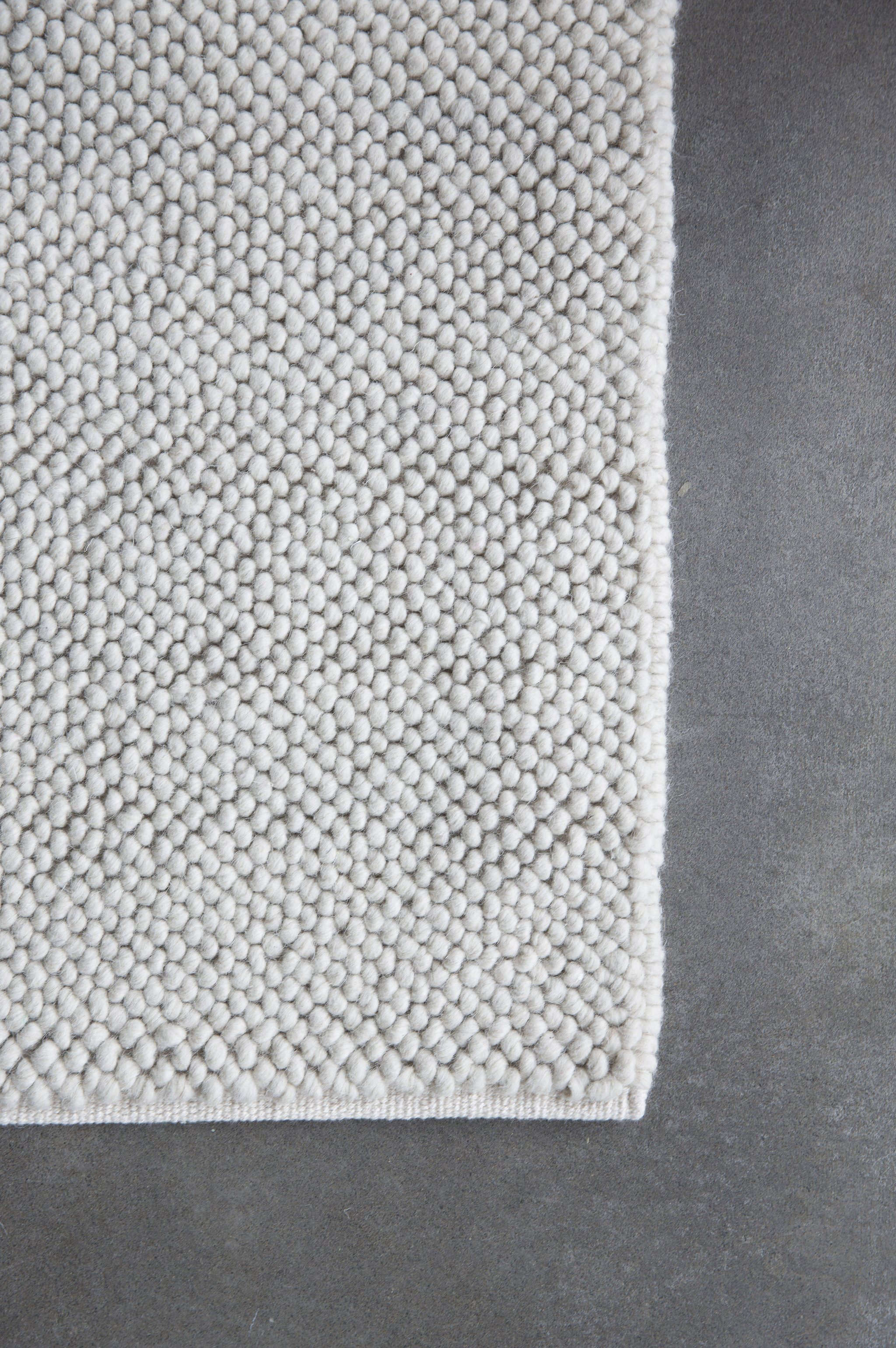
Nodi, a New Zealand textile studio known for natural handwoven rugs and carpets, has built its reputation around honest materials, tactile surfaces, and pieces that feel connected to everyday living. The Pebble Weave rug reflects that philosophy beautifully. It is associated with a chunky, soft wool texture that resembles small rounded stones, only friendlier to bare feet and much less likely to make you question your life choices at 6:30 a.m.
At its core, the appeal of the Nodi Pebble Weave rug is simple: it brings softness, warmth, and sculptural texture to a room without overwhelming the furniture around it. In modern interiors, where neutral palettes, natural materials, and calm spaces are still highly desirable, this kind of rug acts like a visual anchor. It grounds the room, softens hard surfaces, and adds enough texture to keep minimalist spaces from feeling like a waiting room for expensive silence.
What Is the Nodi Pebble Weave Rug?
The Nodi Pebble Weave is best understood as a textured wool rug designed for comfort and atmosphere. Archived product descriptions describe it as made from felted wool with a cotton warp, while Nodi’s own product language around Pebble Weave has highlighted hand-combed or hand-spun New Zealand wool and a soft, gently textured feel. In practical terms, that means the rug is not trying to mimic a flat, printed surface. It is about dimension, touch, and visible craft.
The word “pebble” is doing useful work here. The weave gives the surface a rounded, organic rhythm, similar to stones smoothed by water. But unlike actual pebbles, which are charming until you step on one barefoot, this wool construction is designed to feel warm and cozy underfoot. That makes it especially appealing in spaces where people actually live, lounge, read, nap, snack, stretch, negotiate with pets, or watch three episodes of a show they claimed they were “just testing.”
Key Design Characteristics
The defining feature of Nodi Rugs Pebble Weave is its texture. It is chunky but refined, casual but elevated, and natural without looking rustic in an unfinished way. The rug’s surface creates shadow and movement, which helps neutral rooms feel layered. In design language, this is called “tactile interest.” In normal human language, it means the room stops looking flat.
Colors historically associated with the Pebble Weave collection include soft neutrals such as ivory, gray, husk, and similar earthy tones. These shades are practical because they work with many interior styles: Scandinavian, coastal, Japandi, modern farmhouse, contemporary organic, and that very specific Pinterest look called “I drink coffee from handmade mugs and own one perfect wooden chair.”
Why Wool Matters in a Pebble Weave Rug
Wool is one of the main reasons this rug feels premium. A wool rug has a natural resilience that helps it recover from compression better than many weaker fibers. It also offers softness, warmth, acoustic comfort, and a familiar lived-in quality. In a Pebble Weave construction, wool’s springy character supports the rounded texture, helping the surface feel plush rather than limp.
Wool is also naturally suited to homes because it can handle ordinary daily use when cared for properly. It is not magic, of course. A wool rug will not clean itself, pay your electric bill, or convince your dog to stop treating the hallway like a racetrack. But compared with many delicate decorative floor coverings, a well-made wool rug is a strong choice for spaces where comfort and durability both matter.
Texture, Warmth, and Sound Softening
One underrated benefit of a substantial wool rug is how it changes the sound of a room. Wood floors, concrete, tile, and open-plan layouts can bounce noise around like a toddler with a drum set. A textured wool rug helps absorb some of that echo and makes a room feel calmer. Add the Pebble Weave’s thicker surface, and the effect becomes both visual and sensory.
This is why the rug works so well in living rooms and bedrooms. In a living room, it creates a comfortable zone for seating. In a bedroom, it softens the first step out of bed, which is important because nobody should begin the day by greeting a cold floor like it personally offended them.
Where Nodi Rugs Pebble Weave Works Best
The Pebble Weave rug is best placed where its softness can be appreciated and where furniture is not constantly scraping across its surface. Living rooms, bedrooms, reading corners, nurseries, home offices, and studies are all strong candidates. The rug is especially effective in rooms that need natural warmth but do not need loud pattern.
Living Room Styling
In the living room, a Pebble Weave rug works beautifully under a sofa and coffee table. Because the texture is already visually rich, it pairs well with clean-lined furniture, linen upholstery, leather chairs, wood tables, and simple ceramics. If your sofa is plain, the rug adds depth. If your room already has strong art or sculptural lighting, the rug supports the look without fighting for attention.
For sizing, the safest approach is to go larger rather than smaller. A rug that is too small can make even nice furniture look as if it is standing awkwardly at a school dance. Ideally, at least the front legs of the sofa and chairs should sit on the rug. In larger rooms, placing all furniture legs on the rug creates a more unified seating area.
Bedroom Styling
In bedrooms, the Pebble Weave texture brings quiet luxury. Place the rug under the bed so it extends generously on both sides and beyond the foot. This makes the bed feel anchored and gives your feet a soft landing. Pair it with linen bedding, warm wood, paper lamps, boucle chairs, or simple cotton curtains for a natural layered look.
Neutral wool rugs are particularly useful in bedrooms because they do not visually shout. A bedroom should feel restful, not like it is trying to sell you a limited-edition sneaker. The Pebble Weave look gives the room personality while keeping the mood calm.
Home Office or Study
A study or home office can benefit from a textured wool rug because it adds comfort and reduces visual harshness. However, be careful with rolling desk chairs. Chunkier weaves are not ideal under chairs with casters because the wheels can pull or stress the surface. If you want the rug in an office, position it under a lounge chair, reading nook, or stationary desk setup rather than directly beneath a rolling chair.
How to Choose the Right Size
Choosing rug size is where many rooms go from “almost there” to “why does this feel weird?” The Nodi Pebble Weave has enough texture to command attention, so scale matters. A rug should support the furniture layout, not sit in the middle of the room like a postage stamp with ambition.
Living Room Size Tips
For most living rooms, common area rug sizes such as 8-by-10 feet or 9-by-12 feet often work better than smaller options. The rug should be wider than the sofa, usually by several inches on both sides. If the seating area floats in the room, the rug should extend beyond the furniture enough to visually hold everything together.
Dining Room Caution
Although textured wool rugs can look gorgeous in dining rooms, Pebble Weave may not be the most practical option under chairs that move constantly. Dining chairs need to slide smoothly without catching on a textured surface. If used in a dining room, the rug must be large enough for chairs to remain fully on the rug when pulled out. Even then, households with young kids, enthusiastic pasta nights, or red wine optimism may prefer a flatter, easier-to-clean rug.
How to Care for a Nodi Pebble Weave Rug
Good rug care is not complicated, but it does require consistency. Wool rugs appreciate gentle handling. Think of it as caring for a nice sweater, except the sweater lives on the floor and occasionally meets popcorn.
Vacuum Gently
New wool rugs often shed at first. This is normal for many handmade and natural-fiber rugs, especially those with substantial texture. The loose fibers usually settle over time with regular gentle vacuuming. Use suction rather than an aggressive beater bar, and avoid grinding the vacuum into the surface. If a long fiber appears, trim it carefully with scissors instead of pulling it.
Handle Spills Immediately
For spills, act quickly. Scoop up solids first, then blot liquid with a clean white cloth. Work from the outside of the spill toward the center so the stain does not spread. Do not rub aggressively, because rubbing can push the spill deeper and disturb the wool fibers. Also avoid over-wetting the rug. Too much moisture can create bigger problems than the original spill, which is deeply unfair but very real.
Rotate the Rug
Rotate the rug every few months, especially if one side receives more foot traffic or sunlight. Rotation helps the rug wear more evenly and prevents one area from becoming the designated “everyone walks here forever” zone.
Use a Rug Pad
A quality rug pad can improve comfort, reduce slipping, protect the floor, and help extend the rug’s life. Choose a pad suitable for your floor type. On hardwood, avoid cheap adhesive pads that may leave residue or discoloration. A good rug pad is not glamorous, but neither is slipping sideways while carrying coffee.
Design Pairings: What Looks Good With Pebble Weave?
The beauty of the Nodi Pebble Weave rug is that it works with many materials. Because the texture is organic and the colors are typically neutral, it pairs easily with wood, stone, leather, linen, cotton, rattan, ceramic, and brushed metal.
Best Furniture Pairings
Low-profile sofas look especially good with a textured wool rug because they let the rug’s surface remain visible. Wood coffee tables add warmth, while glass tables can make the texture more visible from above. Boucle or linen chairs reinforce the soft, natural feeling. Leather furniture creates a pleasing contrast: smooth against nubby, polished against earthy.
Best Color Palettes
For a calm interior, combine Pebble Weave with warm whites, oatmeal, stone, taupe, clay, mushroom, and soft gray. For a richer look, add walnut wood, olive green, rust, charcoal, or deep brown. If the rug is ivory or husk-toned, darker furniture can create contrast. If the rug is gray or heathered, warmer woods and creamy textiles keep the room from feeling cold.
Is Nodi Rugs Pebble Weave Worth It?
For buyers who value natural materials, handmade texture, and quiet luxury, the Nodi Pebble Weave rug makes a strong case for itself. It is not the cheapest type of rug, and it is not designed to behave like a machine-washable synthetic mat. Its value lies in craft, material quality, softness, and the way it changes the feeling of a space.
It is best for people who want a rug that feels substantial and looks timeless. It may not be ideal for messy dining rooms, damp areas, outdoor spaces, or places where furniture is dragged around daily. But in a living room, bedroom, or cozy study, it can be the piece that makes everything else look intentional.
Experience Notes: Living With a Pebble Weave-Style Wool Rug
Living with a rug like Nodi Rugs Pebble Weave is less about owning a floor covering and more about changing the rhythm of a room. The first thing people usually notice is not the color. It is the texture. A flat rug can be beautiful, but a pebble-style wool weave has presence. It catches light differently throughout the day. In the morning, the rounded wool texture can look soft and quiet. By evening, with lamps on, the shadows between the weave create depth, almost like the room has gained another layer.
The underfoot experience is the real selling point. In a bedroom, stepping onto a thick wool weave feels noticeably different from stepping onto a thin rug or bare wood. It makes the room feel warmer before the heat even kicks in. In a living room, it encourages people to sit lower, stretch out, or put their feet down instead of perching stiffly on the sofa like guests at a very formal tea party where nobody knows who invited the parrot.
There are practical realities, too. A textured wool rug asks for a little patience at the beginning. Some shedding is expected, and the first few vacuum sessions may produce more fluff than seems reasonable. This does not automatically mean anything is wrong. It usually means loose fibers from the weaving and finishing process are working their way out. Gentle vacuuming helps. Aggressive vacuuming does not. The rug is not a gym opponent; it does not need to be defeated.
In everyday use, the Pebble Weave style rewards thoughtful placement. It feels wonderful beside a bed, under a coffee table, or in a reading nook. It is less ideal beneath a rolling office chair or a dining table where chairs scrape back and forth several times a day. The texture that makes it beautiful also deserves respect. Put it where people can enjoy the softness without constantly attacking the weave with chair legs.
One of the best experiences with this type of rug is how easily it upgrades simple furniture. A basic sofa, plain curtains, and a wood table can suddenly look curated when grounded by a natural wool rug. The room feels warmer, calmer, and more expensive, even if the side table is secretly from a sale section and one lamp only works when the cord is angled just right.
The rug also teaches a useful design lesson: texture can be as powerful as pattern. Many homeowners think they need bold prints to make a room interesting. Sometimes they only need better materials. A neutral Pebble Weave rug can add movement without visual clutter. It makes a space feel designed, but not decorated to death. That is the sweet spot many modern homes are trying to reach.
Over time, the best part may be how naturally the rug settles into daily life. It becomes the spot where the dog naps, where books land, where kids build questionable pillow forts, and where adults stand barefoot while pretending they are only going to watch one more episode. In that sense, Nodi Rugs Pebble Weave is not just about aesthetics. It is about creating a softer place for ordinary moments, which, honestly, is what good design should do.
Conclusion
Nodi Rugs Pebble Weave stands out because it combines natural wool, handwoven character, and a soft sculptural texture that feels both relaxed and refined. It is the kind of rug that does not need loud color or complicated pattern to make a room feel complete. Its strength lies in material, proportion, and touch.
For living rooms, bedrooms, and quiet studies, the Pebble Weave look offers warmth, comfort, and timeless appeal. Choose the right size, place it where the texture can shine, care for it gently, and it can become one of those home pieces that people notice without quite knowing why. That is the quiet magic of a great rug: it does not just cover the floor; it changes how the whole room feels.