

Note: This original article is written for web publication in standard American English and synthesizes publicly available product, design, ceramic safety, and tableware care information without copying source text.
A Small Ceramic Dish With a Big Personality
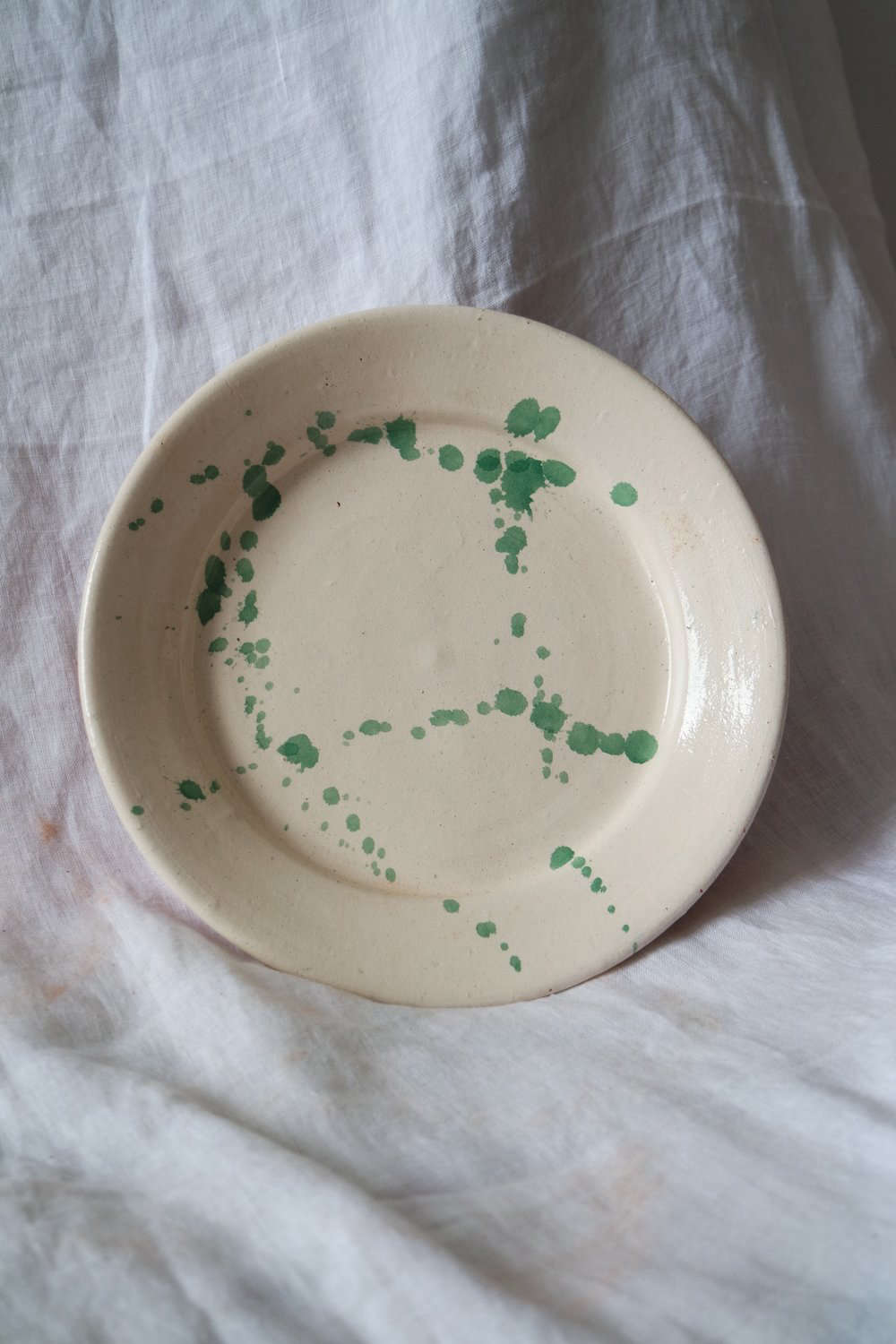
June Design Studio’s Dish/ Ceramic Tableware is the kind of object that quietly walks into a room and makes your plain white dinner plate feel like it should have tried harder. Listed as a ceramic tabletop piece by June Design Studio, the dish belongs to a ceramic tableware series associated with Alentejo, Portugal, a region known for clay work, hand production, and a slower, craft-driven rhythm. At the time of its Remodelista listing, the dish was priced at €12, which puts it in that delightful category of “small luxury that does not require a financial intervention.”
What makes this dish interesting is not only its function. Yes, it can hold olives, fruit, nuts, a small salad, a slice of cake, or the emergency cookie you pretend is “for later.” But the real charm is in the way handmade-style ceramic tableware changes a table. A ceramic dish has weight, texture, shine, tiny irregularities, and a sense of human presence. It does not look like it rolled out of a factory with 40,000 identical cousins. It feels chosen.
That matters because modern dining has changed. People are no longer saving attractive dishes for holidays, guests, or the annual dinner party where everyone panics about which fork to use. Today, thoughtful ceramic tableware is part of everyday living. Breakfast can look intentional. A weeknight pasta dish can look like it came from a tiny restaurant with exposed brick and suspiciously expensive olive oil. A small ceramic dish can turn snacks into “a spread,” which is mostly the same snacks arranged with confidence.
What Is June Design Studio’s Dish?
June Design Studio’s Dish is described as part of a ceramic tableware series created by June Design Studio and produced in Alentejo. The product falls under tabletop and dinnerware, with ceramic listed as the material. That combination tells us several useful things. First, this is a design-forward object rather than a generic kitchen item. Second, it is connected to a region where pottery is not merely decorative; it is part of a living craft tradition. Third, the dish is meant to be seen, handled, used, and probably admired by someone who says, “Wait, where did you get this?” while reaching for another almond.
The dish also fits a broader movement in interior design and home entertaining: the return of character. For years, tabletop design leaned heavily on perfect matching sets, glossy uniformity, and minimalist dinnerware so polite it practically whispered. Now, designers and home cooks are embracing layered tables, handmade finishes, organic shapes, speckled glazes, visible brushwork, and pieces that suggest a real person had a hand in making them.
That is where June Design Studio’s ceramic dish shines. It does not have to dominate the table. It works as an accent piece, a serving dish, a small plate, a decorative tabletop object, or a companion to a ceramic jug, glass vase, linen napkin, wooden board, or rustic bread basket. In other words, it is flexible. And in the world of tableware, flexibility is underrated. Nobody wants a dish that only works when Mercury is in retrograde and the tablecloth is ivory Belgian linen.
The Alentejo Connection: Why It Matters
Alentejo is one of Portugal’s most atmospheric regions: wide plains, whitewashed villages, cork oak trees, olive groves, slow meals, and craft traditions that feel deeply tied to place. Pottery remains one of the region’s notable handicrafts, with artisans keeping traditional clay processes alive in towns known for painted pottery and handmade ceramic production.
When a ceramic dish is connected to Alentejo, it carries more than a design label. It suggests a relationship with regional making: clay shaped by practiced hands, finishes inspired by local taste, and a table culture where meals are not rushed. That sense of place gives the dish emotional value. It is not just “a small plate.” It is a little reminder that food tastes better when the table has texture, warmth, and a story that is not printed on a barcode sticker.
Portuguese ceramics are especially beloved because they balance practicality with charm. They can be rustic without looking clumsy, colorful without becoming chaotic, and traditional without feeling trapped in a museum. June Design Studio’s dish fits neatly into that world: contemporary enough for a modern apartment, warm enough for a farmhouse kitchen, and interesting enough to rescue your snack plate from looking like a cafeteria tray.
Why Ceramic Tableware Feels So Good to Use
Ceramic is a broad material category made from inorganic, nonmetallic materials formed and hardened by heat. In household terms, ceramic tableware includes familiar materials such as earthenware, stoneware, and porcelain. Each type has its own personality. Porcelain is often smooth, refined, and durable. Stoneware is typically heavier, sturdy, and excellent for casual everyday dining. Earthenware can feel earthy and traditional, though it may require more careful handling depending on glaze and firing.
The appeal of ceramic tableware is partly visual and partly physical. Ceramic dishes have presence. They sit firmly on the table. They hold warmth. They make a spoon sound more satisfying when it taps the surface. A glazed ceramic dish can make roasted carrots look jewel-toned, berries look brighter, and a simple piece of toast look like it has a publicist.
Small dishes are particularly useful because they encourage styling without effort. Put flaky salt in one. Add lemon wedges to another. Use one for olive oil, pistachios, dipping sauce, or jewelry near the sink. A beautiful ceramic dish does not demand a formal meal. It simply improves whatever it touches. Even if what it touches is leftover takeout, it does its best, and frankly, that is leadership.
Design Analysis: The Power of the Small Dish
Large dinner plates get attention, but small dishes do much of the emotional work on a table. They create rhythm. They add scale. They let you introduce color or pattern without committing to a full dinnerware set. June Design Studio’s Dish/ Ceramic Tableware is valuable precisely because it is small enough to layer and distinctive enough to matter.
1. It Creates a Collected Look
A table set with all matching pieces can look elegant, but it can also feel a little stiff. Adding a handcrafted ceramic dish creates the impression of a collected home. It suggests you have traveled, browsed markets, cared about materials, or at least spent five minutes choosing something more interesting than the default plate stack. That is a win.
2. It Adds Texture Without Clutter
Texture is essential in modern interiors. Smooth counters, sleek cabinets, stainless appliances, and glass tables can make a room feel cool. Ceramic softens that. A small dish introduces glaze variation, clay depth, and handmade character without adding visual mess. It is the tabletop version of a good linen shirt: relaxed, useful, and somehow better with tiny imperfections.
3. It Makes Everyday Food Feel Special
The same olives look better in ceramic. The same crackers look more intentional. The same sliced apple becomes a “snack board moment.” Ceramic tableware does not cook dinner for you, sadly, but it does improve the presentation enough that you may briefly feel like the kind of person who has fresh herbs on standby.
How to Style June Design Studio’s Ceramic Dish
The best way to style this ceramic dish is to let it behave naturally. Do not force it into a hyper-formal setting if your home is casual. Do not hide it in a cupboard until guests arrive. Use it often. Objects with handmade character look better when they are part of daily life.
For Breakfast
Use the dish for berries, butter, jam, honey, or a soft-boiled egg with toast soldiers. Pair it with a linen napkin, a small spoon, and a mug that looks like it has opinions. The result is relaxed but photogenic.
For Lunch
Try it with olives, pickles, cherry tomatoes, hummus, or a little pile of potato chips. If you are eating at your desk, the dish can still make lunch feel more civilized. Your keyboard may remain chaotic, but your snacks will have dignity.
For Dinner
Place the dish near the center of the table with sea salt, dipping oil, roasted garlic, or grated cheese. It can also serve as an individual bread plate or appetizer dish. Mixed with wood, glass, brass, or woven placemats, ceramic develops a warm Mediterranean mood.
For Decoration
When not used for food, the dish can hold rings, keys, matches, paper clips, or a tiny candle. Place it on a bedside table, entry console, bathroom shelf, or kitchen counter. A good ceramic dish earns its keep even when dinner is not involved.
Care Tips for Ceramic Tableware
Ceramic tableware can be durable, but it is not invincible. Think of it as strong but dramatic if mistreated. The safest approach is simple: read the maker’s instructions whenever available, avoid sudden temperature changes, and treat handmade or artisan-style pieces with more care than mass-produced dinnerware.
Hand washing is usually the gentlest option, especially for pieces with special glazes, hand-painted surfaces, or unglazed feet. Use mild dish soap, a soft sponge, and warm water. Avoid abrasive scrubbers that can dull the glaze. If the dish is dishwasher-safe, place it securely so it does not knock against other items during the wash cycle. Ceramic-on-ceramic clinking may sound musical, but it is not a symphony you want to encourage.
Be careful with microwaves. Many ceramic dishes are microwave-safe, but metallic decoration, lusters, certain glazes, or maker-specific limitations can change that. Also avoid moving a cold ceramic dish directly into a very hot oven or pouring boiling liquid into a chilled piece. Thermal shock is not a design trend; it is how cracks happen.
For storage, stack gently. If the glaze is delicate or the surface is irregular, place a thin felt pad, paper towel, or cloth between pieces. Small steps like this help prevent scratches, chips, and the mysterious cabinet damage that nobody in the house ever admits causing.
Food Safety: What Buyers Should Know
Because ceramic tableware touches food, beauty should always be paired with safety. Food-safe ceramic ware depends on proper glaze formulation, correct firing, and testing. In the United States, the FDA has guidance related to lead and cadmium leaching in ceramicware. Reputable makers and retailers should be clear about whether a ceramic piece is intended for food use or decoration only.
The phrase “dinnerware safe” generally means the fired glaze surface is suitable for food contact, durable enough for use, and free from surface qualities that could trap residue. This distinction matters because not every beautiful ceramic object belongs under salsa. Some decorative ceramics are made to sit prettily on a shelf and receive compliments, not to host acidic tomato sauce.
For June Design Studio’s Dish/ Ceramic Tableware, the listing presents it as tabletop dinnerware and ceramic material. Still, buyers should check current seller information before using any ceramic item with food, especially if buying secondhand, importing, or purchasing from a marketplace listing with limited details. Beauty is wonderful; safe beauty is better. That is the tableware version of having both charm and common sense.
Why This Dish Works for Modern Homes
June Design Studio’s ceramic dish works because it fits the way people actually live. Most homes do not need another enormous formal serving platter that appears twice a year and spends the rest of its life blocking the soup bowls. A small ceramic dish is different. It is useful every day. It can be casual or elegant. It can move from kitchen to table to shelf. It can be mixed with vintage plates, plain porcelain, colorful glassware, or modern flatware.
It also supports the current interest in expressive interiors. Design publications have pointed toward more personal, layered homes where craft, color, hand-painted surfaces, and meaningful objects matter again. In that context, a handmade-style ceramic dish is not a random accessory. It is part of a larger shift away from sterile perfection and toward homes that feel lived in, collected, and human.
That does not mean your table needs to become a theatrical production. You do not need twelve chargers, five forks, and a centerpiece tall enough to block eye contact. A ceramic dish can do the job quietly. Put it on the table with bread, olives, and a bottle of sparkling water. Suddenly, dinner has atmosphere. The dish did not yell. It simply understood the assignment.
Buying Advice: Is June Design Studio’s Dish Worth It?
For shoppers who appreciate artisan ceramic tableware, June Design Studio’s Dish is easy to understand. It is small, approachable, and expressive. Its price at the time of publication made it an accessible entry point into design-led ceramic tableware. Instead of investing in a full set, you can start with one dish and see how it works in your home.
It is especially worth considering if you like Portuguese ceramics, Mediterranean table settings, handmade home goods, or small decorative pieces that also serve a practical purpose. It is less ideal if you want perfectly uniform stacking, industrial-level durability, or a dish you can toss into any appliance without checking care instructions. Handmade and artisan-style ceramics ask for a bit of attention. Not a lot. Just enough to keep them from becoming expensive puzzle pieces.
500-Word Experience Section: Living With a Ceramic Dish Like This
The first thing you notice when using a dish like June Design Studio’s Ceramic Tableware is how quickly it becomes part of your daily routine. At first, you may treat it like a special object. You place it carefully on the table, admire the glaze, and maybe rotate it slightly so the best side faces outward. This is normal. Everyone becomes a tiny museum curator when a new ceramic piece enters the house.
Then, after a few days, the dish starts working. It holds lemon wedges while you cook fish. It catches olive pits during a casual dinner. It becomes the designated home for flaky salt, because apparently salt tastes better when it has real estate. It sits next to a cutting board with bread and cheese. It holds a single pastry on a slow morning when you are trying to convince yourself that breakfast can be peaceful even though your inbox is behaving like a raccoon in a trash can.
The pleasure comes from the small upgrade. A ceramic dish does not change your entire kitchen, but it changes the feeling of a moment. When friends come over, it helps create the relaxed confidence of a table that has been assembled rather than staged. Nobody says, “What a strategic snack vessel,” but they do reach for it. They notice it. They may pick it up and turn it over, which is the universal sign of ceramic appreciation.
It is also a great reminder that tableware does not have to match perfectly to look beautiful. In fact, the best tables often look collected over time. A June Design Studio dish can sit beside a plain white plate, a vintage spoon, a striped napkin, and a glass tumbler without fighting for attention. It adds warmth and irregularity, which makes the table feel less like a catalog and more like a home.
One practical experience is that small ceramic dishes encourage better hosting habits. Instead of putting jars, plastic containers, or condiment bottles directly on the table, you decant small servings into attractive dishes. Mustard becomes charming. Nuts become intentional. Butter becomes photogenic. Even ketchup can look respectable, which is no small achievement.
Another experience is care. You become more mindful. You rinse it gently. You avoid tossing it into the sink under a frying pan. You stack it carefully. This is not inconvenience; it is attention. In a kitchen full of disposable packaging, rushed meals, and appliances beeping like tiny robots with anxiety, a handmade-style ceramic dish invites a slower gesture.
Over time, the dish may become associated with rituals: Saturday breakfast, summer fruit, late-night tea, holiday appetizers, or that one friend who always eats all the olives. That is the hidden value of ceramic tableware. It collects memory. A simple dish becomes part of meals, conversations, seasons, and routines. It is useful, decorative, and quietly emotional. Not bad for a small piece of ceramic that started life as clay and somehow ended up making your crackers look sophisticated.
Conclusion
June Design Studio’s Dish/ Ceramic Tableware is a thoughtful example of how a small object can elevate everyday dining. Its ceramic material, Alentejo craft connection, and simple tabletop function make it more than a dish. It is a practical accent, a design detail, and a tiny ambassador for slower, more personal living.
In an age of mass-produced everything, ceramic tableware reminds us that meals are not only about food. They are about touch, color, mood, and the pleasure of using objects that feel made rather than manufactured into anonymity. Whether used for appetizers, condiments, jewelry, fruit, or the world’s most elegant emergency cookie, this dish brings warmth and character to the table. And honestly, the table deserves it. It has been holding up dinner for years.