

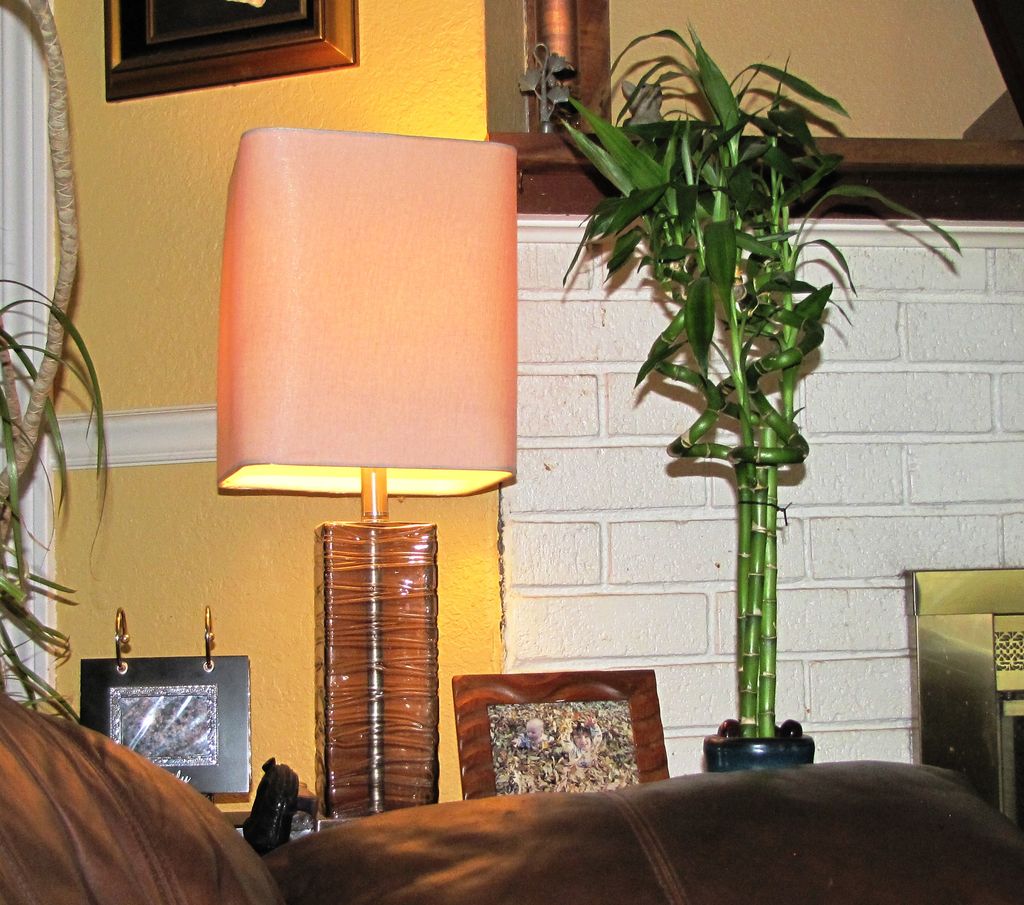
There are ordinary light switches, and then there is the kind of switch that makes guests stop mid-sentence and ask, “Wait… did you just turn on that lamp by touching a plant?” That is the charm behind the idea of a bamboo plant becoming a stylish light switch. It sounds like a tiny spell from a very organized wizard, but the science is refreshingly real: a plant, a capacitive touch sensor, a relay or low-voltage lighting controller, and a little creative courage can transform a humble houseplant into an interactive piece of home decor.
The concept became popular in the maker community because it blends electronics with interior design in a way that feels playful instead of gadget-heavy. Rather than adding another black plastic button to the wall, the switch disappears into greenery. A leaf becomes the interface. A stem becomes the control point. Suddenly, turning on a lamp feels less like managing a device and more like greeting the room.
Still, this project is not just about novelty. It sits at the intersection of biophilic design, smart-home experimentation, human-centered interfaces, and safer low-voltage DIY lighting. Done thoughtfully, a bamboo plant light switch can be beautiful, functional, and conversation-starting. Done carelessly, it can become a confusing bowl of wires that frightens your cat and possibly your electrician. Let’s keep it in the first category.
What Does It Mean to Turn a Bamboo Plant Into a Light Switch?
In simple terms, the plant does not “generate” electricity, and it is not secretly a botanical battery with ambitions. Instead, the plant becomes part of a sensing system. A capacitive touch sensor detects changes in an electric field when a person touches or approaches a conductive object. Human bodies affect capacitance because they can store and transfer tiny amounts of electric charge. When you touch a leaf connected to the sensor’s input, the sensor notices the change and sends a signal to turn a light on or off.
A bamboo-style houseplant works especially well as a visual object because it already has sculptural stems and clean vertical lines. In many indoor projects, the “bamboo” used is actually lucky bamboo, or Dracaena sanderiana, which resembles bamboo but is not true bamboo. That technical detail matters to plant nerds, but to guests standing in your living room, the effect is the same: touch the greenery, and the lamp responds like it has been waiting politely all evening.
Why This DIY Idea Feels So Stylish
Most smart-home devices still look like technology. They blink, beep, glow, update, disconnect, reconnect, and occasionally demand a firmware update at the emotional worst possible moment. A bamboo plant switch goes in the opposite direction. It hides the technology behind something organic.
This is why the idea fits so naturally into biophilic design, a design approach that brings natural materials, greenery, sunlight, textures, and organic forms into interior spaces. A plant-based light switch does not simply add greenery to the room; it makes the greenery useful. It turns decor into interface. That is a small but delightful shift.
Imagine a reading corner with a warm LED lamp, a ceramic pot, river stones, and a few bamboo-like stems. No visible switch. No remote control lost between sofa cushions. You touch a leaf, and the light comes on. The room feels softer, smarter, and slightly mischievous. That is a good combination. Homes need more mischievous usefulness.
How the Bamboo Plant Light Switch Works
1. The Plant Acts as a Touch Surface
The plant becomes the visible control point. Depending on the setup, a wire may be attached to the plant’s stem, placed in the water or soil, connected to a small metal probe, or clipped near the base. The goal is to let the capacitive sensor detect a meaningful change when a hand touches the plant. Leaves, stems, moisture, container material, and wire placement all influence sensitivity.
2. The Sensor Detects a Capacitance Change
A capacitive touch module constantly watches for changes in the surrounding electric field. When your finger touches the plant, the sensor sees a shift. With the right threshold, it recognizes that shift as a “touch.” This is similar in principle to the technology behind many touch buttons, appliance panels, and simple touch-sensitive controls.
3. A Controller Toggles the Light
Once the sensor detects touch, it sends a signal. That signal may go directly to a small relay module, a transistor controlling an LED strip, or a microcontroller such as an Arduino-compatible board. For a safer home project, the best approach is usually low-voltage lighting, such as USB-powered LEDs or 12-volt LED strips. The plant should not be wired directly into household mains power. Plants are wonderful. They are not licensed electricians.
4. The Light Responds
The final result can be simple on/off control, dimming, color changes, or even scene control. A single touch might turn on a lamp. A longer touch might dim it. Touching different leaves could trigger different lighting moods. One leaf says “reading mode.” Another says “movie night.” A third says “I bought too many smart bulbs and now I must justify them.”
Best Components for a Bamboo Plant Light Switch
The exact parts depend on your skill level, but a beginner-friendly version can be surprisingly modest. A typical setup may include a capacitive touch sensor module, a low-voltage LED lamp or LED strip, a microcontroller or touch relay board, jumper wires, a power supply, a plant container, and the bamboo-style houseplant itself.
For simple builds, capacitive touch breakout boards are popular because they are made for projects where ordinary objects become inputs. Some modules provide a single touch channel, while others support multiple touch pads. Multi-channel sensors are useful if you want separate leaves or stems to control different lighting functions. For example, one stem could control a desk lamp, another could activate accent lighting, and another could trigger a soft night-light mode.
The most important choice is not the fanciest board; it is the safest electrical layout. Keep the plant side of the project low voltage. Keep wires neat and insulated. Use certified power supplies. Avoid exposed conductors near water. If the lamp plugs into a wall outlet and the project requires mains wiring, stop and involve a qualified electrician. That is not being boring. That is being alive, which is an underrated home-improvement feature.
Choosing the Right Bamboo Plant
Lucky bamboo is the star candidate because it is easy to find, attractive, compact, and comfortable indoors. It grows well in bright, indirect light and can be kept in water with pebbles or in a well-draining potting mix. Too much direct sunlight can scorch the foliage, and poor water quality may cause browning or yellowing leaves. In other words, it is low-maintenance, not no-maintenance. It is a plant, not a plastic intern.
If you want a cleaner, modern look, choose straight stems in a simple glass cylinder or matte ceramic pot. If you want a softer, spa-like look, add smooth stones and warm white lighting. If you want the project to feel like a tiny futuristic jungle, combine bamboo-style stems with hidden LED strips behind a shelf or under a console table.
Other houseplants can also work as touch interfaces, but results vary. Plants with higher moisture content, sturdy stems, and accessible leaves may respond better. Dry, waxy, or very delicate plants may be less reliable. Soil moisture, humidity, wire length, and nearby electrical noise can affect readings, so expect some testing. The first rule of plant electronics is simple: if it behaves strangely, blame capacitance first and ghosts second.
Design Ideas: From Simple Lamp to Smart Decor
Minimalist Bedside Lamp
Place a lucky bamboo arrangement on a nightstand and connect it to a warm, low-voltage LED lamp. Touch the tallest leaf to turn the light on before bed. This setup feels elegant because the switch is invisible until used. It is ideal for small bedrooms where clutter ruins the calm.
Entryway Welcome Light
An entry table with a bamboo plant and hidden accent light can make a hallway feel intentional. Touch the plant when you come home, and the lamp glows. It is warmer than a motion sensor and more charming than fumbling for a wall switch while carrying groceries, keys, and an unreasonable amount of confidence.
Desk Focus Mode
A bamboo plant near a workspace can control a task light or LED backlight. Touching the plant becomes a ritual: plant touched, focus activated, distractions politely escorted from the room. The psychological effect is small but useful. When an object marks the start of work, the brain often follows the cue.
Multi-Leaf Mood Lighting
With a multi-channel capacitive sensor, different leaves can control different colors or brightness levels. One touch could trigger warm white. Another could activate soft green. Another could switch to a low amber glow for evening. The plant becomes a natural control panel, which sounds ridiculous until you try it and immediately become emotionally attached.
Safety First: The Non-Negotiable Part
A bamboo plant light switch should be treated as a low-voltage decorative control project, not a shortcut for rewiring a house. Do not connect a plant directly to mains voltage. Do not run unsafe cords under rugs. Do not hide overheated power supplies in soil or pebbles. Do not modify extension cords. Do not combine water, exposed metal, and wall power unless your goal is to create a very dramatic cautionary tale.
The safer route is to use USB LEDs, battery-powered lights, 5-volt or 12-volt LED strips, or certified plug-in modules where the plant only controls a separated low-voltage signal. If you want the plant to control a full household lamp, use a properly rated, enclosed, certified switching device, and keep all high-voltage components isolated from the plant and user. For permanent installation, hire an electrician. A stylish switch is not worth turning your living room into a science fair with consequences.
Common Problems and Easy Fixes
The Plant Is Too Sensitive
If the light turns on when someone walks nearby, reduce sensitivity, shorten the sensor wire, move the electronics away from power cables, or add shielding where appropriate. Capacitive sensors can be dramatic. Sometimes they sense a hand. Sometimes they sense a person thinking loudly from across the room.
The Plant Is Not Sensitive Enough
Try connecting the sensor closer to the stem base, using a larger hidden electrode, increasing sensitivity in software, or lightly improving contact between the plant and the sensing lead. Moisture levels can also matter. A dehydrated plant may be less cooperative, which is fair. Nobody performs well while thirsty.
The Light Flickers or Toggles Randomly
Random triggering may come from electrical noise, long wires, unstable power, humidity changes, or poor grounding. Use a stable power supply, keep sensor wires short, and add software debouncing if using a microcontroller. Debouncing tells the system to ignore rapid repeat signals, which is basically teaching your light switch not to panic.
The Plant Looks Sad
Do not sacrifice plant health for electronics. Keep lucky bamboo in bright, indirect light. Use clean water if grown hydroponically. Avoid over-fertilizing. Trim yellow leaves. Keep wires and clips gentle so they do not damage stems. The plant is the star of the show; treat it like a celebrity who photosynthesizes.
SEO-Friendly Takeaway: Why This Project Works
The bamboo plant light switch works because it offers more than a gadget trick. It solves a design problem: how to make technology feel warmer, quieter, and more personal. Smart homes often focus on automation, apps, and voice control, but touch still matters. Touch is immediate. It is physical. It does not require saying, “Hey assistant, turn on the lamp,” three times while the assistant misunderstands you and starts playing jazz.
By turning a bamboo plant into a light switch, the project gives the home a tactile, memorable interaction. It also encourages people to think differently about everyday objects. A switch does not have to look like a switch. A control surface can be beautiful. A plant can be both decor and interface. That is the little design lesson hidden inside the project.
Experience Notes: Living With a Bamboo Plant Light Switch
The first time you use a bamboo plant as a light switch, the experience feels almost too simple. You touch a leaf, the lamp turns on, and your brain needs a second to catch up. It is not the same satisfaction as pressing a mechanical switch. There is no click. No plastic snap. No little rectangle on the wall. Instead, the action feels softer. It feels like the room is responding to a gesture rather than a command.
In daily use, the best version of this project becomes part of a routine. In a bedroom, the bamboo switch works beautifully as a gentle evening control. You walk in, tap the plant, and a warm light fills the corner. The plant becomes easier to find in the dark than a tiny switch on a cord, especially if the lamp is tucked behind books or decor. It also keeps the nightstand cleaner, because there is no remote control wandering around like a tiny irresponsible roommate.
In a living room, the bamboo switch becomes a conversation magnet. Guests notice it quickly because it breaks expectations. People understand lamps. People understand plants. But a lamp controlled by a plant makes them pause, smile, and ask how it works. That moment is the real magic of the project. It makes technology visible only through surprise, not through clutter.
The most important lesson from experimenting with this idea is patience. Capacitive sensing is sensitive to the environment. A setup that works perfectly on Monday may act differently after watering the plant, moving the pot, changing the power supply, or placing it near another electronic device. That does not mean the project failed. It means the sensor is doing exactly what it was designed to do: noticing tiny changes. The trick is to tune the system until it notices the right changes and ignores the nonsense.
Wire placement also affects the experience. A messy wire clipped to the front of the plant ruins the illusion. A hidden wire running behind the stem, tucked into stones, or routed through the back of the pot preserves the visual trick. The goal is not to make the project look like a circuit board moved into a greenhouse. The goal is to make the electronics feel invisible.
Another practical experience: use warm lighting. Cool white LEDs can make the project feel like a laboratory demonstration. Warm white or amber lighting makes it feel like decor. The difference is huge. With warm lighting, the bamboo switch feels cozy and intentional. With harsh lighting, it feels like the plant is being interrogated.
Finally, the project changes how you think about interfaces. After using a bamboo plant light switch, ordinary switches start to look a little unimaginative. Why should buttons get all the responsibility? A wooden bowl, a stone, a copper strip under a table, or a plant leaf can become a control surface. The bamboo plant is simply the most charming ambassador for the idea. It proves that smart-home design does not have to shout. Sometimes it can sit quietly in a pot, look elegant, and turn on the lights when you tap a leaf.
Conclusion
A bamboo plant becomes a stylish light switch when simple capacitive sensing meets thoughtful design. The project is clever because it turns an everyday action into a small experience. It is practical because it can control low-voltage lighting. It is stylish because the technology hides behind greenery. And it is memorable because touching a plant to turn on a lamp feels just futuristic enough without making your home look like a spaceship lobby.
For homeowners, renters, makers, and design lovers, this idea offers a playful way to blend nature and technology. Start small, keep it safe, use low-voltage lighting, protect the plant, and tune the sensor carefully. When done well, the bamboo plant light switch is more than a DIY trick. It is a reminder that the best smart-home ideas are not always the loudest ones. Sometimes, the smartest switch in the room has leaves.