

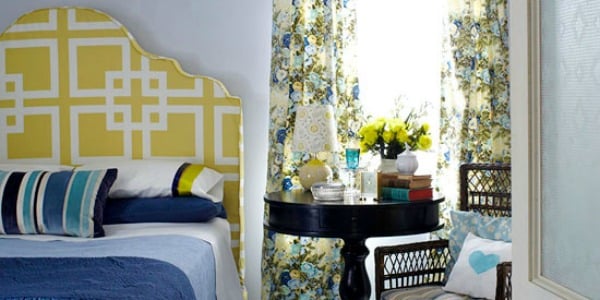
A master bedroom should feel like a retreat, but that does not mean it has to be beige, blank, and emotionally committed to silence. Mixed patterns in the master bedroom can make the space feel layered, personal, romantic, collected, and just dramatic enough to suggest you read design magazines with your morning coffee. The trick is not throwing every floral, stripe, plaid, and leopard print into the room and hoping they become friends. Pattern mixing works best when it has a plan.
Today’s best bedroom design ideas are moving away from perfectly matched bedding sets and toward rooms that feel lived-in, expressive, and beautifully curated. A floral duvet can sit happily beside striped pillows. A geometric rug can ground botanical wallpaper. A small-scale check can calm down a bold headboard. Done right, the look says, “I have taste.” Done wrong, it says, “The fabric store exploded.” Let’s aim for the first one.
Why Mixed Patterns Work So Well in a Master Bedroom
The master bedroom, often called the primary bedroom, is one of the best rooms for pattern mixing because it already has natural layering opportunities. You have bedding, pillows, curtains, rugs, upholstered furniture, lampshades, artwork, wallpaper, and even trims or tapes. Unlike a kitchen, where a wildly patterned backsplash can feel permanent enough to require emotional support, a bedroom lets you experiment with softer, easier-to-change elements.
Mixed patterns add movement and depth. They keep the room from looking flat, especially if your furniture is simple or your color palette is neutral. Patterned bedding can soften a modern bed frame. Wallpaper can make a plain boxy room feel intentional. A patterned area rug can define the bed zone and make the room feel warmer underfoot. In other words, patterns are not just decoration; they are tools for mood, rhythm, and personality.
Start With One Hero Pattern
The easiest way to get this look is to choose one hero pattern first. This is the main print that sets the mood for the entire room. It might be a large floral wallpaper, a block-print duvet, a vintage-style rug, a striped upholstered headboard, or dramatic drapery. The hero pattern should be the boss, but a gracious boss. It leads the room without shouting over everyone else.
For example, imagine a master bedroom with a navy, cream, and rust floral duvet. That duvet gives you your palette and your style direction. From there, you can add cream-and-navy ticking stripe pillowcases, a rust velvet lumbar pillow, and a small geometric rug in soft blue. The room feels layered because the patterns differ, but it stays cohesive because the colors repeat.
Good Hero Pattern Options
Large-scale florals are excellent for romantic, traditional, cottage, or grandmillennial bedrooms. Stripes are ideal if you want something classic and tailored. A vintage rug works beautifully in eclectic, bohemian, or transitional rooms. Wallpaper is best when you want the bedroom to feel immersive and designed from wall to wall. If you are nervous, start with bedding or pillows before committing to wallpaper. The wall will forgive you eventually, but removable pieces are much kinder during the learning phase.
Use a Tight Color Palette
Color is the secret glue of pattern mixing. If the patterns share a related color story, they can be very different and still look intentional. A floral, stripe, check, and animal print can live together peacefully if they all include shades of blue, ivory, and tan. Without a shared palette, the room may feel scattered.
A simple formula is to choose one dominant color, one supporting color, and one accent color. For a calm master bedroom, try soft sage, warm white, and dusty rose. For a coastal look, use navy, white, and sandy beige. For a moodier room, combine charcoal, olive, and brass. For a cheerful traditional bedroom, try sky blue, cream, and coral. The palette does not need to be strict, but it should feel related.
Example Palette: Calm and Collected
Picture soft blue floral wallpaper, white linen bedding, blue-and-white striped shams, a tan jute rug, and a small block-print pillow in muted green. The patterns are different, but the colors whisper instead of wrestle. This is a smart approach for anyone who wants pattern without visual chaos.
Example Palette: Bold and Boutique-Hotel Chic
Try deep green walls, a black-and-cream geometric rug, leopard print pillow accents, white sheets, and floral drapes that include green and black. The mix feels confident because the colors repeat. The leopard print acts almost like a neutral, which is one of design’s great little tricks and also the closest home decor gets to having a mischievous wink.
Vary the Scale of Your Patterns
One of the most important rules of pattern mixing is scale. Combine large, medium, and small prints so the eye knows where to go. If every pattern is the same size, they compete. If one print is large, another is medium, and another is tiny, they create rhythm.
For instance, pair oversized floral wallpaper with narrow striped curtains and a tiny dotted pillow. Or use a large medallion rug, medium plaid bedding, and small-scale botanical cushions. The variety helps each pattern stand out instead of blending into one noisy visual soup.
A Simple Three-Pattern Formula
Use one large organic pattern, one medium geometric pattern, and one small simple pattern. Organic patterns include florals, leaves, vines, toile, paisley, and animal prints. Geometric patterns include stripes, checks, plaids, diamonds, trellis, and Greek key motifs. Simple small patterns include dots, pinstripes, mini checks, or tiny block prints. This formula works because the patterns contrast in shape and scale.
Mix Pattern Types for Better Balance
A bedroom full of only florals can become too sweet, like sleeping inside a teacup. A bedroom full of only stripes can feel stiff, like a very organized shirt drawer. The most interesting rooms mix pattern families. Florals soften stripes. Checks make botanicals feel less formal. Geometrics add structure to vintage prints. Animal prints add a cheeky accent when used sparingly.
For a polished master bedroom, try a floral duvet, striped shams, a plaid bench, and solid linen curtains. For a modern look, combine abstract wallpaper, a grid-pattern rug, and textured solid bedding. For an English-country-inspired bedroom, layer chintz curtains, ticking stripe pillows, a small check throw, and antique wood furniture. The result feels collected over time, not purchased in one panicked afternoon.
Give the Eye a Place to Rest
Pattern mixing needs breathing room. Solid colors, natural materials, and quiet textures prevent the room from feeling busy. A wood nightstand, white sheets, a linen lampshade, a leather bench, or a plain upholstered headboard can act as visual pauses. Think of solids as the commas in your design sentence. Without them, the room just keeps talking.
In the master bedroom, the bed is usually the focal point, so it is smart to balance patterned pieces with solid bedding layers. If your duvet is busy, use solid sheets. If your wallpaper is bold, choose a simple coverlet. If your rug has a strong design, keep the curtains calmer. This does not mean boring; it means edited.
Layer Texture With Pattern
Texture makes mixed patterns feel richer and more sophisticated. A striped cotton pillow looks different from a velvet floral pillow, even if they share the same colors. A woven rug, linen curtains, quilted bedding, cane furniture, bouclé bench, rattan shade, or wool throw adds tactile contrast. Texture also helps neutral rooms feel layered without relying on loud color.
For a soft and cozy bedroom, combine a patterned quilt with crisp cotton sheets, a chunky knit throw, smooth ceramic lamps, and a natural fiber rug. If the palette is neutral, the texture keeps the room from looking plain. If the palette is bold, texture keeps the patterns feeling intentional rather than flat.
Get This Look: A Step-by-Step Master Bedroom Plan
Step 1: Choose Your Mood
Before buying anything, decide how you want the room to feel. Calm and airy? Romantic and layered? Moody and hotel-like? Bright and playful? Pattern choices should support the mood. Tiny florals and ticking stripes feel cottage-inspired. Bold botanicals and animal prints feel maximalist. Black-and-white geometrics feel modern. Blue-and-white patterns feel timeless and coastal.
Step 2: Pick the Main Pattern
Select your hero pattern from bedding, wallpaper, curtains, or a rug. This piece should contain at least two or three colors you can repeat elsewhere. If you fall in love with a patterned rug, pull colors from it for pillows and curtains. If wallpaper is the star, let it guide the bedding.
Step 3: Add a Supporting Pattern
Your second pattern should contrast with the first. If the hero print is curvy and floral, add a stripe or check. If the hero print is geometric, add something organic like vines, leaves, or a painterly floral. Keep at least one color consistent between the two.
Step 4: Add a Small Accent Pattern
The third pattern should be smaller and quieter. Think mini dots, thin stripes, tiny checks, or a subtle block print. This pattern often works best on pillows, a lampshade, a folded throw, or a small upholstered stool.
Step 5: Edit Like a Kindly Ruthless Designer
Stand at the bedroom door and look at the whole room. Does one area feel too busy? Are all the patterns crowded on the bed? Does the rug fight the curtains? Remove one item and see if the room improves. Editing is not failure. Editing is how a room goes from “interesting” to “I would like to wake up here every day.”
Pattern Placement Ideas for the Master Bedroom
Patterned Bedding
Bedding is the easiest place to begin. Try a floral duvet with striped shams, a plaid quilt with solid pillowcases, or a block-print coverlet with a geometric lumbar pillow. Keep the sheets simple if the top layers are busy.
Wallpaper
Wallpaper can turn a master bedroom into a finished retreat. A botanical print behind the bed creates a natural focal wall. A small repeating pattern on all four walls can feel cozy and enveloping. If you choose a bold wallpaper, use quieter bedding and repeat the wall color in small accents.
Area Rugs
A patterned rug grounds the room and helps connect furniture. Vintage-style rugs are especially forgiving because they often include many colors in softened tones. For a calm room, choose a rug with muted pattern. For a bold room, let the rug introduce contrast.
Curtains and Window Treatments
Curtains are a fantastic pattern opportunity because they add vertical movement. Striped curtains can make the ceiling feel taller. Floral drapes add softness. A small geometric print can bridge modern and traditional pieces. If custom drapes are outside the budget, add patterned trim to solid panels for a designer look.
Throw Pillows and Lampshades
Pillows and lampshades are the low-risk playground of pattern mixing. They are small, movable, and easy to update. A patterned lampshade can echo a pillow without overwhelming the room. Just avoid piling fourteen pillows on the bed unless you enjoy conducting a nightly pillow evacuation ceremony.
Common Mistakes to Avoid
Using Too Many Hero Patterns
If the wallpaper, duvet, rug, curtains, and headboard all want to be the star, the room will feel tense. Choose one main character and let the rest be excellent supporting actors.
Ignoring Scale
Patterns of similar size can blur together. Mix large, medium, and small prints to keep the room readable.
Skipping Solids
Solid colors are not boring. They are the reason patterned pieces can shine. Use solid sheets, furniture, walls, or throws to calm the room.
Forgetting Lighting
Natural and artificial light affect how patterns read. A dark room with heavy patterns may feel closed in, while a bright room can handle more layering. Add warm lamps, reflective surfaces, and lighter solids if the room feels too dense.
Budget-Friendly Ways to Try the Look
You do not need a full renovation to create a mixed-pattern master bedroom. Start with pillow covers, a throw blanket, and a patterned lampshade. Add a washable rug or a vintage-inspired runner beside the bed. Frame patterned fabric or wallpaper samples as art. Use peel-and-stick wallpaper behind the bed. Swap plain curtains for striped panels. Even one patterned bench at the foot of the bed can change the mood.
Thrift stores, estate sales, and vintage shops can be treasure chests for pattern lovers. Look for quilts, embroidered pillow covers, small rugs, framed textiles, and old lamps that can be refreshed with new shades. The goal is not to make the room look old; it is to make it look collected. A little history gives pattern mixing soul.
Experience Notes: Living With Mixed Patterns in the Master Bedroom
The best thing about living with mixed patterns in the master bedroom is that the room starts to feel less like a showroom and more like a story. A perfectly matched bedroom can be pretty, but sometimes it feels as if it is waiting for a catalog photographer to walk in. A bedroom with mixed patterns feels more human. It has memory, humor, texture, and a little bit of “I bought this pillow because it made me happy, and I stand by my decision.”
One useful experience is to test patterns in daylight and at night. A print that looks charming in bright morning light can feel busier under a small bedside lamp. Before committing, place fabric samples or pillow covers on the bed and observe them at different times. Morning light may bring out blue undertones, while evening light may make creams look warmer and reds look deeper. This simple step can save you from buying curtains that looked elegant online but behave like a circus tent after sunset.
Another lesson: the bed does not need to carry every pattern in the room. Many people begin by stacking patterned sheets, patterned shams, patterned duvets, patterned throws, and patterned pillows all in one place. The bed then becomes less of a restful centerpiece and more of a textile conference. Spread the patterns around. Put one pattern on the bed, another on the windows, another on the rug, and a small accent on the lampshade or bench. Distribution makes the room feel balanced.
It also helps to take photos of the room. The camera is brutally honest, like a friend who loves you but will still tell you the plaid pillow is causing problems. A quick phone photo can reveal whether one corner looks heavy, whether the colors connect, or whether a certain pattern disappears. Designers often use photos because they flatten the room and make composition easier to judge.
Comfort matters too. In a master bedroom, pattern should support rest, not sabotage it. If you are sensitive to visual busyness, keep the boldest pattern away from your direct line of sight when lying down. Use calmer sheets and pillowcases near your face. Let the rug, curtains, or wall behind the headboard carry more energy. That way, the room looks layered when you enter but still feels peaceful when you are trying to sleep.
Finally, allow the look to evolve. Mixed patterns are not a one-and-done formula. You may start with blue stripes and a floral quilt, then later add a small leopard pillow, a vintage rug, or patterned curtains. The room should grow with your taste. The most beautiful mixed-pattern bedrooms often look as though they were assembled slowly, with affection and curiosity. That is the charm. The goal is not perfection; it is personality with a good night’s sleep included.
Conclusion
Mixed patterns in the master bedroom can create a space that feels stylish, personal, and deeply inviting. The secret is balance: choose one hero pattern, repeat a clear color palette, vary pattern scale, mix organic and geometric designs, and add solids where the eye needs rest. Whether your style leans modern, coastal, cottage, bohemian, traditional, or full “I own three floral lampshades and I am not ashamed,” pattern mixing can make your bedroom feel more layered and more you.
Start small if you are nervous. Try patterned pillows, a striped throw, or a vintage-style rug. If you are ready for more drama, add wallpaper or patterned drapes. The best master bedroom decor does not look copied and pasted from a store display. It looks collected, comfortable, and confidently edited. When mixed patterns are done well, the room feels alivebut still calm enough for sleep, which is important because even fabulous people need eight hours.