

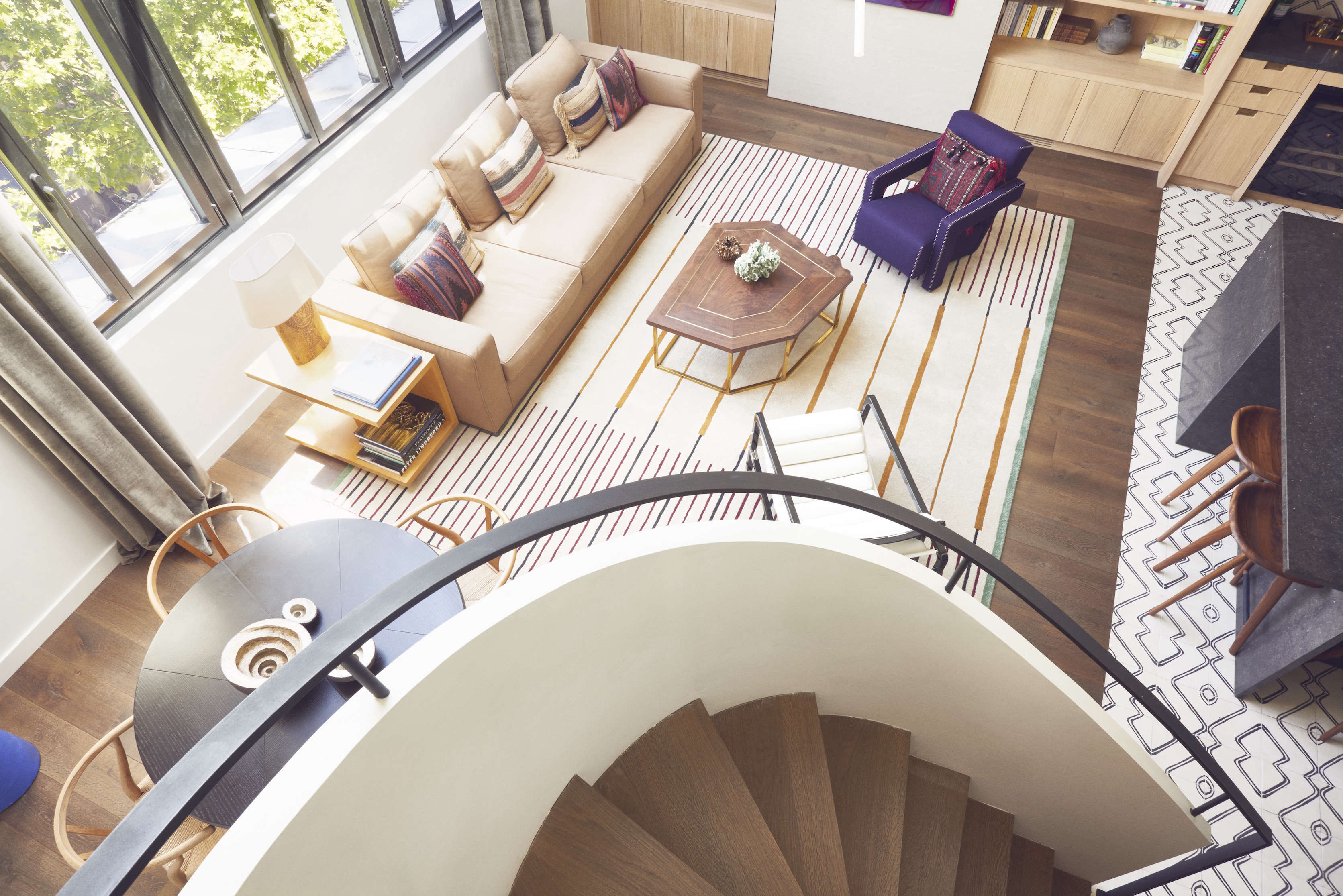
The Manoir Flemish Gray Oak Floor is not the kind of flooring that quietly sits in the background while your sofa takes all the compliments. It has presence. It has patina. It has that “I may have hosted a candlelit dinner in a 17th-century French manor” energy, even if your actual home contains a microwave that beeps like a tiny angry robot.
Designed with the character of antique French and European oak, Manoir Flemish Gray is a luxury wood flooring option associated with Exquisite Surfaces’ Manoir Collection. It blends gray-toned elegance, natural oak grain, and aged European charm into a floor that feels both historic and surprisingly modern. In other words, it is for homeowners, designers, and renovation dreamers who want a room to feel collected rather than simply decorated.
But beautiful flooring is still flooring. It has to survive footsteps, furniture, dogs with dramatic zoomies, spilled coffee, seasonal humidity, and the occasional chair dragged across the room by someone who definitely “meant to lift it.” This guide explores what makes Manoir Flemish Gray Oak Floor special, where it works best, how to style it, what to consider before installation, and how to keep it looking refined without treating your home like a museum guarded by velvet ropes.
What Is Manoir Flemish Gray Oak Floor?
Manoir Flemish Gray Oak Floor is a French and European oak flooring product known for its aged appearance, gray coloration, and old-world surface character. The word “Manoir” immediately suggests manor-house style: warm, storied, architectural, and a bit grand without shouting. “Flemish Gray” points to a soft, weathered gray tone inspired by Northern European interiors, Belgian design, and the muted color palettes often seen in antique stone, plaster, and oak.
Unlike flat gray floors that can look cold or overly manufactured, this floor leans into variation. The grain, knots, tonal shifts, and aged finish create movement across the room. Some planks may appear smoky, some silvery, some brown-gray, and others softly taupe. That variation is the magic trick. It keeps the floor from looking like a sheet of printed vinyl wearing a fake mustache.
French and European Oak: Why It Matters
Oak is one of the most popular hardwood flooring species for a reason. It is strong, timeless, and visually forgiving. French and European oak in particular is prized for its elegant grain structure, warm undertones, and suitability for wide-plank and character-rich flooring. It can look rustic in a farmhouse, refined in a city apartment, and sculptural in a minimalist home.
The Manoir Flemish Gray Oak Floor uses that natural oak personality as the foundation, then layers in an aged gray finish. The result is not merely “gray wood.” It is a floor with depth, texture, and a sense of age, as though it has already lived a fascinating life and is willing to tell you about it over espresso.
Why Designers Love Flemish Gray Oak Flooring
Gray oak flooring has had a complicated history. At its worst, gray flooring can feel trendy, flat, and a little too “builder-grade showroom in 2014.” At its best, it feels calm, architectural, and deeply versatile. Manoir Flemish Gray belongs to the second category because it does not rely on a single uniform gray tone. It carries the complexity of natural wood and the charm of antique finishing.
It Works With Both Warm and Cool Interiors
One of the biggest advantages of Flemish gray oak flooring is its ability to connect different color temperatures. Pair it with creamy plaster walls, unlacquered brass, linen upholstery, and warm white cabinets, and it softens the room. Pair it with black steel windows, honed stone, concrete tile, or matte charcoal cabinetry, and it becomes crisp and contemporary.
This flexibility is why designers often choose gray oak floors for open-plan homes. In one direction, the floor can support a kitchen with stone counters and brass hardware. In another, it can anchor a living room with soft textiles and sculptural lighting. The flooring becomes the visual bridge, quietly doing the work while everyone else gets applause.
It Adds Age Without Looking Worn Out
Aged oak flooring is appealing because it removes the anxiety of perfection. With a high-character floor, a small mark or variation does not ruin the design. It joins the party. Manoir Flemish Gray Oak Floor is especially effective in homes where the goal is “lived-in luxury,” not “please remove your shoes, your socks, and possibly your personality before entering.”
The aged effect can make new construction feel established. It can also make historic homes feel refreshed without erasing their soul. That balance is difficult to achieve, which is why premium aged oak floors remain popular in high-end residential design.
Best Rooms for Manoir Flemish Gray Oak Floor
The Manoir Flemish Gray Oak Floor can be stunning in several parts of the home, but room selection should consider moisture, traffic, subfloor conditions, and lifestyle. Real wood is durable, but it is not waterproof. It appreciates care. It does not appreciate being treated like pool decking.
Living Rooms
A living room is one of the best places for this floor. The broad surface area allows the color variation and grain to shine. Flemish gray oak pairs beautifully with linen sofas, leather chairs, vintage rugs, plaster fireplaces, black accents, and oversized coffee tables. If your living room needs a foundation that feels rich without being visually heavy, this flooring is a strong candidate.
Kitchens
Wood flooring in kitchens can work beautifully when spills are wiped quickly and the finish is maintained properly. Manoir Flemish Gray Oak Floor can create a seamless flow between kitchen and living spaces, especially in open layouts. It looks particularly good with natural stone, Belgian-inspired cabinets, handmade tile, and unlacquered brass fixtures.
That said, kitchen wood floors require realistic expectations. If your cooking style includes dramatic pasta water splashes, enthusiastic children, or a dog who treats the water bowl like a splash pad, use mats near sinks and dishwashers. The goal is protection, not paranoia.
Bedrooms
In bedrooms, Flemish gray oak creates a calm, grounded atmosphere. It works with soft whites, muted blues, warm grays, mushroom tones, and layered bedding. Because bedrooms typically have less foot traffic than kitchens and entries, the floor can age gracefully with minimal drama.
Entryways and Hallways
Entryways and hallways benefit from the floor’s variation because it helps disguise everyday dust and small scuffs. However, these areas also collect grit, moisture, and outdoor debris. A good doormat is not optional; it is the tiny bouncer protecting your luxury floor from gravel with bad intentions.
Design Ideas for Styling Manoir Flemish Gray Oak Floor
Because this floor already brings texture and color movement, the best interiors around it tend to be layered but edited. Think natural materials, quiet contrast, and pieces with shape. You do not need to decorate like you live inside a European antiques catalog, though you certainly may if you own enough candlesticks.
Belgian Minimalism
Pair the floor with limewash or plaster-look walls, slipcovered linen furniture, warm white cabinetry, and aged brass. Add black accents through lighting or window frames. This approach lets the gray oak feel serene and architectural.
Modern Rustic
Use the floor with reclaimed beams, matte black hardware, stone counters, woven pendants, and oversized pottery. The gray tone keeps rustic elements from becoming too heavy, while the oak grain keeps modern spaces from feeling sterile.
Paris Apartment Style
Manoir Flemish Gray Oak Floor works beautifully with marble, sculptural lighting, curved furniture, antique mirrors, and patterned tile. A herringbone or parquet-inspired layout, if available through a custom specification, can amplify the European mood. Add espresso. Add jazz. Pretend your laundry basket is not in the next room.
California Collected
For a lighter American take, combine the flooring with white walls, oak cabinets, soft leather, woven shades, and indoor greenery. The floor’s gray undertone can cool down sunny rooms while still preserving the warmth of natural wood.
Solid vs. Engineered: What Buyers Should Ask
Before ordering Manoir Flemish Gray Oak Floor, confirm whether the product specification for your project is solid oak, engineered oak, or available in more than one construction. This matters because solid and engineered hardwood behave differently.
Solid hardwood is milled from one piece of wood and can typically be sanded and refinished multiple times. It is a long-term investment, but it reacts more strongly to humidity and is usually not ideal below grade or directly over concrete. Engineered hardwood has a real wood surface layer over a stable plywood or multi-layer core. It is often better for wide planks, concrete subfloors, radiant heat conditions, and areas where humidity changes are a concern.
Neither option is magic. Solid wood is not invincible, and engineered wood is not waterproof. The right choice depends on your home, climate, subfloor, budget, plank width, and how long you plan to stay.
Installation Considerations Before You Commit
A floor like Manoir Flemish Gray deserves a professional installation plan. The product may look romantic, but installation is pure science: moisture readings, acclimation, subfloor preparation, expansion gaps, adhesives, fasteners, and finish protection. Not exactly poetry, unless your love language is “proper relative humidity.”
Acclimation Is Not Optional
Wood flooring needs time to adjust to the environment where it will be installed. The goal is to bring the wood’s moisture content into balance with the home’s normal living conditions. This helps reduce the risk of cupping, gapping, cracking, or movement after installation.
Before installation, the home should be enclosed, climate controlled, and stable. The flooring should be stored in the installation area according to manufacturer instructions. A qualified installer should use moisture meters rather than guessing based on the calendar. “It sat there for three days” is not a measurement; it is a sentence.
Subfloor Prep Makes or Breaks the Result
Luxury flooring cannot hide a bad subfloor forever. The surface must be clean, flat, dry, and structurally sound. Concrete slabs require moisture testing. Wood subfloors should be checked for moisture content and fastened securely. Any squeaks, dips, humps, or mystery crunching sounds should be addressed before the first plank goes down.
Think About Plank Direction and Layout
Long planks can visually stretch a room. Running boards parallel to the longest wall often creates a calm, expansive look. In narrow hallways, plank direction can affect whether the space feels longer or choppier. For patterned installations such as herringbone, chevron, or Versailles-inspired layouts, expect more labor, more material waste, and more planning. The payoff can be spectacular.
Maintenance: How to Keep Flemish Gray Oak Looking Beautiful
The good news: oak flooring is practical. The honest news: it still needs care. The finish, not just the wood species, determines how the floor responds to cleaning, scratches, and moisture. Always follow the manufacturer’s maintenance instructions for the specific finish used on your Manoir Flemish Gray Oak Floor.
Daily and Weekly Care
Sweep, vacuum with a wood-floor-safe attachment, or dry mop regularly. Dust and grit are tiny sandpaper villains. They may look harmless, but over time they can dull a finish. Use breathable rugs and quality rug pads in high-traffic zones. Place felt pads under furniture legs. Lift heavy furniture instead of dragging it, unless you enjoy turning flooring into abstract line art.
Avoid Too Much Water
Use a lightly damp mop, not a soaking wet one. Standing water and steam can damage wood flooring and finishes. Avoid steam cleaners, abrasive pads, harsh chemicals, and acidic cleaners unless the manufacturer specifically approves them. Wood floors prefer gentle products and prompt spill cleanup.
Plan for Long-Term Refreshing
Depending on the finish, an oak floor may need periodic re-oiling, recoating, polishing, or eventual refinishing. High-traffic households may need maintenance sooner than low-traffic ones. This is normal. A real wood floor is not disposable; it is renewable, which is part of its appeal.
Pros and Cons of Manoir Flemish Gray Oak Floor
Pros
The biggest advantage is character. Manoir Flemish Gray Oak Floor offers a layered, aged look that can make rooms feel designed rather than merely finished. It works with traditional, transitional, rustic, and contemporary interiors. Its gray-brown undertones are more flexible than many flat gray floors. Oak is durable, widely respected, and timeless. The floor’s natural variation can help disguise minor everyday wear better than a perfectly uniform surface.
Cons
The main drawbacks are cost, maintenance, and specification complexity. Premium aged oak flooring is typically more expensive than mass-market hardwood, laminate, or luxury vinyl. Availability, lead time, and pricing may require consultation through a showroom or trade channel. Real wood also requires humidity management and careful cleaning. If you want a floor that can be drenched, ignored, and still smile politely, porcelain tile may be a better roommate.
How Much Does Manoir Flemish Gray Oak Floor Cost?
Exact pricing for Manoir Flemish Gray Oak Floor may vary by supplier, specification, width, thickness, construction, finish, grade, pattern, order size, freight, and installation complexity. Many premium flooring products are quoted by project rather than sold with a simple online cart price.
For budgeting, homeowners should consider more than the material cost. Add professional installation, subfloor preparation, transitions, stair parts, waste factor, delivery, adhesives or fasteners, finishing accessories, and possible old-floor removal. Wide planks, custom patterns, and complex layouts can increase both material waste and labor time.
The smartest move is to order samples, view them in your home at different times of day, and request a full written estimate. Gray oak can shift dramatically depending on light. A sample that looks smoky and elegant in a showroom may appear warmer, cooler, darker, or lighter once it meets your actual windows. Flooring is basically a relationship; meet it in real life before committing.
Who Should Choose This Floor?
Choose Manoir Flemish Gray Oak Floor if you want natural oak with a refined antique personality. It is ideal for homeowners who love European interiors, Belgian minimalism, Parisian apartments, warm modern spaces, and rooms with architectural texture. It is also a smart design choice when you want a neutral floor that still has soul.
You may want another option if your home has frequent standing water, extreme humidity swings, very tight budget limits, or a preference for perfectly uniform surfaces. This floor celebrates variation. If knots, grain shifts, and tonal movement bother you, choose a cleaner grade or a different material.
Real-Life Experiences With Manoir Flemish Gray Oak Floor
Living with a floor like Manoir Flemish Gray Oak is less like owning a standard building material and more like adding a permanent design element that influences every choice around it. The first experience most homeowners notice is how much the floor changes with light. In morning sun, the gray may look soft and silvery. In evening light, the oak warmth can come forward, turning the floor more taupe or smoky beige. Under artificial lighting, especially warm bulbs, it can feel richer and more antique. This is not a flaw; it is part of the charm. Still, it is why samples matter so much.
One practical experience is that furniture selection becomes easier in some ways and trickier in others. The floor is neutral, but not plain. A white sofa looks crisp against it. Black metal looks intentional. Brass looks warm. Natural linen looks relaxed. However, very orange wood furniture can clash if the undertone is too strong. The best pairings usually include woods that are either clearly lighter, clearly darker, or similarly muted. Trying to match the floor exactly can lead to the interior design equivalent of wearing denim-on-denim without confidence.
Another common experience is that the aged finish makes the home feel less precious. Small signs of life blend more naturally into a character-rich oak floor than they would on a glossy, uniform surface. A tiny scratch from a chair or a small dent near the entry does not immediately scream for attention. That is one reason aged oak works so well for real families, not just photo shoots where nobody appears to own snacks.
Maintenance becomes a rhythm. A soft broom near the entry, felt pads under chairs, and a “wipe spills now, not after the season finale” rule go a long way. Homeowners who succeed with this kind of floor usually do not obsess over it. They simply build small habits: shoes off when practical, mats near exterior doors, rugs in heavy-use zones, and gentle cleaners. The floor rewards consistency.
The biggest emotional surprise is how grounding it feels. A Manoir Flemish Gray Oak Floor can make a new room feel instantly established. It gives modern cabinets more depth, softens sharp architecture, and makes vintage pieces look as if they have always belonged. Guests may not know the product name, but they often notice the atmosphere. They say things like, “This room feels amazing,” which is designer-speak translated into normal human language.
For homeowners planning a renovation, the best experience comes from treating the floor as the foundation of the design rather than the final afterthought. Choose it early. Test paint colors beside it. Look at cabinet samples on top of it. Place metal finishes, stone, tile, and fabric swatches nearby. Manoir Flemish Gray Oak Floor has enough personality to lead the room, but enough restraint to let everything else shine. That is a rare combinationand frankly, more emotionally mature than most group chats.
Conclusion
The Manoir Flemish Gray Oak Floor is a sophisticated choice for anyone who wants hardwood flooring with European character, natural variation, and a beautifully aged gray finish. It offers the strength and timelessness of oak while adding the layered patina of antique-inspired design. Used thoughtfully, it can elevate kitchens, living rooms, bedrooms, hallways, and open-plan interiors with quiet drama and long-lasting style.
The key is to approach it as both a design decision and a technical flooring investment. Confirm the construction, order samples, check the finish, hire an experienced installer, manage moisture, and maintain the floor with gentle care. Do that, and Manoir Flemish Gray Oak Floor can become more than a surface underfoot. It can become the design element that makes the entire home feel intentional, elegant, and comfortably lived in.