

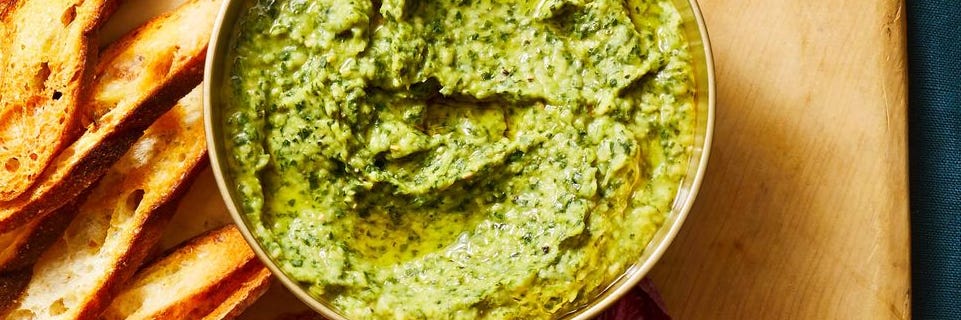
If hummus is the reliable friend who always brings napkins to the party, white bean dip is the charming cousin who shows up with good olive oil, fresh herbs, and a tiny bit of Mediterranean swagger. Creamy, lemony, garlicky, and ready in minutes, this white bean dip recipe is the kind of appetizer that looks elegant even when your preparation style is best described as “opened a can with confidence.”
The best white bean dip is smooth but not boring, rich but not heavy, and bright enough to make raw carrots feel like they got invited to a fancy rooftop gathering. Made with cannellini beans, extra-virgin olive oil, lemon juice, garlic, and herbs, it works as a healthy snack, party appetizer, sandwich spread, crostini topping, or emergency “I need something delicious before dinner” situation.
This guide explains how to make white bean dip from scratch using pantry staples, how to adjust the texture, what to serve with it, how to store it, and how to make it taste like you spent far more time than you did. Spoiler: the food processor does most of the heavy lifting, which is great because we are emotionally unavailable for complicated appetizers.
Why This Is the Best White Bean Dip Recipe
A great dip has to pass three tests: it must taste good on a cracker, behave well with vegetables, and make guests hover near the bowl pretending they are “just having one more.” This creamy white bean dip passes all three with a little bow on top.
The magic comes from cannellini beans. These mild white beans are naturally creamy, which means they blend into a silky base without needing cream cheese, sour cream, or a dramatic grocery run. Lemon juice adds brightness. Garlic brings attitude. Olive oil adds richness. Fresh rosemary, parsley, basil, or thyme gives the dip that “someone here owns a linen apron” energy.
Unlike some party dips that require baking, layering, melting, or negotiating with a broiler, this easy white bean dip comes together in about 10 minutes. You can keep it simple, dress it up, make it vegan, add Parmesan, swirl in tahini, or top it with roasted tomatoes. It is basically a blank canvas, except tastier and less likely to end up abandoned in a closet with your old watercolor set.
Ingredients for Creamy White Bean Dip
This recipe is built around simple ingredients that work hard. The goal is not to bury the beans under a mountain of extras, but to season them so they taste bright, savory, and scoopable.
Main Ingredients
- 1 can cannellini beans, drained and rinsed: Cannellini beans are ideal because they are tender, mild, and creamy. Great Northern beans or navy beans also work.
- 2 tablespoons extra-virgin olive oil: Use a good one if you can. Olive oil adds body, flavor, and a smooth finish.
- 1 1/2 tablespoons fresh lemon juice: Fresh lemon wakes up the beans and keeps the dip from tasting flat.
- 1 teaspoon lemon zest: Optional, but highly recommended. It adds citrus aroma without extra acidity.
- 1 small garlic clove: Raw garlic is powerful, so start small. This is dip, not vampire repellent.
- 1/2 teaspoon kosher salt: Adjust to taste, especially if your canned beans are salted.
- 1/4 teaspoon black pepper: Freshly ground pepper gives the dip a little warmth.
- 1 to 3 tablespoons cold water: Add as needed to loosen the texture.
- 1 tablespoon chopped fresh rosemary, parsley, basil, or thyme: Herbs make the dip taste fresh and lively.
Optional Add-Ins
- Tahini: Add 1 tablespoon for a white bean hummus-style dip.
- Parmesan cheese: Add 2 tablespoons for a salty, savory finish.
- Red pepper flakes: Add a pinch for gentle heat.
- Roasted garlic: Use instead of raw garlic for a sweeter, mellow flavor.
- Sun-dried tomatoes: Add 2 tablespoons for a richer Mediterranean flavor.
- Toasted pine nuts: Sprinkle on top for crunch and a little luxury.
How to Make White Bean Dip
The best part about making white bean dip is that the process is almost suspiciously easy. If you can press a button and taste food, congratulations: you are qualified.
Step 1: Rinse the Beans
Drain the canned cannellini beans and rinse them under cool water. This removes excess sodium and gives the dip a cleaner flavor. Shake off the extra water so the dip does not become thin too quickly.
Step 2: Add Ingredients to a Food Processor
Add the rinsed beans, olive oil, lemon juice, lemon zest, garlic, salt, and pepper to a food processor. If you are using herbs, add them now for a fully blended green-flecked dip, or save them for folding in at the end if you want a more rustic look.
Step 3: Blend Until Smooth
Process for 30 to 60 seconds, scraping down the sides as needed. If the dip is too thick, add cold water 1 tablespoon at a time until it reaches your preferred consistency. For a spread, keep it thicker. For a dip that happily welcomes pita chips, make it a bit looser.
Step 4: Taste and Adjust
This is the most important step. Taste the dip and decide what it needs. Too flat? Add lemon. Too sharp? Add olive oil. Too shy? Add salt. Too garlicky? Let it rest for 20 minutes; raw garlic mellows as it sits. Too perfect? Grab a spoon and pretend you are checking again for quality control.
Step 5: Garnish and Serve
Spoon the dip into a shallow bowl. Swirl the top with the back of a spoon, drizzle with olive oil, and finish with chopped herbs, black pepper, red pepper flakes, lemon zest, or toasted pine nuts. Serve with pita chips, crackers, crostini, or fresh vegetables.
Recipe Card: Easy White Bean Dip
Prep Time
10 minutes
Total Time
10 minutes
Servings
About 6 appetizer servings
Ingredients
- 1 15-ounce can cannellini beans, drained and rinsed
- 2 tablespoons extra-virgin olive oil, plus more for serving
- 1 1/2 tablespoons fresh lemon juice
- 1 teaspoon lemon zest
- 1 small garlic clove, minced or grated
- 1/2 teaspoon kosher salt, plus more to taste
- 1/4 teaspoon freshly ground black pepper
- 1 to 3 tablespoons cold water, as needed
- 1 tablespoon chopped fresh rosemary, parsley, basil, or thyme
- Optional garnish: red pepper flakes, toasted pine nuts, chopped herbs, or Parmesan
Instructions
- Add the cannellini beans, olive oil, lemon juice, lemon zest, garlic, salt, and pepper to a food processor.
- Blend until mostly smooth, scraping down the bowl as needed.
- Add cold water 1 tablespoon at a time until the dip becomes creamy and scoopable.
- Blend in the fresh herbs, or pulse them in briefly for texture.
- Taste and adjust with more salt, lemon juice, or olive oil.
- Transfer to a bowl, drizzle with olive oil, garnish, and serve.
Tips for the Creamiest White Bean Dip
Use Cannellini Beans for the Best Texture
Cannellini beans are the top choice because they blend into a smooth, velvety dip. Great Northern beans are slightly firmer but still delicious. Navy beans are smaller and mild, making them a good backup option. If you cook dried beans from scratch, the dip can become even silkier, especially if the beans are very tender.
Do Not Overdo the Garlic
Raw garlic gets louder as it sits. One small clove is usually enough for one can of beans. If you love garlic, add more after tasting. If you prefer a sweeter flavor, roast the garlic first. Roasted garlic gives the dip a mellow, buttery depth without the sharp bite.
Add Water Slowly
White bean dip can go from thick to runny faster than a toddler with a juice box. Add water gradually and blend between additions. If you accidentally thin it too much, add more beans or let the dip chill uncovered for a short time to firm up.
Let It Rest Before Serving
White bean dip tastes good immediately, but it tastes even better after 20 to 30 minutes. That short rest gives the lemon, garlic, herbs, and olive oil time to settle into the beans. Serve it at room temperature for the best flavor and texture.
What to Serve with White Bean Dip
This dip is flexible enough to go from lunchbox snack to holiday appetizer. Serve it with crunchy, sturdy dippers that can handle a generous scoop.
Best Dippers
- Pita chips
- Toasted baguette slices
- Seeded crackers
- Carrot sticks
- Cucumber rounds
- Celery sticks
- Bell pepper strips
- Radishes
- Cherry tomatoes
- Warm flatbread
Creative Serving Ideas
Spread white bean dip on toast and top it with roasted tomatoes for a quick lunch. Use it as a sandwich spread instead of mayo. Dollop it into grain bowls with quinoa, roasted vegetables, and greens. Add a spoonful beside grilled chicken, fish, or roasted mushrooms. You can even thin it with extra lemon juice and olive oil to make a creamy dressing for salads.
Flavor Variations
Rosemary Lemon White Bean Dip
Add 1 tablespoon chopped fresh rosemary and extra lemon zest. This version is earthy, fragrant, and perfect with crostini or roasted vegetables.
White Bean Hummus
Add 1 tablespoon tahini and a pinch of cumin. The result is a smooth, nutty dip that feels familiar but lighter than traditional chickpea hummus.
Roasted Garlic White Bean Dip
Replace raw garlic with 3 to 4 roasted garlic cloves. This version is mellow, slightly sweet, and dangerously easy to eat with a spoon.
Spicy White Bean Dip
Add red pepper flakes, cayenne, or a small spoonful of Calabrian chile paste. Finish with olive oil and chopped parsley for color.
Parmesan Herb White Bean Dip
Blend in 2 tablespoons grated Parmesan and use parsley or basil. This makes the dip extra savory and excellent for sandwiches or crostini.
How to Store White Bean Dip
Store leftover white bean dip in an airtight container in the refrigerator for 3 to 4 days. For the best flavor, let it sit at room temperature for about 15 minutes before serving, then stir and refresh it with a drizzle of olive oil or a squeeze of lemon juice.
If serving this dip at a party, avoid leaving it out for more than 2 hours. On very hot days, keep that window shorter. Food safety is not glamorous, but neither is explaining to guests that the appetizer had a villain origin story.
Can You Make White Bean Dip Ahead?
Yes. White bean dip is an excellent make-ahead appetizer. Prepare it up to 2 days in advance, refrigerate it in a sealed container, and garnish just before serving. The dip may thicken in the fridge, so stir in a teaspoon or two of water, lemon juice, or olive oil to bring back the creamy texture.
For parties, make the dip the day before and store the garnishes separately. Right before serving, spoon it into a nice bowl, add a dramatic olive oil swirl, sprinkle herbs on top, and accept compliments like you did not just press “blend” yesterday.
Common Mistakes to Avoid
Using Too Much Liquid at Once
Adding too much water or lemon juice can make the dip loose. Always add liquid slowly. You can thin a dip easily, but thickening it requires more beans or a little patience.
Skipping the Taste Test
Beans need seasoning. Without enough salt, lemon, and olive oil, the dip can taste dull. Taste before serving and adjust until the flavors pop.
Serving It Ice Cold
Cold dip can taste muted and feel stiff. Let it warm slightly at room temperature before serving. This helps the olive oil soften and the flavors shine.
Forgetting the Garnish
A drizzle of olive oil and a sprinkle of herbs make a big difference. Garnish turns beige dip into “rustic Mediterranean appetizer.” Beige needs accessories. We support beige, but we do not send it into the world unstyled.
Why White Bean Dip Belongs in Your Recipe Rotation
White bean dip is affordable, fast, nutritious, and endlessly adaptable. It uses pantry staples, works for casual snacks or entertaining, and can be made vegan without trying very hard. It is also a smart way to eat more beans, which bring fiber, plant-based protein, and satisfying texture to meals.
Another reason to love this recipe: it does not demand perfection. No cannellini beans? Use Great Northern beans. No rosemary? Try parsley. No pita chips? Toast bread. No food processor? Mash the beans by hand for a rustic spread. The dip will forgive you. It is emotionally mature like that.
Experience Notes: What I Learned Making White Bean Dip Again and Again
The first time I made white bean dip, I expected it to be fine. Not life-changing, not party-stopping, just fine. Beans, lemon, garlic, olive oilhow dramatic could it be? Then I put everything in the food processor, gave it a whirl, dragged a cracker through the bowl, and immediately understood that this was not “just bean dip.” It was creamy, bright, savory, and weirdly elegant for something that began with a can opener.
What surprised me most was how much the little details mattered. The first batch had too much raw garlic because I treated garlic like a personality trait instead of an ingredient. It was tasty, but it also announced itself from across the room. The next time, I used one small clove and let it sit in lemon juice for a few minutes before blending. That tiny pause softened the sharpness and made the flavor more balanced.
I also learned that olive oil is not just background music here. A decent extra-virgin olive oil makes the dip taste rounded and luxurious. When I used a flat, tired oil from the back of the pantry, the dip tasted okay, but it lacked sparkle. With a fresher olive oil, the same recipe tasted smoother and more complete. It was like the dip got a haircut and started using conditioner.
Texture became another lesson. At first, I added water too quickly and ended up with something closer to bean sauce. Not tragic, but not exactly what you want when a pita chip is trying to do its job. Now I add water one tablespoon at a time and stop just before the dip looks perfect, because it loosens slightly after resting. For crostini, I keep it thick. For vegetables, I make it softer and creamier.
Serving temperature matters more than people think. Straight from the fridge, white bean dip can seem a little quiet. Give it 15 to 20 minutes on the counter, stir it well, and suddenly the lemon wakes up, the garlic relaxes, and the olive oil becomes silky again. It is the appetizer version of needing coffee before speaking.
My favorite way to serve it is in a shallow bowl with a spoon-made swirl on top, a glossy drizzle of olive oil, chopped parsley, black pepper, and a pinch of red pepper flakes. If I have toasted pine nuts, I add them. If I have roasted cherry tomatoes, even better. But honestly, it is still excellent with carrot sticks and crackers on a regular weekday afternoon when dinner feels far away and everyone in the house is circling the kitchen like tiny snack sharks.
The best discovery is that white bean dip is not limited to appetizer life. I spread it on toast with cucumbers and tomatoes. I use it in wraps with roasted vegetables. I put it under grilled chicken or roasted mushrooms. I thin it into a quick dressing. Once, I used it as a base for a grain bowl, and it made leftover rice and vegetables taste intentional, which is one of the highest achievements in home cooking.
After making it many times, my biggest advice is simple: taste as you go. Beans vary. Lemons vary. Garlic definitely varies. Your perfect white bean dip may need another squeeze of lemon, another pinch of salt, or one more drizzle of olive oil. Trust your spoon. It has been training for this moment its entire life.
Conclusion
The best white bean dip recipe is simple, creamy, bright, and flexible enough to fit almost any occasion. With cannellini beans, lemon, olive oil, garlic, and herbs, you can make a quick appetizer that tastes fresh and polished without spending half the day in the kitchen. Serve it with pita chips, vegetables, crackers, or crostini, or use it as a spread for sandwiches and toast.
Whether you keep it classic with rosemary and lemon, make it nutty with tahini, or add roasted garlic for extra depth, this easy white bean dip deserves a regular spot in your snack and appetizer rotation. It is fast, affordable, make-ahead friendly, and charming enough to make even celery feel exciting. That, frankly, is a culinary miracle.