

Revenge is one of those emotions that arrives wearing sunglasses, leaning against the doorway like it owns the place. It whispers, “Relax, I have a plan.” Unfortunately, revenge is also terrible at math. It forgets to calculate side effects, legal consequences, guilt, screenshots, HR departments, fire codes, medical bills, and the terrifying speed at which one bad idea can become a group chat legend.
That is why revenge stories are so addictive. They begin with a small injustice: a roommate steals milk, a coworker lies, a classmate cheats, an ex behaves like a bargain-bin villain, or a landlord tries to keep a deposit for “mysterious wall energy.” The revenge plan starts small. Then the outcome grows fangs.
This article explores 35 wild revenge plans that went much further than intendednot as a how-to manual, but as a cautionary tour through human pettiness, poor impulse control, and the ancient truth that “getting even” often sends everyone a bill. Some examples are based on real patterns seen in workplace disputes, cyberstalking cases, prank-gone-wrong reports, legal guidance, and viral community stories. All are rewritten and analyzed in a fresh, original way.
Why Revenge Feels GoodUntil the Consequences Show Up
Revenge can feel emotionally satisfying because it promises balance. Someone hurt you, so your brain wants the universe to send a receipt. But psychology research has long suggested that retaliation often keeps people emotionally tied to the original injury instead of helping them move on. In plain English: revenge tells you it will close the tab, then orders appetizers.
The problem is escalation. A person may intend embarrassment but trigger trauma. They may intend a prank but cause injury. They may intend a spicy online review but wander into defamation. They may intend to “teach a lesson” but end up teaching a judge, HR manager, or police officer exactly what happened.
35 Revenge Plans That Went Way Too Far
1. The Fake Test Trap That Became a School Scandal
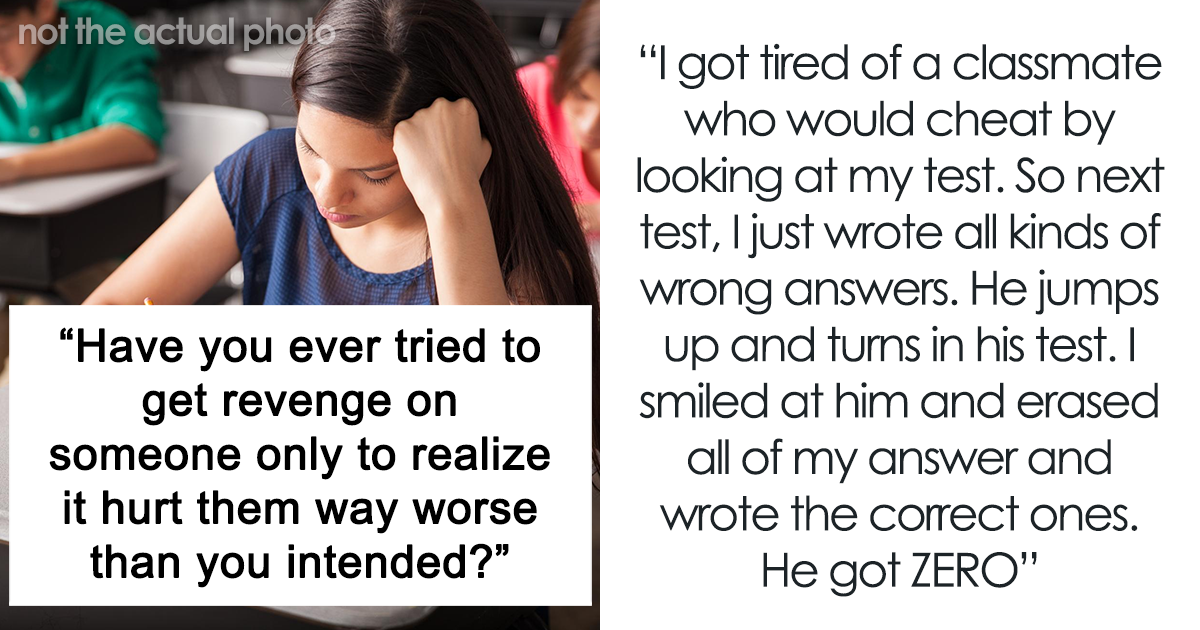
A student noticed a classmate copying answers during tests, so they filled their paper with wrong answers, waited for the cheater to submit, and then corrected their own work. The plan was simple: expose the copying. The result? Parents, teachers, isolation seating, and a reputation that followed the cheater much longer than expected. Academic revenge can feel clever, but it can permanently change how adults view a child.
2. The Fire-Code Complaint That Cost a Landlord the Property
A tenant angry about a withheld security deposit reported unsafe apartment conditions. The tenant expected pressure, maybe an inspection. Instead, the violations were serious enough to create major financial consequences for the owner. The twist: reporting safety hazards is legitimate, but when revenge is the spark, even the right action can leave a complicated aftertaste.
3. The “I Know What You Did” Threat That Caused a Breakdown
One person told a former friend that punishment was coming, then did absolutely nothing. The target panicked, spiraled, and suffered emotionally. No property was damaged. No public scene happened. But psychological pressure alone became far more harmful than expected. Revenge does not need fireworks to burn someone.
4. The Root Beer Lie That Lasted for Years
A sibling jokingly convinced a younger brother that root beer was actual beer and that he had a “drinking problem.” The joke was supposed to last five minutes. Instead, the child believed it for years and avoided the drink entirely. This is the comedy-tragedy of family revenge: kids are tiny lawyers with no legal training and total confidence in bad evidence.
5. The Food Thief Trap With Hidden Health Risks
Roommate food theft inspires more revenge fantasies than almost any household crime. But swapping ingredients to “teach a lesson” can backfire badly if allergies, intolerances, religious restrictions, or medical conditions are involved. A petty kitchen victory can become a medical emergency, and “he stole my almond milk” is not a great courtroom defense.
6. The Office Prank That Became a Workers’ Compensation Problem
An office prank may be intended as harmless humiliation. Then someone slips, panics, or suffers a medical episode. Suddenly, the joke becomes a safety investigation, a workers’ compensation claim, or a lawsuit. In workplace revenge stories, HR is not a supporting character. HR is the dragon at the end of the cave.
7. The Fake Police Visit That Traumatized a Coworker
Pretending that someone is being arrested may sound like “prank video” material to people who should not own cameras. But fear is real even when the badge is fake. A joke involving law enforcement can cause panic, humiliation, vomiting, anxiety, and job consequences for everyone involved. The plan may be “funny reveal.” The impact may be emotional distress.
8. The Password Reset Revenge That Became Federal Prison
Former employees sometimes think digital revenge is invisible. It is not. In real federal cases, fired or demoted IT workers have sabotaged networks, deleted accounts, or locked companies out of systems. What may begin as “they’ll regret firing me” can become computer fraud charges, prison time, restitution, and a career-ending criminal record.
9. The Deleted Website That Destroyed a Career
Digital sabotage feels clean because no one sees broken glass. But deleting files, websites, marketing materials, customer records, or user accounts can cause enormous business damage. Investigators can trace logins, IP addresses, scripts, and access histories. Revenge leaves fingerprints; it just uses a keyboard now.
10. The Fake Review Avalanche That Became Defamation Trouble
Posting an honest negative review is protected in many situations. Inventing claims is different. A person who creates fake reviews, exaggerates accusations, or recruits friends to bury a business can trigger defamation claims. The internet is not a magical lawless swamp, even if comment sections try very hard to be.
11. The Social Media Callout That Became Harassment
A public callout can begin as accountability. Then followers pile on, private information spreads, threats appear, and the target’s family or workplace gets dragged in. The original poster may say, “I didn’t tell anyone to do that,” but digital mobs rarely ask for permission before becoming a legal and ethical mess.
12. The Revenge Screenshot That Violated Privacy
Sharing a private message to prove a point can be tempting. Sharing medical details, intimate information, financial data, or private photos can cross serious lines. Revenge screenshots often age badly because they preserve the avenger’s judgment forever. Screenshots are not receipts; sometimes they are confessions.
13. The Cyberstalking Campaign That Started as “Closure”
Repeated messages, fake accounts, unwanted tracking, threats, and public humiliation can become cyberstalking. Many cases begin with someone feeling rejected, disrespected, or “owed” an explanation. But the law does not give people unlimited emotional roaming privileges just because their feelings are wearing a tiny crown.
14. The Nonconsensual Image Threat That Became a Crime
Using intimate images as revenge is not drama; it is abuse. Creating, sharing, or threatening to share private sexual images without consent can cause devastating harm and may carry criminal and civil consequences. This is one of the clearest examples of revenge producing consequences far beyond the original conflict.
15. The Glitter Bomb That Injured the Wrong Person
Novelty revenge packages look funny online. In real life, powders, confetti, glitter, smells, and surprise devices can trigger asthma, eye injuries, panic, cleaning costs, or delivery problems. Also, glitter has the moral character of a raccoon: once released, it cannot be reasoned with.
16. The Car Prank That Turned Dangerous
Messing with someone’s vehiclecovering it, blocking it, moving it, tampering with it, or hiding keyscan quickly become unsafe. Cars are not props. When revenge involves transportation, the risk jumps from embarrassment to injury, property damage, or criminal charges.
17. The Anonymous Tip That Exposed More Than Expected
Reporting real misconduct is important. But when a revenge tip triggers an investigation, it may uncover unrelated problems, affect innocent coworkers, or expose the reporter’s own behavior. A person may throw one match and discover the entire building was made of paperwork.
18. The Wedding Revenge Toast That Ruined Multiple Families
A wedding speech is not the place to reveal secrets, settle scores, or perform emotional arson with a microphone. Revenge speeches can damage marriages, friendships, and family relationships in minutes. The applause will not save you when Grandma starts crying into the salad.
19. The Group Chat Leak That Backfired
Leaking a group chat to embarrass one person can expose everyone else too. Private jokes, old comments, workplace gossip, and personal details may all spill out. The avenger becomes both whistleblower and villain, which is a confusing brand identity.
20. The “Teach the Bully a Lesson” Fight That Caused Injury
Standing up to bullying matters, but physical retaliation can cause serious harm. A shove, thrown object, or “just one punch” can produce medical consequences no one intended. The law and school discipline systems often care less about who started the emotional conflict and more about who caused the injury.
21. The Neighbor Feud That Became a Property War
Fence disputes, parking revenge, noise battles, and lawn-based warfare can escalate into police calls, HOA fines, lawsuits, and years of hostility. Nobody wins when the azaleas become evidence.
22. The Workplace Retaliation That Created a Bigger Claim
Managers sometimes punish employees after complaints, leave requests, discrimination reports, or accommodation requests. That “revenge” can become unlawful retaliation. Ironically, the original complaint may be fixable, while the retaliation claim becomes the expensive part.
23. The Exposé Email Sent to the Whole Company
Sending a dramatic email blast about a coworker or boss may feel heroic at midnight. By morning, it can look reckless, defamatory, or unprofessional. The message may also violate confidentiality rules. Revenge emails should come with a five-hour delay and a wise aunt holding the laptop hostage.
24. The Fake Dating Profile That Became Identity Misuse
Creating a fake profile to embarrass an ex or rival can lead to harassment, impersonation claims, platform bans, and police involvement. It may also invite strangers into the victim’s life, creating safety risks that go far beyond the original grudge.
25. The Bad Reference That Became a Legal Threat
A former boss may want to punish an employee by giving a brutal reference. If the comments are false or malicious, the revenge can trigger defamation concerns. Professional revenge often looks calm on the outside, which makes it more dangerous.
26. The School Prank That Became a Tragedy
Teen pranks often rely on speed, secrecy, and poor risk assessmentthe holy trinity of bad outcomes. A harmless tradition can turn tragic if someone runs, drives, slips, panics, or gets hurt. “We didn’t mean it” may be true, but consequences do not always care about intention.
27. The Customer Revenge That Hurt Innocent Workers
A furious customer may try to punish a company by yelling, posting, chargebacking, or staging a scene. But the people hit first are often cashiers, support agents, delivery drivers, or junior employees with no power over the original problem. Revenge loves missing the correct target.
28. The Silent Treatment That Became Emotional Distance
Not all revenge is loud. Some people punish partners, friends, or relatives with withdrawal. A day of silence becomes a week. A week becomes resentment. Eventually, the relationship is not being repaired; it is being slowly composted.
29. The “I’ll Make Them Jealous” Plan That Hurt Everyone
Dating someone to provoke an ex is a revenge plan with three victims: the ex, the new person, and the person pretending this is “healing.” Emotional chess is still emotional mess when the pieces have feelings.
30. The Public Embarrassment That Became Public Sympathy
Sometimes the target of revenge becomes the person everyone feels sorry for. A harsh prank, cruel post, or humiliating confrontation can make the avenger look worse than the original offender. The crowd may arrive for justice and stay for your character development.
31. The Petty Office Sabotage That Damaged a Project
Deleting calendar invites, withholding information, hiding files, or “forgetting” to include someone can harm clients, coworkers, and deadlines. Petty sabotage rarely stays neatly attached to one enemy. It spreads through the organization like spilled coffee under a keyboard.
32. The Family Secret Used as Ammunition
Revealing a family secret during a fight may feel like winning the argument. But secrets often involve other people: children, spouses, grandparents, or relatives who never volunteered for the explosion. Family revenge can echo for generations.
33. The Fake Complaint That Became a Real Investigation
False accusations are dangerous. They can damage reputations, waste resources, and expose the accuser to discipline, lawsuits, or criminal consequences. Real reporting systems exist to protect people. Using them as revenge weakens trust for everyone.
34. The “Harmless” Doxxing That Created Safety Risks
Posting someone’s address, workplace, phone number, school, or family details can invite harassment and danger. Doxxing is not just “sharing information.” It can become a roadmap for strangers with terrible judgment and too much free time.
35. The Revenge Plan That Workedand Still Felt Bad
The strangest revenge stories are the ones where the plan succeeds perfectly. The target suffers. The truth comes out. The crowd applauds. And then the avenger feels hollow. That is the emotional fine print: revenge can deliver consequences without delivering peace.
What These Revenge Stories Teach Us
The biggest lesson is that intention and impact are not the same thing. A person may intend embarrassment but cause trauma. They may intend inconvenience but cause financial ruin. They may intend a joke but create a safety hazard. Once revenge leaves your hands, it belongs to physics, law, psychology, screenshots, and other people’s reactions.
The second lesson is that escalation is sneaky. Revenge rarely announces, “Hello, I am about to become a legal problem.” It starts as a tiny act: one message, one lie, one report, one prank, one deleted file. Then other systems get involved: schools, workplaces, platforms, courts, police, families, medical providers, and insurance companies.
The third lesson is that accountability beats revenge. Accountability has a goal: repair, safety, boundaries, documentation, restitution, or justice. Revenge has a vibe: “I want them to hurt.” That difference matters. One can solve a problem. The other often becomes the problem.
Better Ways to Handle Anger Without Creating a Disaster
If someone wrongs you, write down what happened while it is fresh. Save evidence, but do not weaponize it online. Use official channels when safety, money, discrimination, harassment, or property is involved. Ask for advice from someone calm, preferably not the friend who starts every sentence with “You know what would be hilarious?”
For workplace issues, document patterns and speak with HR, a manager, or an employment professional when appropriate. For housing problems, use written notices, photos, inspection reports, and local tenant resources. For online abuse, report the content, preserve evidence, block contact, and seek help through trusted organizations or law enforcement if threats or intimate images are involved.
Most importantly, give yourself time. Anger is a terrible project manager. It misses deadlines, ignores budgets, and thinks arson is a communication style. Waiting 24 hours can be the difference between a firm boundary and a story people discuss at Thanksgiving for the next 20 years.
Experiences Related to Revenge Plans Gone Wrong
Anyone who has lived with roommates, worked in an office, attended school, dated humans, or had neighbors with leaf blowers knows revenge does not always arrive in dramatic form. Sometimes it is tiny. You wash only your dishes. You take the good parking spot. You respond to a paragraph with “k.” These miniature revenge plans feel harmless because they are socially acceptable enough to wear pants in public. But even small acts can create a loop where everyone becomes more defensive, less honest, and weirdly committed to suffering.
One common experience is the roommate revenge spiral. Someone eats food that is not theirs. The victim labels everything. The thief ignores the labels. The victim hides snacks in a bedroom. The thief complains that the house feels “hostile.” Suddenly, the apartment has the emotional climate of a courtroom with a broken dishwasher. The real solution was a direct conversation, shared rules, and consequences. But revenge made everyone feel like they were starring in a low-budget detective series called The Case of the Missing Yogurt.
Another familiar experience happens at work. A coworker takes credit for an idea, so the offended employee stops helping them. At first, this feels fair. Why assist someone who plays professional vacuum cleaner with your contributions? But if the project suffers, the manager may not see “justice.” They may see missed deadlines, poor teamwork, and two adults communicating entirely through calendar silence. The revenge plan punishes the target, but it also damages the avenger’s reputation.
Friend groups create their own revenge disasters. Someone is excluded from a party, so they exclude someone else from a trip. Screenshots appear. Side chats multiply. People begin using phrases like “my truth,” “toxic energy,” and “I’m not mad, I’m just done,” which means everyone is absolutely mad and nowhere near done. What began as one hurt feeling becomes a social earthquake.
Family revenge is even more complicated because relatives have archives. They remember what you said in 2009, what you wore in 2013, and how you behaved at a barbecue during a heat wave. A sarcastic comment meant to sting one sibling may pull parents, partners, and children into old rivalries. In families, revenge rarely hits one person. It ricochets off the furniture.
The healthiest experience many people eventually learn is that restraint feels boring only at first. Not sending the message, not posting the screenshot, not making the prank bigger, not turning one insult into a campaignthese choices can feel unsatisfying in the moment. But later, they feel like freedom. You do not have to manage fallout. You do not have to explain yourself. You do not have to become the villain in someone else’s version of the story.
Revenge promises closure, but boundaries usually deliver it. A boundary says, “You cannot treat me this way and keep the same access to my life.” Revenge says, “I will now spend my precious time designing your emotional obstacle course.” One of those options protects your peace. The other gives your enemy free rent in your head and possibly a guest room.
Conclusion
Wild revenge stories are entertaining because they reveal how quickly human emotions can outrun common sense. A revenge plan may begin with a stolen snack, a cheating classmate, a bad breakup, a cruel boss, or a petty neighbor. But consequences do not stay small just because the original plan was small. Jobs can be lost. Relationships can collapse. Schools can intervene. Lawsuits can appear. Police can get involved. And sometimes, the person seeking revenge ends up feeling worse than before.
The smartest revenge is rarely revenge at all. It is documentation, boundaries, honest reporting, legal action when needed, and the deeply underrated art of walking away before your anger starts drafting emails. If revenge is a dish best served cold, peace is a meal you do not have to clean up after.