

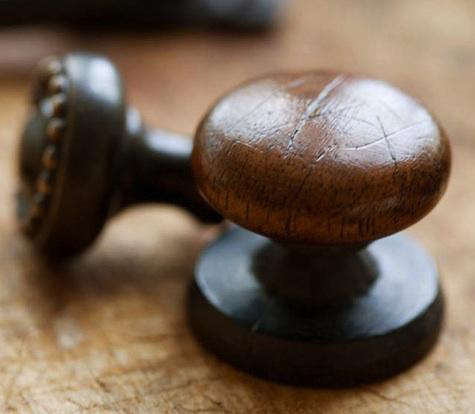
Cabinet hardware is often treated lsent, occasionally attractive, and usually ignored. An equestrian hardware knob refuses to accept that supporting role. Inspired by horses, tack rooms, riding traditions, and the practical elegance of stable equipment, this small decorative detail can give an ordinary cabinet, dresser, or closet door a surprising amount of character.
The original “Equestrian Hardware – Knob” associated with Pottery Barn appeared in a 2010 design archive as a wooden cabinet knob priced at $24. Although that specific product belongs to an earlier retail collection, its underlying idea remains relevant. Natural materials, sculptural forms, heritage references, and equestrian motifs continue to work beautifully in modern farmhouse homes, traditional interiors, rustic cabins, tack rooms, and even restrained contemporary spaces.
This guide explores what makes an equestrian knob distinctive, how to select the right material and finish, where to use it, how to install it correctly, and how to avoid turning your home into a gift shop located suspiciously close to a racetrack.
“`
What Is an Equestrian Hardware Knob?
An equestrian hardware knob is a single-point cabinet or furniture handle influenced by horseback riding culture. The connection may be obvious, such as a sculpted horse head or horseshoe, or subtle, such as a rounded wooden knob shaped like a saddle pommel. Other designs borrow details from bridles, stirrups, rosettes, riding boots, leather tack, reins, or traditional barn hardware.
Most cabinet knobs attach with one screw inserted through the back of a door or drawer front. That makes them easier to replace than two-screw pulls, which require matching the existing center-to-center hole spacing. A knob can therefore deliver a dramatic visual change without demanding a dramatic relationship with a power drill.
Common Equestrian Motifs
Horse-head knobs are among the most recognizable choices, especially when cast in bronze, pewter, iron, or zinc alloy. Horseshoe designs have a friendlier farmhouse personality, while stirrup-shaped hardware looks more refined and architectural. Leather-wrapped knobs and pulls reference bridles and saddles without displaying an actual horse.
Wooden equestrian knobs are often the most versatile. Their rounded profiles and visible grain can suggest riding heritage without becoming overly themed. Decorative ceramic versions may feature painted horses, vintage racing scenes, pastoral illustrations, or historic equine sketches.
Why This Small Detail Makes a Big Difference
Hardware is one of the few design elements that people see and touch repeatedly. A backsplash may receive compliments, but nobody grabs it twelve times while searching for coffee filters. Cabinet knobs must look appropriate, feel comfortable, remain secure, and survive daily use.
An equestrian knob can also communicate personal history. For a rider, trainer, horse owner, or racing enthusiast, it may be more than decoration. It can connect a home office to weekends at the barn or turn a plain mudroom cabinet into a subtle reminder of a favorite pastime.
Because knobs are small, they also allow homeowners to experiment with decorative design at relatively low risk. Replacing an entire kitchen with horse-themed cabinetry would be a bold life decision. Adding two handsome bronze knobs to a bar cabinet is considerably easier to explain.
Choosing the Best Material
The best material depends on where the knob will be installed, how frequently it will be handled, and whether you want a polished appearance or a finish that develops character over time.
Wood
Wood feels warm, natural, and closely connected to traditional barns, tack trunks, and handcrafted furniture. Oak, walnut, maple, beech, and painted hardwood knobs work well on dressers, armoires, built-ins, and dry indoor cabinetry.
A sealed wooden knob is easier to clean than unfinished wood. Raw wood may absorb hand oils, moisture, and dirt, gradually darkening around frequently touched areas. Some homeowners enjoy that natural patina; others discover that “authentic stable character” was not quite what they wanted beside the clean towels.
Solid Brass and Bronze
Brass and bronze provide weight, durability, and a traditional appearance. They pair naturally with dark wood, painted cabinetry, leather accessories, and other equestrian materials. Polished finishes feel formal, while aged, unlacquered, or oil-rubbed finishes create an older, collected look.
Some brass and bronze finishes are designed to change gradually as they are handled. These living finishes may darken, lighten, or reveal warmer tones at contact points. That evolution is not necessarily damage; it is part of the intended appearance. Buyers who want a consistent color should instead look for lacquered, coated, or highly stable finishes.
Cast Iron
Cast iron has a rugged, traditional personality suited to barn-inspired mudrooms, tack rooms, rustic kitchens, and heavy furniture. It looks especially convincing in black, antique iron, or weathered finishes.
However, iron needs appropriate protection in humid environments. A damaged coating may allow corrosion to develop, particularly in bathrooms, utility areas, or actual barns. Indoor decorative hardware and true stable hardware are not always interchangeable, no matter how confidently the product photograph poses beside a saddle.
Pewter and Zinc Alloy
Pewter-colored and zinc-alloy knobs make detailed sculptural designs more affordable. They are commonly used for horse heads, horseshoes, and decorative medallions because the casting process can reproduce fine features.
Quality varies widely. Look for clean casting, a secure threaded insert, a smooth gripping surface, and enough weight to feel substantial. Lightweight novelty hardware may be suitable for a jewelry box but disappointing on a frequently used kitchen drawer.
Ceramic, Glass, and Mixed Materials
Ceramic knobs can introduce color, illustration, and vintage charm. Glass adds sparkle and works well when the equestrian connection appears through an etched image or decorative backplate. Mixed-material designs may combine metal with leather, wood, enamel, or stone.
These options are excellent for accent furniture and low-traffic cabinets. For heavy drawers, verify that the material, stem, and mounting hardware are strong enough for repeated pulling.
Selecting the Right Finish and Style
The knob should relate to the room rather than galloping into it uninvited. Consider cabinet color, wood tone, nearby fixtures, lighting, and the amount of decorative detail already present.
For Traditional Interiors
Choose aged brass, dark bronze, pewter, or polished nickel with detailed horse, stirrup, or rosette forms. These finishes complement raised-panel doors, walnut furniture, leather upholstery, plaid fabrics, and classic millwork.
For Modern Farmhouse Rooms
Black iron, weathered bronze, light wood, and simple horseshoe shapes work well with white cabinets, natural oak, shiplap, stone, and woven textures. The most successful farmhouse hardware feels practical rather than artificially distressed by a machine having an emotional crisis.
For Contemporary Spaces
Look for abstract references instead of literal horse figures. A streamlined stirrup shape, saddle-inspired curve, leather loop, or smooth wood knob can suggest equestrian style while maintaining clean lines. Matte black, satin brass, and brushed nickel are particularly adaptable.
For a Child’s Room
Painted wood, ceramic ponies, and friendly horse silhouettes can personalize dressers and closet doors. Avoid hardware with sharp ears, thin projecting legs, or pointed horseshoe ends. A decorative knob should open the pajama drawer, not challenge the child to a tiny jousting match.
Where to Use Equestrian Knobs
Equestrian hardware does not have to cover every cabinet in the house. In fact, restraint often makes it more noticeable and sophisticated.
- Tack rooms: Use durable knobs on supply cabinets, grooming drawers, blanket storage, and built-in lockers.
- Mudrooms: Add horse-inspired hardware to cabinets holding boots, outdoor clothing, helmets, or pet supplies.
- Dressers and nightstands: Replace generic knobs to personalize bedroom furniture without repainting it.
- Home offices: Use subtle stirrup, leather, or wood designs on filing cabinets and desk drawers.
- Powder rooms: A pair of distinctive knobs can make a simple vanity feel custom.
- Bars and display cabinets: Decorative bronze or brass hardware works well as a concentrated statement.
- Entry consoles: Horse-head or horseshoe knobs create a memorable detail near the front door.
For a large kitchen, consider equestrian knobs on a pantry cabinet, island, beverage station, or hutch rather than on every door. Repeating a sculptural horse head forty times can make the herd appear restless.
Knobs Versus Pulls: Function Comes First
Knobs are compact, affordable, and easy to install with a single screw. They work especially well on cabinet doors, small drawers, and decorative furniture. Pulls provide a larger gripping area and distribute force across two mounting points, making them more comfortable for wide or heavy drawers.
A practical arrangement is to place equestrian knobs on doors and coordinating pulls on drawers. For example, bronze horse-head knobs can be combined with simple bronze bar pulls. Leather knobs may be paired with matching leather loops. The pieces do not need to be identical, but they should share a finish, material, shape, or visual theme.
People with arthritis, limited hand strength, or reduced dexterity may find knobs difficult to pinch and turn. A D-shaped or generously sized pull is generally easier to operate. In an accessible kitchen or multigenerational home, decorative equestrian knobs may be better reserved for lightly used furniture while larger pulls handle everyday storage.
How to Measure Before Buying
Start by measuring the thickness of the cabinet door or drawer front. Many knobs include a standard mounting screw, but thick drawer fronts, applied molding, or vintage furniture may require a longer screw. A screw that is too short will not engage securely. One that is too long may prevent the knob from tightening or protrude awkwardly into the cabinet.
Measure the knob’s projection as well as its width. Projection is the distance from the cabinet surface to the front of the knob. A deeply sculpted horse head may look impressive but extend far enough to catch clothing in a narrow walkway.
Check the diameter of the base. A larger base or backplate may cover marks left by previous hardware. A smaller base may reveal faded finish, scratches, or an old indentation around the existing hole.
Before purchasing a full set, order or test one sample whenever possible. Hold it against the cabinet, view it from across the room, and open the door several times. Hardware can look elegant online and surprisingly like a tiny door-mounted trophy once it arrives.
How to Install an Equestrian Cabinet Knob
Tools and Supplies
- Measuring tape or ruler
- Pencil or removable painter’s tape
- Cabinet hardware template or homemade jig
- Drill and appropriately sized bit
- Screwdriver
- Scrap wood for backing the drilling area
- Mounting screw and optional washers
Step 1: Remove the Existing Hardware
Open the door or drawer and loosen the screw from the inside. Hold the knob with your other hand so it does not rotate against the finish. Clean the exposed area and inspect the existing hole for damage.
Step 2: Test the Screw
Insert the supplied screw through the existing hole and thread it into the knob. Confirm that the knob can tighten completely without leaving a gap. Add an appropriate washer if the screw head is too small for the hole or if the interior surface needs reinforcement.
Step 3: Mark New Holes Carefully
For an undrilled door, use a cabinet hardware template to repeat the same position across multiple doors. On framed cabinet doors, knobs are commonly placed on the stile near the intersection with the rail. Exact positioning should respond to the door design, knob size, and comfortable reach.
Place painter’s tape over the drilling area, mark the center, and confirm the location before drilling. Measure every door, even when they appear identical. Cabinets occasionally enjoy small inconsistencies, usually discovered immediately after someone drills six holes.
Step 4: Drill a Clean Pilot Hole
Support the back of the door with scrap wood to reduce splintering as the bit exits. Drill straight and use a bit sized for the mounting screw. Do not enlarge the hole unnecessarily, because an oversized opening may allow the knob to shift.
Step 5: Attach and Align the Knob
Insert the screw from inside the cabinet and turn the knob onto it by hand. For directional designs such as horse heads or horseshoes, hold the knob in its final orientation while tightening the screw. Tighten until secure, but avoid excessive force that could crush wood fibers, crack ceramic, strip the insert, or damage the finish.
Cleaning and Maintenance
Dust decorative knobs regularly with a soft, dry cloth. For most coated metal hardware, use a cloth dampened with mild soapy water, then dry the surface promptly. Avoid abrasive pads, harsh chemical cleaners, and aggressive metal polish unless the manufacturer specifically recommends them.
Clean carved details with a soft brush rather than a sharp object. For wood, follow the finish manufacturer’s care instructions and prevent water from sitting around the base. Ceramic and glass knobs should be checked occasionally for cracks or looseness.
Hardware can loosen with repeated use. Inspect mounting screws periodically and tighten them gently. If a knob repeatedly rotates, a small washer, thread-locking product approved for the application, or a knob with anti-rotation points may help. Avoid improvising with permanent adhesive unless you are absolutely certain that neither you nor any future homeowner will ever want to remove it.
Design Mistakes to Avoid
- Using too many literal motifs: Horse heads, horseshoes, saddle prints, riding crops, and plaid can quickly begin competing for the blue ribbon.
- Ignoring scale: A tiny knob may look lost on a wide drawer, while an oversized sculpture can overwhelm a narrow cabinet door.
- Choosing appearance over grip: Test whether fingers can fit comfortably around the knob.
- Mixing unrelated finishes: Variety can look collected, but random combinations often look accidental.
- Installing indoor hardware in harsh conditions: Barn humidity, dust, temperature changes, and cleaning chemicals demand durable materials and suitable coatings.
- Skipping a sample: Photographs do not fully reveal weight, texture, projection, or casting quality.
Real-World Experiences With Equestrian Hardware Knobs
One of the most satisfying uses of equestrian hardware is updating a plain piece of furniture. A basic pine dresser, for example, may look forgettable with its original round knobs. Replace them with aged-brass horseshoe knobs, and the same dresser suddenly feels intentional. The project usually takes less than an hour, provided the existing screws cooperate and nobody puts the screwdriver down in a location governed by another dimension.
The first lesson from projects like this is that decorative hardware looks more powerful in context than it does in the hand. A detailed horse-head knob may seem small when unpacked, yet six identical pieces can dominate the front of a dresser. Testing one knob before buying the entire set helps determine whether the motif should be repeated across every drawer or limited to the top row as an accent.
Another useful experience comes from installing equestrian knobs in a mudroom. This setting naturally supports riding-inspired design because the room already handles boots, coats, helmets, gloves, and outdoor equipment. Dark bronze knobs on olive, navy, or warm white cabinetry create a practical, grounded look. They also hide fingerprints better than highly polished finishes, which is useful when everyone enters the room carrying approximately half the outdoors.
In an actual tack room, function becomes more important than decorative detail. Smooth, rounded hardware is less likely to snag clothing, straps, hay nets, or lead ropes. Deeply sculpted horse heads may look magnificent on a display cabinet but become irritating on a narrow aisle cabinet used twenty times a day. Heavy drawers containing grooming tools, wraps, or supplies generally perform better with full-hand pulls, while knobs remain appropriate for lighter doors.
Directional hardware introduces another practical surprise. A round knob can rotate without anyone noticing. A horse head that gradually tilts sideways appears either sleepy or deeply disappointed. During installation, the mounting screw must be tightened while the design is held upright. On frequently used doors, an anti-rotation point, textured base, or small protective washer can help preserve alignment.
Mixing equestrian knobs with plain hardware often produces a more polished result than using themed pieces everywhere. One successful approach is to place sculptural knobs on upper cabinet doors while using simple coordinating pulls on lower drawers. Another is to feature equestrian hardware only on a freestanding hutch or tack cabinet. The room still communicates its inspiration, but visitors do not feel as though they have wandered into the hardware aisle of a horse show.
Material choice also changes the long-term experience. Unfinished wood feels warm but may darken where fingers touch it. Living brass develops a patina that many people love, though homeowners expecting permanent showroom shine may interpret the change as a maintenance emergency. Coated zinc hardware is inexpensive and decorative, but high-use locations reveal quality differences quickly. Solid, well-made hardware generally feels better, stays tighter, and ages more convincingly.
The final lesson is simple: the best equestrian knob tells a story without becoming a costume. It should feel comfortable, suit the furniture, and connect naturally with the room. When those elements align, a cabinet knob stops being an afterthought and becomes the small detail that makes the entire piece memorable.
Conclusion
An equestrian hardware knob combines function with a distinctive design language rooted in riding culture, craftsmanship, and traditional stable materials. Whether made from wood, bronze, brass, iron, ceramic, or leather-accented metal, the right knob can refresh furniture and cabinetry without requiring a full renovation.
Choose a design that fits the room, a material suited to the environment, and a shape that feels comfortable in the hand. Measure the cabinet thickness and knob projection, test a sample, install it with a consistent template, and care for the finish gently. Above all, use equestrian motifs with enough restraint that the room feels collected rather than corralled.