

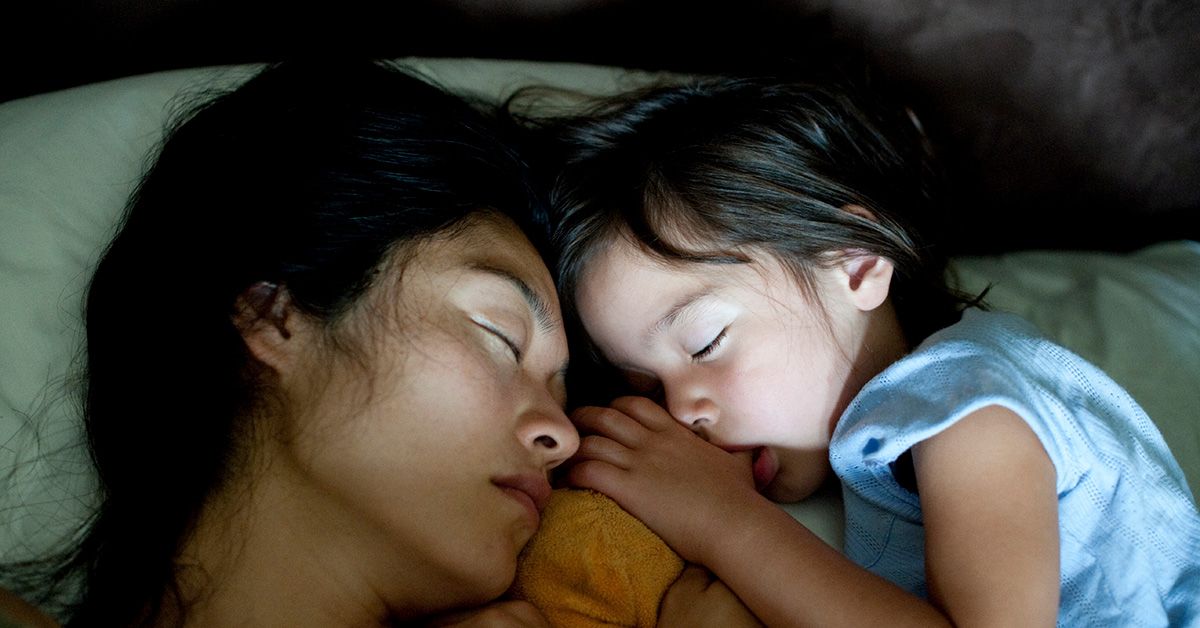
Sleep and immune system health are more connected than most people realize. Sure, sleep helps you avoid looking like a confused raccoon at 7 a.m., but it also gives your body the time and biological rhythm it needs to repair, defend, and reset. Your immune system is not a tiny superhero living in your bloodstream with a cape, but it does act like a 24/7 security team. And like any security team, it performs better when the lights are off, the schedule is consistent, and nobody is forcing it to work double shifts on three hours of sleep.
Modern life is not exactly sleep-friendly. Phones glow, emails multiply, streaming platforms ask, “Are you still watching?” as if they do not already know the answer is yes. But when sleep becomes short, irregular, or poor in quality, the immune system may become less balanced. That can affect inflammation, infection resistance, recovery, vaccine response, and overall wellness.
This article explains how sleep supports immune function, why sleep deprivation can make the body more vulnerable, and what practical habits can help you protect both your bedtime and your body’s defenses.
What Is the Connection Between Sleep and the Immune System?
The immune system is a complex network of cells, tissues, proteins, and organs that protects the body from viruses, bacteria, and other unwanted guests. Think of it as your body’s border patrol, cleanup crew, repair department, and memory bank all rolled into one. Sleep helps this system communicate clearly and respond appropriately.
During sleep, the body regulates immune cells and signaling proteins called cytokines. Some cytokines help promote sleep, while others help the immune system respond to infection, stress, or inflammation. This relationship works in both directions: sleep affects immune activity, and immune activity can affect sleep. That is why you may feel extra sleepy when you are sick. Your body is not being dramatic; it is reallocating energy like a very serious project manager.
How Sleep Strengthens Immune Function
Sleep Supports Immune Memory
One of the immune system’s most impressive skills is memory. After the body encounters a virus, bacterium, or vaccine, immune cells learn to recognize that threat in the future. Sleep appears to help support this learning process. In simple terms, your immune system studies at night. Pulling an all-nighter may feel productive for school or work, but your immune cells may prefer a quiet classroom with pillows.
Quality sleep may help the body form a stronger adaptive immune response. Adaptive immunity includes T cells and B cells, which help target specific threats. This matters because the immune system does not only fight today’s germs; it prepares for tomorrow’s rematch.
Sleep Helps Balance Inflammation
Inflammation is not automatically bad. It is part of the body’s repair and defense system. When you twist an ankle or fight an infection, inflammation helps send resources to the affected area. The problem begins when inflammation becomes chronic or poorly controlled.
Poor sleep has been linked with higher levels of inflammatory markers. Over time, this may contribute to a body environment that feels stuck in “alarm mode.” Imagine your immune system’s smoke detector going off because someone made toast. Useful in emergencies, annoying and harmful when constant.
Sleep Helps Immune Cells Work on Schedule
The immune system follows circadian rhythms, the body’s internal 24-hour clock. Certain immune cells become more active at specific times of day and night. Sleep helps keep that timing organized. When bedtime shifts wildly from night to night, the immune system may receive mixed signals.
This is one reason consistent sleep matters. Sleeping from 11 p.m. to 7 a.m. most nights is usually easier on the body than sleeping five hours one night, ten hours the next, and then trying to “catch up” with a heroic Sunday nap that accidentally becomes time travel.
What Happens to the Immune System When You Do Not Sleep Enough?
Sleep deprivation can affect both innate and adaptive immunity. Innate immunity is the body’s fast, general defense system. Adaptive immunity is slower but more specific, using immune memory to recognize particular threats. When sleep is too short or poor in quality, both systems may become less efficient.
People who regularly get insufficient sleep may be more likely to become sick after exposure to common viruses. Lack of sleep may also influence how quickly the body recovers. That does not mean one bad night guarantees illness. The human body is resilient, not a glass phone screen. But repeated sleep loss can make immune defense harder.
Short Sleep and Common Colds
Research has found associations between short sleep duration and increased risk of developing cold symptoms after viral exposure. The reason is likely not one single pathway. Sleep affects cytokines, natural killer cells, antibody production, stress hormones, and inflammation. In other words, sleep is not pushing one immune button; it is managing the whole control panel.
Sleep and Vaccine Response
Vaccines work by teaching the immune system what to recognize. Sleep may support that learning process. Some studies suggest that sleep deprivation around the time of vaccination can reduce antibody response. This does not mean sleep replaces vaccines. It means sleep may help your body respond more effectively to them.
A practical takeaway: before and after a vaccine appointment, prioritize good sleep if possible. Your immune system is receiving important training. Let it attend class well-rested.
Sleep Loss and Chronic Health
Long-term sleep deficiency is associated with higher risk of several chronic health problems, including high blood pressure, diabetes, obesity, heart disease, and mood disorders. These conditions are not only separate from immune health; they can interact with inflammation and immune regulation. Poor sleep can become part of a messy cycle where stress, metabolism, inflammation, and immune function all start borrowing trouble from each other.
Why Do You Feel Sleepy When You Are Sick?
When you have a cold, flu, or another infection, your immune system releases chemical signals that can increase sleepiness. This is part of the body’s recovery strategy. Rest may help conserve energy and support immune activity. Unfortunately, symptoms like coughing, congestion, fever, and body aches can also make sleep harder. The immune system asks for rest, then your nose says, “Interesting idea. What if we blocked one side completely?”
To sleep better while sick, focus on comfort and hydration. Elevating your head slightly may help with congestion. A cool, dark room can support sleep quality. If symptoms are severe, persistent, or unusual, it is wise to contact a healthcare professional.
How Much Sleep Do You Need for a Healthy Immune System?
Most adults need at least seven hours of quality sleep per night. Teens generally need more, often around eight to ten hours, because their bodies and brains are still developing. Children need even more depending on age.
But sleep health is not only about hours. Quality matters too. Seven hours of broken, restless sleep may not feel as restorative as seven hours of deep, consistent sleep. Good sleep includes enough duration, regular timing, and minimal interruptions. Your immune system appreciates both quantity and quality, because apparently it has standards.
Signs Your Sleep May Be Hurting Your Immune Health
It is normal to have occasional rough nights. Stress, travel, school, work, family responsibilities, and random midnight thoughts about embarrassing things from five years ago can all interfere with sleep. But if poor sleep becomes routine, your body may start waving little red flags.
Possible signs include frequent colds, slow recovery after illness, daytime fatigue, irritability, brain fog, increased cravings, trouble concentrating, and feeling tired even after spending enough time in bed. These signs do not automatically mean your immune system is weak. Many conditions can cause fatigue or frequent illness. But they are good reasons to review your sleep habits and consider medical advice if problems continue.
Best Sleep Habits to Support the Immune System
Keep a Consistent Sleep Schedule
Going to bed and waking up around the same time every day helps regulate circadian rhythm. This does not require military-level precision. You do not need to salute your alarm clock. But a steady routine helps the body predict when to release sleep-related hormones and when to become alert.
Make Your Bedroom Cool, Dark, and Quiet
Your sleep environment matters. A dark room supports melatonin production, a cool temperature helps the body settle, and quiet reduces nighttime awakenings. If outside noise is unavoidable, a fan, white noise machine, or earplugs may help.
Limit Screens Before Bed
Phones, tablets, and laptops can delay sleep because of light exposure and mental stimulation. Also, nothing says “peaceful bedtime” like reading one message and accidentally entering a 45-minute investigation into someone else’s vacation photos. Try reducing screen use at least 30 to 60 minutes before bed.
Watch Caffeine Timing
Caffeine can stay active in the body for hours. Coffee, energy drinks, some teas, and certain sodas may interfere with sleep if consumed too late. If sleep is a struggle, consider cutting caffeine after lunch or early afternoon.
Do Not Use Alcohol as a Sleep Tool
Alcohol may make people feel sleepy at first, but it can disrupt sleep later in the night. It may reduce sleep quality and increase awakenings. The goal is restorative sleep, not just unconscious attendance in bed.
Move During the Day
Regular physical activity can improve sleep quality and support immune health. Exercise also helps regulate stress, metabolism, and inflammation. Even a brisk walk can help. Just avoid intense workouts too close to bedtime if they make you feel wired.
Create a Wind-Down Routine
A calming routine tells the body that sleep is approaching. Reading, gentle stretching, journaling, breathing exercises, or a warm shower can help. The routine does not need to be fancy. You are preparing for sleep, not opening a luxury spa named “The Pajama Palace.”
Foods, Hydration, and Sleep: The Immune Support Trio
Sleep does not work alone. Nutrition and hydration also shape immune health. A balanced diet with fruits, vegetables, lean proteins, whole grains, and healthy fats provides nutrients the immune system needs. Protein supports tissue repair and immune cell production. Vitamins and minerals such as vitamin C, vitamin D, zinc, and iron play roles in immune function, though supplements should not be treated like magical force fields.
Heavy meals close to bedtime may interfere with sleep. Going to bed very hungry can also make sleep harder. A light snack may help some people, especially if dinner was early. Hydration is important too, but drinking a lake’s worth of water right before bed may turn your night into a bathroom field trip.
Stress, Sleep, and Immunity: The Triangle Nobody Asked For
Stress can make sleep worse, and poor sleep can make stress feel bigger. Both can influence immune function. Stress hormones such as cortisol are useful in short bursts, but chronic stress may interfere with immune balance and increase inflammation. When sleep is poor, emotional regulation also becomes harder. Small problems start wearing dramatic costumes.
Managing stress does not mean eliminating every challenge. It means giving the nervous system regular chances to calm down. Deep breathing, movement, time outdoors, talking with supportive people, and limiting late-night doomscrolling can all help.
Common Myths About Sleep and the Immune System
Myth 1: You Can Fully Catch Up on Sleep Over the Weekend
Extra rest after a hard week can help reduce sleep pressure, but it may not completely undo the effects of repeated sleep deprivation. A better strategy is consistency. Weekend recovery sleep is like using tape on a leaky pipe. Helpful for a moment, but not a long-term plumbing plan.
Myth 2: More Sleep Is Always Better
Healthy sleep is about getting the right amount for your body. Regularly sleeping far more than recommended may be a sign of poor sleep quality, illness, depression, sleep disorders, or other health issues. If you sleep long hours and still feel exhausted, consider talking with a healthcare provider.
Myth 3: Supplements Can Replace Sleep
No supplement can replace consistent, high-quality sleep. Vitamins may help if someone has a deficiency, but they cannot perform the full biological work of sleep. Your immune system does not accept gummy vitamins as a substitute for bedtime.
When to Seek Help for Sleep Problems
Occasional insomnia happens. But ongoing sleep problems deserve attention. Talk to a healthcare professional if you regularly struggle to fall asleep, wake often, snore loudly, gasp during sleep, feel extremely sleepy during the day, or do not feel rested despite enough time in bed. Sleep disorders such as insomnia, sleep apnea, restless legs syndrome, and circadian rhythm disorders can affect health and should not be ignored.
Getting help is not overreacting. Sleep is a foundation of health. If the foundation cracks, the rest of the house starts making weird noises.
Real-Life Experiences Related to Sleep and Immune System Health
Many people only begin respecting sleep after their body files a complaint. A common experience goes like this: a person pushes through a busy week, sleeps five or six hours a night, drinks extra coffee, skips exercise, and tells everyone, “I’m fine.” Then Friday arrives, the schedule finally relaxes, and suddenly they wake up with a sore throat, heavy head, and the personality of a damp sock. It feels like the illness appeared out of nowhere, but the body may have been running on low battery for days.
One practical example is the student who studies late every night before exams. At first, staying up seems like a smart trade: fewer hours of sleep, more hours of review. But after several nights, concentration drops, memory gets fuzzy, and stress rises. If a cold is going around, that student may feel more vulnerable. A better approach is to study earlier, sleep consistently, and let the brain and immune system do their overnight work. Sleep is not wasted study time. It is the save button.
Another familiar example is the busy parent or worker who treats sleep as the first thing to sacrifice. They may stay up after everyone else is asleep because it is the only quiet time of the day. That quiet time matters emotionally, but when it regularly cuts sleep too short, the body pays. A small shift can help: create a shorter, intentional wind-down routine instead of letting revenge bedtime procrastination take over. Even 30 extra minutes of sleep, repeated consistently, can make mornings feel less like a courtroom trial.
People recovering from illness often notice that sleep becomes both more necessary and more difficult. During a cold, the body may crave rest, but coughing or congestion interrupts it. In that situation, the goal is not perfect sleep; it is supportive rest. Dimming lights, reducing noise, drinking fluids earlier in the evening, and keeping the room comfortable can help. Resting during the day may also be useful, especially when nighttime sleep is broken.
Some people also notice that their immune health improves when they protect a regular routine. They may not stop every cold, because nobody receives a lifetime force field for going to bed on time. But they feel more resilient. They recover faster, handle stress better, and experience fewer energy crashes. The lesson is not that sleep is a miracle cure. The lesson is that sleep gives the immune system better working conditions.
The most useful mindset is to treat sleep as basic maintenance, like charging your phone, brushing your teeth, or updating software before it becomes everyone’s problem. You do not need a perfect routine. You need a repeatable one. Set a bedtime target. Keep the room comfortable. Reduce late caffeine. Give screens a bedtime too. Build a small ritual that tells your body, “The day is done; please stop running twelve browser tabs in my brain.” Over time, these habits can support better sleep, steadier energy, and a more balanced immune response.
Conclusion
Sleep and immune system health are deeply connected. Quality sleep helps regulate cytokines, support immune memory, balance inflammation, and keep immune cells working on a healthy schedule. Poor sleep, especially when repeated over time, may make the body more vulnerable to infections, slow recovery, and contribute to chronic inflammation.
The good news is that improving sleep does not require a complete life makeover. A consistent sleep schedule, a calm bedroom, less screen time before bed, smart caffeine timing, daily movement, stress management, and balanced nutrition can all support better rest. Sleep is not laziness. It is biological housekeeping. And your immune system loves a clean, well-organized house.