

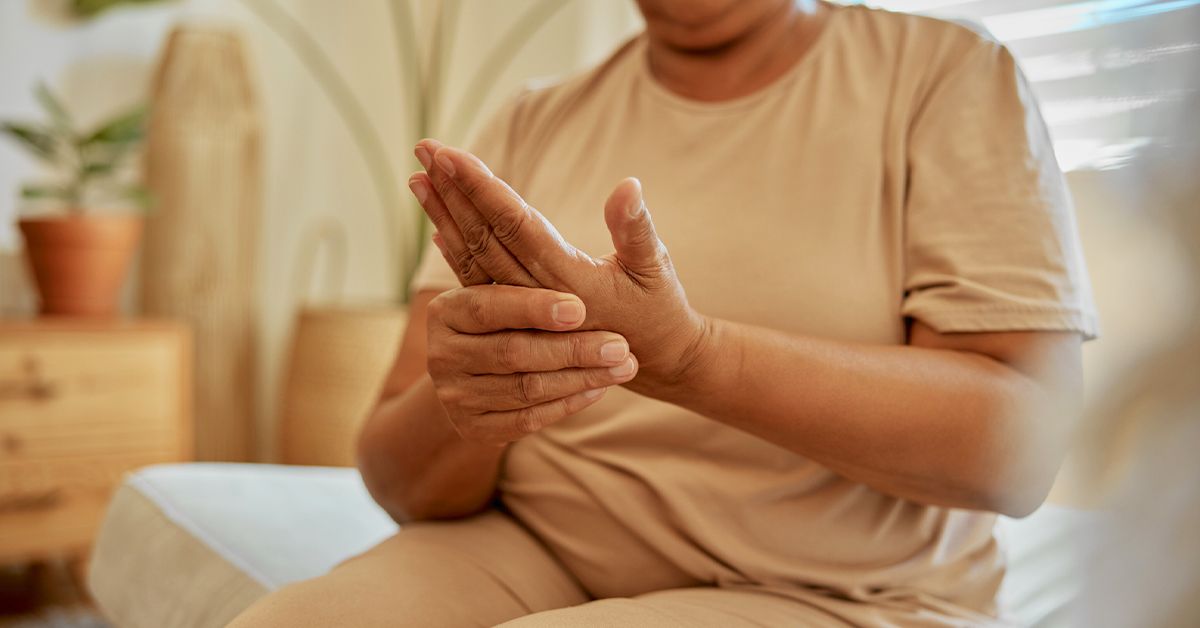
When your hand suddenly puffs up like it is preparing for a surprise boxing match, it is easy to assume you slept on it weird, ate too much salt, or angered the universe. But sometimes the real culprit is angioedema, a type of swelling that happens deeper under the skin. Unlike a simple rash, angioedema does not just sit on the surface and wave hello. It affects the deeper layers of tissue, which is why hands can look dramatically swollen, feel tight, and become annoyingly hard to use.
Angioedema on the hands can happen for several reasons. In some cases, it is linked to an allergic reaction. In others, it may be triggered by medication, physical pressure, an underlying medical issue, or a rare inherited condition called hereditary angioedema. The tricky part is that hand swelling can look similar whether the cause is mild and temporary or something that needs urgent attention.
This guide breaks down what angioedema on the hands usually looks like, what can cause it, how doctors tell it apart from other types of swelling, and when it is time to stop Googling and get medical care immediately.
What angioedema on the hands looks like
Angioedema is swelling in the deeper layers of skin and soft tissue. On the hands, that often shows up as sudden puffiness in the fingers, palm, or back of the hand. Sometimes one hand swells. Sometimes both do. Sometimes the swelling stays in one area, and other times it spreads toward the wrist.
Common signs of angioedema on the hands
- Noticeable swelling of the fingers, hand, or wrist
- Tight, stretched, or shiny-looking skin
- Rings suddenly feeling too tight or impossible to remove
- A feeling of pressure, burning, tingling, or tenderness
- Reduced flexibility when making a fist or gripping objects
- Swelling that appears quickly, often over minutes to hours
Some people also have hives, which are raised, itchy welts on the skin. If angioedema comes with hives, itching is more likely. But if it happens without hives, the skin may feel more tight or painful than itchy. That distinction matters because it can hint at the cause.
Another clue is how the swelling behaves. Angioedema often looks dramatic compared with everyday puffiness. A hand may feel heavy, clumsy, warm, or stiff enough to make typing, buttoning clothes, or opening a jar feel like a surprisingly personal insult.
What it does not always look like
Angioedema does not always come with redness, a visible bite mark, or a bumpy rash. That is why people sometimes confuse it with fluid retention, a hand injury, or even arthritis. It can also come and go. One episode may last less than a day, while others last longer depending on the trigger and the type of angioedema.
What causes angioedema on the hands?
There is no single cause of hand angioedema. Instead, doctors usually think about it in categories: allergy-related, medication-related, hereditary, or idiopathic, which is medical language for “the body is being mysterious again.”
1. Allergy-related angioedema
This is one of the more familiar causes. In allergy-related angioedema, the body releases histamine and other chemicals after exposure to a trigger. Common triggers include:
- Certain foods, such as shellfish, nuts, eggs, or milk
- Medications, including antibiotics or NSAIDs like ibuprofen
- Insect stings or bites
- Latex or other allergens
- Some infections
When histamine is involved, hand swelling may appear along with hives, itching, redness, or other allergy symptoms. If the reaction is severe, it can progress to anaphylaxis, which is a medical emergency.
2. Medication-related angioedema
Some medications can cause angioedema even when there is no classic allergy. A well-known example is ACE inhibitors, a group of blood pressure medicines. These drugs can trigger swelling in places like the face, lips, tongue, throat, and sometimes the hands or feet. The wild part is that the reaction can happen shortly after starting the medication or much later, even after months of use.
Other drugs, including NSAIDs, may also trigger swelling in some people. If swelling starts after a new medication or appears repeatedly while taking a certain drug, that pattern deserves medical attention.
3. Hereditary angioedema
Hereditary angioedema (HAE) is a rare genetic condition that causes recurrent episodes of swelling. The hands are a common site. Unlike typical allergic angioedema, HAE usually does not come with hives. The swelling is often painful, deeper, and slower to go away.
People with HAE may also have:
- Repeated swelling of the hands, feet, face, or genitals
- Severe abdominal pain, nausea, or vomiting during attacks
- A family history of similar swelling episodes
- Symptoms that begin in childhood or adolescence
HAE attacks may be triggered by stress, minor trauma, illness, dental work, hormonal changes, or even pressure on the skin. So yes, something as ordinary as carrying a heavy bag or bumping your hand can occasionally set off a bigger problem.
4. Acquired or idiopathic angioedema
Not every case fits neatly into a box. Some people develop angioedema later in life without a clear inherited cause. Others have repeated swelling episodes with no obvious trigger at all. That is called idiopathic angioedema. It is frustrating, inconvenient, and a great example of how the immune system sometimes acts like it skipped the team meeting.
5. Physical triggers
In some people, angioedema or hives-related swelling is linked to physical triggers such as pressure, vibration, heat, cold, or exercise. If your hands swell after gripping tools, carrying luggage, weightlifting, or repeated friction, this pattern can help point your doctor toward the cause.
Is it really angioedema, or something else?
Not all swollen hands are caused by angioedema. A swollen hand can also happen with:
- Contact dermatitis, which usually causes a rash and itch after skin exposure to an irritant or allergen
- Cellulitis, a bacterial skin infection that often comes with redness, warmth, tenderness, and sometimes fever
- Injury or overuse, especially if there is pain after trauma
- Lymphedema, a different kind of persistent swelling caused by lymph drainage problems
- Arthritis or gout, which may cause joint-specific swelling and pain
- Exercise-related swelling, which is often temporary and not true angioedema
The biggest clue is the overall pattern. Angioedema tends to come on relatively quickly, often affects soft tissue rather than just a single joint, and may recur. If you have swelling plus hives, abdominal pain, breathing symptoms, or a medication trigger, angioedema climbs higher on the list.
When angioedema on the hands is an emergency
Hand swelling by itself is not always dangerous, but angioedema can become serious fast if it spreads or is part of a broader reaction. Seek emergency care right away if you have hand swelling and any of the following:
- Swelling of the lips, tongue, mouth, or throat
- Trouble breathing or wheezing
- Difficulty swallowing
- Hoarseness or a tight feeling in the throat
- Dizziness, fainting, or a sudden drop in blood pressure
- Rapidly worsening symptoms after food, medication, or an insect sting
If you have been prescribed an epinephrine auto-injector for severe allergic reactions, use it as directed and get emergency help. Angioedema involving the airway is never the time to “wait and see.”
How doctors diagnose angioedema on the hands
Diagnosis starts with the story. Your clinician will usually ask:
- How fast the swelling started
- Whether it came with hives or itching
- What you ate, touched, or took beforehand
- Whether you recently started or changed medications
- Whether anyone in your family has had similar swelling
- Whether you also get abdominal pain or swelling in other body parts
A physical exam can help, but the details in your history often do the heavy lifting. If allergic angioedema is suspected, a doctor may focus on triggers and reaction timing. If recurrent swelling happens without hives, especially with a family history or abdominal symptoms, they may order blood tests such as C4 and C1 inhibitor levels or function to evaluate for hereditary angioedema or related conditions.
Testing is not always dramatic or glamorous. Sometimes the smartest diagnostic move is simply noticing that your swelling always follows ibuprofen, a blood pressure pill, or a pattern of recurrent attacks without itching.
Treatment for angioedema on the hands
Angioedema treatment depends on the cause, severity, and whether the airway is involved.
For mild histamine-related angioedema
- Avoid the suspected trigger
- Use an oral antihistamine if recommended by your clinician
- Apply a cool compress for comfort
- Monitor closely for worsening symptoms
Some cases improve on their own. If the swelling is more severe or persistent, a clinician may recommend other medicines. In allergic angioedema, treatment often overlaps with treatment for hives.
For severe allergic reactions
If angioedema is part of anaphylaxis or there is airway involvement, emergency treatment is essential. That may include epinephrine and airway support. This is not a home-remedy situation.
For medication-related angioedema
If a medication is the cause, the offending drug usually needs to be stopped under medical guidance and replaced if necessary. Never stop a prescription medication casually without speaking to a healthcare professional, but never ignore swelling that may be medication-related either.
For hereditary angioedema
HAE is treated differently from standard allergy-related angioedema. Because it is often driven by bradykinin rather than histamine, antihistamines, steroids, and epinephrine may not work well unless there is also an allergic reaction. People with HAE may need targeted on-demand medicines during an attack and preventive therapy if attacks are frequent or severe.
How to prevent future episodes
Prevention depends on the trigger, but these steps are often helpful:
- Keep a record of episodes, including foods, medications, activities, and timing
- Take photos of the swelling to show your doctor
- Avoid known triggers once identified
- Review all medications, especially blood pressure drugs and pain relievers, with your clinician
- See an allergist or immunologist for recurrent or unexplained swelling
- Have an emergency plan if you have severe allergies or hereditary angioedema
If you have repeated hand swelling without a clear reason, do not brush it off as “just weird swelling.” The cause matters, and the correct diagnosis can change the treatment completely.
What people often experience with angioedema on the hands
People who deal with angioedema on the hands often describe it as one of the strangest types of swelling because it does not always look like an obvious rash or injury. Many say the first sign is not visual at all. Instead, it starts with a weird tightness. A ring feels snug out of nowhere. A coffee mug feels awkward in the fingers. Typing seems clumsy. Then they look down and realize their hand has become noticeably puffy, as if someone quietly replaced it with an overinflated glove.
Another common experience is surprise. Hand angioedema can come on quickly, so people often think, “What did I even do?” Some connect it to a meal, a medication, a bug sting, or a new product they touched. Others cannot find any obvious trigger at all. That uncertainty can be stressful, especially when the swelling has happened before and still refuses to explain itself like a responsible adult.
For people with histamine-related angioedema, the hand swelling may come with hives, itching, or flushing. In those cases, the episode can feel like part of a bigger allergy flare. One moment the skin is fine, and the next the body is staging a dramatic overreaction. For people with hereditary angioedema, the experience is often different. They may describe swelling that feels deeper, more painful, and less itchy. Some say the hand feels heavy, pressured, or sore rather than irritated. Others notice that an attack can migrate, meaning the swelling starts in the hand and later shows up somewhere else, such as the foot, face, or abdomen.
Daily tasks are where hand angioedema becomes especially frustrating. Holding a toothbrush, fastening a bra, opening a door, turning a key, using a phone, cooking dinner, or carrying groceries can suddenly feel much harder. Parents may struggle to lift a child comfortably. Office workers may find a mouse and keyboard unexpectedly annoying. Anyone who works with their hands, from hairstylists to mechanics to nurses, may feel the impact immediately.
There is also the emotional side. Recurrent swelling can make people anxious about when the next episode will hit. Some become hyperaware of every sensation in their fingers. Others worry about whether hand swelling is a warning sign that throat swelling could happen too. That concern is especially understandable for people who have had severe allergic reactions before or who live with hereditary angioedema.
Many people also describe relief once they finally get the right explanation. Understanding whether the swelling is allergic, medication-related, or hereditary can change everything. It can mean learning to avoid a trigger, switching a medication, carrying emergency treatment, or getting specialized care. In other words, a swollen hand is not always just a swollen hand. Sometimes it is the body sending a message, and the smartest move is to listen before it sends a louder one.
The bottom line
Angioedema on the hands usually appears as sudden, deeper swelling that can make the fingers and soft tissues feel tight, heavy, painful, or hard to use. It may happen with hives and itching, or it may happen on its own. Common causes include allergic reactions, medications such as ACE inhibitors, physical triggers, and hereditary angioedema.
The most important thing is recognizing the pattern. If swelling is recurrent, happens without hives, or comes with abdominal symptoms or a family history, it deserves a closer look. And if the swelling involves the mouth, throat, or breathing, get emergency care right away. Your hands may be trying to tell you something. Ideally, not by impersonating oven mitts.