

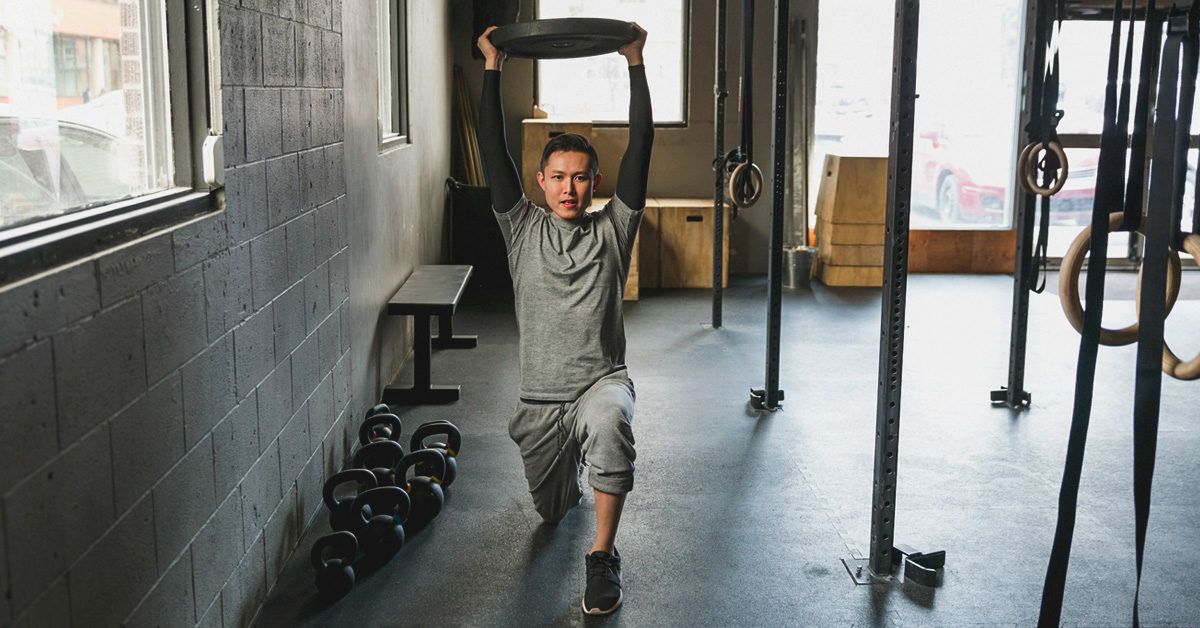
If your gym’s leg press is always occupied by someone performing a suspiciously long “rest period,” or you train at home where the only machine available is a very judgmental dining chair, do not panic. You can still build strong quads, glutes, hamstrings, and calves without a leg press machine. In many cases, you can do it with exercises that also improve balance, coordination, and real-world lower-body strength.
The leg press is popular for a reason. It lets you load the lower body heavily while supporting your torso, and it mainly targets the quadriceps while also training the glutes, hamstrings, and calves. But it is not the only ticket to stronger legs. A smart leg press alternative can train the same major muscle groups, challenge your lower body through a similar range of motion, and even add benefits the machine cannot offer, like unilateral control, core engagement, and better carryover to everyday movement.
So if you need a leg press alternative because your gym is crowded, your home gym is gloriously machine-free, or you simply want more variety on leg day, here are five excellent options to try. Some are beginner-friendly, some are spicy, and all of them can earn a place in your lower-body routine.
What Makes a Good Leg Press Alternative?
A good substitute does not need to copy the machine exactly. It just needs to do the important job. The best leg press alternatives usually check at least three boxes:
- They train the quads, glutes, and hamstrings instead of turning leg day into a one-muscle-only event.
- They allow progression through more reps, more load, a longer range of motion, or slower tempo.
- They fit your body and equipment so you can perform them safely and consistently.
One more thing matters: comfort. If an exercise lights up your muscles, great. If it lights up your knees, hips, or lower back in a bad way, that is your cue to modify the movement, reduce the range of motion, or choose another option. Muscle burn is normal. Feeling like your joints are filing a complaint is not.
1. Goblet Squat
If the leg press and a practical full-body movement had a baby, it would probably be the goblet squat. This exercise targets the quads, glutes, hamstrings, and core while teaching you how to sit down and stand up with control. That may not sound glamorous, but it is wildly useful in both training and daily life.
Why it works
The goblet squat gives you a similar “push the floor away” feeling you get from the leg press. Because the weight sits in front of your body, many people find it easier to stay upright than in a barbell back squat. That can make it a friendly option for beginners and anyone working on squat mechanics.
How to do it
- Hold a dumbbell or kettlebell at chest height with both hands.
- Stand with feet about shoulder-width apart, toes turned out slightly if that feels natural.
- Brace your core and sit your hips down and back.
- Lower until your thighs are at least close to parallel, or as far as you can with good form.
- Drive through your midfoot and heels to stand tall.
Best for
People who want a leg press alternative at home, beginners who need a simple squat variation, and lifters who want quad and glute work with a side of core training.
Common mistake to avoid
Do not let the weight pull you forward like it is trying to escape the workout. Keep your chest proud, elbows tucked, and knees tracking in line with your toes.
2. Bulgarian Split Squat
Ah yes, the Bulgarian split squat: beloved by trainers, feared by everyone with a calendar full of stairs the next day. This move is one of the best leg press alternatives because it crushes the quads and glutes while training one leg at a time.
Why it works
Unlike the leg press, which spreads the work across both legs, the Bulgarian split squat reveals any strength imbalance immediately. It also creates a huge training stimulus with less total load, which can be helpful if you want challenging leg work without piling plates to the ceiling.
How to do it
- Stand a couple of feet in front of a bench or step.
- Place the top of one foot behind you on the bench.
- Keep most of your weight in the front leg.
- Lower straight down until the front thigh approaches parallel.
- Push through the front foot to return to standing.
Best for
Lifters who want more quad emphasis, athletes who need unilateral leg strength, and home exercisers with just a bench and dumbbells.
Common mistake to avoid
Do not set up on a tightrope. Keep your stance wide enough side to side for balance. Your back foot is there for support, but the front leg should do the heavy lifting.
3. Step-Up
Step-ups look almost too simple to be effective, which is exactly why they sneak up on people. One minute you are “just stepping on a box.” The next minute your glutes are sending strongly worded emails. This exercise is a fantastic leg press alternative because it trains the quads and glutes through a strong knee and hip extension pattern while also improving balance and control.
Why it works
Step-ups are functional, scalable, and friendly to many training environments. You can perform them with body weight, dumbbells, or a barbell. You can also adjust the box height to shift the difficulty level. A lower step is easier and often more knee-friendly. A higher step increases the demand on the glutes and hamstrings.
How to do it
- Stand tall in front of a sturdy box, bench, or step.
- Place one foot fully on the platform.
- Drive through that foot and stand up without bouncing off the back leg.
- Bring the trailing leg up with control.
- Step back down slowly and repeat.
Best for
Anyone who wants a practical machine-free movement, older adults building lower-body strength, and people who like exercises that translate well to actual life. After all, stairs are not going away.
Common mistake to avoid
Do not turn it into a pogo-stick drill. If you are pushing hard off the floor with the trailing leg, the working leg is getting cheated. Make the top leg do the job.
4. Reverse Lunge
The reverse lunge is a leg press alternative that deserves far more applause than it usually gets. It targets the quads, glutes, hamstrings, and calves while often feeling more controlled than a forward lunge. For many people, stepping backward is simply easier on the knees.
Why it works
The reverse lunge lets you load one leg at a time, improve hip stability, and train through a large range of motion. It also asks your body to stabilize itself in space, something the leg press machine does not really care about. That makes it a great option for people who want lower-body strength that carries into sports, walking, climbing stairs, and everyday movement.
How to do it
- Stand tall with feet hip-width apart.
- Step one leg back and lower until both knees bend.
- Keep your torso upright and your front foot planted.
- Push through the front foot to return to standing.
- Repeat on the same side or alternate legs.
Best for
People who want a knee-friendlier leg press alternative, those training for athletic balance and coordination, and anyone who only has a pair of dumbbells and determination.
Common mistake to avoid
Do not make the step too short. That usually turns the move into an awkward knee jam. Give yourself enough room to descend straight down with control.
5. Glute Bridge or Hip Thrust
If your goal is not just “bigger quads” but stronger lower-body performance overall, the glute bridge or hip thrust belongs in the conversation. This is not the closest visual twin to a leg press, but it is an excellent complement or substitute when you want to strengthen the posterior chain.
Why it works
The leg press hits the glutes and hamstrings, but many people still leave leg day with undertrained hip extension. Bridges and hip thrusts fix that. They strengthen the glutes hard, help support the hips and pelvis, and can improve lower-body balance in a program that otherwise leans heavily toward knee-dominant work.
How to do it
- Lie on your back with knees bent and feet flat.
- Brace your core and press through your heels.
- Lift your hips until your body forms a straight line from shoulders to knees.
- Squeeze your glutes at the top.
- Lower with control and repeat.
To turn it into a hip thrust, place your upper back on a bench and load the movement with a barbell, dumbbell, or resistance band.
Best for
People who sit a lot, lifters who need more glute work, and anyone building a more balanced lower-body routine instead of a quad-only fan club.
Common mistake to avoid
Do not overarch your lower back at the top. The squeeze should come from your glutes, not from flinging your ribs toward the ceiling like you are dramatically reacting to the music in the gym.
How to Choose the Right Alternative for Your Goals
Not every leg press alternative is best for every person. Here is a simple cheat sheet:
- For overall strength: Goblet squat
- For unilateral strength and muscle growth: Bulgarian split squat
- For functional training: Step-up
- For knee-friendly control: Reverse lunge
- For more glute emphasis: Glute bridge or hip thrust
If you are training at home, start with body weight and slow tempos. If you are in a gym, add dumbbells, kettlebells, barbells, or resistance bands over time. Progress does not always mean more weight. More control, deeper range, cleaner reps, and better balance count too.
Sample Leg Press Alternative Workout
If you want a quick way to use these movements, try this lower-body session one to two times per week:
- Goblet squat: 3 sets of 8 to 10 reps
- Bulgarian split squat: 3 sets of 8 reps per leg
- Step-up: 3 sets of 10 reps per leg
- Reverse lunge: 2 to 3 sets of 8 to 10 reps per leg
- Glute bridge or hip thrust: 3 sets of 12 to 15 reps
Rest 60 to 90 seconds between sets. Use a weight that makes the last few reps feel challenging while still letting you keep good form. If you are brand-new to training, start with fewer sets and focus on consistency before intensity.
Real-World Experiences: What People Often Notice When They Swap Out the Leg Press
One of the most common experiences people have when they replace the leg press is surprise. Specifically, the kind of surprise that sounds like, “Wait, why is this harder with less weight?” The answer is simple: machine-supported exercises can let you focus on pushing hard, but free-weight and body-weight alternatives often ask more from your stabilizers, core, balance, and coordination. In plain English, your legs are no longer doing the job from a comfy seat with a backrest and a built-in travel path.
Many lifters notice that goblet squats feel more “whole body” than leg presses. Their heart rate rises a little faster, their torso has to stay engaged, and their upper body suddenly has opinions about leg day. That does not mean the movement is worse. It usually means more muscles are participating in the party. The same thing happens with step-ups and reverse lunges. People often expect a pure quad exercise and end up discovering their glutes, calves, and balance were invited too.
Another frequent experience shows up with Bulgarian split squats, and it is deeply humbling. A person who can load the leg press heavily may grab a pair of moderate dumbbells, do a clean set of split squats, and immediately rethink every life choice that led them there. This is normal. Unilateral work exposes asymmetries fast. One leg may feel solid while the other behaves like it just met gravity for the first time. Over a few weeks, though, many people report improved stability, better control during other lower-body lifts, and fewer obvious left-to-right differences.
Home exercisers often have the best “why didn’t I do this sooner?” moments. Without access to a leg press machine, they start using step-ups, glute bridges, lunges, and squats more consistently. Then they realize they are still building strength just fine, and in some cases moving better overall. Climbing stairs feels easier. Getting up from low chairs feels smoother. Carrying groceries becomes less of a dramatic event. These are not flashy gym milestones, but they matter.
People with cranky knees or lower-back sensitivity sometimes report that switching from the leg press to carefully chosen alternatives helps them train more comfortably. That does not mean every alternative will feel perfect for every body, but variations like reverse lunges, low step-ups, and bridges often let people adjust range of motion and load more precisely. The key experience here is not “no discomfort ever again.” It is usually “I found a version I can perform well and recover from.” That is a huge win.
There is also a mindset shift that happens. The leg press can feel satisfying because the numbers get big fast. Alternatives ask for patience. Progress shows up in steadier reps, cleaner depth, better balance, stronger contraction, and eventually heavier loading. It is less about impressing the person two machines over and more about building a lower body that is strong, capable, and useful. Not as flashy, perhaps. Much more effective in the long run.
Final Thoughts
If you need a leg press alternative, you have excellent options. Goblet squats, Bulgarian split squats, step-ups, reverse lunges, and glute bridges can all help you build strong legs without relying on a machine. Better yet, these moves can train your body in ways the leg press cannot by improving balance, coordination, unilateral strength, and everyday function.
The best choice depends on your goal, equipment, experience level, and how your joints feel. Start with the variation you can perform with clean form, progress it over time, and keep the focus on quality reps. Your legs do not care whether the resistance comes from a fancy machine or a pair of dumbbells. They care that you keep showing up and making them work.
And if you still miss the leg press a little, that is okay too. Some gym romances never fully fade.