

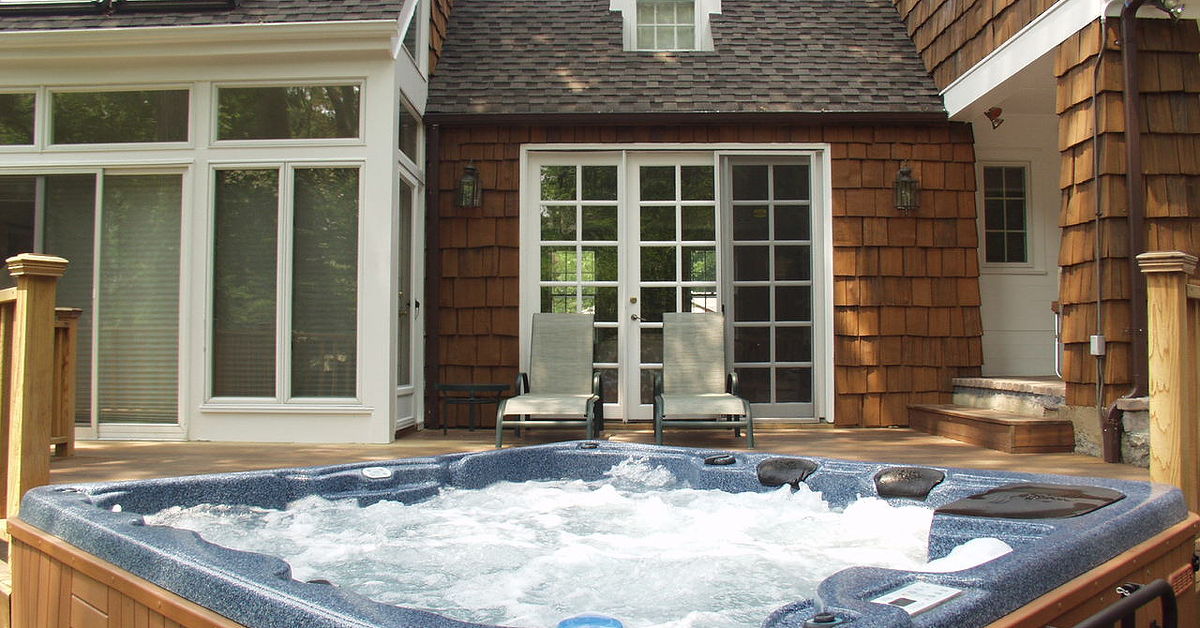
If you’ve ever stared at your backyard and thought, “This space would be 73% better with bubbling water and 27% less stress,” you’re not alone.
The big question usually isn’t whether to get a hot tubit’s where and how to install it. Do you go with a hot tub on a deck
(easy access, flexible layout, strong “weekend cabin” energy) or a built-in / in-ground hot tub (sleek, resort-like, and the closest you’ll get to
feeling like you own a boutique hotel)?
This guide breaks down the real-world tradeoffs: structure, cost, maintenance, safety, and that all-important factorhow it feels to use it every day.
Along the way, we’ll keep it practical, a little funny, and very focused on the stuff people wish they’d known before the delivery truck shows up.
Quick definitions (so we’re arguing about the same thing)
Hot tub on a deck
Typically a portable, above-ground spa placed on top of a deck or partially recessed into a deck platform (sometimes called “deck-integrated”).
The spa stays a self-contained unit with a cabinet, equipment bay, and accessible service panels.
Built-in / in-ground hot tub
A spa that’s installed as part of the landscape or hardscapeoften tiled, concrete, fiberglass, or gunitesimilar to an in-ground pool spa.
It can be standalone or connected to a pool system, and it usually relies on dedicated equipment (pumps, heater, plumbing runs) that may be located
in a nearby equipment area.
Deck vs built-in: the “vibe” test (yes, it matters)
Let’s be honest: you’re not just buying warm water. You’re buying a ritualafter-work decompression, weekend hangouts, winter stargazing, or the
occasional “we should totally use this more” moment that somehow still makes you happy you own it.
- Deck hot tubs feel casual and flexible. They match outdoor living spacesgrill, seating, string lights, and a spa that says “come as you are.”
- Built-in hot tubs feel intentional and high-end. They look like they were always meant to be there, especially with stonework, tile, or a spillover feature.
If you want maximum “wow” at first glance, built-in often wins. If you want easiest day-to-day ownership, deck placement has a strong case.
The #1 reality check: weight and structure (aka “water is heavy, surprise!”)
A hot tub filled with water and humans can weigh several thousand pounds. That’s not a scare tacticit’s physics being rude.
Before you pick “deck” or “built-in,” do the math and plan the support.
Rule-of-thumb load math (simple and useful)
- Water weight: gallons × 8.34 lb (because one gallon of water weighs about 8.34 pounds).
- Add tub weight: your spa’s dry weight (manufacturer spec).
- Add people: be realistic (yes, Uncle Mike counts).
- Divide by footprint: total weight ÷ spa footprint (sq ft) = pounds per square foot (psf).
Example: A 400-gallon tub: 400 × 8.34 = 3,336 lb of water. Add 800 lb dry tub + 600 lb people = ~4,736 lb.
If the tub footprint is 7 ft × 7 ft = 49 sq ft, that’s ~97 psf in that area. That’s why “just set it on the deck” is not a plan.
What decks are typically designed for
Many residential decks are designed around a minimum live-load assumption that works great for patio furniture and peoplebut not always for a concentrated,
multi-thousand-pound spa load. Putting a hot tub on a deck often requires reinforcement: bigger joists, tighter joist spacing, added beams/posts, and upgraded
footingssometimes with input from a structural engineer.
Built-in hot tubs usually sit on a reinforced base (often concrete) or within engineered hardscape, so the structural question shifts from “Can my deck hold this?”
to “Is my excavation/base/pad engineered correctly and draining properly?”
Cost reality: which one is cheaper (and why)
If your goal is to get soaking fast without taking out a second mortgage on your landscaping, deck placement of a portable spa is often the budget-friendly route.
Built-in can be stunning, but it tends to cost more because you’re paying for construction, plumbing, finishes, and labor complexity.
Deck hot tub cost buckets
- Spa purchase: wide range depending on size/features.
- Site prep: pad or reinforced deck framing, possible railing/stairs.
- Electrical: wiring, GFCI protection, disconnect, and permits/inspection.
- Optional: privacy screens, pergola, steps, lighting, wind protection.
Built-in / in-ground cost buckets
- Excavation & base: digging, hauling, compaction, reinforced structure.
- Plumbing & equipment: longer runs, equipment pad, valves, possible pool integration.
- Finishes: tile/stone/coping, custom seating, water features.
- Engineering & drainage: critical to avoid future “why is my spa a swamp?” problems.
In plain terms: deck installs usually have fewer moving parts (literally), while built-in installs are construction projects with more trades involved.
Maintenance and access: what you’ll thank yourself for later
Here’s a homeowner truth: the best hot tub is the one that’s easy to maintain. If servicing the equipment requires removing half your deck or demolishing a stone wall,
you’ll learn new words you didn’t want to learn.
Deck hot tubs: generally easier service access
Portable spas are designed to be serviced from an equipment bay. That’s why manufacturers and installers commonly recommend leaving meaningful clearanceoften around
three feetespecially on the side with controls/equipment access. If you’re integrating the spa into a deck, plan access panels you can remove without a crowbar.
Built-in hot tubs: “looks seamless” can become “servicing is a puzzle”
Built-in spas can absolutely be serviceable, but the design must include access routes to pumps, heater, filters, and valves. If you’re doing a fully in-ground spa,
ask early: Where does the technician stand? How do they reach equipment? How do you replace a pump five years from now?
Tip: Make the access plan feel “boringly obvious” on paper. Boring is beautiful when something breaks on a Friday night.
Safety and code basics (the parts you shouldn’t freestyle)
Hot tubs combine water + electricity + slippery surfaces + relaxation-brain. It’s not the moment to improvise. Local requirements vary, but there are common themes:
proper GFCI protection, a readily accessible disconnect within sight, bonding/grounding requirements, and safe walking surfaces and barriers.
Deck setup safety wins
- Better entry design: steps with handrails, non-slip treads, and stable landings.
- Visibility: you can keep the spa close to the house lighting and main hangout zones.
- Cover discipline: lockable covers help reduce risk when the spa isn’t in use.
Built-in setup safety wins
- Lower step-in height: many built-ins can be designed for easier entry (less climbing).
- Cleaner pathways: fewer trip hazards if the hardscape is laid out well.
- Integrated barriers: walls/planters can help define and protect the area.
Either way: hire qualified pros for electrical work, follow manufacturer installation guidance, and get permits/inspections where required.
Energy efficiency and operating costs: what actually changes
Operating cost depends on climate, insulation quality, cover use, electricity rates, and how hot you keep it. The installation style changes a few things:
Deck hot tubs
- Pros: Portable spas are typically well-insulated units with tight-fitting covers; easier to keep heat in if you’re consistent with cover use.
- Watch-outs: Wind exposure can increase heat lossprivacy screens and wind breaks can help comfort and efficiency.
Built-in hot tubs
- Pros: Can be designed with wind protection and integrated thermal strategies depending on materials and enclosure.
- Watch-outs: More plumbing runs and custom construction can introduce heat-loss points if not done thoughtfully.
Bottom line: The biggest “efficiency hack” is still boringuse a good cover, keep water chemistry balanced, and don’t heat the sky for fun.
Design and backyard layout: choosing what fits your life
The best placement is the one you’ll actually use. Ask yourself:
- How often will I use it? If it’s daily, convenience and easy access matter more than “magazine photo” looks.
- Who will use it? Kids, older adults, frequent guests? Entry height and safe pathways become huge.
- What’s the vibe? Social zone near the house, or private retreat tucked away?
- What’s the view? Stars, garden, privacy hedgeyour tub should face something better than the AC unit.
Deck placement tends to be best when…
- You want a faster install with fewer construction steps.
- You want flexibility to change the layout later.
- You want easier maintenance access (filters, pumps, repairs).
- You’re pairing it with an outdoor living room (seating, kitchen, TV, fire pit).
Built-in tends to be best when…
- You want a permanent, custom look that matches a high-end landscape plan.
- You’re already doing major hardscape, a pool, or a full backyard remodel.
- You care about seamless aesthetics and lower “appliance-on-the-patio” feel.
- You want a designed entry (benches, steps, spillover) tailored to your household.
The “decision in 60 seconds” checklist
Pick a deck hot tub if you answer “yes” to most of these:
- I want the simplest path to soaking.
- I want easier access for service and future replacement.
- I’m okay reinforcing a deck (or placing it on a slab/pad near the deck).
- I prefer flexible layout and upgrades over permanent construction.
Pick built-in if you answer “yes” to most of these:
- I’m already doing a big backyard construction project.
- I want a custom, integrated look that boosts “luxury feel.”
- I’m willing to pay more for finishes, excavation, and labor.
- I will design service access like it’s part of the architecture (because it is).
Common mistakes (and how to avoid them)
1) Underbuilding the deck
A hot tub load is concentrated and heavy. If the deck isn’t engineered for it, you risk sagging, bounce, or worse. Fix it on paper first:
reinforce framing, add posts/footings, and have the structure evaluated professionally when needed.
2) Hiding the equipment bay behind “pretty”
A deck-integrated spa can look amazing, but don’t block panels. Make access doors that actually open. Future-you will send you a thank-you card.
3) Ignoring drainage
Hot tubs splash. Covers drip. People exit like adorable wet Labradors. Plan where the water goesespecially for recessed deck installs and built-ins
so you don’t end up with puddles, algae, or slippery surfaces.
4) Forgetting the human path
The tub might fit perfectly, but can a person carry chemicals, remove the cover, and walk safely at night?
Good lighting, stable steps, and non-slip surfaces matter more than fancy tile.
Conclusion: deck or built-inwhat most people end up loving
If you want the easiest ownership experience, a deck hot tub (or a portable spa placed beside/near a deck on a proper pad) is hard to beat:
faster install, easier servicing, and the ability to change things later.
If you want the most elevated lookand you’re already in “major backyard project” modea built-in hot tub can be a showstopper that feels like a
permanent luxury feature. Just design it like a real system: engineered support, planned drainage, and service access that doesn’t require detective work.
Either way, the best choice is the one that fits your lifestyle, your yard, and your tolerance for construction chaos. Because the goal isn’t to own a hot tub.
The goal is to actually use itoften, safely, and with minimal drama.
of real-world experiences (deck vs built-in)
Homeowners tend to discover the “truth” of hot tub placement in the first monthright after the novelty phase and right before the “okay, how do we
make this effortless?” phase. Here are the most common lived-experience lessons people share (with names changed to protect the innocent, and because
your neighbor doesn’t need to know we’re talking about them).
The Deck Convert
One family planned a built-in spa during a full backyard redo. The design looked incredible on paper: stone surround, hidden lighting, and a clean,
resort-style edge. Then they priced it out and realized the spa was quietly turning into a small home addition. They pivoted to a portable hot tub on a
reinforced deck corner with privacy screens. The surprise benefit? They used it more, because it was closer to the back door and easier to access on
weeknights. Their big takeaway: convenience beats perfection. If you can step out, flip the cover, and soak in under five minutes, you’ll actually do it.
The “Pretty But Tricky” Built-In Story
Another homeowner went all-in on an in-ground spa with gorgeous tile and a spillover into a small plunge pool. Stunning? Yes. Maintenance reality?
Also yes. When a component needed service, access was tight, and a small issue became a bigger project because reaching the equipment required removing
portions of the surrounding finish. They still loved itbut they wished the contractor had treated “service access” like a headline feature, not an afterthought.
Their advice to future buyers: make the access plan so obvious that even a stranger could point to it and say, “Oh, pumps are there.”
The Winter User’s Perspective
In colder climates, deck tubs that sit exposed to wind can feel amazing once you’re inbut brutal in the ten seconds it takes to get there. People who use
their tubs all winter often add a windbreak wall, pergola curtains, or even a partial enclosure. The funny part? Those additions usually end up improving
privacy and aesthetics too. One owner joked that the windbreak “saved their hot tub marriage,” because it stopped the annual debate over who had to run
outside first to open the cover.
The Party Host Lesson
If you entertain a lot, deck placement tends to integrate better with the hangout zoneseating, snacks, music, and casual traffic flow. Built-ins can feel
more like a destination feature: beautiful, but sometimes separated from the social area. One host solved this by adding a small “dry lounge” beside the spa:
a bench, hooks for towels, and a place to set drinks away from the splash zone. Their takeaway: the hot tub is only half the experience; the surrounding
staging area is what makes it easy for guests to use without awkwardness.
The Unexpected Favorite Feature
Across both styles, one thing consistently makes people happier: a safe, comfortable entry. Whether it’s wide deck stairs with a handrail or a built-in
step-down design, easy entry increases use for everyoneespecially kids, older adults, and anyone who doesn’t want to perform a nightly “wet acrobat”
routine. If you’re deciding where to spend your budget, spending it on access, lighting, and non-slip surfaces is the most boringand most belovedupgrade.