

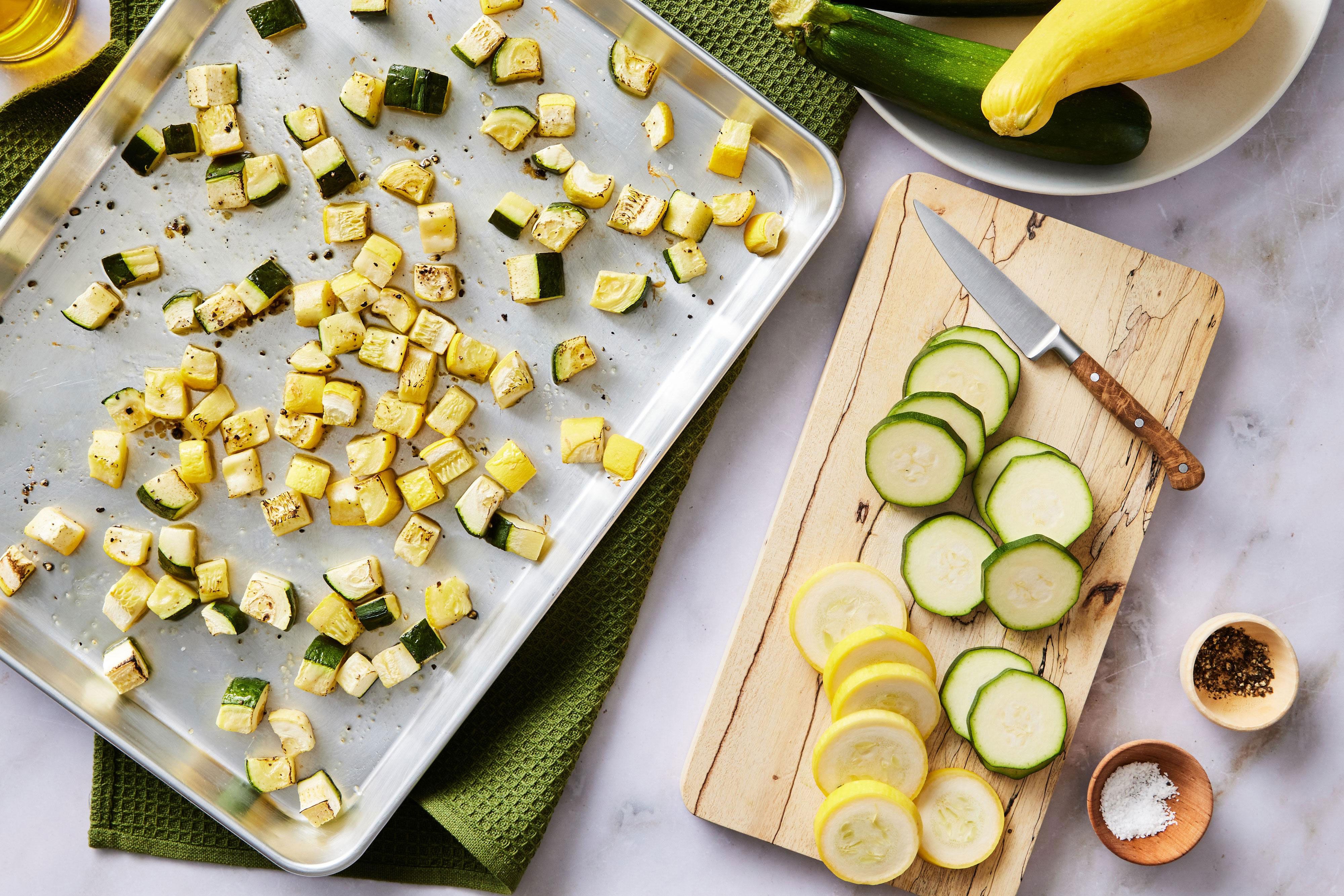
Summer squash is the cheerful overachiever of the produce aisle. One minute it is a humble zucchini sitting quietly beside the onions; the next minute it has multiplied on your counter like it has a secret cloning business. Good news: this tender, mild, sunny vegetable is one of the easiest ingredients to cookif you know how to avoid the dreaded soggy squash situation.
Whether you are working with zucchini, yellow squash, crookneck squash, or tiny pattypan squash that looks like it belongs in a vegetable spaceship parade, the same basic rule applies: summer squash cooks fast. Its skin is thin and edible, its flesh is juicy, and its flavor is gentle enough to swing Italian, Mediterranean, Southern, Mexican-inspired, or “whatever is left in the fridge” with surprising grace.
This guide explains how to cook summer squash 9 ways, from roasted to air-fried, with practical tips, timing, seasoning ideas, and texture-saving tricks. No mush. No bland rounds of sadness. Just tender, golden, flavorful squash that knows exactly what it came to dinner to do.
What Is Summer Squash?
Summer squash is a group of squash varieties harvested while the skin is still tender and the seeds are soft. Unlike winter squash, which usually has a tough rind and dense flesh, summer squash is delicate, quick-cooking, and rarely needs peeling. Common types include green zucchini, yellow straightneck squash, yellow crookneck squash, pattypan squash, and round zucchini.
The flavor is mild, lightly sweet, and grassy in the best possible way. That makes it a flexible base for garlic, lemon, Parmesan, fresh herbs, chili flakes, smoked paprika, basil, mint, feta, breadcrumbs, tomatoes, corn, onions, and just about every summer ingredient that has ever winked at a grill.
Before You Cook: How to Prep Summer Squash
Choose smaller squash when possible
Small to medium summer squash usually has better flavor and a firmer texture. Oversized squash can be watery, seedy, and less tender. If your zucchini looks like it could be used as a canoe paddle, it is still usable, but it may be better shredded for fritters, casseroles, quick breads, or soups.
Wash, trim, and skip the peeler
Rinse the squash under cool running water and gently rub away any grit. Trim off the stem and blossom ends. There is no need to peel summer squash because the skin is edible and helps the pieces hold their shape during cooking.
Cut according to the method
For roasting, cut squash into thick half-moons, spears, or chunks. For grilling, use long planks or thick rounds so they do not fall through the grates. For sautéing and stir-frying, slices, half-moons, or matchsticks work well. For air-frying, uniform coins or sticks help everything cook evenly.
Salt strategically
Summer squash contains a lot of water. For crispier roasted, sautéed, or fried squash, lightly salt cut pieces and let them sit for 10 to 20 minutes, then pat them dry. This step is optional, but it can make a real difference when you want browning instead of steaming.
How to Cook Summer Squash 9 Ways
1. Roasted Summer Squash
Roasting is one of the best ways to turn summer squash into a caramelized, lightly sweet side dish. The oven’s dry heat helps concentrate the flavor, especially when the squash is spread out instead of piled up like rush-hour traffic.
How to do it: Heat the oven to 425°F. Cut squash into thick half-moons or spears. Toss with olive oil, salt, black pepper, and garlic powder. Spread in a single layer on a large baking sheet. Roast for 18 to 25 minutes, flipping once, until browned at the edges and tender in the center.
Flavor idea: Finish with lemon zest, grated Parmesan, chopped parsley, or a drizzle of balsamic glaze. Roasted zucchini and yellow squash also love feta, toasted pine nuts, and fresh basil.
Best tip: Do not overcrowd the pan. If the pieces are packed too tightly, they steam. Steamed squash is fine when you mean to steam it. When you mean to roast it, it is betrayal in vegetable form.
2. Grilled Summer Squash
Grilling gives summer squash smoky flavor, charred edges, and a slightly sweet bite. This method is especially useful when you already have the grill going for chicken, fish, burgers, tofu, corn, or anything else that makes neighbors casually wander over.
How to do it: Slice zucchini or yellow squash lengthwise into thick planks, about 1/2 inch thick. Brush lightly with oil. Grill over medium-high heat for 2 to 4 minutes per side, until grill marks appear and the squash is crisp-tender.
Flavor idea: Toss the hot grilled squash with lemon juice, chopped herbs, olive oil, and a pinch of red pepper flakes. For a bolder finish, add chimichurri, pesto, or a spoonful of herby yogurt sauce.
Best tip: Season just before grilling or immediately after. If you salt delicate squash too early and do not pat it dry, moisture can collect on the surface and interfere with browning.
3. Sautéed Summer Squash
Sautéing is fast, weeknight-friendly, and ideal when you want squash that is tender but not limp. A hot skillet is the secret. Think sizzle, not simmer.
How to do it: Cut squash into half-moons or thick rounds. Heat olive oil or avocado oil in a large skillet over medium-high heat. Add squash in a single layer, season lightly, and cook for 5 to 8 minutes, stirring occasionally, until golden in spots and just tender.
Flavor idea: Add sliced garlic during the last minute so it becomes fragrant without burning. Finish with fresh basil, dill, oregano, mint, lemon juice, or a small pat of butter.
Best tip: Use a wide pan. A crowded skillet traps steam, and steam turns sautéed squash into soft little half-moons of regret.
4. Stir-Fried Summer Squash
Stir-frying works beautifully because summer squash cooks quickly and absorbs sauces well. The trick is to cut the squash evenly and keep the heat high.
How to do it: Slice squash into thin half-moons or matchsticks. Heat a wok or large skillet over high heat. Add a small amount of oil, then stir-fry squash with onions, bell peppers, mushrooms, or snap peas for 3 to 5 minutes. Add garlic, ginger, soy sauce, sesame oil, or a splash of rice vinegar near the end.
Flavor idea: Try a quick sauce made with soy sauce, honey, lime juice, chili crisp, and grated ginger. Toss in cooked chicken, shrimp, tofu, or edamame to turn it into dinner.
Best tip: Add watery vegetables in stages. If you toss everything in at once, the pan temperature drops and the stir-fry becomes a stir-steam. Delicious? Maybe. Crisp-tender? Not today.
5. Air-Fried Summer Squash
Air-frying is perfect when you want browned edges without heating the whole kitchen. It gives squash a lightly crisp exterior while keeping the inside tender. It is not deep-fried crunch, but it is very respectable for a machine that also reheats pizza like a champion.
How to do it: Cut squash into 1/4-inch rounds or thick sticks. Toss with oil, salt, pepper, and seasoning. Air-fry at 375°F to 400°F for 10 to 15 minutes, shaking the basket halfway through. For a crispier coating, toss the squash with Parmesan and panko breadcrumbs before cooking.
Flavor idea: Try Italian seasoning and Parmesan, Cajun seasoning, ranch-style seasoning, smoked paprika, or garlic and lemon pepper. Serve with marinara, tzatziki, spicy mayo, or whipped feta.
Best tip: Cook in batches. Air fryers need airflow. If the basket is packed like a subway car, the squash will not crisp properly.
6. Steamed Summer Squash
Steaming is gentle, clean, and useful when you want a lighter side dish or a base for stronger sauces. It is also a good method for very young squash with delicate flavor.
How to do it: Cut squash into rounds or half-moons. Place in a steamer basket over simmering water. Cover and steam for 3 to 6 minutes, depending on thickness, until tender but still bright and not collapsing.
Flavor idea: Toss steamed squash with butter, lemon juice, fresh herbs, black pepper, and a little flaky salt. For extra flavor, add a spoonful of pesto or a sprinkle of toasted sesame seeds.
Best tip: Remove the squash while it still has structure. Carryover heat will continue softening it. If it looks perfectly done in the steamer, it may be overdone on the plate.
7. Baked Summer Squash Casserole or Gratin
Baking summer squash with cheese, breadcrumbs, eggs, or cream turns it into comfort food. This is the method for anyone who has ever said, “I should eat more vegetables,” while also thinking, “But what if they wore a crispy Parmesan hat?”
How to do it: Slice squash thinly. Salt and drain it for 15 minutes, then pat dry. Layer with sautéed onions, garlic, cheese, herbs, and breadcrumbs in a baking dish. Bake at 375°F to 400°F for 25 to 35 minutes, until bubbling and golden.
Flavor idea: Use sharp cheddar for a Southern-style casserole, mozzarella and marinara for an Italian-inspired bake, or Gruyère and thyme for a gratin that sounds fancy enough to make your fork stand taller.
Best tip: Pre-cook or salt the squash if the casserole has a creamy base. Removing some moisture keeps the finished dish from turning watery.
8. Stuffed Summer Squash Boats
Stuffed zucchini or squash boats are a fun way to turn summer squash into a main dish. The squash becomes the edible bowl, which is convenient because fewer dishes are always a spiritual victory.
How to do it: Halve medium zucchini or yellow squash lengthwise. Scoop out some of the center, leaving a sturdy shell. Brush with oil and season. Roast cut-side down at 400°F for about 10 minutes, then fill with cooked grains, sausage, turkey, beef, beans, rice, tomatoes, herbs, or cheese. Bake another 10 to 15 minutes until hot and tender.
Flavor idea: Try Italian boats with marinara, mozzarella, and basil; taco-style boats with black beans, corn, salsa, and cheddar; or Mediterranean boats with quinoa, tomatoes, feta, olives, and parsley.
Best tip: Do not scoop the shell too thin. Summer squash softens as it cooks, and a too-thin boat may collapse like it heard bad news.
9. Fried Summer Squash or Squash Fritters
Fried squash is a classic for a reason: crispy coating, tender center, big summer flavor. You can pan-fry rounds or shred squash into fritters. Either way, the key is moisture control.
How to do it for fried rounds: Slice squash into 1/4-inch rounds. Pat dry. Dip in flour, beaten egg, and seasoned cornmeal or breadcrumbs. Pan-fry in a shallow layer of oil over medium heat until golden on both sides. Drain on a rack or paper towels.
How to do it for fritters: Shred zucchini or yellow squash, salt it lightly, let it sit for 10 minutes, then squeeze out as much liquid as possible. Mix with egg, flour or breadcrumbs, scallions, herbs, and cheese. Pan-fry spoonfuls until crisp and browned.
Flavor idea: Serve with sour cream, ranch, hot honey, garlic yogurt, comeback sauce, or lemony aioli.
Best tip: For fritters, squeezing out the liquid is not optional. It is the difference between crisp cakes and vegetable pancakes that need emotional support.
Best Seasonings for Summer Squash
Because summer squash is mild, it benefits from confident seasoning. Garlic, onion, lemon, basil, parsley, dill, oregano, thyme, mint, and chives all work well. For richness, use Parmesan, feta, goat cheese, ricotta, cheddar, or browned butter. For heat, add chili flakes, cayenne, jalapeños, or chili crisp.
If you want a Mediterranean flavor, pair squash with olive oil, lemon, feta, oregano, and tomatoes. For Italian-style squash, use garlic, basil, marinara, mozzarella, and Parmesan. For a Southern-style plate, go with cornmeal, black pepper, onions, cheddar, and a skillet that has seen some things. For a lighter summer bowl, combine grilled squash with corn, cherry tomatoes, chickpeas, herbs, and a simple vinaigrette.
What to Serve with Summer Squash
Summer squash is a reliable side dish for grilled chicken, steak, shrimp, salmon, pork chops, burgers, tofu, tempeh, and pasta. It also fits easily into grain bowls, tacos, omelets, frittatas, flatbreads, sandwiches, and salads.
For a quick dinner, serve roasted squash with rotisserie chicken and rice. For a vegetarian meal, toss sautéed squash with white beans, pesto, and pasta. For brunch, fold grilled squash into scrambled eggs or a frittata. For lunch, add chilled roasted squash to a salad with arugula, tomatoes, mozzarella, and balsamic vinaigrette.
How to Store and Reheat Cooked Summer Squash
Cooked summer squash should be cooled and refrigerated in a covered container. For best quality, enjoy leftovers within a few days. Reheat roasted, sautéed, or air-fried squash in a skillet, oven, or air fryer to bring back some texture. The microwave works too, but it will make the squash softer.
If you have a mountain of fresh squash, freezing is an option, especially for shredded zucchini used in baking. For sliced summer squash, blanching before freezing helps preserve quality. Frozen squash will be softer after thawing, so it is best in soups, casseroles, sauces, breads, muffins, and fritters rather than crisp side dishes.
Common Mistakes to Avoid
Cutting pieces too thin
Thin slices cook very quickly and can turn floppy before they brown. For roasting, grilling, and air-frying, slightly thicker pieces hold their shape better.
Using low heat for browning methods
If the heat is too low, squash releases water before it browns. Use medium-high heat for sautéing and stir-frying, and a hot oven for roasting.
Overcrowding the pan
This is the number one cause of soggy squash. Give the pieces room so moisture can evaporate.
Cooking it too long
Summer squash should usually be crisp-tender, not exhausted. Pull it from the heat when it still has a little bite.
Kitchen Experience: What I Learned Cooking Summer Squash Every Way Possible
The first lesson summer squash teaches is humility. You can walk into the kitchen thinking, “How hard can zucchini be?” and walk out with a pan of soft green coins that taste like warm rain. Summer squash is easy, yes, but it rewards attention. It likes heat, space, and timing. Treat it casually and it gets watery. Treat it properly and it becomes one of the most useful vegetables of the season.
Roasting taught me the importance of the single layer. I used to pile squash onto a sheet pan because, in my defense, the dishwasher was already full and I was not emotionally prepared for a second pan. The result was always pale, soft, and a little disappointing. Once I gave the pieces room, the edges browned, the flavor deepened, and the squash finally tasted roasted instead of politely warmed.
Grilling taught me to cut bigger pieces. Thin slices seem elegant until they slip through the grates like tiny vegetable escape artists. Thick planks are easier to flip and much better at developing smoky char. They also make grilled squash feel substantial, especially when dressed with lemon, olive oil, herbs, and a salty cheese.
Sautéing taught me patience, which is rude but useful. Stirring constantly prevents browning. Letting the squash sit in the hot pan for a minute or two creates golden spots and better flavor. A little garlic at the end, not the beginning, keeps the dish fragrant instead of bitter.
Air-frying taught me that convenience can still taste good. It is the method I use when the oven feels too dramatic and the stovetop feels too needy. The squash comes out best when cut evenly and cooked in batches. Add Parmesan and breadcrumbs, and suddenly it becomes the kind of snack people eat directly from the basket while pretending they are “just testing one.”
Fritters taught me that water is the enemy of crispness. Shredded squash must be salted and squeezed until it gives up its excess moisture. This feels like an unnecessary workout until the fritters hit the pan and actually crisp. Then it feels like wisdom.
Stuffed squash boats taught me that summer squash can be dinner, not just the side dish invited at the last minute. Fill it with grains, beans, meat, tomatoes, herbs, and cheese, and it becomes colorful, satisfying, and flexible. It is also a brilliant way to use leftovers without announcing, “Tonight we are eating leftovers.”
The biggest experience-based tip is simple: match the cooking method to the squash. Small tender squash are excellent grilled, sautéed, or steamed. Medium squash are great roasted, air-fried, or stuffed. Oversized squash are best shredded, baked, frittered, or folded into casseroles. Summer squash is generous, but it is not magic. Give it the right job, and it will absolutely show up for dinner.
Conclusion
Learning how to cook summer squash 9 ways gives you a full toolbox for one of the season’s most abundant vegetables. Roast it when you want caramelized edges, grill it when you want smoky flavor, sauté it for a quick side, stir-fry it for fast dinners, air-fry it for crispy convenience, steam it for a lighter plate, bake it into casseroles, stuff it for a hearty meal, or fry it when only golden crunch will do.
The secret is not complicated: use fresh squash, cut it properly, avoid overcrowding, season with confidence, and stop cooking before it turns mushy. Do that, and summer squash becomes more than a garden surplus problem. It becomes a bright, flexible, delicious ingredient you will actually look forward to cooking again.