

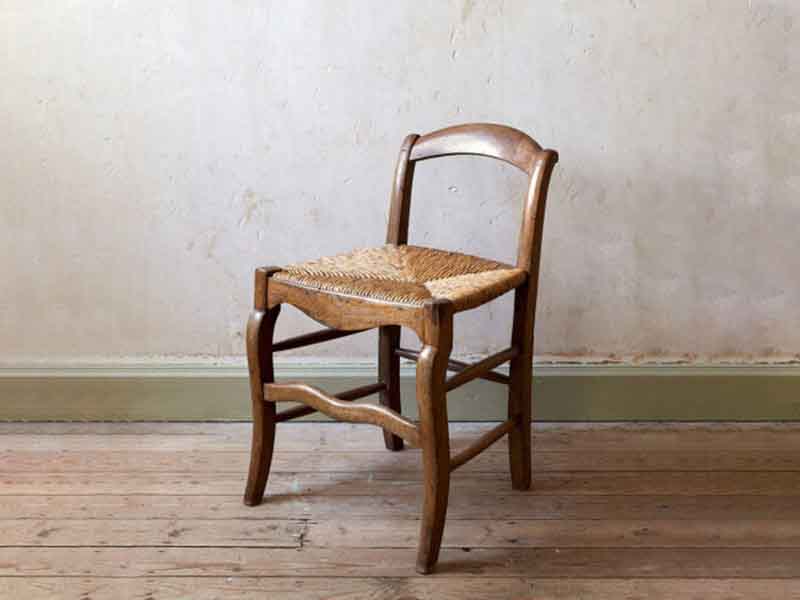
Some furniture whispers. A country chair with an original rush seat practically clears its throat and says, “I’ve been here longer than your open-concept floor plan, and I intend to outlast it too.” That is part of the charm. These chairs are humble, hardworking, and deeply beautiful without trying too hard. They were never built to be flashy. They were built to be useful. And somehow, that usefulness became style.
Today, the phrase country chair with original rush seat catches the attention of collectors, decorators, antique hunters, and anyone who prefers furniture with a little soul over furniture that looks like it arrived in three flat boxes and a mild existential crisis. A well-made rush-seat chair brings texture, age, craftsmanship, and warmth into a room in a way that plastic, chrome, and synthetic upholstery simply cannot fake.
But not every old wooden chair deserves a standing ovation. The real magic is in understanding what makes an original rush seat special, how to spot one, how to care for it, and why this kind of chair still matters in modern homes. Whether you found one at a flea market, inherited a pair from a relative, or are shopping for a piece that feels genuinely lived-in, here is what you need to know.
What Is a Country Chair With Original Rush Seat?
A country chair is usually a simple wooden chair made for everyday household use rather than formal show. Think ladder-back chairs, slat-back chairs, painted farmhouse chairs, and sturdy regional variations that were common in early American homes. These chairs were often made from practical woods such as maple, ash, oak, or pine, and they were valued for durability, not drama.
The rush seat is the woven seat itself. Traditionally, it was made from natural plant fibers, often rush or materials described as rush, flag, seagrass, or similar woven strands depending on the period, region, and later repair history. An original rush seat means the woven seat is believed to be the one first installed when the chair was made, rather than a later replacement.
That matters because the seat is not just a functional detail. It is part of the chair’s biography. The weave pattern, wear, color, sag, repairs, and even slight irregularities can tell you how the chair was used, where it lived, and whether it has survived with much of its first character intact.
Why Original Rush Seats Matter So Much
They Preserve Authentic Craftsmanship
A chair with its original rush seat keeps one of the most handmade parts of the piece intact. Rush seating was labor-intensive and skill-based. It was not decorative fluff tossed on at the end. It was a structural, visible, touchable part of the chair’s design. When that original weaving survives, you are seeing the work of the original maker or early craftspeople, not just the wooden frame.
That is a big deal because many antique chairs have been reseated over time. In fact, seats were often the first element to wear out. Families used them daily, children climbed on them, dogs claimed them, and generations before us were not especially concerned with preserving antiques for Instagram. They were concerned with sitting down after supper. So when an original seat survives, it is rare and meaningful.
They Add Character You Cannot Manufacture
A truly old rush seat does not look factory-fresh, and that is precisely the point. It may be darkened with age, slightly mellowed in shape, or gently softened at the front edge where people sat again and again. That patina is not damage in the dramatic sense. It is evidence of life.
New chairs can imitate rustic style, but imitation rustic usually looks like it tried too hard and then asked for compliments. An old country chair with an original rush seat feels natural. The materials have aged together. The wood and the weave speak the same visual language. Nothing is shouting. Everything is quietly convincing.
They Can Affect Collectibility and Value
In antique furniture, originality matters. Original finish, original hardware, original paint, and original seats can all make a difference in how a piece is judged. That does not mean every original rush seat automatically sends a chair into museum territory. Plenty of country chairs remain affordable. But originality can strengthen desirability, especially when the frame, surface, and seat feel consistent and honest.
Collectors often prefer an old chair with wear they can trust over a heavily restored example that has lost too much evidence of age. In plain English: a chair can be a little wrinkled and still be the prettiest one at the dance.
How to Identify an Original Rush Seat
This is where things get interesting. Also humbling. Also slightly dangerous if you suddenly believe you are an antiques detective after watching two videos and squinting at a chair in bad lighting.
Here are the main clues that can help you evaluate a country chair with an original rush seat:
1. Look for Natural Age Consistency
The seat and the frame should look like they have grown old together. If the wood is beautifully worn and the seat looks suspiciously fresh, golden, and tight as a drum, it may be a later replacement. A truly old seat usually shows some darkening, dryness, minor unevenness, and wear consistent with the chair’s age.
2. Check the Material
Original seats are often made from natural fiber rather than modern paper rush. Paper rush can still be attractive and historically appropriate on later reseated chairs, but it is not the same as an original handwoven natural seat. If the material looks overly smooth, too uniform, or oddly synthetic, that is worth questioning.
3. Study the Weave
Handwoven seats often show small irregularities. That is not poor workmanship. That is the signature of human hands. Perfectly identical tension and ultra-even texture can suggest a later machine-made or modern replacement material.
4. Look Under the Chair
The underside can reveal a lot. Old repairs, traditional finishing knots, age-darkened strands, and wear at contact points may support the case for age. If the underside looks cleaner than the top, something is probably off. Chairs are many things, but magically self-renewing is not one of them.
5. Watch for Honest Damage Versus Alarm-Bell Damage
Minor fraying, slight looseness, and gentle settling can be normal in an old seat. Large breaks, powdery brittleness, or major collapse suggest the chair may need conservation or replacement. Original is wonderful, but only if the chair is stable enough to survive its next chapter.
Best Places to Use a Country Chair With Original Rush Seat
One of the reasons these chairs remain so popular is that they are wildly versatile. They work in interiors that lean farmhouse, traditional, cottage, primitive, Americana, English country, eclectic, or even minimal if the room needs texture and age.
In a dining room, a rush-seat country chair softens the look of a heavy wood table and makes the whole room feel less formal. In an entryway, one chair becomes a sculptural accent with actual usefulness. In a bedroom, it makes a perfect corner piece for draped blankets, books, or the outfit you swear you are putting away later. In a kitchen, it feels right at home because that is where many of these chairs earned their keep in the first place.
The secret is contrast. Pair the chair with linen, old brass, painted walls, iron hardware, pottery, or a table with visible grain. The more a room values texture over perfection, the better this chair looks.
Buying Guide: What to Check Before You Bring One Home
If you are shopping for a country chair with original rush seat, start with structure. A gorgeous chair that wobbles like a shopping cart with one rebellious wheel is not a bargain. Check the joints, legs, and stretchers. Sit carefully if permitted. See whether the frame feels tight.
Next, inspect the seat. Ask whether it is original, old but replaced, or newly woven. Sellers may not always know. Some will know and say so. Some will sound very confident while saying absolutely nothing useful. You want as much honesty as possible.
Then consider your purpose. If you want a chair for light display and occasional use, a fragile original seat may be acceptable. If you want daily dining seating, a chair with an old replacement or professionally rewoven seat may be the smarter buy. Originality is wonderful, but so is not crashing through your dinner chair halfway through mashed potatoes.
How to Care for an Original Rush Seat
Original rush seats reward gentle treatment. They do not want drama. They do not want direct sun for hours. They definitely do not want to be scrubbed with aggressive cleaner like a dirty grill grate.
Keep the chair in a stable indoor environment with moderate humidity. Extreme dryness can make old fibers brittle, while dampness can encourage mold or distortion. Dust gently with a soft brush or vacuum using low suction and a brush attachment. Avoid soaking the seat or using harsh cleaning products.
If the seat is fragile, use the chair decoratively or only occasionally. For active use, consider consulting a professional conservator or chair-seat weaver before the damage gets worse. There is a big difference between preserving a seat and waiting until it gives up in public.
Are These Chairs Valuable?
They can be, but value depends on age, region, form, condition, surface, maker attribution, and originality. A plain country chair from the 18th or 19th century may sell for a modest sum at auction, while a rare or well-documented chair can command much more. Original seats, old surfaces, and strong regional forms usually help. Provenance helps too.
That said, the beauty of this category is that it still offers room for smart buying. You do not need a blue-chip budget to own a genuinely charming old rush-seat chair. Sometimes the best examples are the ones with excellent bones, believable age, and just enough wear to feel alive.
Why People Still Love the Country Chair With Original Rush Seat
Because it feels real. That is the whole secret.
In a world full of quick manufacturing, disposable trends, and “distressed” finishes that were apparently distressed by a machine with trust issues, a real old chair offers something different. It offers patience. Utility. Material honesty. Quiet design. It reminds us that beauty does not require ornament overload. Sometimes a few good slats, solid joinery, and a woven natural seat are more than enough.
A country chair with original rush seat also makes a room more generous. It introduces warmth without clutter, history without stiffness, and texture without visual noise. It is not trying to steal the whole room. It is just making everything around it look smarter.
Experiences With a Country Chair With Original Rush Seat
Living with one of these chairs is different from simply owning one. At first, you notice the look. The woven seat catches the light in a way fabric never does. The wood feels settled and calm. Even when the chair is sitting empty in a corner, it seems to add weight to the room, not physical heaviness, but emotional presence. It feels like a piece that has already passed the audition.
Then you notice the texture. A rush seat does not behave like upholstery. It has give, but not too much. It is firm in a satisfying way, almost like it is reminding you that chairs once had jobs and did not exist only to match an area rug. In cooler months, it feels crisp and dry. In warmer months, it still feels breathable. That practical comfort is part of why these chairs stayed popular for so long.
There is also something oddly grounding about using a chair that clearly predates your email inbox. You stop treating furniture as background and start noticing craftsmanship. The angle of the back matters. The seat height matters. The wear along the front rail matters. You become a little more attentive, which is not a bad side effect in a house full of fast-moving distractions.
People tend to respond to these chairs, too. Guests ask about them. Family members suddenly remember “a chair just like that” in a grandmother’s kitchen or an old farmhouse they visited as children. A rush-seat country chair has a memory trigger built into it. It feels familiar even when it is new to your home.
That said, living with an original rush seat teaches respect. You do not flop into it. You do not drag it carelessly across the floor. You do not stack laundry on it for three weeks and pretend that is a design choice. You become a little gentler with it, and in return it gives the room a kind of steadiness that newer furniture often lacks.
There is also the quiet pleasure of imperfection. Maybe one corner dips slightly. Maybe the rush has darkened unevenly. Maybe the paint on the frame is rubbed soft where generations of hands once gripped the top rail. None of that feels like a flaw when the chair is right. It feels like accumulated evidence that the chair has been useful, appreciated, and worthy of keeping.
And that may be the best experience of all. A country chair with original rush seat makes you feel like a caretaker rather than just a consumer. You are not merely buying decor. You are extending the life of an object that has already done its job beautifully for a very long time. That changes the relationship. The chair is no longer just something to fill an empty spot by the wall. It becomes part of the story of the house.
So yes, people love these chairs because they are pretty. They love them because they add texture, age, and country charm. But they also love them because they make a room feel inhabited in the best possible way. They offer a sense of continuity. They remind us that well-made things can survive fashion, survive trends, and sometimes survive entire generations, all while still giving us a perfectly good place to sit and drink coffee.
That is not just furniture. That is legacy with legs.
Conclusion
A country chair with original rush seat is more than a rustic accent. It is a lesson in restraint, craftsmanship, and honest aging. Whether you collect antiques, decorate with vintage pieces, or simply want one chair in your house that feels like it means something, this kind of seat earns its place. It brings texture without fuss, history without stiffness, and beauty without performance.
If you find one with a strong frame, believable age, and a surviving original seat, pay attention. That is the kind of piece that can anchor a room for years to come. It may not be flashy. It may not be trendy. But it has the one quality trendier furniture is always chasing and rarely catching: authenticity.