

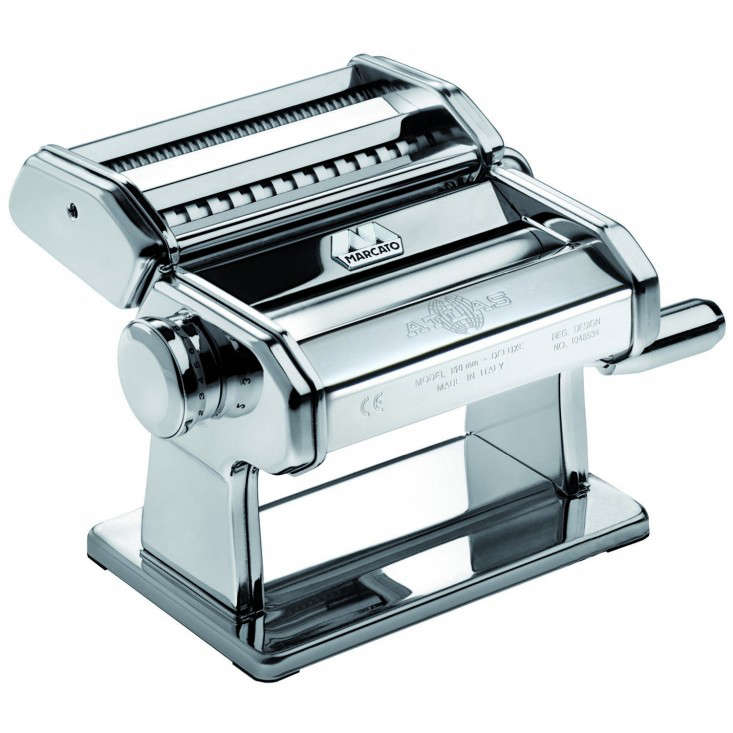
There are kitchen tools, and then there are kitchen tools that make you feel like you suddenly inherited an Italian nonna, a flour-dusted wooden table, and the confidence to say “just a little more semolina” with authority. The Marcato Atlas Wellness 150 Pasta Maker belongs firmly in the second group.
This manual pasta machine has become one of the most recognizable names in homemade pasta for good reason. It is sturdy, elegant, satisfying to use, and refreshingly simple. No app. No touchscreen. No mysterious “smart” feature that requires a firmware update before dinner. Just a hand crank, rollers, cutters, and the beautiful little miracle of turning flour and eggs into fresh pasta sheets, fettuccine, tagliolini, and more.
For home cooks who want to make fresh pasta without transforming the kitchen into a culinary construction zone, the Marcato Atlas Wellness 150 Pasta Maker offers a reliable balance of old-world craftsmanship and practical modern design. It is especially appealing for people who care about control: dough thickness, texture, shape, and that deeply satisfying moment when a smooth sheet of pasta glides through the rollers like a golden ribbon.
What Is the Marcato Atlas Wellness 150 Pasta Maker?
The Marcato Atlas Wellness 150 is a manual pasta machine designed for rolling and cutting fresh pasta dough. The “150” refers to the approximate roller width: 150 millimeters, or about six inches. That size is ideal for home kitchens because it gives enough width for lasagna sheets, ravioli sheets, and long noodles without making the machine bulky or awkward to store.
Marcato is an Italian manufacturer with a long history in pasta-making tools, and the Atlas line is its most famous family of machines. The Wellness version is known for its durable metal body and food-safe rollers and cutters, commonly described in product listings as anodized aluminum components designed for clean contact with dough. In practical terms, that means the machine feels less like a gadget and more like a piece of kitchen equipment built to stay on your counter for years.
The standard setup usually includes the main roller body, a removable cutting attachment, a hand crank, and a countertop clamp. With the basic machine, you can roll pasta sheets and cut classic long shapes such as fettuccine and tagliolini. Additional Marcato accessories can expand the range of pasta shapes, which is wonderful news for anyone who starts with “I’ll just make fettuccine once” and ends up researching ravioli stamps at midnight.
Design and Build Quality: Small Machine, Big Personality
The first thing most people notice about the Marcato Atlas Wellness 150 Pasta Maker is that it does not feel flimsy. It has the reassuring weight of a serious kitchen tool. The body is typically made with chrome-plated steel or similar polished metal construction, giving it that classic mirror-like look associated with traditional pasta machines.
The rollers turn smoothly when the dough is properly prepared, and the hand crank gives the user direct control. This is one of the reasons many cooks still prefer a manual pasta maker over an electric one. You can feel the dough changing as it passes through each thickness setting. Too sticky? Dust it lightly. Too dry? You will know because the sheet begins to crack. The machine gives feedback without saying a word, which is more than can be said for many modern appliances.
Why the 150 mm Width Matters
A 150 mm roller width is the sweet spot for many home cooks. It is wide enough for lasagna sheets, filled pasta, and long noodles, but compact enough to fit in a cabinet. Larger machines can be useful for bigger batches, but they also demand more counter space and storage patience. The Atlas 150 size keeps the process approachable.
For a beginner, that matters. Homemade pasta already involves flour, eggs, kneading, resting, rolling, cutting, drying, and trying not to look emotionally defeated when the first sheet tears. A manageable machine helps keep the process fun rather than theatrical.
Key Features of the Marcato Atlas Wellness 150 Pasta Maker
Adjustable Pasta Thickness
The Atlas 150 family is known for adjustable thickness settings, allowing cooks to roll dough from thicker starter sheets down to thin, delicate pasta. Current Marcato Atlas models are commonly described with 10 thickness positions, while some Wellness listings describe a 9-position dial. Either way, the purpose is the same: start thick, pass the dough through several times, and gradually reduce the thickness until the sheet fits the pasta you want to make.
For fettuccine, you may prefer a medium-thin sheet with enough bite. For ravioli, thinner sheets often work better so the filling stays balanced. For lasagna, you can stop earlier if you like a heartier layer. The adjustable dial is what turns one dough recipe into many different pasta possibilities.
Built-In Pasta Sheeting and Cutting
The machine rolls dough sheets and, with the cutter attachment, cuts long pasta shapes. Fettuccine is the crowd-pleaser: wide enough to feel luxurious, narrow enough to cook quickly, and sturdy enough to hold butter, cream sauces, tomato sauces, mushrooms, seafood, or a reckless amount of Parmesan.
Tagliolini is thinner and more delicate, excellent with lighter sauces. Lasagna sheets can be used as-is, cut into ravioli squares, shaped into handkerchief pasta, or sliced manually into pappardelle. In other words, even before buying extra accessories, the Marcato Atlas Wellness 150 Pasta Maker gives you plenty of room to play.
Manual Hand Crank Control
The hand crank is part of the charm. It slows the process down in the best possible way. You feed the dough, turn the handle, catch the sheet, fold it, and repeat. The rhythm becomes meditative, especially once the dough smooths out. It is the kitchen equivalent of watching a printer work, except the paper is edible and dinner gets applause.
Manual control is also useful for beginners because it helps prevent panic. If the dough starts feeding unevenly, you can stop immediately. If a sheet stretches too much, you can support it with your other hand. Electric machines are faster, but the manual Atlas gives you more tactile control.
Performance: How Well Does It Make Pasta?
The Marcato Atlas Wellness 150 Pasta Maker performs best when the dough is properly mixed, rested, and lightly floured. That last detail is important. A pasta machine is not a magic portal that turns sticky dough into silk. It is more like a dance partner: excellent when you meet it halfway, slightly judgmental when you do not.
With a well-rested egg pasta dough, the rollers produce smooth sheets that become more elastic and even with each pass. Folding and rerolling the dough several times at the widest setting helps develop structure and creates a cleaner final sheet. Once the sheet is smooth, the gradual thickness adjustments let you reach the texture you want without tearing.
The cutter works best with dough that is not too wet. If the dough is sticky, strands may cling together instead of separating cleanly. This is not really a flaw in the machine; it is pasta reminding you that hydration matters. Dusting the sheets lightly and letting them air-dry for a few minutes before cutting usually improves results.
Who Should Buy the Marcato Atlas Wellness 150 Pasta Maker?
This pasta maker is ideal for home cooks who want a dependable manual machine rather than a fully automatic pasta extruder. It is especially good for people who enjoy the hands-on process of cooking: kneading dough, adjusting texture, and learning through repetition.
Best For
The Marcato Atlas Wellness 150 Pasta Maker is best for fresh pasta lovers, Italian cooking enthusiasts, serious beginners, weekend cooks, and anyone who wants better lasagna sheets than the boxed kind. It is also a great gift for people who already own too many kitchen tools but still light up when they see polished metal and the phrase “Made in Italy.”
Not Ideal For
It may not be the best choice for someone who wants completely hands-free pasta. If your dream is to pour flour into a machine, press a button, and receive noodles while doing something else, an electric extruder may be a better fit. The Atlas is about participation. It wants you involved. It wants flour on your sleeve.
Marcato Atlas Wellness 150 vs. Cheaper Pasta Makers
Cheaper manual pasta makers can look very similar at first glance. Many have shiny bodies, clamps, cranks, and cutters. The difference usually appears after a few batches. Budget machines may wobble, jam, cut unevenly, or feel rough when rolling thinner sheets. Some work acceptably for occasional use, but they often lack the smoothness and durability associated with the Atlas line.
The Marcato Atlas Wellness 150 Pasta Maker stands out because it feels precise. The thickness dial locks into place, the rollers are smooth, and the removable cutter attachment is easy to position. For a cook who plans to make pasta more than once or twice, that reliability matters. A pasta machine should reduce friction, not become the villain in your Sunday dinner story.
How to Use the Marcato Atlas Wellness 150 Pasta Maker
Step 1: Make a Firm Pasta Dough
A classic starting ratio is about one large egg for every 100 grams of flour, though exact hydration depends on egg size, flour type, and humidity. Knead until the dough is smooth and firm, then wrap it and let it rest for at least 20 to 30 minutes. Resting relaxes the gluten and makes rolling easier.
Step 2: Clamp the Machine Securely
Attach the machine to a stable counter or table using the included clamp. Stability is important. If the machine wiggles, the dough feeds unevenly and your confidence drops faster than overcooked spaghetti.
Step 3: Start at the Widest Setting
Flatten a portion of dough with your hands, dust lightly with flour, and feed it through the rollers at the widest setting. Fold the sheet into thirds and roll again several times. This creates a smooth, rectangular sheet and helps improve texture.
Step 4: Reduce Thickness Gradually
Move down one setting at a time. Do not jump from thick to very thin in one dramatic move. Pasta dough enjoys patience. Roll gradually until the sheet reaches the thickness needed for your pasta shape.
Step 5: Cut or Shape the Pasta
For fettuccine or tagliolini, attach the cutter, move the crank to the cutter slot, and feed the sheet through. Catch the noodles gently as they come out, then dust with flour or semolina to prevent sticking.
Cleaning and Maintenance
The Marcato Atlas Wellness 150 Pasta Maker should not be washed under running water or placed in the dishwasher. Water can damage internal parts and shorten the life of the machine. Instead, let stuck bits of dough dry, then brush them away with a dry pastry brush or cleaning brush. Wipe the exterior with a cloth.
This dry-cleaning routine may seem odd the first time, especially if your normal instinct is to attack kitchen mess with soap and enthusiasm. Resist. Pasta machines prefer a gentler approach. Think of it as grooming a tiny chrome horse.
Pros and Cons
Pros
The biggest advantages are durability, smooth rolling, classic design, strong manual control, and versatility. The machine is compact enough for home kitchens but capable enough for serious pasta projects. It also offers a more rewarding cooking experience than many plug-in appliances because the user remains connected to every step.
Cons
The main drawbacks are the learning curve, manual effort, and cleaning limitations. Sticky dough can cause cutting problems, and the machine needs a suitable counter edge for clamping. It also does not make short extruded shapes like rigatoni or bucatini unless you use separate equipment.
Best Pasta Types to Make With the Marcato Atlas Wellness 150
The machine excels at long rolled pasta and filled pasta sheets. Fettuccine, tagliolini, lasagna, ravioli sheets, tortellini wrappers, maltagliati, pappardelle, and hand-cut noodles are all good candidates. You can also use the roller for laminated dough projects, crackers, dumpling wrappers, or other thin dough sheets, although pasta remains its natural habitat.
For sauces, pair fettuccine with Alfredo, mushroom cream sauce, Bolognese, or garlic butter. Tagliolini works beautifully with lemon, herbs, seafood, or simple olive oil. Lasagna sheets, of course, are ready for ricotta, ragù, béchamel, vegetables, or whatever emotional support cheese you keep in the refrigerator.
Real-World Experience: Living With the Marcato Atlas Wellness 150 Pasta Maker
Using the Marcato Atlas Wellness 150 Pasta Maker for the first time feels a little like learning to drive a manual car. At first, there are too many things happening: dough in one hand, crank in the other, flour on the counter, and a pasta sheet that somehow wants to become a scarf. But after a few passes, the process clicks. The dough becomes smoother, the sheet stretches evenly, and suddenly you understand why people get sentimental about fresh pasta.
The best experience starts before the machine is even clamped down. A firm dough makes everything easier. If the dough feels tacky, the rollers will not forgive you. Letting the dough rest properly is the difference between a calm pasta session and a countertop wrestling match. Once rested, small portions are easier to manage than large chunks. This is not the time to prove your strength. Divide the dough, work patiently, and keep unused pieces covered.
One of the joys of the Atlas is how quickly it teaches you. The first sheet may look uneven, but folding and rerolling at the widest setting transforms it. You can actually watch the dough become smoother. That moment is strangely satisfying, like ironing wrinkles out of a shirt you plan to eat later. As the sheet gets thinner, you learn to support it with the back of your hand so it does not stretch too much. A light dusting of flour helps, but too much flour can make the pasta dry, so the trick is balance.
Cutting pasta is the most dramatic part. Feed in a sheet and, seconds later, fresh noodles tumble out like edible ribbons. Children love this part. Adults also love this part but pretend to be mature about it. Fettuccine is the easiest early win because the strands are wide and forgiving. Tagliolini requires a slightly better dough texture because thinner strands reveal stickiness faster. If the cutter does not separate the noodles cleanly, let the sheet rest for a minute or two before trying again.
Cleanup is where new users sometimes make mistakes. The urge to rinse the machine is strong, especially after working with egg dough. Do not do it. Let any dough bits dry, brush them away, and wipe the surface. The machine rewards this care by staying smooth and reliable. Over time, the cleaning routine becomes quick and painless.
The biggest practical benefit is not just better pasta. It is the way the machine changes dinner. A basic tomato sauce feels special when paired with fresh noodles. A simple butter-and-sage sauce suddenly tastes restaurant-worthy. Lasagna becomes lighter, silkier, and more personal. The Marcato Atlas Wellness 150 Pasta Maker turns pasta from a pantry item into an activity, and that activity is fun enough to become a weekend ritual.
For anyone who enjoys cooking as a craft, this machine delivers more than noodles. It delivers rhythm, skill, and a little kitchen theater. There will be flour. There may be one ugly first sheet. There may be a noodle pile that looks like modern art. But by the second or third batch, the process feels natural. And when someone at the table asks, “You made this?” you get to nod casually, as if you have not been waiting all evening for that exact question.
Final Verdict
The Marcato Atlas Wellness 150 Pasta Maker is a strong choice for anyone who wants to make fresh pasta at home with control, consistency, and a bit of Italian charm. It is not the cheapest manual pasta maker, and it is not fully automatic, but that is exactly the point. It gives you a hands-on experience that makes homemade pasta feel achievable, repeatable, and genuinely enjoyable.
If you want a durable pasta machine for fettuccine, tagliolini, lasagna sheets, ravioli, and weekend cooking projects, the Atlas Wellness 150 deserves serious consideration. It turns basic ingredients into something memorable, and it does so without requiring electricity, software, or a culinary degree. Just flour, eggs, patience, and maybe a little extra Parmesan for morale.