

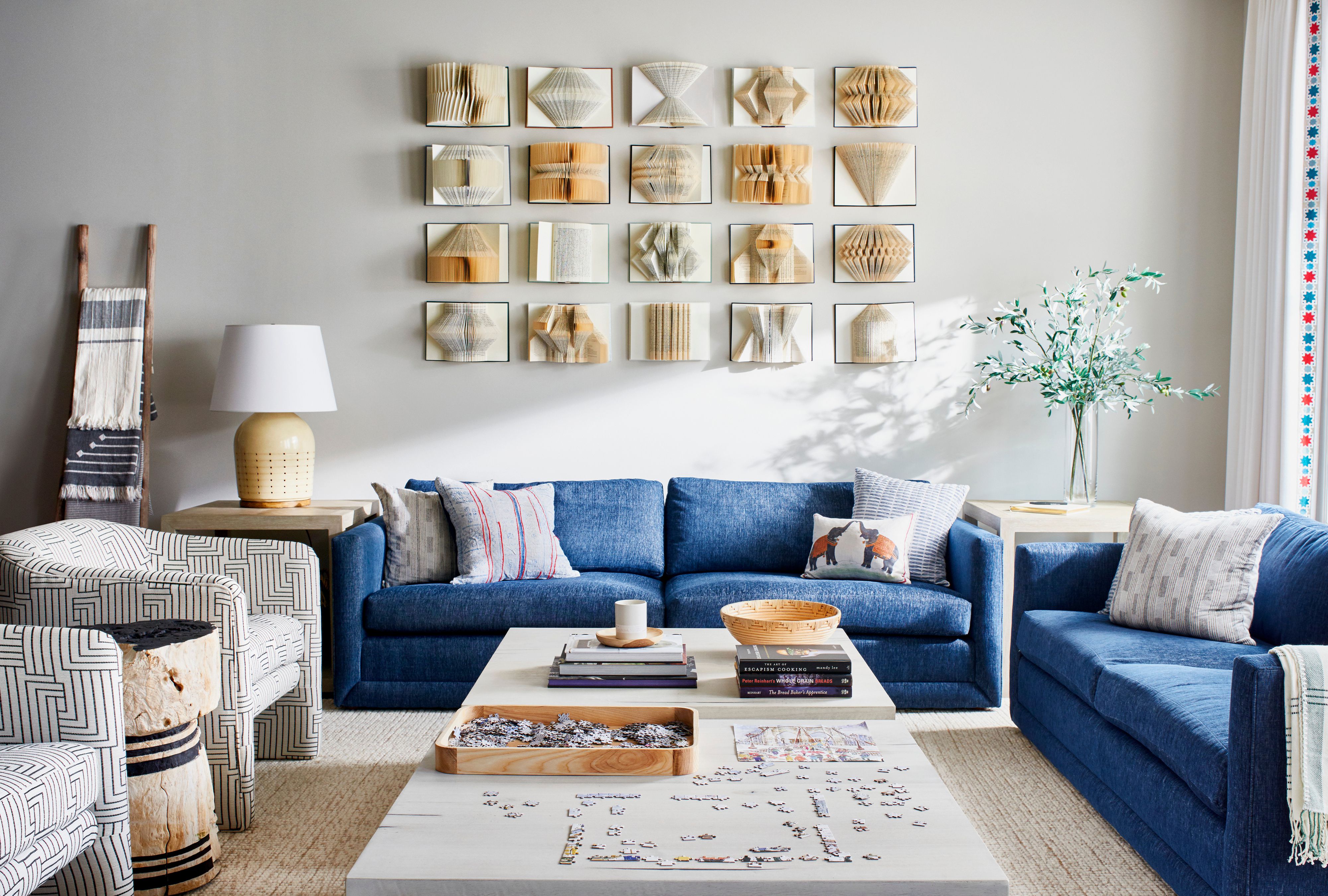
If your home currently looks like “a chair lives here” and “this lamp was a mistake,” you’re not alone. The good news:
you don’t need an HGTV budget (or an HGTV backstory) to get real decorating help. Plenty of retailers and home brands offer
free interior design consultationsthe kind you can book before you commit to a cart full of expensive regret.
Here’s the deal: “free” doesn’t mean “no strings,” it means “no invoice.” Most complimentary design services are provided by
brands that sell furniture, decor, cabinetry, flooring, or storage systems. They help you plan a room, then (surprise!)
recommend products they carry. If you go in with the right expectationsand a tape measureyou can get mood boards, layouts,
and professional guidance without paying a designer’s hourly rate.
What “Free Design Consultation” Really Means (and Why It’s Still Worth It)
Think of these sessions as a hybrid of coaching + shopping strategy. A design pro or specialist helps you solve problems like:
“Why does my living room feel like an airport waiting area?” or “How can this tiny bedroom fit a bed, a desk, and my sanity?”
You’ll typically walk away with some combination of:
- Space planning (where things should go, and what size they should be)
- Style direction (colors, materials, silhouettes, vibeaka “Is this cozy or just… brown?”)
- Product recommendations (items that match your goals and budget)
- Visuals like mood boards, room plans, or sometimes 3D renderings
- Cost estimates so you can decide whether you’re doing “refresh” or “financial event”
The trade-off: recommendations usually lean toward that brand’s catalog. That’s not a bad thing if you’re already shopping
thereor if you want a professional plan you can adapt across retailers.
How to Prep So Your Free Consultation Feels Like a Cheat Code
1) Measure first, daydream second
Bring room dimensions (length, width, ceiling height) and note oddities like radiators, vents, windows, and door swings.
If you can, measure the items you’re keeping. Nothing kills a great plan like discovering your “perfect” sofa blocks the only doorway.
2) Take photos like you’re listing the room on Zillow
Wide shots from corners, straight-on wall photos, and close-ups of finishes help a designer understand the space quickly.
Bonus points: film a 10–20 second walkthrough so they can see flow and lighting changes.
3) Bring inspirationbut label what you actually like
A Pinterest board is helpful, but even better is a short note: “I like the light wood + clean lines,” or “I want moody and cozy,
not ‘goth bathroom’.” The goal is to translate vibes into choices.
4) Decide your non-negotiables
Examples: “Must be kid-friendly,” “Needs closed storage,” “We host dinners,” “I hate overhead lighting,” or “This chair stays because it’s my dog’s throne.”
The clearer you are, the faster you get useful recommendations.
15 Free Interior Design Consultations to Try Before You Buy
Below are well-known options that offer complimentary design help in the U.S. (in-store, virtual, phone, and sometimes in-home).
Availability can vary by location, so treat these like a menu: pick what matches your project.
1) Pottery Barn: Free Design Services
If your style goal is “timeless, warm, and looks expensive even if it isn’t,” Pottery Barn’s free service is built for you.
Sessions can help with furniture layouts, styling, and pulling together a cohesive room. A big perk is receiving follow-ups
like mood boards and room plans that make your ideas feel real (and shoppable).
2) West Elm: Design Crew
West Elm is a strong choice if you want modern shapes, mixed textures, and a little “I definitely have my life together” energy.
Their design crew can support everything from quick styling questions to full-room plansoften with swatches, mood boards,
and cost estimates so you can iterate without panic-buying.
3) Crate & Barrel: The Design Desk (Always Free)
Crate & Barrel’s free interior design services are a go-to for practical, polished rooms. You can work with designers
virtually or in-store, and they’re positioned to help with almost any roomliving, dining, bedroom, outdoor, and more.
This is a great option if you want a classic, elevated look without turning your home into a museum you’re scared to sit in.
4) Room & Board: Free Design Services (Any Project, Any Budget)
Room & Board tends to appeal to people who want modern, durable pieces and a clean plan. Their free service is offered
in-store, virtually, or by phone. It’s especially useful if you already own a few “forever” pieces and need help building
a room around them instead of starting from scratch.
5) Serena & Lily: Complimentary Decorating Advice
For breezy, coastal, “my home smells like citrus and good decisions” style, Serena & Lily offers complimentary design support.
This can be a smart move if you’re trying to nail a lighter palette, layered textures, or a relaxed but refined lookwithout accidentally
creating a themed beach restaurant.
6) Ethan Allen: Complimentary Interior Design Service
Ethan Allen’s free service leans more full-service: designers can meet in store, at home, or online, and may provide tools like
3D room planning and samples. This is a strong pick when you’re furnishing a whole room (or multiple rooms) and want a consistent
threadespecially in classic or transitional styles.
7) IKEA: Free Planning & Consultation (Kitchens, Wardrobes, Storage)
IKEA’s planning appointments are famously practical. If you’re designing a kitchen, wardrobe, or storage wall, free sessions can help you
optimize layout, choose components, and generate a plan with product lists and price estimates. This is ideal for people who love
function, want a system approach, and don’t mind a little assembly as a personality trait.
8) The Container Store (Elfa): Free Design Help for Custom Organization
If your problem isn’t style but “where does everything go,” start here. Elfa designers can create customized organization plans
for closets, pantries, laundry rooms, and more. A free planning session is perfect for turning chaotic storage into something that
looks intentional (even if your junk drawer remains a lawless land).
9) Article: Free Interior Design Services
Article’s free design help is useful if you want modern, approachable pieces and a plan that feels curated but not fussy.
It’s particularly handy for layout supportlike picking the right sofa size, figuring out rug scale, or building a cohesive
living room when you’re tired of guessing.
10) Lulu and Georgia: Complimentary Virtual Design Appointments
Lulu and Georgia is a great fit if you want personalitypattern, color, and “this room has a point of view.”
Their complimentary design service can help translate your inspiration into a cohesive direction, including suggestions that balance
statement pieces with calmer anchors so the space feels styled, not chaotic.
11) Maiden Home: Interior Design Consultations
Maiden Home is a strong option when you’re investing in made-to-order furniture and want guidance on silhouettes, fabrics, and
how a piece will play with your layout. Their consultation approach can be especially helpful for scaling decisions: sofa depth, chair
proportions, and how many pieces a room can handle before it feels crowded.
12) The Home Depot: Kitchen Design Services (Free Initial Consultation)
For bigger home upgrades, The Home Depot’s kitchen design services start with a free initial consultation to discuss goals, budget,
and style preferences. This is best for people planning cabinetry, countertops, appliances, and finisheswhere a mistake isn’t just ugly,
it’s expensive.
13) Lowe’s: Free Kitchen Design Consultation
Like Home Depot, Lowe’s offers free kitchen design consultations (virtual or in-store, depending on availability). These sessions are helpful
for mapping out layouts, discussing materials and brands, and getting a plan that can guide your remodel decisions before you buy.
14) Floor & Decor: Free Design Consultation
Flooring and tile choices can make or break a spaceespecially when you’re mixing wood tones or picking grout colors that won’t haunt you later.
Floor & Decor offers free design consultations that can help with selection, coordination, and planning, which is handy for bathrooms,
kitchens, and high-impact reno projects.
15) Bonus category: “Specialist Consults” (Window treatments, closets, and more)
Many specialty brands offer complimentary consultations focused on one slice of the roomlike lighting plans, custom storage, or window coverings.
These can be surprisingly valuable because details (like how shades filter light or how closet zones function) often decide whether a room feels finished.
If a single “pain point” is driving you nuts, a specialist consult can deliver fast relief.
How to Choose the Right Free Consultation for Your Project
If you need a whole-room plan
Look for services that explicitly offer room plans, mood boards, and product lists. This is best when you’re furnishing from scratch,
moving into a new place, or doing a full refresh.
If you’re remodeling
Choose kitchen-and-installation-focused services. These sessions usually emphasize measurements, layout constraints, and coordination across
cabinets, countertops, appliances, and finisheswhere one wrong choice can domino into three more.
If you want help without pressure
Ask upfront what deliverables you’ll receive and whether you can take time to think. A good designer won’t rush you.
A too-pushy one is basically a human pop-up ad.
Questions to Ask During Your Consultation (So You Leave With Clarity)
- What size furniture works best here? (Get recommended dimensions, not just “a sofa.”)
- What should be the focal point? (Helps stop the “everything is competing” problem.)
- What are 2–3 layout options? (One plan is nice; choices are better.)
- What’s the smartest place to splurge? (Sofa? Rug? Mattress? Lighting?)
- How do we handle lighting? (Ambient, task, and accent lighting are the holy trinity.)
- How do we make it cohesive? (Materials, finishes, repeated shapes, color story.)
How to Compare “Free” Plans Without Getting Stuck in Analysis Paralysis
If you book multiple free design consultations (smart!), compare the results like you’re judging a bake-off:
not by who has the fanciest frosting, but by what will actually work in your real life.
- Function: Does the layout solve your daily problems?
- Scale: Are the recommended sizes realistic for your space?
- Budget honesty: Do the estimates match what you said you can spend?
- Flexibility: Can you swap pieces without the whole plan collapsing?
- Timeline: Are lead times and delivery expectations clearly explained?
Common Pitfalls (and How to Avoid Them)
Buying before you have a plan
The fastest way to waste money is to buy “one cute thing” without knowing how it fits the bigger picture. Start with layout, then anchor pieces,
then finishing touches. Otherwise you’ll end up with five accent chairs and no place to put a drink.
Ignoring lighting and rug scale
Rugs that are too small and lighting that’s too harsh are the top two “Why does this feel off?” offenders. Use your consultation to nail these details.
Assuming the first idea is the final answer
Good design is iterative. Ask for alternatives. Ask for a “budget version” and a “splurge version.” Let the plan evolve until it fits your life.
Conclusion: Free Help, Smarter Buys, Fewer Decorating Regrets
A free interior design consultation won’t magically turn your home into a magazine spread overnightbut it can absolutely keep you from buying the wrong sofa,
choosing the wrong tile, or realizing too late that your dining table has nowhere to live. Used well, these complimentary services are a practical way to test-drive
professional guidance, compare ideas, and shop with confidence. Measure your space, show up with clear goals, and let the experts help you make choices you’ll still
love when the delivery truck leaves.
Real-World Experiences (500+ Words): What These Free Consultations Feel Like
To make this more real than “choose a color palette and be happy,” here are common experiences people have when they try free design helpespecially if they book more
than one session and treat it like research, not a one-shot miracle.
Experience #1: The “My Living Room Has No Job” Revelation
A lot of people start with a living room that’s technically furnishedbut emotionally confusing. The sofa points at nothing. The rug is a postage stamp.
The TV is angled like it’s trying to escape. During a free consultation, the designer often begins by assigning the room a job: lounging, entertaining, work-from-home overflow,
or “kid chaos containment.” Once the job is clear, the layout gets dramatically easier. Suddenly you’re not shopping for a random coffee table; you’re shopping for a surface that
fits the traffic flow, holds snacks, and doesn’t bruise shins every time you walk past it. The biggest “aha” isn’t styleit’s function. And once the function is solved,
style choices feel calmer and more obvious.
Experience #2: The “I Thought I Liked Beige” Plot Twist
Free design sessions frequently expose a funny truth: many people don’t actually love what they’ve been buyingthey’ve just been playing it safe. A designer might ask,
“What do you want this room to feel like?” and you’ll say “cozy,” but your inspiration photos are bright, airy, and colorful. That mismatch is gold. A good consultation helps you
translate your real preferences into concrete choices: warmer whites instead of gray-leaning neutrals, textured fabrics that read cozy without going dark, or a single bold element
(like art or a rug) that brings personality without turning the room into a circus.
Experience #3: The “Kitchen Planning Is Basically Chess” Moment
Kitchen consults are where people often feel the most reliefbecause kitchens have rules. Clearances matter. Storage zones matter. Appliance placement matters.
When a specialist uses planning tools and asks for measurements, it can feel intense, but it’s also reassuring: the plan is grounded in reality, not vibes.
People often describe leaving with a sense of control: a draft layout, a product list, and a clearer understanding of what’s driving the budget (cabinets, countertops, labor,
or the “I didn’t realize faucets could cost that much” category). Even if you don’t buy immediately, the plan becomes a decision-making compass.
Experience #4: The “Storage Fix That Changes Everything” Win
Organization-focused consultations tend to deliver the fastest day-to-day improvement. People come in thinking they need “more space,” but the designer helps them find better
zones: where shoes live, where bags go, how to store bulky items, and how to keep frequently used things reachable. The experience usually includes a lot of practical questions:
“How do you actually use this closet?” and “What do you need to grab in the morning when you’re half-awake?” When the plan reflects your routine, it feels less like a showroom
and more like a system that supports your life. That’s when you realize interior design isn’t only about pretty objectsit’s also about removing friction from your day.
Experience #5: The “Multiple Consultations = One Great Plan” Strategy
People who get the best results often book two or three free sessions with different brands. Not to collect shopping lists like trading cards, but to compare approaches.
One designer might be brilliant with layout; another might have killer styling instincts; another might be the only person who tells you to stop buying tiny rugs.
When you combine the strongest ideas, you end up with a plan that feels customeven if you buy pieces from multiple places over time. The key is to stay consistent with
your measurements, your budget, and your “room job.” That way, you’re not bouncing between aestheticsyou’re refining toward a solution that fits.