

The Nintendo GameCube did not win its generation on raw sales, but it absolutely won a spot in players’ hearts. That purple lunchbox of a console launched in the early 2000s with a built-in handle, tiny optical discs, and a personality so strong it could have legally changed its name to “charm.” More importantly, the GameCube became home to some of the most memorable video game characters ever to strut, hover, kart, vacuum, roll, slash, and occasionally scream their way across a screen.
When people search for GameCube characters, they are usually looking for more than a list of names. They want the faces that defined the console, the heroes and weird little goblins who made the system unforgettable, and the characters who still show up in nostalgic conversations, rankings, memes, speedruns, and “Why don’t they make games like this anymore?” debates. The answer is simple: GameCube characters mattered because they did not just sell games. They gave the system an identity.
From Mario and Luigi to Link, Samus, Captain Olimar, and the endlessly chaotic Super Smash Bros. Melee roster, the GameCube era felt like Nintendo taking its biggest stars and letting them get a little stranger, sharper, and more expressive. It was playful. It was bold. It was sometimes gloriously weird. And yes, it gave us one of Luigi’s greatest career moments, which is a sentence Luigi probably has framed on a wall somewhere.
Why GameCube Characters Still Matter
The best Nintendo GameCube characters were not memorable just because they were famous already. They stood out because the GameCube era pushed them in fresh directions. Nintendo used the console to reintroduce classic characters with stronger animation, bolder art styles, and more distinctive personalities. At the same time, it introduced newer stars who felt immediately essential.
That mix is the secret sauce. The GameCube did not rely on one mascot. It built a character-driven lineup. Mario got a tropical cleanup adventure in Super Mario Sunshine. Luigi stepped out of his brother’s shadow in Luigi’s Mansion. Link became more expressive than ever in The Legend of Zelda: The Wind Waker. Samus proved she could dominate in first-person with Metroid Prime. Captain Olimar showed up with a tiny army of plant-creatures in Pikmin. And in Animal Crossing, even the town’s cranky or adorable villagers became stars in their own right.
In other words, GameCube characters felt alive. They were not just avatars. They were the reason people remembered entire games.
The Most Iconic GameCube Characters
Mario: The Face of the Console, Even Without Playing It Safe
You cannot talk about GameCube characters without starting with Mario. On the GameCube, Mario stayed recognizably Mario, but Nintendo gave him a fresh gimmick with FLUDD in Super Mario Sunshine. Instead of simply jumping through worlds and collecting stars, he was now cleaning up Isle Delfino, blasting water, hovering over gaps, and fighting pollution with the energy of a very determined public works employee.
What made GameCube-era Mario special was not just familiarity. It was flexibility. He could still anchor platformers, sports titles, party games, kart racers, and crossover brawlers. He remained Nintendo’s most dependable character, but the GameCube years showed how easily he could adapt without losing his identity.
Luigi: The Glow-Up Nobody Saw Coming
If Mario was the dependable headliner, Luigi was the surprise breakout star. Luigi’s Mansion gave Nintendo’s famously nervous brother a full personality showcase. He was timid, jumpy, and absolutely not thrilled about walking into a haunted mansion armed with a ghost vacuum. Naturally, players adored him.
This was one of the GameCube’s smartest character pivots. Luigi was no longer just Player Two in green. He became a hero because he was scared, not because he was fearless. That made him funnier, more relatable, and oddly more lovable. Plenty of characters save the day while looking cool. Luigi saved the day while visibly regretting every life choice that brought him there. That is range.
Link, Tetra, and Ganondorf: The Wind Waker Cast That Aged Like Fine Milk Turned Fine Wine
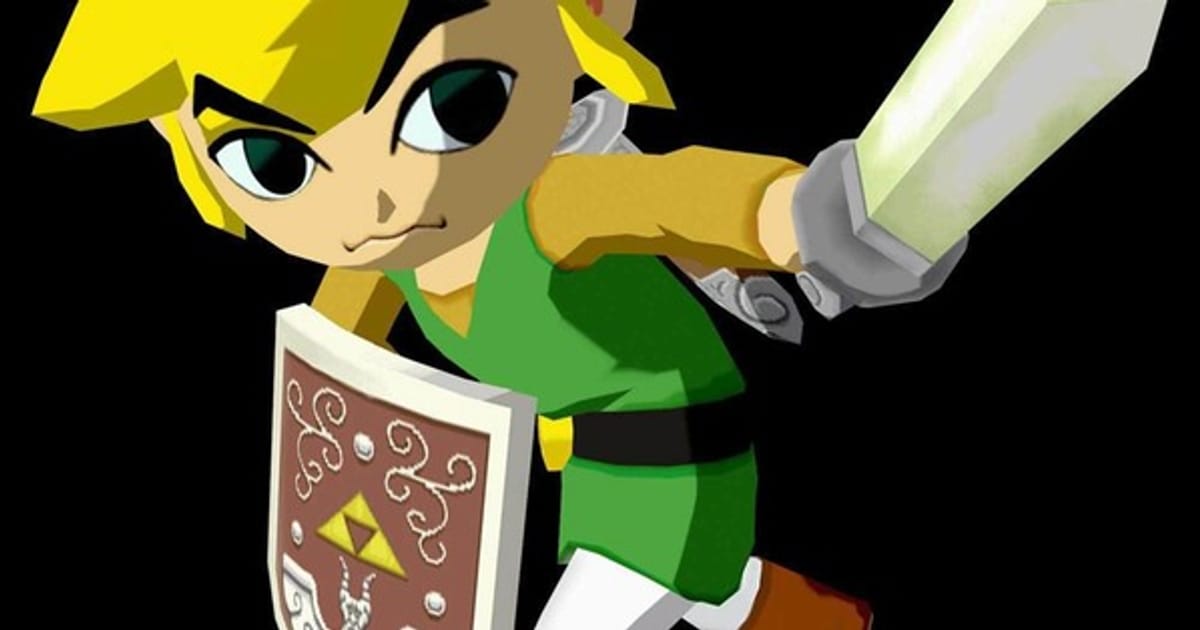
At first, The Wind Waker divided some fans with its cel-shaded art style. Years later, it is widely celebrated, and much of that comes down to its cast. Link on GameCube was expressive, animated, and full of emotion in a way that older hardware could not deliver as clearly. His facial reactions alone did half the storytelling.
Tetra added swagger and energy, while Ganondorf gained a more reflective, almost tragic edge compared with his more straightforward villain role in earlier entries. Together, they made the GameCube one of the richest eras for Zelda characters. It was not just about swords and dungeons. It was about personality, timing, and visual storytelling.
Samus Aran: Cool, Isolated, and Still Untouchable
Samus had always been iconic, but Metroid Prime on GameCube gave her a major reinvention. Moving the series into first-person could have diluted the character. Instead, it made her feel even more formidable. Through environmental storytelling, scanning, movement, and atmosphere, Samus remained unmistakably Samus: calm, capable, and always one blast away from making space pirates regret everything.
The GameCube did something remarkable here. It proved that a character does not need constant cutscenes or chatter to become unforgettable. Samus’ silence became part of her identity. She felt solitary, strong, and mysterious, and that made her one of the most important GameCube game characters of the era.
Captain Olimar and the Pikmin: Tiny Newcomers, Giant Legacy
Not every major GameCube character came with decades of history. Captain Olimar and the Pikmin were newer creations, and they immediately carved out space in Nintendo’s lineup. Olimar was not a swaggering hero. He was a small, stranded explorer trying to survive. The Pikmin were even stranger: little plantlike helpers in bright colors, each with different strengths and delightful chaos potential.
That oddball combination made Pikmin feel fresh. The characters were cute, but the gameplay had tension. The world felt large, strange, and slightly hazardous. Nintendo has always been excellent at making the bizarre feel approachable, and the GameCube gave that talent a perfect showcase in Olimar and his leaf-headed workforce.
The Animal Crossing Cast: Cozy Icons in a Quiet Revolution
When people remember GameCube characters, they often think first of action heroes. But the original Animal Crossing deserves a place in this conversation because it turned everyday social interaction into character magic. Tom Nook, K.K. Slider, Rover, Resetti, and the rotating villagers all helped create one of Nintendo’s warmest and weirdest worlds.
These were not characters designed around combat or spectacle. They were designed around routine, conversation, and attachment. You remembered which villager annoyed you, which one made you laugh, and which one you would defend like a personal friend. That emotional stickiness was powerful, and it helped the GameCube become home to a very different kind of character-driven experience.
Super Smash Bros. Melee and the Ultimate Character Showcase
If one game best represents the sheer star power of the GameCube, it is Super Smash Bros. Melee. This was the all-star photo day of Nintendo history, except everyone brought weapons, grudges, and extremely questionable stage etiquette.
Melee turned the GameCube into a celebration of Nintendo’s biggest franchises. Mario, Luigi, Peach, Bowser, Link, Zelda, Ganondorf, Samus, Fox, Falco, Donkey Kong, Pikachu, Jigglypuff, Kirby, Captain Falcon, Ice Climbers, Yoshi, and more all shared the same stage. For many players, this was the game that introduced them to characters outside their usual favorites.
That matters for SEO and for gaming history. When people search terms like GameCube Nintendo characters, best GameCube characters, or Smash Melee roster, they are often chasing the memory of this crossover energy. Melee made every character feel bigger. It was a popularity engine, a party game, a competitive obsession, and a crash course in Nintendo lore all at once.
Other Standout GameCube Characters Worth Remembering
The GameCube bench was deep. Really deep. This was not a console carried by one or two mascots.
Peach and Bowser
Both remained essential to Mario’s orbit, but the GameCube era let them show more variety through sports, party, kart, and RPG-style appearances. Peach continued evolving beyond the default damsel role, while Bowser remained one of gaming’s greatest chaos managers.
Fox McCloud and Falco
Star Fox Adventures and Star Fox Assault kept Fox visible on the system, while Melee helped both Fox and Falco become especially beloved among competitive players. Fast, flashy, and technically demanding, they left a huge cultural mark.
Captain Falcon
Captain Falcon is the king of “more famous for one game than his own series.” On GameCube, F-Zero GX reminded players that he was not just a punch machine in Smash. He was the face of a brutally fast futuristic racer with serious style.
Paper Mario and Friends
Paper Mario: The Thousand-Year Door gave players one of the most charming supporting casts on the console. Goombella, Koops, and the rest of the crew helped prove that Nintendo could build hilarious, character-rich RPG worlds without losing accessibility.
Villains, Sidekicks, and Cult Favorites
The GameCube era also embraced niche favorites. Characters from Fire Emblem: Path of Radiance, Chibi-Robo!, Kirby Air Ride, and even third-party titles like Resident Evil 4 helped make the console feel broader than a mascot machine. Nintendo stars led the charge, but the supporting cast gave the system texture.
What Made GameCube Characters Different From Other Eras?
The GameCube sat in a sweet spot between retro simplicity and modern cinematic ambition. Characters were expressive enough to feel vivid, but games were still designed with strong mechanical clarity. That meant personalities often came through in movement, animation, item design, music, and gameplay loops rather than endless exposition.
Luigi’s fear was visible in every flinch. Link’s emotion lived in his eyes and body language. Samus’ confidence came through her isolation and control. Olimar felt fragile because the world around him felt oversized. Animal Crossing villagers became memorable because they showed up in your daily routine like digital neighbors with opinions.
That is why so many classic GameCube characters still hold up. They were built around play, not just plot summaries. They felt good to control, easy to recognize, and fun to remember.
Why the Search for “GameCube Characters” Keeps Growing
Nostalgia is part of it, sure. But there is more going on. Players return to GameCube-era characters because that generation represents a unique blend of style and substance. Many franchises were experimenting without feeling bloated. Character design was bold, readable, and often weird in the best possible way.
There is also the crossover effect. Characters who thrived on GameCube continue to appear in modern Nintendo games, remasters, collections, and conversations about the best titles ever made. When people revisit the era, they are not just remembering a console. They are reconnecting with a cast of characters that helped define their taste in games.
And honestly, some of these characters simply have absurd staying power. Mario never left. Link never stopped being iconic. Samus keeps reminding everyone she is cooler than most protagonists combined. Luigi has turned fear into a personal brand. Tom Nook somehow remains both soothing and financially alarming.
Final Thoughts on GameCube Characters
The GameCube may have looked like a toy box with a handle, but its character lineup was serious business. This was the console where Nintendo’s biggest stars became more expressive, more experimental, and in many cases more lovable. It also introduced new faces that earned long-term places in Nintendo history.
If you are building a list of the best GameCube characters, you have to start with Mario, Luigi, Link, Samus, Captain Olimar, and the sprawling Melee cast. But the real story goes beyond ranking. The GameCube’s magic came from the way its characters shaped entire moods: spooky, sunny, adventurous, lonely, cozy, competitive, hilarious, and sometimes gloriously odd.
That is why people still search for GameCube characters today. They are not just looking up old names. They are chasing a feeling. And the GameCube, weird little cube that it was, delivered that feeling better than almost anybody.
Personal Experiences and Lasting Memories of GameCube Characters
One reason GameCube characters continue to resonate is that they were tied to very specific player experiences. People do not just remember Luigi because he appeared in a game. They remember him because they felt his panic while entering a dark hallway in Luigi’s Mansion. They remember Mario not just as a mascot, but as the guy sliding across a sun-soaked plaza in Super Mario Sunshine, trying to clean up goo while the player also tried to figure out where they had just launched themselves.
That is the beauty of the GameCube era. The characters often felt personal. Link in The Wind Waker was not just a hero in green; he was the face of exploration for players who spent hours sailing from island to island, stopping at every square of the map because maybe, just maybe, something cool was waiting there. Samus in Metroid Prime became the symbol of quiet determination for players who loved getting lost in an alien world and slowly mastering it. Captain Olimar and the Pikmin became unforgettable because every success and every disaster felt partly hilarious and partly tragic. Lose a squad of Pikmin to a monster and suddenly you are holding a tiny memorial service in your brain for leaf creatures that did not even speak.
Even the more relaxed characters made a deep impression. In Animal Crossing, players built real emotional connections with villagers, remembered songs from K.K. Slider, and learned to both appreciate and fear Mr. Resetti’s lecture energy. These were small moments, but they stuck. That matters when evaluating why GameCube Nintendo characters still stand out in gaming culture. They lived inside routines, friendships, couch multiplayer sessions, sleepovers, school-day conversations, and weekend marathons.
Then there was Super Smash Bros. Melee, which turned character attachment into a social sport. Everyone had a main. Everyone had an argument. One friend swore Fox was perfection. Another refused to stop using Kirby no matter how badly things were going. Somebody always picked Captain Falcon mostly for dramatic effect. The GameCube was a machine for character loyalty, and that loyalty often came from shared memories as much as game design.
That emotional connection is why these characters keep returning in retrospectives, rankings, re-releases, and online searches. They represent a time when games felt colorful, focused, and full of personality. The GameCube did not just give players strong character design. It gave them stories about when they first met those characters, how they played them, and why they still care. That is a powerful legacy for one little cube.