

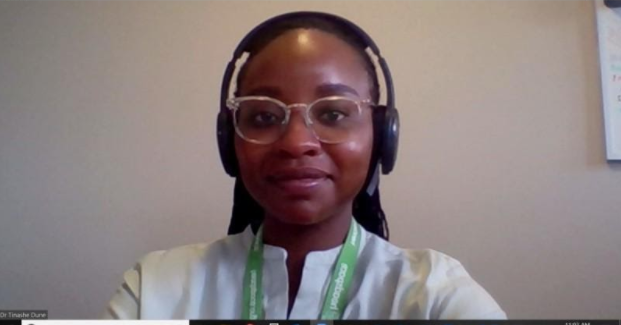
When a doctor starts her first YouTube channel, the scene is rarely glamorous. There may be a ring light balanced on a stack of medical journals, a microphone that refuses to behave, and a cat walking through the background like it has board certification in dermatology. But behind the awkward first recording is something powerful: a chance to make trustworthy health information easier to understand, more human, and much less intimidating.
Today, patients do not only ask their doctor, pharmacist, or nurse questions. They also ask Google, YouTube, TikTok, Reddit, and occasionally a cousin named Brad who “read something once.” That is exactly why medical professionals have an important opportunity online. A doctor who creates a YouTube channel can help people separate reliable medical education from internet chaos, all while building a meaningful personal brand.
Starting a medical YouTube channel is not just about uploading videos. It is about communication, ethics, consistency, privacy, search visibility, and trust. For a physician, the channel must be more than entertaining; it must be accurate, responsible, and useful. In other words, it should feel less like a lecture hall and more like a calm, well-lit conversation with someone who knows what they are talking about.
Why a Doctor Might Start a YouTube Channel
A doctor may start her first YouTube channel for many reasons. Some physicians want to educate patients about common conditions. Others want to explain confusing medical news, promote preventive care, support public health, or answer frequently asked questions in a more accessible way. Many simply realize that patients are already searching for health answers online, so credible voices need to show up where the audience is.
YouTube is especially valuable because it combines search, video, personality, and long-term discoverability. A helpful video about high blood pressure, acne, anxiety, colon cancer screening, pregnancy myths, or diabetes meal planning can keep helping viewers long after it is published. Unlike a social post that disappears into the digital fog after a day or two, a well-optimized YouTube video can continue appearing in search results for months or even years.
The Audience Is Already Looking for Health Answers
People search YouTube for medical topics because video feels personal. A patient may not want to read a dense medical guideline, but they may gladly watch a friendly doctor explain what cholesterol numbers mean using a whiteboard, a coffee mug, and one mercifully simple chart.
That is the opportunity. A doctor’s YouTube channel can translate complicated medical information into plain English. It can help viewers prepare better questions for appointments, understand warning signs, and feel less alone. The best medical creators do not replace the doctor-patient relationship. They strengthen it by giving people enough background knowledge to participate more confidently in their care.
Choosing the Channel’s Purpose Before Recording
Before filming the first video, the doctor needs to answer one deceptively simple question: what is this channel for?
A channel without a clear purpose can quickly become a buffet of unrelated topics: one video about migraines, the next about hospital snacks, then a passionate review of desk chairs. Fun? Maybe. Strategic? Not really.
A strong medical YouTube channel usually begins with a specific focus. For example, a family physician might create videos about preventive care, everyday symptoms, and wellness habits. A dermatologist may focus on acne, sunscreen, hair loss, and skin cancer prevention. A pediatrician could explain childhood fevers, vaccines, nutrition, and development milestones. A psychiatrist might discuss anxiety, depression, sleep, and how therapy works.
Defining the Ideal Viewer
The doctor should imagine one ideal viewer. Is she speaking to busy parents? Older adults managing chronic disease? Young professionals trying to understand mental health? Medical students? Women navigating perimenopause? Patients recently diagnosed with a condition?
Once the audience is clear, the content becomes easier to shape. The tone, examples, vocabulary, video length, and thumbnail style all become more focused. Instead of talking to “everyone,” the doctor speaks directly to the people who need her most.
Setting Up the YouTube Channel the Right Way
The practical setup is straightforward. A doctor needs a Google account, a YouTube channel name, a handle, a profile image, and a basic channel description. But the branding decisions matter more than they appear at first glance.
The channel name should be memorable, professional, and flexible. It can include the doctor’s name, specialty, or audience promise. Examples might include “Dr. Maya Explains Health,” “Everyday Pediatrics with Dr. Lee,” or “Skin Sense with Dr. Carter.” The goal is to sound credible without sounding like a hospital brochure that learned to breathe.
Writing a Trustworthy Channel Description
The channel description should quickly explain who the doctor is, what viewers will learn, and what the channel does not do. A strong description might say:
“Welcome to my channel. I’m Dr. Elena Brooks, a board-certified family physician. I create clear, practical videos about preventive care, common symptoms, and everyday health questions. This channel is for education only and does not replace personal medical advice from your own clinician.”
That final sentence is important. A medical YouTube channel should always make it clear that videos are educational, not individualized diagnosis or treatment. Viewers need to know that watching a video is not the same as being examined by a clinician who knows their medical history.
Medical Ethics Come Before Monetization
A doctor starting her first YouTube channel has responsibilities that a lifestyle vlogger may not have. Medical content can affect real decisions about medications, symptoms, screenings, vaccines, supplements, and treatment choices. That means accuracy is not optional. It is the foundation.
Physicians online should protect patient privacy, avoid giving personal medical advice in public comments, separate education from advertising, and present health information responsibly. They should also be careful with personal stories, workplace anecdotes, and “case examples.” Even when names are removed, details can sometimes identify a patient. Privacy is not a decorative accessory; it is the seatbelt.
HIPAA, Patient Privacy, and Common-Sense Boundaries
For doctors in the United States, patient privacy rules must be taken seriously. A physician should not show patient images, clinical records, exam rooms with identifiable information, or stories that could reasonably point back to a specific person unless the proper written permissions and institutional rules are followed. Even then, caution is wise.
A safer strategy is to use fictionalized examples, general teaching scenarios, animations, diagrams, or stock visuals. Instead of saying, “A patient I saw yesterday had this exact problem,” the doctor can say, “A common situation in clinic is…” That small shift keeps the teaching useful while reducing privacy risk.
Planning the First 10 Videos
Many new creators make the mistake of obsessing over the first video. A better approach is to plan the first 10. This helps the channel feel intentional from the beginning and prevents the dreaded “I posted once and vanished into the internet attic” problem.
The first 10 videos should answer real questions that patients often ask. A family doctor might begin with:
- What blood pressure numbers actually mean
- When a cough needs medical attention
- How to prepare for an annual physical
- What cholesterol tests show
- Common causes of fatigue
- How to talk to your doctor about anxiety
- What to know before taking supplements
- Red flags you should not ignore
- How vaccines help protect communities
- What “normal labs” do and do not mean
These topics work because they are practical, searchable, and relevant. They also allow the doctor to build authority without making unrealistic claims.
Using Search Intent for Medical YouTube SEO
YouTube is both a video platform and a search engine. That means titles should match what people actually type. A video titled “A Comprehensive Discussion of Hypertension Pathophysiology” may impress three cardiologists and frighten everyone else. A title like “What Do Blood Pressure Numbers Mean?” is far more patient-friendly.
Good YouTube SEO for doctors includes clear titles, accurate descriptions, helpful chapters, relevant keywords, and thumbnails that communicate the topic quickly. The video should answer the question promised in the title. Search engines reward usefulness, but viewers reward clarity even faster.
Creating Videos That Feel Human, Not Robotic
The best medical YouTube videos do not sound like a textbook wearing a blazer. They sound like a knowledgeable person explaining something clearly. A doctor does not need to become a comedian, influencer, or full-time cinematographer. She needs to be understandable, trustworthy, and present.
A simple structure works beautifully:
- Start with the viewer’s question.
- Explain why the topic matters.
- Break the answer into three to five clear points.
- Use examples or analogies.
- End with practical next steps and safety reminders.
For example, in a video about headaches, the doctor might begin: “Most headaches are not emergencies, but some are your body waving a red flag with both hands.” That opening is clear, slightly memorable, and immediately useful.
Plain Language Builds Trust
Health communication works best when it is clear. Medical jargon can make viewers feel excluded. Instead of saying “myocardial infarction,” say “heart attack.” Instead of “hypertension,” say “high blood pressure,” then explain the medical term if needed. The goal is not to water down medicine. The goal is to make knowledge usable.
Doctors sometimes worry that simple language sounds less professional. In reality, clarity often makes expertise more visible. Anyone can hide behind complex words. It takes skill to make a complicated topic feel manageable.
Equipment: Start Simple, Upgrade Later
A doctor does not need a Hollywood studio to begin. The first setup can be simple: a modern smartphone, a small tripod, natural light or an affordable ring light, and a basic external microphone. Clear audio matters more than perfect video. Viewers may forgive average lighting. They will not forgive audio that sounds like it was recorded inside a lunchbox.
The background should be clean and professional. Bookshelves, a tidy office, a plant, or a plain wall can work well. Avoid filming in clinical spaces unless privacy, workplace policies, and visual details are carefully controlled.
Batch Recording Saves Time
Doctors are busy. That is not breaking news; that is Tuesday. Batch recording can make YouTube more realistic. The doctor can script or outline several videos during the week, then record three or four in one session. Changing a jacket or camera angle can make the videos feel fresh without requiring a full production day for each one.
Editing can also be simple. Basic cuts, captions, clean audio, and a few on-screen bullet points are enough for most educational videos. The goal is not cinematic drama. Nobody needs slow-motion footage of a stethoscope unless it is very emotionally attached to the plot.
Building Trust With Disclaimers and Transparency
Every video should include a brief disclaimer. It does not need to sound scary, but it should be clear. For example:
“This video is for educational purposes only. It is not medical advice for your personal situation. Please talk with your own healthcare professional about symptoms, diagnosis, or treatment.”
Transparency also applies to sponsorships, affiliate links, product mentions, and partnerships. If a doctor receives payment, free products, commissions, or other benefits connected to a recommendation, that relationship should be disclosed clearly. Medical creators have to protect both viewer trust and professional integrity.
Avoiding Overpromises
Medical YouTube content should avoid dramatic promises like “cure diabetes naturally,” “erase anxiety forever,” or “this one supplement fixes everything.” Those phrases may attract clicks, but they damage credibility and can mislead viewers. A trustworthy doctor uses balanced language: “may help,” “can reduce risk,” “talk with your clinician,” and “the evidence suggests.”
That may sound less flashy, but it is far more responsible. In health content, accuracy is not boring. Accuracy is the whole point.
Handling Comments Without Practicing Medicine Online
Once the channel grows, viewers will leave personal medical questions in the comments. Some will be general. Others may include symptoms, medications, lab results, or urgent concerns. The doctor needs a comment policy before this happens.
A safe response might be: “I’m sorry you’re dealing with that. I can’t give personal medical advice in comments, but please contact your healthcare professional. If you have severe symptoms or feel unsafe, seek urgent care.”
This protects the viewer and the doctor. It also teaches the community that the channel is educational, not a substitute clinic with a comments section.
How a Doctor Can Stand Out on YouTube
A doctor does not need to chase trends to build a strong channel. In fact, the most valuable advantage is professional expertise combined with a relatable voice. Viewers want someone who can explain clearly, admit nuance, and avoid acting like every answer fits into a 12-second sound bite.
The doctor can stand out by choosing a recognizable format. For example:
- “Doctor Explains” videos: Simple breakdowns of common symptoms and conditions.
- Myth-busting videos: Evidence-based responses to viral health claims.
- Appointment prep videos: What patients should ask before a procedure, screening, or medication change.
- Reaction videos: Careful analysis of medical scenes in movies or trending health posts.
- Shorts: Quick answers to common questions, always with safe context.
Consistency Beats Perfection
A new creator often wants every video to be flawless. That is understandable, especially for physicians trained to be precise. But perfectionism can quietly cancel the entire channel before it starts. A useful video published today is better than a perfect video trapped forever in a folder named “final_final_REALLY_final.mp4.”
Consistency helps the audience know what to expect. One strong video per week is better than five videos in one weekend followed by six months of silence. The schedule should fit the doctor’s real life, not an imaginary version of her life where paperwork does not exist.
Measuring Success Beyond Subscribers
Subscribers are exciting, but they are not the only measure of success. For a doctor’s YouTube channel, meaningful metrics include watch time, audience retention, comments showing improved understanding, search traffic, and whether videos are reaching the intended audience.
A video with fewer views but high relevance can be more valuable than a viral video that attracts the wrong audience. For example, a detailed video helping patients understand colonoscopy preparation may never become internet-famous, but it can be incredibly helpful to the people who need it.
Learning From Analytics
YouTube analytics can show where viewers stop watching, which titles attract clicks, and what topics people search for. If viewers leave in the first 30 seconds, the introduction may be too slow. If a video gets impressions but few clicks, the title or thumbnail may need improvement. If viewers ask the same question repeatedly, that question may deserve its own video.
The smartest creators treat analytics like feedback, not judgment. Data is not there to hurt anyone’s feelings. It is there to whisper, “Maybe make the next intro shorter, Doctor Spielberg.”
Common Mistakes Doctors Should Avoid
The first mistake is trying to sound too formal. Viewers are not looking for a grand rounds presentation. They want clarity. The second mistake is giving overly specific advice to anonymous viewers. The third is ignoring YouTube SEO and posting vague titles like “Important Health Talk #3.”
Another mistake is covering too many unrelated topics too soon. A focused channel builds trust faster. A dermatologist who posts about sunscreen, acne, eczema, and skin cancer prevention creates a clear identity. If that same channel suddenly posts about cryptocurrency and sourdough starters, viewers may become confused, though possibly hungry.
Do Not Build a Channel on Fear
Fear-based content may get clicks, but it is not the best foundation for medical education. Titles like “This Common Food Is Killing You” may perform in the short term, but they can create anxiety and mistrust. A better approach is calm urgency: explain risks honestly, identify warning signs, and give practical steps.
Doctors are uniquely positioned to bring balance to online health conversations. That balance is exactly what many viewers are missing.
A Practical Launch Plan for the First Month
In the first month, the doctor should keep the plan manageable. Week one can focus on branding, channel setup, audience definition, and topic planning. Week two can be used to write outlines and record the first three videos. Week three can focus on editing, thumbnails, descriptions, and publishing the first video. Week four can include publishing the second video, reviewing analytics, and collecting viewer questions for future topics.
Each video description should include a short summary, key points, a medical disclaimer, and relevant links to reputable resources when appropriate. Chapters can improve user experience by letting viewers jump to the section they need.
Example First Video Outline
For a first video titled “Welcome to My Channel: Health Answers From a Doctor,” the structure might look like this:
- Friendly introduction and credentials.
- Why the channel exists.
- What topics viewers can expect.
- How the doctor will keep information clear and evidence-based.
- Reminder that videos are educational, not personal medical advice.
- Invitation to subscribe and suggest general topics.
This type of video establishes trust and sets boundaries from the start.
Experience Section: What It Feels Like When a Doctor Starts Her First YouTube Channel
The first time a doctor records a YouTube video, it can feel strangely vulnerable. In the exam room, she may speak confidently with patients all day. She can explain lab results, calm worried families, and make complex decisions under pressure. But when the camera turns on, suddenly the red recording light seems to have the emotional power of a courtroom spotlight.
At first, everything feels awkward. She may record the opening sentence seven times. She may discover that she says “um” more often than expected. She may realize that her carefully written script sounds too stiff when spoken aloud. She may also learn that lighting is not a small detail; it is the difference between “trusted physician” and “person giving advice from a mysterious cave.”
But the process gets easier. After a few recordings, she begins to speak more naturally. She stops trying to sound perfect and starts trying to be helpful. That shift changes everything. Instead of performing for the camera, she imagines one patient sitting across from her. She explains the topic the way she would in clinic: clearly, kindly, and without assuming the viewer already knows the medical vocabulary.
One of the most meaningful experiences comes when viewers begin to comment. Someone writes, “I finally understand what my doctor meant.” Another says, “This helped me prepare for my appointment.” A parent says, “Thank you for explaining this without making me feel silly.” Those comments can remind the doctor why the channel matters. The goal is not fame. The goal is better understanding.
Of course, not every comment is magical. Some viewers may demand personal medical advice. Some may challenge evidence-based recommendations. A few may arrive with the confidence of a person who watched three videos and now considers themselves the Surgeon General of the comment section. The doctor learns to respond professionally, set boundaries, and avoid arguments that lead nowhere productive.
She also learns that creativity and medicine can work together. A video about high blood pressure can use a garden hose analogy. A video about inflammation can compare the immune system to an overenthusiastic security guard. A video about sleep can gently roast the habit of scrolling in bed at midnight while claiming to be “winding down.” Humor, used carefully, helps viewers relax and remember.
The biggest lesson is that starting a YouTube channel is not a single brave moment. It is a series of small decisions: choosing a topic, writing an outline, pressing record, editing the awkward pauses, publishing despite imperfections, and doing it again next week. For a doctor, the first channel becomes more than a media project. It becomes an extension of patient education, public service, and professional voice.
Eventually, the camera feels less like a threat and more like a bridge. On one side is medical knowledge. On the other side are people trying to understand their bodies, symptoms, choices, and fears. A doctor who learns to communicate well on YouTube helps build that bridge one video at a time.
Conclusion
When a doctor starts her first YouTube channel, she is doing more than creating content. She is stepping into a noisy digital world with a clear, credible voice. That voice can help patients understand common health questions, recognize when to seek care, avoid misinformation, and feel more confident during medical conversations.
The most successful medical YouTube channels are not built on gimmicks. They are built on trust, consistency, plain language, ethical boundaries, and a genuine desire to help. A doctor does not need perfect equipment or viral fame to begin. She needs a focused purpose, reliable information, respect for privacy, and the courage to publish the first imperfect but useful video.
In a world where health myths travel fast, a thoughtful doctor with a camera can make a real difference. And yes, the ring light may still fall over occasionally. That, too, is part of the journey.
Note: This article is for educational and content publishing purposes only. It does not provide medical, legal, or platform-specific compliance advice. Doctors and healthcare organizations should review current professional, privacy, advertising, and YouTube policies before publishing medical content online.