

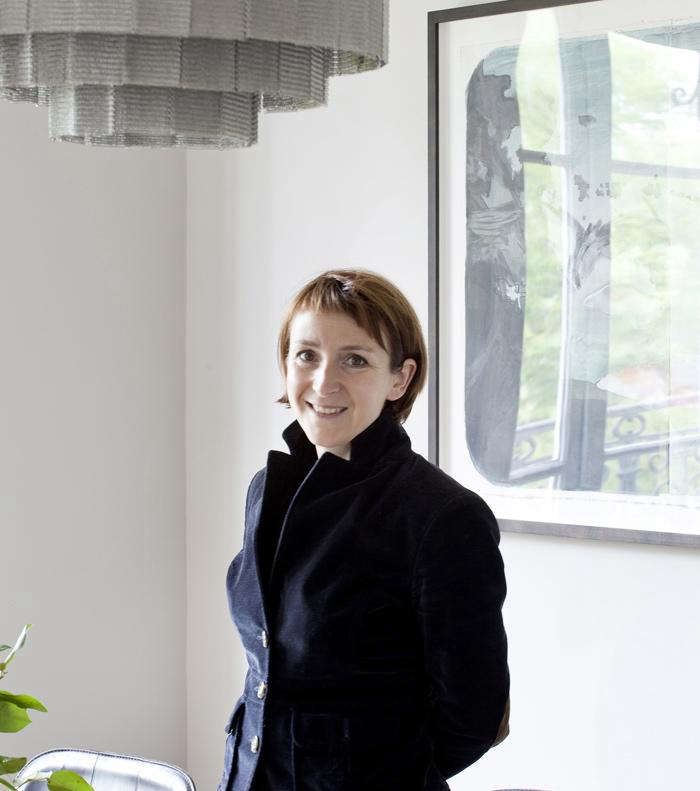
There are Paris apartments, and then there are Paris apartments that seem to have been assembled by a poet, a seamstress, a baker, and a slightly dramatic cat. A flat in Montmartre belongs to the second category. It does not simply provide shelter; it performs. The floorboards sigh, the windows flirt with the skyline, the stairs count as cardio, and somewhere in the room a vintage mirror makes everyone look as though they have a secret.
Now add echoes of Chanelnot logos everywhere, not a black-and-white shrine to luxury shopping, and definitely not a sofa wearing pearls. The Chanel spirit is subtler than that. It is discipline with romance, restraint with texture, simplicity that clearly took a lot of effort. Gabrielle “Coco” Chanel built her legacy around clean lines, practical elegance, black, white, beige, tweed, camellias, mirrors, and the radical idea that comfort could be chic. Montmartre, meanwhile, brings the bohemian counterpoint: steep lanes, artists, cabarets, cafés, imperfect walls, and a view of Paris that makes even laundry feel cinematic.
Together, they create a design story that feels timeless: a Montmartre flat with the polish of rue Cambon and the soul of a neighborhood that has never fully behaved itself.
Montmartre: The Hill That Refuses to Be Ordinary
Montmartre sits in the 18th arrondissement, high above central Paris, and that elevation matters. It gives the neighborhood its famous staircases, its sweeping views, and its particular mood: half village, half stage set. Long before visitors came for the Sacré-Cœur Basilica and snapshots on the steps, Montmartre was known for vineyards, windmills, cafés, studios, dance halls, and the kind of creative energy that attracts people who own more scarves than practical shoes.
In the late 19th and early 20th centuries, artists such as Toulouse-Lautrec, Renoir, Modigliani, Picasso, and Utrillo were connected to the area’s cafés, studios, and nightlife. The Moulin Rouge, opened in 1889, helped define the neighborhood’s theatrical reputation. Place du Tertre still trades on the romance of portrait painters and easels, while the Musée de Montmartre preserves the memory of the area’s artistic past. Yes, today there are souvenir shops. Yes, some corners are crowded enough to make a croissant nervous. But Montmartre still has a pulse that feels different from the grand boulevards below.
A flat here should not feel too perfect. Montmartre rejects over-polishing. It wants a little patina, a chair with history, a table that has hosted coffee, gossip, and at least one dramatic life decision. The trick is to honor that imperfection while giving the space structure. That is where Chanel enters the room, removes one unnecessary accessory, and improves everything.
The Chanel Connection: Not Montmartre, but a Parisian State of Mind
Chanel’s most famous Paris address is not in Montmartre. Gabrielle Chanel opened her hat boutique, Chanel Modes, on rue Cambon in 1910, and by 1918 she had established her couture house at 31 rue Cambon. That building became a world of its own: boutique, salons, ateliers, creative studio, and her private apartment. The mirrored staircase at 31 rue Cambon became legendary, partly because Chanel could observe fashion presentations from above without being fully seen. Very Parisian. Very strategic. Very “I am watching, but beautifully.”
So when we talk about echoes of Chanel in a Montmartre flat, we are not claiming Chanel lived on this hill or that the neighborhood was her headquarters. We are talking about design codes: black and ivory contrasts, tailored silhouettes, gilt mirrors, lacquered surfaces, camellia-like florals, strands of pearls used sparingly, tweed textures, and a belief that elegance works best when it looks effortless.
The most important Chanel lesson for interiors is this: luxury is not clutter. It is editing. A room does not need ten expensive objects; it needs three good ones, placed with confidence. A black chair beside a cream wall. A marble-topped table under a vintage lamp. A tailored linen curtain falling from ceiling height. A single flower in a glass vase, behaving like it owns the lease.
Imagining the Flat: Small, Smart, and Full of Attitude
Picture a one-bedroom flat on a quiet Montmartre street, just far enough from the loudest tourist paths to hear morning life instead of rolling suitcases. The building is old, naturally. The entry stairwell is narrow enough to make moving a sofa feel like an Olympic event. Inside, the apartment opens into a compact living room with tall windows, pale walls, herringbone or straight-plank wood floors, and a marble fireplace that may or may not function but absolutely understands its decorative responsibilities.
The bones are classic Paris: moldings, high ceilings if luck is generous, maybe a wrought-iron balcony just wide enough for coffee and unrealistic daydreams. The layout is modest, because Paris specializes in making people pay a lot for “charming” square footage. But small rooms can be powerful when every inch has a job.
The Chanel influence appears first in the palette. Start with warm white walls rather than cold gallery white. Add black in slim, intentional strokes: a lacquered side table, a framed sketch, a black metal curtain rod, the edge of a lampshade. Bring in beige, cream, soft gray, and a little antique gold. The room should feel like a perfectly cut jacket: simple from a distance, detailed up close.
The Living Room: Where Bohemia Learns Tailoring
The living room is the heart of the flat, and in Montmartre, it should feel ready for conversation. Not a formal salon where guests fear the upholstery. More like a room where someone might discuss art, spill espresso, apologize, and then ask for another biscuit.
Choose a compact sofa in ivory linen, oatmeal boucle, or soft gray velvet. Across from it, place a black accent chair with a curved back or slender metal frame. A vintage trunk can work as a coffee table, especially if it looks as though it once crossed borders with a mysterious owner named Colette. Add a gilded mirror above the fireplace to bounce light through the room and nod to the mirrored drama of Chanel’s rue Cambon universe.
Art matters here. Montmartre has enough artistic history to make blank walls feel rude. Instead of mass-produced Paris prints, mix charcoal sketches, small oil studies, black-and-white photography, or a framed fashion illustration. Keep the frames varied but controlled: black, aged gold, and warm wood. This creates the collected-over-time feeling that defines great Parisian interiors.
For texture, bring in tweed pillows, a wool throw, and a rug with a faded pattern. Tweed is essential because it quietly says “Chanel” without screaming “I bought a theme.” It also handles real life better than delicate silk, which is useful if your evening plans involve wine, bread, and gravity.
The Kitchen: Tiny, Chic, and Capable of Drama
Paris kitchens are often small, but small does not mean sad. A Montmartre kitchen can be a jewel box. White cabinets with black hardware, open shelves, marble or marble-look counters, and warm brass accents create a clean, timeless foundation. If the building allows it, patterned floor tile adds an old-world note. If not, a washable runner can do the job without starting a renovation saga.
The key is to avoid overfilling the space. Chanel’s approach to fashion favored movement and usefulness; the kitchen should do the same. Keep the tools visible only if they are beautiful or used daily. A copper pan, a ceramic pitcher, a wooden cutting board, and a glass jar of coffee can become decoration. A chaotic pile of takeout menus cannot, no matter how emotionally important they may be.
Montmartre’s food culture should also be part of the room. A basket for baguettes, a small café table, and two bistro chairs can make breakfast feel like an event. The ideal morning scene includes butter, jam, strong coffee, and a view of rooftops. The less ideal but still authentic scene includes crumbs everywhere. Paris forgives crumbs if they are from good bread.
The Bedroom: The Little Black Dress of Rooms
The bedroom should be the quietest expression of the concept. Think of it as the little black dress translated into interior design: practical, flattering, and never overdone. Use crisp white bedding, a tailored bed skirt or upholstered base, black reading lamps, and a soft throw in beige, charcoal, or muted blush. If the room has moldings, let them shine. If it does not, add architectural interest with a simple picture rail or a fabric headboard.
A small vanity or writing desk near the window brings in the Chanel mood beautifully. Gabrielle Chanel understood the power of ritual: dressing, editing, preparing, presenting. A vanity with a round mirror, a tray for perfume, and one small vase of flowers turns an ordinary corner into a daily ceremony. The flowers do not need to be expensive. A single white bloom can do more than a crowded bouquet, especially if it resembles the camellia, one of Chanel’s enduring symbols.
Storage should be elegant but ruthless. Parisian flats are not known for generous closets. Use under-bed drawers, wall hooks, narrow wardrobes, and matching boxes. Keep visible clothing edited: a black coat, a cream blouse, a striped shirt, perhaps a silk scarf. Anything else can hide. Mystery is chic; laundry piles are not.
The Bathroom: Marble, Mirrors, and Good Lighting
A Montmartre bathroom may be tiny enough to make turning around feel like choreography, but it can still feel luxurious. The formula is simple: pale walls, black accents, a good mirror, excellent lighting, and one material that feels special. Marble is ideal, whether real, reclaimed, or convincingly imitated. Black-and-white tile gives a classic Parisian mood, while brass or chrome fixtures add polish.
The Chanel echo here is the beauty-counter feeling: refined, practical, and slightly glamorous. Use a glass shelf, a black tray, or a mirrored cabinet. Keep products edited and attractive. A chaotic sink ledge full of half-used bottles ruins the spell faster than you can say “sample sale.” Add one candle, one hand towel with texture, and one small framed print if wall space allows.
How to Bring the Look Home
You do not need a Montmartre address or a couture budget to borrow the mood. The design formula is surprisingly adaptable. Start with a neutral base, then add contrast. Mix old and new. Use black as punctuation, not a paragraph. Choose fewer objects with stronger silhouettes. Add mirrors to reflect light. Bring in natural materials: wood, wool, linen, marble, ceramic, and metal.
Most importantly, create tension. Montmartre is romantic and imperfect; Chanel is disciplined and precise. The flat works because it allows both personalities to share the room. A rustic table can sit beneath a tailored lamp. A flea-market painting can hang above a clean-lined sofa. A chipped vase can hold elegant flowers. The space should not look as if it came from one store on one Saturday afternoon. It should look as if it has lived, traveled, and occasionally stayed out too late.
Experiences: Living With the Montmartre-Chanel Mood
The real magic of a flat like this is not only how it looks in photographs. It is how it feels at 7:30 in the morning when the neighborhood is still stretching awake. You open the window and hear delivery carts, scooters, footsteps on stone, and the low murmur of people beginning their day. The air carries bakery warmth, and suddenly breakfast is not a meal; it is a civic duty.
Living in a Montmartre-inspired flat teaches you to appreciate small rituals. Coffee tastes better from a cup you chose carefully. A scarf tossed over a chair looks intentional if the chair is good enough. Fresh flowers become less of a luxury and more of a tiny rebellion against dullness. Even making the bed feels different when the room has a point of view. You are not just straightening sheets; you are restoring order to the republic.
Walking through Montmartre also changes how you decorate. The neighborhood is full of contrasts: sacred and theatrical, touristy and private, polished and peeling. One street opens to a postcard view; the next offers a quiet wall covered in ivy. That contrast encourages a home that does not chase perfection. A scratch on the floor becomes evidence. A vintage mirror with foxed glass becomes more interesting than a flawless new one. A table bought secondhand carries more emotional weight than something too shiny to trust.
The Chanel side of the experience adds discipline. It reminds you to edit before adding. Before buying another pillow, you ask whether the room needs it or whether you are simply avoiding your inbox. Before adding color, you check whether texture would do the job better. Before filling a shelf, you leave some breathing room. This is the quiet genius of Chanel-inspired interiors: restraint makes the beautiful things louder.
Guests feel it too. They may not walk in and say, “Ah yes, a balanced dialogue between Montmartre bohemia and Chanel’s couture codes.” Most people are not that unbearable, thankfully. But they will say the room feels calm, stylish, warm, and personal. They will notice the mirror, the light, the chair, the flowers. They will ask where you found the old table. They will linger.
And that is the goal. A flat in Montmartre, with echoes of Chanel, should not feel like a showroom. It should feel like a life edited beautifully. It should make room for books, bread, perfume, rain on the windows, late dinners, good coats, bad jokes, and the occasional moment of cinematic self-importance. After all, if a Paris apartment cannot make you feel a little dramatic, what are the stairs even for?
Conclusion: Elegance With a View
A flat in Montmartre, touched by echoes of Chanel, is more than a decorating fantasy. It is a lesson in balance. From Montmartre comes art, atmosphere, history, and a sense of charming rebellion. From Chanel comes structure, restraint, contrast, and the confidence to let simplicity speak. Together, they create a home that feels classic without being stiff, romantic without being sugary, and luxurious without needing to announce the price of anything in the room.
The best version of this style is not a costume. It does not copy Chanel; it understands Chanel. It does not turn Montmartre into a postcard; it respects its layered, imperfect beauty. Whether you live in Paris, New York, Chicago, or a small apartment with a heroic lack of closet space, the idea travels well: choose quality, honor history, edit carefully, and leave room for personality.
Note: This article is an original, publication-ready synthesis based on verified historical, fashion, travel, and interior-design context. It has been written without source-link artifacts or unnecessary reference markup for clean web publishing.