

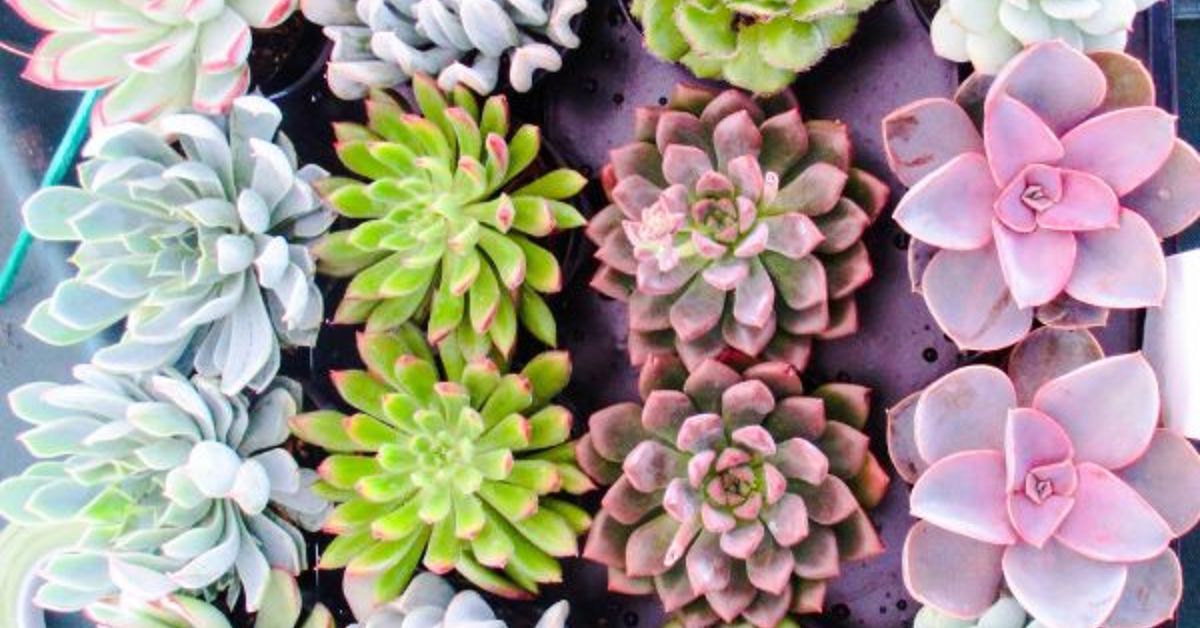
Succulents have a wonderful reputation for being low-maintenance, stylish, and almost suspiciously calm about neglect. They sit on sunny windowsills, look sculptural, and forgive the occasional missed watering like tiny green monks. But even the most relaxed succulent eventually needs a new home. That is where transplanting comes in.
Transplanting succulents, also called repotting succulents, is the process of moving a plant into fresh soil, a better container, or a more suitable growing space. Done correctly, it helps prevent root rot, refreshes tired potting mix, gives cramped roots more breathing room, and keeps your plant from becoming that dramatic roommate who leans sideways and threatens to fall off the shelf.
The good news? Transplanting succulents is not complicated. The even better news? You do not need a greenhouse, a degree in botany, or a spiritual connection with potting soil. You just need the right timing, a well-draining succulent soil mix, a pot with drainage holes, gentle hands, and a little patience.
Note: This guide is written for common indoor and patio succulents such as echeveria, jade plant, aloe, haworthia, sedum, kalanchoe, string of pearls, and similar varieties. Always adjust care slightly for your specific plant, climate, and container conditions.
Why Transplanting Succulents Matters
Succulents store water in their leaves, stems, or roots, which helps them survive dry conditions. That survival trick is also why they dislike soggy soil. When a succulent sits in compacted, wet, or poorly draining potting mix, its roots can suffocate and rot. Transplanting gives you a chance to replace that tired soil with a gritty, airy mix that lets water move through quickly.
Repotting also helps when a succulent has outgrown its container. While many succulents tolerate being slightly root-bound, there is a difference between “cozy” and “trapped in a studio apartment with twelve roommates.” If roots are circling tightly, poking out of the drainage hole, or pushing the plant upward, it is time for an upgrade.
Common Reasons to Transplant Succulents
You may need to transplant a succulent if the plant has become top-heavy, the soil dries too fast or stays wet too long, roots are visible at the surface, pests are hiding in the potting mix, or the container has no drainage hole. Transplanting is also smart after buying a succulent from a store, because nursery soil is often chosen for shipping convenience rather than long-term home growing.
Another reason is design. Maybe you want to combine several succulents in a dish garden, move a patio plant indoors before winter, or rescue a sad little echeveria from a plastic pot that looks like it came free with a salad dressing sample. A better container can improve both plant health and your decor.
When Is the Best Time to Transplant Succulents?
The best time to transplant most succulents is during active growth, usually spring or early summer. During this period, plants recover faster because they are already producing new roots and leaves. Early fall can also work in mild climates, especially for succulents that actively grow in cooler seasons.
Winter is usually not ideal. Short days, cooler indoor temperatures, and slower growth make recovery more difficult. That does not mean a winter transplant is forbidden. If your plant has root rot, pests, broken pottery, or soil that smells like a swamp monster’s gym bag, do not wait politely for spring. Emergency repotting is allowed.
Should You Water Before Transplanting?
For most succulents, slightly dry soil is easier to work with than soaking wet soil. Wet roots can be more fragile, and damp soil clings stubbornly to the root ball. However, a plant that is extremely dehydrated may be stressed before you even start. A practical approach is to water several days before transplanting, then allow the mix to dry until it is barely damp or dry to the touch.
After transplanting, many succulent growers wait a few days before watering. This gives small root injuries time to callus and reduces the risk of rot. If the plant was very dry and the roots were not damaged, a light watering may be appropriate sooner, but the safest rule is: do not drench a freshly disturbed succulent just because you feel emotionally responsible for it.
Choosing the Right Pot for Succulents
The container matters more than many beginners realize. A cute pot can be charming, but if it traps water, your succulent may quietly plot its exit from this world. The best pot for succulents has at least one drainage hole. Drainage holes allow extra water to escape, which is essential for preventing soggy roots.
Terracotta and unglazed clay pots are excellent choices because they are porous and help soil dry faster. This is especially useful for people who tend to overwater. Plastic, ceramic, and glazed containers can also work, but they hold moisture longer, so watering must be more careful.
How Big Should the New Pot Be?
Choose a pot only slightly larger than the current root ball, usually one to two inches wider in diameter. A huge pot may look generous, but it holds extra soil that stays wet longer than the roots can use. Succulents prefer a snug, breathable setup rather than a giant mansion with a damp basement.
For rosette succulents like echeveria, a shallow container often works well. For deeper-rooted succulents like aloe, jade plant, or some cacti, choose a pot with more depth. If the plant is top-heavy, a heavier clay pot can help keep it stable.
The Best Soil for Transplanting Succulents
Succulent soil should be fast-draining, gritty, and airy. Regular houseplant potting mix usually holds too much moisture on its own. A commercial cactus and succulent mix is a convenient choice, but some mixes still benefit from extra mineral material such as pumice, perlite, coarse sand, lava rock, or fine gravel.
A simple homemade succulent soil mix can include one part potting soil and two parts mineral material. The goal is not to create beach sand in a pot. The goal is structure: small air pockets, quick drainage, and enough organic material to hold a modest amount of moisture and nutrients.
Do You Need Gravel at the Bottom?
Despite the old advice, adding a thick layer of gravel at the bottom of a pot does not magically fix poor drainage. In containers, water can perch above the gravel layer and keep the root zone wetter than expected. It is better to use a pot with drainage holes and fill the whole container with an appropriate succulent mix.
If soil falls out of the drainage hole, cover the hole with a small piece of mesh, a coffee filter, or a broken pottery shard. This keeps the mix in place while still allowing water to escape.
Tools and Supplies You Need
Before transplanting, gather your supplies. You will need a clean pot with drainage holes, fresh succulent soil mix, gloves, a small trowel or spoon, clean scissors or pruning shears, and optionally a soft brush for removing old soil from roots.
Gloves are especially useful when handling spiky cacti, euphorbia, or plants with irritating sap. For small cactus plants, folded newspaper, kitchen tongs, or a towel can help you lift the plant without turning your fingertips into a pincushion.
How to Transplant Succulents Step by Step
Step 1: Remove the Succulent Gently
Hold the plant near the base, tilt the pot, and ease the root ball out. If the plant is stuck, squeeze the sides of a plastic nursery pot or tap the sides of a hard container. Avoid yanking the plant by its leaves. Many succulents drop leaves easily, and nothing says “gardening confidence” like accidentally turning one plant into twelve loose leaves.
Step 2: Inspect the Roots
Healthy roots are usually firm and light-colored. Dark, mushy, slimy, or foul-smelling roots are signs of rot. Trim damaged roots with clean scissors. If you find pests, remove as much old soil as possible and consider isolating the plant until you are sure the problem is gone.
Step 3: Loosen Old Soil
Gently tease away compacted soil from the root ball. You do not need to remove every crumb, but clearing old, dense mix helps the roots settle into the new medium. Be patient with fine roots. Succulent roots can be delicate, and rough handling may slow recovery.
Step 4: Add Fresh Soil to the New Pot
Place a layer of succulent mix in the bottom of the new container. Set the plant inside and check the height. The crown of the plant should sit slightly below the rim of the pot, leaving enough space for watering without overflow. Avoid burying the leaves or stem too deeply, because trapped moisture around the crown can invite rot.
Step 5: Fill Around the Roots
Add soil around the root ball and gently firm it with your fingers. Do not pack the soil like concrete. Roots need oxygen as much as they need moisture. A light press is enough to stabilize the plant while keeping the mix airy.
Step 6: Let the Plant Rest
Place the transplanted succulent in bright, indirect light for several days. Avoid harsh direct sun immediately after repotting, especially if the plant was indoors or shaded before. Transplanting can stress the roots, and intense sun can add leaf scorch to the drama.
Step 7: Water Carefully
After a short waiting period, water deeply until water drains from the bottom. Then let the soil dry thoroughly before watering again. Succulents prefer a soak-and-dry rhythm, not tiny daily sips. Frequent shallow watering encourages weak roots and keeps the upper soil damp, which is exactly where pests and rot like to party.
How to Transplant Succulent Offsets and Pups
Many succulents produce small baby plants, often called offsets or pups. Aloe, haworthia, sempervivum, echeveria, and some agave varieties commonly form these little side shoots. Once an offset has its own roots or is large enough to handle, you can separate it from the mother plant.
Remove the parent plant from the pot, gently loosen the soil, and separate the offset with your fingers or a clean knife. If the cut area is wet, let the pup dry for a day or two so the wound can callus. Then plant it in a small pot with well-draining soil. Keep it in bright, indirect light while it establishes.
Transplanting Succulents Outdoors
Outdoor transplanting follows the same basic principles: drainage, gentle handling, and gradual adjustment to light. The key difference is exposure. Outdoor succulents face stronger sun, wind, rain, and temperature swings. A plant that looked heroic on your windowsill may sunburn outdoors if moved too quickly into direct afternoon light.
Harden off indoor succulents by placing them outside in bright shade for a few days, then gradually increasing morning sun. Avoid transplanting during extreme heat, freezing weather, or heavy rain. If your garden soil is clay-heavy, consider raised beds, rock gardens, or containers filled with a gritty succulent mix.
Common Mistakes When Transplanting Succulents
Using Soil That Holds Too Much Water
This is the classic mistake. Regular potting soil may look innocent, but it can hold moisture long enough to damage succulent roots. Always use a cactus and succulent mix or amend regular potting soil with gritty mineral ingredients.
Choosing a Pot Without Drainage
Decorative pots without holes are risky. If you love a sealed container, use it as a cachepot: keep the succulent in a smaller nursery pot with drainage, then place that inside the decorative pot. Remove the inner pot when watering and let it drain fully before putting it back.
Watering Too Soon or Too Often
A freshly transplanted succulent does not need daily encouragement with a watering can. Let roots settle, then water deeply and infrequently. Check the soil, not the calendar.
Burying the Plant Too Deeply
Succulent leaves and crowns should stay above the soil line. If lower leaves are touching damp soil, remove a few or adjust the planting height. Good air circulation around the base of the plant helps prevent rot.
Moving Straight Into Hot Sun
Repotting and sun shock are not a friendly combination. Give the plant a recovery period in bright, indirect light before returning it to stronger sun.
How to Reduce Transplant Shock
Transplant shock happens when a plant reacts to root disturbance, a new pot, new soil, or a new environment. Succulents may look slightly dull, drop a lower leaf or two, or pause growth for a short time. This is usually normal.
To reduce stress, transplant during active growth, handle roots gently, use dry or lightly moist soil, avoid fertilizing immediately, and keep the plant away from harsh direct sun for several days. Do not keep adjusting the plant every morning because you are worried. Succulents appreciate care, but they do not enjoy being fussed over like a celebrity with a difficult haircut.
Aftercare: What to Do After Transplanting
After transplanting, give your succulent a quiet recovery period. Place it where it gets bright light without scorching heat. Wait a few days before watering unless the plant is severely dehydrated. When you do water, soak the soil thoroughly and let the extra drain away.
Hold off on fertilizer for several weeks. Fresh potting mix usually contains enough nutrients for a while, and fertilizing too soon can push weak growth before the roots are ready. During active growth, a diluted, balanced fertilizer can be used sparingly, but succulents are not heavy feeders.
Watch for signs of trouble. Mushy leaves may mean too much water. Wrinkled leaves may suggest thirst, although some wrinkling after transplanting can be temporary. Stretching or leaning may indicate insufficient light. Pests such as mealybugs may hide in leaf joints or roots, so inspect new and recently repotted plants carefully.
Examples: Transplanting Different Types of Succulents
Echeveria
Echeverias form tight rosettes and prefer shallow pots with excellent drainage. When transplanting, keep the rosette above the soil line and remove dead lower leaves. These leaves can trap moisture and attract pests if left to decay.
Jade Plant
Jade plants can become heavy with woody stems and thick leaves. Use a sturdy pot, preferably terracotta, to prevent tipping. Do not oversize the container. A slightly snug pot helps reduce the risk of soggy soil.
Aloe
Aloe often produces pups around the base. When transplanting, separate offsets with roots and give them their own small pots. Use gloves if the leaf edges are sharp, and avoid burying the crown.
String of Pearls
Trailing succulents like string of pearls have delicate stems and shallow roots. Handle them gently and use a shallow pot. Lay strands on top of the soil if you want them to root along the surface and create a fuller look.
Conclusion: Give Your Succulent a Better Home, Not a Bigger Problem
Transplanting succulents is one of the most useful skills any plant owner can learn. It refreshes the soil, improves drainage, solves overcrowding, and gives struggling plants a better chance to recover. The secret is not complicated: choose a pot with drainage, use a gritty succulent soil mix, handle roots carefully, avoid overwatering, and give the plant time to adjust.
Think of repotting as a reset button. Your succulent gets fresh air around its roots, a stable container, and a cleaner growing environment. You get the satisfaction of doing something plant-parental without needing to hover over it every day. Everybody wins, especially the succulent, which would probably thank you if it were not busy being quiet, plump, and mysterious.
Extra Growing Experience: Lessons From Real-Life Succulent Transplanting
One of the biggest lessons from transplanting succulents is that confidence comes from observation, not perfection. The first time many people repot a succulent, they worry about every little root hair and fallen leaf. Then, after a few successful transplants, they realize succulents are tougher than they look. They do not need dramatic pampering. They need the right conditions and a calm gardener.
A common experience is buying a beautiful succulent arrangement from a store, only to discover weeks later that the plants were packed into dense, moisture-retaining soil. The top looks dry, but the bottom stays wet. The leaves begin turning yellow or mushy, and suddenly the cheerful centerpiece becomes a botanical crime scene. Repotting into gritty soil often saves the healthiest plants. The key is to act early, remove wet soil, trim rotten roots, and let damaged areas dry before replanting.
Another useful lesson involves pot size. Beginners often think a larger pot means more room and therefore more happiness. In reality, a small succulent in a large pot can struggle because the extra soil remains damp for too long. Many experienced growers eventually learn to match the pot to the root ball, not to future dreams. Succulents are not offended by modest housing. In fact, they often prefer it.
Lighting after transplanting is another area where experience teaches patience. A newly repotted echeveria placed directly in blazing afternoon sun may develop pale, burned patches. The plant was not weak; it was simply stressed and exposed too quickly. Bright shade or filtered light for a few days makes recovery smoother. Once the plant settles, it can gradually return to stronger light.
Watering is probably the lesson that repeats itself the loudest. The instinct after repotting is to water immediately and generously. With many leafy houseplants, that may be helpful. With succulents, it can backfire. Waiting a few days before watering often produces better results, especially if roots were trimmed or broken. When watering does begin, a deep soak followed by a full drying period works better than nervous little splashes every day.
Transplanting also teaches you to inspect plants more closely. You notice mealybugs tucked into leaf joints, roots circling at the bottom of nursery pots, dead leaves hidden under rosettes, and soil that has become hard or dusty. These small details help you understand what the plant needs before problems become serious.
Perhaps the best practical experience is learning that not every fallen leaf is a disaster. Many succulent leaves can be propagated if they detach cleanly. Let the leaf callus, place it on dry succulent mix, and wait. Not every leaf will grow, but some will produce tiny roots and baby plants. Accidentally knocking off a leaf during transplanting can feel like a mistake, but sometimes it becomes a bonus plant. Gardening has a sense of humor that way.
Over time, transplanting succulents becomes less like surgery and more like routine maintenance. You learn which plants like shallow bowls, which need heavier pots, which tolerate root disturbance, and which sulk for two weeks before returning to normal. The experience builds your eye, your patience, and your ability to let plants recover without overhelping them. In the world of succulents, less panic usually leads to better care.