

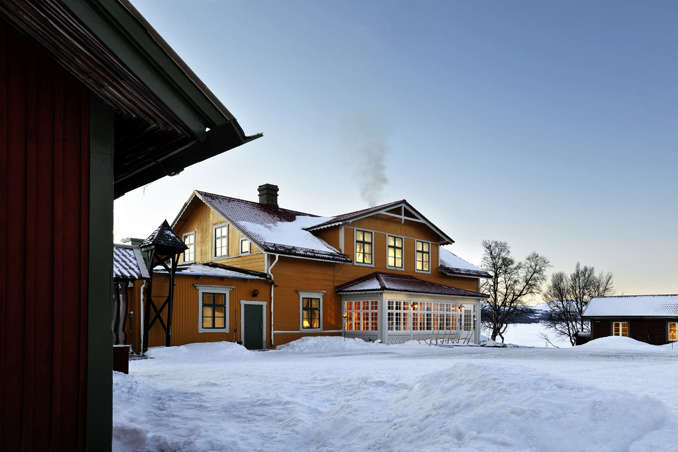
Some hotels make a grand entrance with chandeliers, velvet ropes, and lobby flowers arranged with military precision. Fjällnäs Est. 1882 takes a quieter route. It lets the mountains do the bragging.
Set in the remote highlands of Härjedalen, near Sweden’s border with Norway, this historic mountain hotel has the kind of backstory travel writers dream about: royal guests, wild scenery, Nordic design, lake water so clear it practically files its own purity report, and a spa that asks the most civilized question in the wilderness: “How are you?”
The title “A Mountain Hotel Fit for Royalty” is not just poetic fluff sprinkled over a travel brochure. Fjällnäs is widely recognized as Sweden’s oldest mountain hotel, founded in 1882, and its early appeal was tied to the same thing that still attracts modern travelers today: a rare mix of solitude, comfort, craftsmanship, and dramatic nature. In other words, it is luxury without the need to shout. Very Scandinavian. Very elegant. Very “please remove your muddy boots before entering the sanctuary.”
Where Is Fjällnäs Est. 1882?
Fjällnäs sits by Lake Malmagen in the Funäsfjällen mountain area of western Härjedalen. The location feels intentionally far from hurry. Nearby mountains, birch forests, open highland landscapes, and the Norwegian border create a feeling of being at the edge of the map, but not abandoned by civilization. You can still find fine dining, a warm bed, thoughtful interiors, and probably someone who knows exactly which wine belongs with reindeer, Arctic char, or cloudberries.
This is not a city-break hotel pretending to be rustic because someone placed a decorative log beside the fireplace. Fjällnäs is a true mountain retreat. Its identity comes from the landscape: clean air, cold lake water, shifting light, long winters, luminous summers, and silence so complete that your phone may feel personally offended.
A Royal Past with a Wilderness Soul
Founded by Jonas and Hilda Åslund in 1882, Fjällnäs became an early destination for travelers seeking the restorative power of the Swedish mountains. Over time, it developed a reputation as a refined retreat where guests could experience the wilderness without giving up comfort. Its association with Swedish royalty gives the hotel an old-world sparkle, but the charm is not about gilded ceilings or palace drama. It is about the noble pleasure of being surrounded by nature and still sleeping under crisp linens.
That royal connection matters because it helps explain the hotel’s personality. Fjällnäs is not flashy luxury. It is dignified luxury. The difference is important. Flashy luxury says, “Look at my marble bathroom.” Dignified luxury says, “Here is a quiet room with natural materials, a lake view, and a blanket that may convince you to cancel your meetings forever.”
Design That Lets Nature Stay in Charge
The best mountain hotels understand one rule: never compete with the view. Fjällnäs follows that rule with admirable discipline. The interiors lean into Swedish restraint: natural wood, slate, pale linens, sheepskin textures, and classic Nordic patterns. The result is warm but not cluttered, refined but not stiff.
Rooms are designed for rest rather than spectacle. They feel like the kind of spaces where you can read a book, watch snow fall, dry your hiking socks discreetly, and pretend you are the kind of person who always wakes up early for sunrise. Natural materials connect the indoors with the outdoors, while the simple color palette keeps the atmosphere calm. Nothing screams for attention. Even the furniture seems to have taken a meditation course.
Why the Nordic Style Works So Well Here
Nordic design is often described as minimalist, but that word can be misleading. At Fjällnäs, the style is not empty; it is edited. Every texture has a job. Pine adds warmth. Slate brings weight and earthiness. Wool and sheepskin soften the edges. White linens reflect the clarity of the snow and summer light. The design creates a bridge between comfort and raw nature, which is exactly what a great mountain hotel should do.
The Eight Seasons: A Different Way to Travel
One of the most distinctive ideas connected to Fjällnäs is the experience of eight seasons. In Sámi culture, the year is often understood through subtle seasonal transitions rather than four broad calendar blocks. This makes perfect sense in a mountain region where snow, ice, light, reindeer movement, water, berries, and wind each have their own rhythm.
At Fjällnäs, the eight-season mindset turns travel into something more observant. Winter is not just winter. There is deep winter, crusted snow, the departure of ice, the return of strong sunlight, harvest time, color-soaked autumn, early dark snow, and the festive calm of Yuletide. For guests, this means the hotel is never exactly the same twice. A February stay feels different from a May visit. September has a different personality from December. Nature keeps changing the wallpaper.
Winter: The Grand Performance
Winter is when Fjällnäs becomes cinematic. Snow softens the landscape, the lake freezes, and the mountains seem to move closer. Guests can explore cross-country ski trails, try backcountry skiing, go snowshoeing, or simply sit inside with a warm drink and claim they are “studying the weather.” Nobody needs to know you are mostly studying the dessert menu.
Summer: Light, Water, and Long Days
Summer brings hiking, cycling, fishing, canoeing, and long bright evenings. The region’s trails offer everything from gentle walks to more ambitious mountain routes. Lake Malmagen becomes a central character: reflective, cold, beautiful, and very good at making visitors believe they have become outdoorsy people.
Funäsfjällen: A Playground for Grown-Up Adventurers
Fjällnäs is part of the broader Funäsfjällen area, one of Sweden’s most appealing mountain destinations. This region is known for year-round outdoor activities, including alpine skiing, cross-country skiing, hiking, cycling, fishing, canoeing, and cultural events. The area’s ski systems and trail networks make it especially attractive for travelers who want activity without the crowded chaos of more commercial resorts.
In winter, the surrounding mountains offer access to extensive groomed trails and multiple ski areas. In summer and autumn, hiking routes reveal waterfalls, peaks, lakes, wildlife, and the kind of views that make people suddenly use words like “soulful” even if they normally only say “nice.”
Mii Gullo Spa: Wellness with a View
A mountain hotel fit for royalty needs a spa, but not just any spa. Mii Gullo Spa at Fjällnäs draws inspiration from the area’s cultural and natural setting. The name means “How are you?” in Sámi, which is both a greeting and a gentle challenge. After a day on the mountain, your honest answer may be: “Happy, tired, and shaped like a cinnamon bun.”
The spa experience is deeply tied to Lake Malmagen and the surrounding peaks. Guests can warm up in saunas, relax in hot tubs, book treatments, and, for the brave or temporarily overconfident, take a cold dip in the lake. The contrast between heat and cold is part of the ritual. It wakes up the body, clears the mind, and reminds you that nature is beautiful but not especially interested in your comfort zone.
Restaurant Näset: Nordic Cuisine with Mountain Roots
Food is a major part of the Fjällnäs experience. Restaurant Näset focuses on Nordic cuisine shaped by the region’s ingredients, traditions, and seasons. The menu changes with nature, which is exactly how mountain dining should work. When the landscape is your pantry, the calendar matters.
Expect flavors that feel clean, precise, and rooted in place: fish, game, berries, mushrooms, herbs, preserves, fresh bread, and carefully handled local produce. This is not the sort of hotel restaurant where dinner is an afterthought served under a silver lid with a suspicious lemon wedge. It is part of the reason to come.
The wine program has also received recognition, reinforcing the hotel’s identity as a serious culinary destination rather than simply a pretty place with beds. After a long day outdoors, sitting down to a thoughtful meal feels less like indulgence and more like a necessary act of civilization.
Aula Capella: Architecture, Art, and Stillness
Fjällnäs also has Aula Capella, a non-denominational chapel and event space known for its architecture and art. In a place where nature already feels spiritual, the chapel gives guests a quiet architectural pause. It is used for gatherings, weddings, yoga, and moments of reflection.
This is one of the details that separates Fjällnäs from a standard mountain lodge. It understands that travelers come to remote places for more than scenery. They come for atmosphere. They come to reset. They come because somewhere between the lake, the sauna, the snow, and the silence, the nervous system finally stops acting like it has 47 browser tabs open.
Who Should Stay at a Mountain Hotel Like Fjällnäs?
Fjällnäs is ideal for travelers who appreciate understated luxury, nature, design, wellness, and slow travel. It is especially appealing for couples, solo travelers, design lovers, food-focused visitors, and active guests who want adventure by day and comfort by night.
It may not be the right choice for someone seeking nightlife, shopping streets, or a hotel lobby that doubles as a social media runway. Fjällnäs is quieter than that. Its best moments are subtle: watching the light change over the lake, warming up after skiing, walking under a huge sky, eating something seasonal, or sleeping deeply because the mountains have politely confiscated your stress.
What Makes It Fit for Royalty?
Royalty, in the modern travel sense, does not always mean gold and velvet. Sometimes it means privacy. Space. Clean air. A lake outside your window. Food made with intention. A spa that honors local culture. Architecture that does not insult the landscape. Staff who understand hospitality as care rather than performance.
By that measure, Fjällnäs is absolutely fit for royalty. It offers the rare luxury of being removed from noise. It treats nature as the main attraction and comfort as the supporting cast. It is polished but not precious, remote but not rough, historic but not frozen in time.
Planning a Stay: What to Know Before You Go
Travelers should plan around the season they want to experience. Winter is best for snow sports, spa rituals, fireside evenings, and dramatic white landscapes. Summer offers hiking, cycling, canoeing, and long days outdoors. Autumn brings color, crisp air, and a quieter mood. Each season has its own rewards, so the best time to visit depends on whether your dream trip includes skis, hiking boots, a camera, or a robe and a hot tub.
Because the hotel is remote, transportation matters. Many visitors arrive by car or plan transfers from nearby regional hubs. The remoteness is part of the magic, but it is not the sort of place where you “just pop over” without checking logistics. The mountains are majestic, but they are not your personal rideshare driver.
Experiences Related to “A Mountain Hotel Fit for Royalty”
A stay at a mountain hotel like Fjällnäs is not only about checking in, taking photos, and deciding whether the robe is socially acceptable breakfast attire. It is about collecting experiences that feel richer because the setting is so alive. The best luxury here is not loud. It arrives in small, unforgettable scenes.
Imagine waking before breakfast and seeing the lake covered in mist. The mountains stand beyond it like old guardians, calm and slightly intimidating, as if they know you have not stretched properly. You pull on a sweater, step outside, and breathe air so cold and clean it feels like it should come with a warning label: “May cause sudden clarity.” That first walk of the morning is simple, but it sets the tone for the whole day.
After breakfast, the experience changes with the season. In winter, you might clip into cross-country skis and follow a groomed trail through birch trees and open snowfields. The silence is interrupted only by the rhythm of skis and the occasional reminder that downhill sections are not as easy as they look in brochures. In summer, the same landscape becomes a hiking paradise, with trails leading toward waterfalls, viewpoints, and quiet pockets of wilderness where you can sit on a rock and feel extremely philosophical for no obvious reason.
One of the most memorable experiences is the contrast between effort and recovery. Spend the day outdoors, let the weather put color in your cheeks, then return to the hotel for Mii Gullo Spa. A sauna with a mountain view feels different after your legs have earned it. A hot tub overlooking Lake Malmagen feels less like pampering and more like a treaty between your body and the elements. If you choose a cold dip, congratulations: you have officially met the lake on its own terms.
Evenings at a royal-worthy mountain hotel should never feel rushed. Dinner at Restaurant Näset becomes part of the day’s story. The flavors connect back to the region: berries, fish, game, herbs, preserved ingredients, and Nordic traditions interpreted with care. The meal does not need theatrical tricks. The drama is already outside the window.
Later, the hotel becomes quieter. Guests drift toward fireplaces, books, conversations, or early sleep. This is where the “fit for royalty” feeling becomes personal. It is not about being treated like a monarch with a crown and a suspicious number of cousins. It is about being given room to feel human again. No traffic. No hurry. No constant digital noise. Just mountains, warmth, food, water, wood, stone, and the kind of sleep that makes your alarm clock seem like a rude historical artifact.
For design lovers, the experience is also visual. Every material tells the same story: pine, wool, linen, slate, glass, firelight, and snow. For active travelers, the surrounding Funäsfjällen region provides enough outdoor adventure to fill several trips. For wellness seekers, the spa and lake create a natural rhythm of heat, cold, rest, and reflection. For romantics, the setting does half the work. Frankly, if you cannot feel a little poetic beside a mountain lake in Sweden, you may need stronger coffee.
The most lasting experience, however, may be the sense of scale. Fjällnäs reminds guests that comfort feels deeper when it is surrounded by wildness. A soft bed is softer after a windy hike. A warm meal tastes better after a cold trail. A quiet room feels more luxurious when the world outside is vast, dark, snowy, golden, or green. That is the secret of a mountain hotel fit for royalty: it does not make you feel above nature. It makes you feel lucky to belong to it, even briefly.
Conclusion
Fjällnäs Est. 1882 proves that royal luxury does not have to sparkle like a crown jewel. Sometimes it looks like a lake at sunrise, a sauna after skiing, a room dressed in pine and linen, or a dinner built around ingredients from a rugged northern landscape. This historic Swedish mountain hotel combines heritage, design, wellness, cuisine, and wilderness in a way that feels both refined and deeply grounded.
For travelers searching for a mountain hotel with real character, Fjällnäs offers something rare: a destination that honors its past while staying fully alive to the seasons around it. It is elegant without being fussy, remote without being uncomfortable, and luxurious without losing its soul. In a world crowded with copy-and-paste boutique hotels, that makes it more than fit for royalty. It makes it fit for anyone who wants to remember what quiet, beauty, and good hospitality can do.
Note: This article is a fully rewritten editorial synthesis based on real publicly available information about Fjällnäs Est. 1882, Funäsfjällen, Swedish mountain travel, Nordic design, regional dining, wellness experiences, and the cultural idea of eight seasons.