

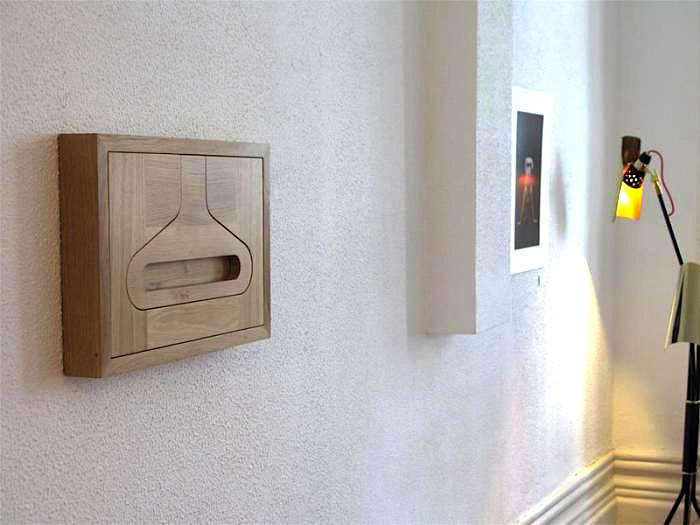
Once upon a time, a valet was a person. A very polished person, usually hovering near a wardrobe, making sure jackets were brushed, shoes behaved themselves, and trousers did not commit crimes against creases. Today, most of us do not have a Jeeves waiting behind the bedroom door. What we do have is a chair buried under “not dirty, not clean, maybe still wearable” clothing, a phone charger that moves like a house gecko, keys that enter witness protection every morning, and a closet that somehow looks both too full and completely useless.
That is where the modern valet comes in. Not the hotel parking kind, although that would be nice when the grocery lot is packed. We are talking about the clothing valet: a compact furniture piece, organizer, wardrobe assistant, entryway station, and daily routine manager rolled into one. It may be a freestanding valet stand, a wall-mounted rack, a slim tray, a bedroom clothes ladder, a valet chair, or even a minimalist hybrid with hooks, shelves, a mirror, and a charging spot. In other words, the valet has been promoted from old-world gentleman’s furniture to modern-life chaos controller.
The best part? A modern valet does not judge you. It simply holds your jacket, welcomes your wallet, protects your watch, catches your keys, lets yesterday’s sweater breathe, and quietly says, “Maybe don’t throw that blazer on the floor like a defeated pirate flag.”
What Is a Modern Valet?
A modern valet is a dedicated place for the personal items you use every day: clothing, shoes, accessories, tech, bags, keys, glasses, jewelry, and sometimes grooming tools. Traditional valet stands were designed mainly for men’s suits, with a shaped hanger for jackets, a trouser bar, a small tray, and sometimes a shoe shelf. Modern versions keep that spirit but update the form for smaller homes, flexible wardrobes, and busier routines.
Today’s valet may live in a bedroom, walk-in closet, hallway, bathroom, dorm room, studio apartment, guest room, or home office. It can be made of wood, powder-coated steel, leather, bamboo, aluminum, acrylic, or a mix of materials. Some are sculptural enough to look like gallery pieces. Others are purely practical, the furniture equivalent of a dependable friend who always has lip balm.
Why the Valet Is Having a Comeback
Modern homes are expected to do too much. The bedroom is a sleeping zone, dressing room, laundry sorting center, work-from-home overflow area, online-shopping receiving department, and occasionally a snack lounge. The entryway is supposed to handle shoes, coats, bags, pet leashes, umbrellas, mail, and that one reusable tote bag full of mystery tote bags. A valet helps by creating one intentional landing zone for daily essentials.
Professional organizers often recommend giving every item a home. The valet does exactly that, but without requiring a full closet renovation, a custom mudroom, or a budget that requires a dramatic conversation with your bank account. It is small, visible, and habit-friendly. You do not need to become a minimalist monk. You just need one place where tomorrow’s outfit and today’s pocket contents can peacefully coexist.
The “Worn but Not Dirty” Problem
Let’s discuss the most emotionally complicated category in domestic life: clothes that have been worn once but are not ready for the laundry. Jeans from a quick coffee run. A sweater worn over a T-shirt. Pajama pants that have seen one movie night but not war. These items do not belong in the hamper yet, but putting them back with fresh clothes feels suspicious. So they migrate to the chair. Then the chair becomes a mountain. Then the mountain becomes part of the room’s geography.
A modern valet solves this by giving those in-between clothes a breathable, temporary place to rest. A trouser bar keeps pants from wrinkling. A hanger keeps jackets shaped. A shelf can hold folded knits. Hooks can handle scarves, belts, caps, or bags. Instead of creating a pile, the valet creates a pause. That pause is the difference between “my room is calm” and “my laundry has formed a government.”
Old-World Ritual, New-World Practicality
The original appeal of the valet was ritual. Clothes were prepared before dressing. Shoes were kept ready. Accessories had a proper place. The process made getting dressed feel deliberate, not frantic. The modern valet brings back that useful ceremony without the aristocratic baggage or the need to say things like “fetch my waistcoat.”
In a modern context, the ritual is simple. At night, empty your pockets into the tray. Hang the pants you may wear again. Set tomorrow’s shirt on the hanger. Put shoes below. Place your watch, earbuds, and wallet where your sleepy morning brain can find them. The next day begins with less searching, less ironing, and fewer moments of standing in a towel wondering where your belt went.
Types of Modern Valets
1. The Classic Freestanding Valet Stand
This is the closest descendant of the traditional gentleman’s valet. It usually has a contoured jacket hanger, trouser bar, accessory tray, and shoe shelf. It is ideal for suits, office outfits, uniforms, jackets, and anyone who likes preparing clothing the night before. Wood versions feel warm and timeless, while metal versions often suit contemporary apartments.
2. The Wall-Mounted Valet
For small spaces, a wall valet is a hero. It may include folding hooks, a slim shelf, a hanging rail, or a small tray. When mounted near a closet or entryway, it turns unused vertical space into a functional station. It is especially helpful in apartments where every square foot has to earn rent.
3. The Valet Chair
A valet chair combines seating with clothing storage. It gives you a place to sit while putting on shoes, while the back of the chair can hold a jacket or trousers. Some vintage versions look charmingly eccentric, like a chair that attended etiquette school. Modern versions are sleeker and work well in bedrooms, dressing corners, or walk-in closets.
4. The Clothes Ladder
A leaning ladder is casual, airy, and easy to move. It can hold scarves, jeans, towels, workout wear, or lightly worn clothes. It is less formal than a suit valet but excellent for renters and small bedrooms. Think of it as the relaxed cousin who brings good snacks to the family gathering.
5. The Valet Tray
Not every valet needs to hold clothing. A valet tray sits on a dresser, nightstand, console, or desk and collects everyday carry items: wallet, keys, coins, glasses, watch, rings, earbuds, and transit cards. It prevents “surface sprawl,” which is the technical design term for “Why is there a receipt from 2021 under my lamp?”
6. The Smart or Tech-Friendly Valet
Modern life comes with cables. A smart valet may include cable management, wireless charging, USB ports, lighting, or a dock for phones and earbuds. It serves the same purpose as the classic valet: preparing you for the day. The difference is that now your “wardrobe” includes battery percentages.
How a Valet Improves Daily Life
A valet is not just furniture. It is a behavioral shortcut. People keep habits when the habit is easy, visible, and satisfying. Dropping keys in a tray is easier than opening a drawer. Hanging pants on a bar is easier than refolding them perfectly. Setting tomorrow’s outfit on a stand is easier than creating a morning fashion crisis while half-awake.
The valet reduces decision fatigue. Instead of asking, “Where are my things?” every morning, you train the room to answer. It also protects clothing. Jackets keep their shape, trousers wrinkle less, and shoes are not kicked into a shadowy corner where dust bunnies hold committee meetings. Over time, this can help garments last longer because they are aired, respected, and not crushed beneath a laptop bag.
Choosing the Right Valet for Your Space
Start With Your Real Routine
Do not buy a valet for the fantasy version of yourself who wears linen suits and writes thank-you notes with a fountain pen. Buy for the real version of yourself. Do you wear business clothes? Choose a stand with a hanger and trouser bar. Do you live in athleisure? A ladder or hooks may be better. Do you lose small items? Prioritize a tray. Do you charge devices overnight? Look for tech-friendly storage.
Measure Before You Fall in Love
A valet should make a room calmer, not create an obstacle course. Measure the available floor or wall space. In a narrow bedroom, choose a slim wall unit or leaning ladder. In a spacious dressing area, a freestanding valet can become a handsome focal point. In an entryway, combine hooks, tray space, and shoe storage.
Match Materials to Your Home
Wood feels warm, classic, and furniture-like. Metal feels modern, durable, and visually lighter. Leather details add softness and grip. Bamboo works well for relaxed, natural interiors. A mixed-material valet can bridge styles, pairing walnut with black steel or oak with brass accents. The goal is not to shout, “I own an organizer!” The goal is to make order look like it was always part of the design.
Think About Visibility
Open storage works best when it is curated. A valet is meant for daily essentials, not your entire wardrobe, three tote bags, two scarves, a winter coat, a yoga mat, and a haunted pile of dry-cleaning receipts. Keep the contents limited. If the valet becomes overloaded, it stops being a valet and starts auditioning for the role of “secondary closet with anxiety.”
Where to Put a Modern Valet
The bedroom is the natural location because it supports dressing and undressing. Place it near a closet, mirror, dresser, or bathroom door. A valet near the bed can hold a robe, slippers, watch, and phone. In a walk-in closet, it becomes a staging area for outfits. In a hallway, it can work as a daily launch pad for coats, keys, bags, and shoes.
For small apartments, the best valet may be vertical. A wall rail with hooks and a shelf can turn a tight corner into a functional drop zone. For guest rooms, a valet stand is surprisingly thoughtful. Guests can hang a jacket, set down jewelry, and avoid living out of a suitcase like they are on a secret mission.
Styling a Valet Without Creating Clutter
A valet should look intentional, not abandoned. Limit it to one outfit or one category of repeat-use clothing. Use a small tray for pocket items. Keep shoes aligned below. Add a mirror nearby if the valet is part of a dressing area. If it is in an entryway, pair it with a small basket for mail or sunglasses, but do not let paper pile up. Paper is the glitter of adulthood: once it spreads, nobody is safe.
Color can help. A black metal valet looks crisp in modern interiors. Natural wood softens white rooms. Brass or bronze details add polish. A simple leather tray can make keys and coins look curated instead of accidentally abandoned. Even the humble act of giving your wallet a place can make a room feel calmer.
The Sustainability Angle
A valet can support more mindful clothing care. Many garments do not need washing after every brief wear. Allowing clothes to air out on a stand or rack can reduce unnecessary laundry, help preserve fabric, and keep garments in rotation longer. That does not mean ignoring hygiene. Socks, underwear, sweaty workout gear, and visibly soiled clothing should go straight to the laundry. But jeans, jackets, wool sweaters, and outer layers often benefit from a pause before washing.
Better clothing care is also better budgeting. When clothes are tossed on floors, crushed in piles, or overwashed, they wear out faster. A valet encourages gentle handling. It is a small piece of furniture with a surprisingly grown-up message: use what you own, care for it properly, and stop letting your blazer moonlight as a rug.
Modern Valet Ideas for Different Lifestyles
For the Office Professional
Choose a classic stand with a broad hanger, trouser bar, tie or belt hook, and shoe shelf. Prepare tomorrow’s outfit before bed. Add a tray for cufflinks, watch, wallet, ID badge, and earbuds. Your morning self will think your evening self deserves a raise.
For the Remote Worker
A wall valet near the bedroom or office can hold a “camera-ready” layer, headphones, glasses, notebook, and charger. It helps separate work gear from sleep space, which is important when your commute is twelve steps and a suspiciously strong coffee.
For the Fitness Lover
A ladder or ventilated rack can hold lightly used hoodies, clean gym layers, or a towel. Avoid storing damp workout clothes too long; they need airflow and laundering. A valet is useful, but it is not a magical anti-smell wizard.
For the Small-Space Dweller
Use a folding wall valet, over-the-door rail, slim tray, or leaning ladder. The key is compact function. A valet should reduce visual clutter, not become the tallest resident in the apartment.
For the Style Enthusiast
A sculptural valet can display a favorite jacket, hat, scarf, or bag like wearable art. This is where design and dressing meet. When done well, the valet becomes part of the room’s personality.
Common Mistakes to Avoid
The first mistake is overloading it. A valet should hold tomorrow, not last month. The second mistake is buying one without considering habits. If you never hang trousers, do not choose a trouser-heavy design. The third mistake is placing it too far from where you undress. Convenience is everything. If the valet is across the room, the chair will win. The chair always plays dirty.
Another mistake is choosing a flimsy model for heavy garments. Coats, boots, and bags need stability. Look for balanced construction, quality joints, smooth hooks, and surfaces that will not snag fabric. A good valet should feel steady, not like it is one scarf away from a dramatic collapse.
Experience Section: Living With a Valet in Real Life
The first week with a modern valet feels almost too simple. You set it near the closet, admire it for seven minutes, and promise to become a person who always prepares outfits in advance. Then real life arrives. You come home tired, drop your keys in the tray, hang your jacket on the stand, and toss your jeans over the bar. The next morning, something strange happens: you find everything. No scavenger hunt. No frantic pocket-checking. No accusing the washing machine of stealing your wallet. The valet has done its quiet little job.
The biggest change is not visual, although the room does look better. The biggest change is mental. A valet removes tiny points of friction. You know where your watch is. You know whether your blazer needs brushing. You can see the sweater you planned to rewear. Your shoes are together instead of separated by a mysterious domestic migration pattern. These small efficiencies create a surprisingly pleasant start to the day.
There is also an emotional benefit. A bedroom with fewer clothing piles feels more restful. The chair becomes a chair again, which is shocking news for anyone who forgot chairs were designed for sitting. The floor looks larger. The closet feels less hostile. Even if the rest of the home is not perfect, one corner becomes controlled, useful, and calm. That kind of order is contagious. Once your pocket items have a tray, you may suddenly want a better mail system, a cleaner nightstand, or a shoe rack that does not look like a footwear avalanche.
A valet also teaches honesty. If three jackets are hanging from it, two pairs of pants are folded over the bar, and the tray contains gum wrappers, receipts, coins, sunglasses, a tape measure, and a battery of unknown origin, the problem is no longer the furniture. The problem is that the valet has been asked to become a closet, command center, and archaeological site. The solution is to reset it. Remove everything that does not belong. Keep only daily-use items. The modern valet works best when it is treated like a helpful assistant, not a storage unit with legs.
For people who enjoy clothes, the valet adds pleasure to the routine. Laying out an outfit can feel creative rather than rushed. A favorite jacket looks better when displayed properly. Shoes last longer when they are not kicked under the bed. Accessories become easier to rotate because they are visible. The valet turns getting dressed into a small ceremony, and modern life could use more ceremonies that do not involve waiting for software updates.
For people who do not enjoy clothes, the valet is just as useful. It reduces choices. It keeps essentials ready. It prevents mess from spreading. You do not need to care about fashion to appreciate the joy of knowing exactly where your keys are at 7:42 a.m. That is not style. That is survival with better furniture.
Conclusion: The Small Furniture Piece That Acts Like a System
A valet for the modern age is not about pretending we live in a grand manor with a bell pull and a breakfast tray. It is about making daily life smoother. The modern valet respects the reality of small spaces, mixed wardrobes, hybrid work, frequent device charging, and the eternal mystery of clothes that are not quite clean and not quite dirty.
Whether you choose a classic suit stand, a wall-mounted organizer, a valet tray, a clothes ladder, or a smart charging station, the principle is the same: create one elegant landing place for the things that help you leave the house, enter the day, and return home without scattering your belongings like confetti. It is simple. It is stylish. It is practical. And unlike a real valet, it never needs a day off.
Note: This article is written in original American English and synthesized from real design, furniture, organization, and clothing-care information without inserting source links.