

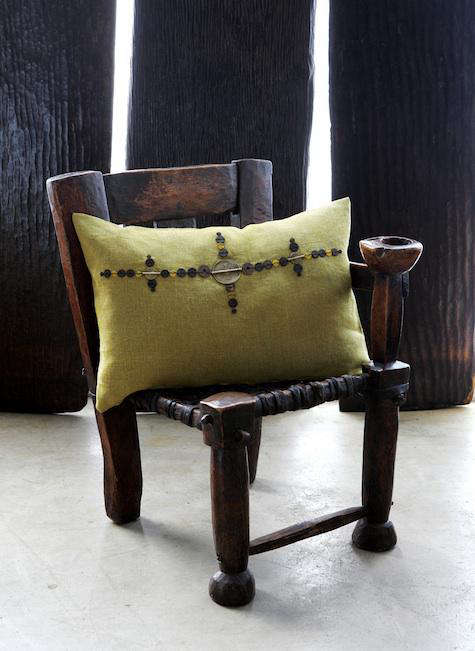
Some accessories whisper. Some sparkle politely. And then there are the pieces from Bead Design Studio in Johannesburgthe kind of handcrafted cushions, throws, and wall hangings that walk into a room before you do, rearrange the mood, and politely ask the sofa to sit up straight.
Based in Kramerville, one of Johannesburg’s most active design districts, Bead Studio is not a typical accessories brand selling predictable decorative add-ons. It is a bespoke soft-furnishing studio where hand-dyed linen, African trade beads, glass seed beads, embroidery, texture, and color are treated like serious design ingredients. The result is a collection of handmade home accessories that feel luxurious without being stiff, contemporary without losing cultural memory, and artistic without demanding museum-level silence around the throw pillows.
The studio’s work sits at the beautiful intersection of interior design, African craft heritage, and slow-made luxury. For designers, architects, hotel decorators, lodge owners, and homeowners who want a space with personality, Bead Design Studio offers something more compelling than mass-produced décor: accessories with evidence of human hands, patient technique, and thoughtful collaboration.
What Is Bead Design Studio in Johannesburg?
Bead Design Studio, often known simply as Bead Studio, is a Johannesburg-based bespoke soft-furnishing manufacturer specializing in handmade cushions, throws, wall hangings, and decorative textile accessories. The studio is located in Kramerville, Sandton, an area widely associated with interior design showrooms, décor suppliers, and creative studios.
Its signature approach combines hand-dyed linens with beadwork, embroidery, and textile detailing inspired by African visual traditions. Instead of treating beads as a little garnish sprinkled on toplike craft glitter at a kindergarten tablethe studio uses them as a design language. A line of beads may define a motif. A field of glass seed beads may add quiet shimmer. An old African trade bead may become the anchor of an entire color story.
The work is especially attractive to interior designers because it can be customized. Clients bring mood boards, color swatches, project references, or room concepts, and the studio develops one-off accessories that fit the space. That might mean a dramatic beaded cushion for a boutique hotel suite, a hand-dyed throw for a safari lodge, or a wall hanging that brings texture to a modern apartment without making the room feel like it is trying too hard.
Why Beaded Accessories Matter in Interior Design
Accessories often get treated as the final step in decorating: the “quick, we need something on this chair” stage. But in strong interiors, accessories are not afterthoughts. They are the details that make a room feel finished, layered, and lived in. Beaded accessories are especially powerful because they combine color, surface, pattern, and light.
A plain cushion adds softness. A beaded cushion adds softness and movement. As daylight changes, beadwork catches and releases tiny reflections, giving the piece a subtle sense of animation. In a neutral room, that shimmer can prevent the design from feeling flat. In a richly layered room, beadwork can echo metal finishes, artwork, woven baskets, ceramics, or patterned textiles.
Bead Design Studio understands this decorative power. Its pieces are not loud for the sake of being loud. They use detail strategically. Brass and gold beads can warm up linen. Amber beads can deepen an earthy palette. Crystal and glass beads can add evening glamour to a lounge or bedroom. Embroidered motifs can introduce rhythm without overwhelming the furniture.
The Johannesburg Design Connection
Johannesburg is a city of energy, contrast, and reinvention. Its design scene reflects that same character: polished but not precious, urban but deeply connected to African craft traditions. Kramerville, where Bead Studio operates, has become a natural home for makers and interior specialists because it gathers showrooms, workshops, fabric houses, furniture brands, and creative professionals in one design-focused neighborhood.
That location matters. A studio making bespoke accessories benefits from being close to designers who are actively specifying fabrics, finishes, furniture, and decorative objects. When a decorator is working on a hotel, lodge, private residence, or restaurant, being able to visit the studio, compare swatches, choose beads, and sketch ideas in person can transform the final product.
Bead Studio’s work also reflects Johannesburg’s broader creative personality. It is sophisticated, but it does not erase the handmade. It is global in appeal, but it remains rooted in local production. The pieces can travel beautifully to New York, London, Sydney, the Maldives, or the Hamptons, yet they still carry the imprint of a Johannesburg workshop where fabric is dyed, cut, stitched, beaded, checked, wrapped, and sent out into the world.
Hand-Dyed Linen: The Foundation of the Look
Before the beads arrive, the fabric has to do its job. Bead Studio uses hand-dyed linen as a central material, and that choice is important. Linen has a relaxed, natural texture that looks better when it is allowed to breathe. It does not need to behave like a stiff showroom sample. It can rumple slightly, soften with use, and create the kind of understated luxury that feels expensive without shouting, “Please admire my thread count.”
Hand dyeing gives the studio more control over color. Instead of relying only on off-the-shelf fabric shades, the team can respond to a client’s palette. If an interior designer needs a smoky blue, a sun-faded ocher, a quiet gray, or a deep earthy tone that sits between clay and cocoa, hand dyeing allows more nuance. The resulting color is often richer and less mechanical than mass-produced fabric.
This is especially useful in high-end interiors. A hotel suite, lodge, or private home may already have stone, timber, leather, woven grass, metal, wallpaper, and artwork competing for attention. A custom-dyed textile can connect those elements, making the accessory feel integrated rather than randomly placed.
The Beauty of Beadwork: Old Traditions, New Interiors
Beadwork has a long history across southern Africa, where beads have been used for adornment, communication, status, ceremony, and storytelling. Zulu and Ndebele beadwork, in particular, are known for strong color, geometry, and symbolic meaning. Contemporary designers now reinterpret these traditions in fresh ways, using beads not only for jewelry and dress but also for art, sculpture, fashion, furniture, and home accessories.
Bead Design Studio belongs to this contemporary movement. Its accessories do not simply copy traditional patterns and paste them onto cushions. Instead, the studio draws inspiration from old trade beads, African textiles, and heritage motifs, then reworks them for modern interiors. The effect is respectful but current. Think less “souvenir shelf” and more “boutique lodge with excellent lighting and a very confident designer.”
Glass seed beads, African trade beads, embroidery stitches, and textured embellishments bring different personalities to a piece. Seed beads can create precision and sparkle. Trade beads bring age, irregularity, and character. String stitching can add linear movement. Hand embroidery introduces softness and boldness at the same time. Together, these techniques create accessories that invite a closer look.
What the Studio Makes
Bespoke Cushions
Cushions are perhaps the most recognizable Bead Studio accessory. They can act as statement pieces on sofas, beds, lounge chairs, benches, or reading corners. Unlike generic cushions that rely only on printed pattern, these pieces use surface detail. Beads, hand stitching, linen texture, and color variation give each cushion depth.
A beaded cushion works especially well in rooms that need one strong focal point. Place it on a neutral linen sofa, and suddenly the whole seating area has a pulse. Pair it with leather, timber, or stone, and the beadwork softens the architecture. Use several in a hotel suite, and the room gains a sense of place without requiring a giant “Welcome to Africa” sign over the headboard. Subtlety, thankfully, remains legal.
Throws
Throws add scale and movement. A hand-dyed throw can soften the edge of a bed, warm up a reading chair, or bring color to a minimalist room. When beadwork or embroidery is added, the throw becomes more than a comfort layer. It becomes a decorative textile with presence.
For lodges and boutique hotels, throws are practical design tools. Guests notice them. They photograph well. They add texture to rooms that might otherwise rely heavily on hard finishes. Most importantly, they make a space feel curated rather than assembled from a catalog at midnight by someone with three browser tabs and declining patience.
Wall Hangings
Wall hangings are ideal for interiors that need texture but not another framed print. Beaded and embroidered textile pieces can bring warmth to large walls, soften acoustics, and introduce handmade artistry. In contemporary interiors, wall hangings can also bridge the gap between art and décor.
This is where Bead Studio’s craft-led approach becomes especially compelling. A wall hanging can carry pattern, beadwork, hand-dyed color, and textile movement in a way that feels architectural. It can support a room’s concept without overpowering it.
The Bespoke Process: From Mood Board to Finished Piece
One reason Bead Design Studio stands out is its collaborative process. Bespoke design is not about picking item number 47B in “sand beige” and hoping for the best. It is about conversation, adjustment, and creative problem-solving.
A typical project begins with research and conceptualization. The client may bring fabric swatches, paint references, photographs, architectural drawings, or mood boards. The studio then develops ideas that support the interior scheme. Color is considered carefully. Scale matters. Bead choice matters. Even the placement of a motif can change how formal, playful, dramatic, or relaxed a piece feels.
Next comes execution. Fabric is dyed, cut, and prepared. Beads are selected. Embroidery and handwork are applied. The studio’s team includes skilled beaders, seamstresses, dyers, and production specialists, which is essential because handmade luxury depends on both creativity and discipline. A cushion can be charmingly relaxed in appearance, but the construction still has to be strong, balanced, and professionally finished.
Finally, the work is checked, packaged, and shipped. The handmade nature of the studio’s pieces does not mean casual quality control. Quite the opposite: when every item is unique, every item must be considered on its own terms.
Who Should Consider Bead Studio Accessories?
Bead Design Studio is a strong fit for interior designers, architects, hospitality projects, lodge owners, boutique hotel developers, and homeowners who want custom soft furnishings with artistry and cultural depth. It is not the best match for someone who wants the cheapest cushion available by Friday. Handmade beadwork requires time, skill, and patience. If fast and forgettable is the goal, there are plenty of beige rectangles in the world waiting bravely on clearance shelves.
But for projects where atmosphere matters, these accessories make sense. A safari lodge can use them to create a refined connection to place. A city apartment can use them to add warmth and identity. A boutique hotel can use them to distinguish rooms from chain-hotel sameness. A private residence can use them to add heirloom-level detail without becoming overly formal.
How to Style Beaded Accessories at Home
Start With One Statement Piece
If you are new to beaded décor, begin with one strong cushion or textile. Let it be the hero. Surround it with simpler linens, cottons, leathers, or wools. This keeps the room from looking like it lost a fight with a craft drawer.
Repeat One Color Elsewhere
Good styling often depends on repetition. If a beaded cushion includes brass, echo that tone in a lamp, picture frame, tray, or side table detail. If the beads include amber, repeat the warmth through timber, ceramics, or artwork.
Mix Texture, Not Chaos
Beadwork pairs beautifully with natural materials: linen, raw silk, leather, cane, rattan, stone, clay, and wood. The trick is to vary texture while keeping the palette controlled. Too many competing patterns can make the room feel restless. A beaded accessory should look collected, not confused.
Use Beads for Evening Drama
Beads respond beautifully to low light. In bedrooms, lounges, restaurants, and hotel suites, a little shimmer can create a warm evening atmosphere. Place beaded cushions where they will catch lamplight, candlelight, or soft side lighting. Suddenly, the room has depthand your cushion has better stage presence than most dinner guests.
Why Handmade Accessories Feel Different
Handmade accessories have small variations that machine-made products usually erase. A hand-dyed textile may have subtle tonal shifts. A beaded motif may carry the rhythm of the person who made it. Embroidery may reveal a slight tension in the thread that gives the surface life.
These differences are not flaws. They are the reason handmade pieces feel alive. In a world full of identical products, a custom beaded cushion or textile has a quiet kind of rebellion built into it. It says, “Someone made this slowly.” That matters.
Slow design also encourages better buying habits. Instead of replacing accessories every season because trends changed, buyers can invest in pieces that hold emotional and visual value. A handmade beaded cushion is not just a decorative object. It can become part of the story of a room.
The Luxury of Cultural Texture
The most successful contemporary interiors are rarely sterile. They have layers: old and new, smooth and textured, local and global, refined and imperfect. Bead Design Studio’s work fits this kind of layered luxury because it brings cultural texture into modern spaces without turning heritage into costume.
That balance is important. African-inspired design has sometimes been reduced to clichés: animal prints, carved masks, and a suspicious number of faux safari props. Bead Studio’s approach is more sophisticated. It works with material, pattern, hand process, and collaboration. The result is not themed décor. It is design with roots.
Experience Notes: Living With Bead Design Studio Accessories
To understand the appeal of Bead Design Studio in Johannesburg, imagine planning a room where every major piece is already beautiful, but something is still missing. The sofa is handsome. The rug is right. The walls are painted the correct shade of “designer whisper.” Yet the room feels a little too composed, like it is waiting for permission to relax. This is where a handcrafted beaded accessory can change everything.
A beaded cushion does not simply fill space. It creates a moment. You notice the linen first: soft, earthy, slightly irregular in the best possible way. Then the beadwork catches the light. Maybe it is a circle motif, a line of brass beads, a cluster of amber tones, or a pattern inspired by old trade beads. The detail pulls you closer. You begin to see the work behind the object, and the room suddenly feels less decorated and more inhabited.
The experience of choosing a piece is just as important. For a designer visiting the studio in Kramerville, the process can feel like stepping into a working conversation. There are colors to compare, beads to handle, fabrics to examine, and ideas to test. A mood board that looked flat on paper can become more vivid when placed beside real linen and bead samples. This is the advantage of a studio-led process: decisions are not abstract. They are tactile.
For hospitality projects, the experience extends to guests. A traveler arriving at a lodge or boutique hotel may not know the name of the studio that made the cushion on the bed, but they will feel the difference. Handmade details tell guests that the space was considered carefully. They suggest that the room belongs somewhere specific, not everywhere at once. In luxury travel, that sense of place is priceless.
At home, these accessories reward slower attention. You might notice one detail in morning light and another in the evening. A beaded throw at the foot of a bed can make the whole room feel warmer. A wall hanging can soften a hallway. A single cushion can rescue an armchair from terminal dullness. Yes, terminal dullness is a serious design condition, and no, throw pillows are not always enoughbut in this case, they make a strong medical argument.
The practical experience is also worth considering. Beaded accessories should be treated with care. They are not ideal for pillow fights, pet wrestling matches, or toddlers conducting grape-juice experiments in the name of science. They belong in spaces where people appreciate craft and understand that handmade objects deserve respect. That does not mean they are too precious to use. It means they should be used thoughtfully.
Perhaps the best experience Bead Studio offers is the feeling that an accessory can be both functional and artistic. A cushion can support your back and carry a design story. A throw can warm a bed and add handmade texture. A wall hanging can decorate a room and honor craft traditions. That dual purpose is what makes the studio’s work so memorable.
Conclusion
Bead Design Studio in Johannesburg proves that accessories can do much more than match the curtains. Through hand-dyed linen, detailed beadwork, embroidery, and bespoke collaboration, the studio creates soft furnishings that bring richness, drama, warmth, and individuality to interiors. Its work is rooted in African craft traditions but shaped for contemporary spaces, making it especially valuable for designers, architects, hospitality projects, and homeowners who want décor with genuine character.
In a design market crowded with mass-produced sameness, Bead Studio offers something slower, more textured, and more memorable. These are not accessories that simply sit quietly in a corner. They contribute to the room. They catch the light. They invite touch. They tell a story. And, best of all, they do it without needing to shout.
Note: This article is written from synthesized public information and broader design-market context, with source links intentionally omitted for publication-ready formatting.