

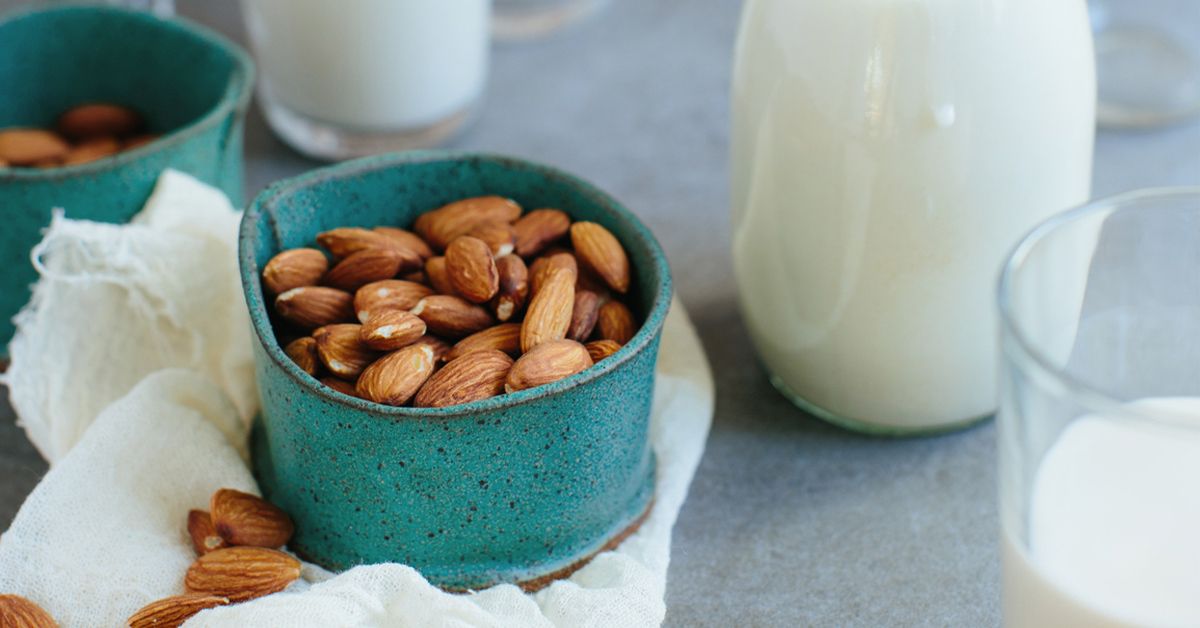
Almond milk has gone from “that carton hiding beside the soy milk” to a full-blown refrigerator celebrity. It shows up in smoothies, coffee shops, overnight oats, cereal bowls, protein shakes, and the occasional ambitious pancake batter. But popularity does not automatically equal health food status. French fries are popular too, and no one is calling them a wellness retreat in potato form.
So, what exactly is almond milk? Is almond milk healthy? Is it better than cow’s milk, oat milk, soy milk, or the mysterious carton your roommate bought because the label looked “clean”? The honest answer is: almond milk can be a healthy choice for many people, but it depends heavily on the type you buy, how you use it, and what nutrients you expect it to provide.
This guide breaks down almond milk nutrition, benefits, possible drawbacks, label-reading tips, and real-life ways to use it without pretending it is magical almond juice sent from the heavens.
What Is Almond Milk?
Almond milk is a plant-based milk alternative made by blending almonds with water and then straining out most of the almond solids. Commercial almond milk usually contains water, almonds, added vitamins and minerals, salt, stabilizers, and sometimes sweeteners or flavors such as vanilla or chocolate.
In its simplest form, almond milk is dairy-free, lactose-free, and naturally free from cholesterol. That makes it attractive for people who avoid dairy because of lactose intolerance, milk allergy, vegan eating patterns, religious dietary preferences, or personal taste. It also has a mild, slightly nutty flavor that plays nicely with coffee, cereal, smoothies, and baked goods.
How Almond Milk Is Made
Homemade almond milk is usually made by soaking almonds, blending them with fresh water, and straining the mixture through a nut milk bag or fine mesh cloth. The result is creamy and fresh, but it is not automatically nutritionally equal to store-bought fortified almond milk.
Commercial almond milk is typically produced on a larger scale with controlled blending, filtering, pasteurization, and fortification. Fortification matters because many brands add calcium, vitamin D, vitamin A, vitamin E, or vitamin B12. Without fortification, almond milk is mostly water with a little almond flavor and a polite wave from some nutrients.
Almond Milk Nutrition: What Is in a Cup?
The nutrition profile of almond milk varies widely by brand, flavor, and fortification. A typical cup of unsweetened almond milk is low in calories, low in sugar, low in saturated fat, and low in protein. Many fortified versions provide calcium and vitamin D, but you need to check the Nutrition Facts label because not all cartons are created equal.
In general, unsweetened almond milk may contain around 30 to 40 calories per cup, about 1 gram of protein, a few grams of fat, and little to no added sugar. Sweetened or flavored versions can contain more calories and added sugars. Fortified brands may provide calcium levels similar to or even higher than dairy milk, while unfortified versions may provide much less.
Key Nutrients Often Found in Fortified Almond Milk
Calcium: Many commercial almond milks are fortified with calcium to support bones and teeth. However, calcium content differs by brand, and absorption can vary depending on the type of calcium used and the overall diet.
Vitamin D: Some almond milk brands add vitamin D, which helps the body use calcium and supports bone health. Since vitamin D is not naturally high in most foods, fortified beverages can be useful.
Vitamin E: Almonds naturally contain vitamin E, an antioxidant nutrient. Some almond milk provides vitamin E too, although the amount depends on how much almond content remains after processing and whether the product is fortified.
Protein: This is where almond milk gets humbled. Most almond milk contains only about 1 gram of protein per cup. Cow’s milk and soy milk usually contain much more. If you are using almond milk as your main milk replacement, protein is the nutrient you must make up elsewhere.
Is Almond Milk Healthy?
Yes, almond milk can be healthy, especially when it is unsweetened and fortified. It can fit well into a balanced diet, particularly for people who want a dairy-free, lactose-free, lower-calorie beverage. But almond milk is not automatically the healthiest choice for everyone, and it is not nutritionally identical to dairy milk.
The healthiest almond milk is usually unsweetened, fortified with calcium and vitamin D, and made with a short ingredient list. The least helpful versions are often sweetened, dessert-flavored, low in nutrients, and marketed with the confidence of a motivational speaker wearing yoga pants.
Health Benefits of Almond Milk
1. It Is Naturally Dairy-Free and Lactose-Free
For people with lactose intolerance, almond milk can be a comfortable alternative. Lactose intolerance can cause digestive discomfort after consuming dairy products, so a lactose-free plant-based drink may be easier to tolerate. Almond milk is also suitable for vegan diets because it contains no animal-derived ingredients, unless a specific brand adds something unusual, which is why label reading remains your best friend.
2. Unsweetened Almond Milk Is Low in Added Sugar
Unsweetened almond milk is often very low in sugar. This makes it a useful option for people watching added sugar intake or trying to avoid sweetened drinks. However, vanilla, chocolate, and “original” versions may contain added sugar, so never judge a carton by its cozy beige branding.
3. It Is Usually Low in Saturated Fat
Almond milk is typically low in saturated fat. Replacing higher-saturated-fat foods with options that contain more unsaturated fats can support heart-conscious eating patterns. Almonds themselves contain mostly unsaturated fats, which are commonly associated with heart-friendly dietary patterns when consumed as part of an overall balanced diet.
4. Fortified Almond Milk Can Support Bone Health
Fortified almond milk may provide calcium and vitamin D, two nutrients closely connected with bone health. This is one reason many people use it in cereal, smoothies, or coffee. Still, the key word is “fortified.” Homemade almond milk and some boutique-style refrigerated products may not contain much calcium or vitamin D unless added separately.
5. It Can Help Reduce Calories in Some Meals
Because unsweetened almond milk is usually lower in calories than many dairy and plant-based alternatives, it can be helpful for people who want a lighter beverage in smoothies, coffee, or oatmeal. For example, swapping a sweetened coffee creamer for unsweetened almond milk can lower added sugar and calories without making your morning coffee taste like a punishment.
Potential Downsides of Almond Milk
Almond milk has benefits, but it also has limitations. The big mistake is treating it as a perfect one-to-one replacement for dairy milk in every nutritional situation. It is not. Almond milk is more like a supporting actor: useful, pleasant, and dependable in the right role, but not meant to carry the entire nutrition movie by itself.
1. Almond Milk Is Low in Protein
Most almond milk contains very little protein. This matters for children, athletes, older adults, people trying to build or maintain muscle, and anyone relying on milk as a meaningful protein source. If your breakfast is cereal with almond milk and nothing else, you may feel hungry again quickly because the meal is light on protein.
To balance this, pair almond milk with protein-rich foods such as Greek yogurt, eggs, tofu, beans, lentils, nuts, seeds, fish, poultry, lean meat, or protein-rich plant foods. For a smoothie, add peanut butter, chia seeds, soy yogurt, protein powder, or silken tofu if appropriate for your diet.
2. Sweetened Versions Can Add Unnecessary Sugar
Some almond milk tastes delicious because it has added sugar. That does not make it evil; it just means it is closer to a sweet beverage than a neutral milk alternative. A glass of chocolate almond milk can be enjoyable, but using sweetened almond milk every day in coffee, cereal, and smoothies may quietly raise added sugar intake.
Look for “unsweetened” on the front label and confirm “0g added sugars” on the Nutrition Facts panel. The front of the carton is where marketing does tap dancing. The Nutrition Facts label is where the truth takes off its shoes and gets comfortable.
3. Not All Almond Milk Is Fortified
Fortification is one of the biggest differences between brands. Some almond milks contain meaningful calcium and vitamin D; others contain very little. If you are replacing dairy milk, choose a product fortified with calcium and vitamin D. Vitamin B12 may also be useful for people following vegan diets.
4. It Is Not Ideal for People With Tree Nut Allergies
Almond milk is made from almonds, which are tree nuts. People with tree nut allergies should avoid almond milk unless a qualified healthcare professional says otherwise. For allergy-friendly alternatives, some people may consider oat, rice, soy, pea, or other plant-based milks, depending on individual allergies and nutrition needs.
5. It May Not Be the Best Main Milk for Young Children
Children have specific nutrition needs for growth, including protein, fat, calcium, vitamin D, and other nutrients. Almond milk is often too low in protein to be used as a main milk replacement for young children unless carefully planned with professional guidance. Parents should speak with a pediatrician or registered dietitian before using almond milk as a primary milk substitute for toddlers or young children.
Almond Milk vs. Cow’s Milk
Almond milk and cow’s milk are often compared, but they are nutritionally different beverages. Cow’s milk naturally contains protein, calcium, potassium, phosphorus, riboflavin, vitamin B12, and is commonly fortified with vitamin D. Almond milk is usually lower in calories and saturated fat, but also much lower in protein unless specially formulated.
If your main goal is protein, cow’s milk or fortified soy milk usually has the advantage. If your goal is a lactose-free, lower-calorie drink for coffee or smoothies, unsweetened almond milk may work beautifully. If your goal is bone-supporting nutrients, compare calcium and vitamin D on the label instead of assuming all milks are nutritionally equal.
Almond Milk vs. Soy Milk, Oat Milk, and Other Plant Milks
Among plant-based milks, soy milk is often closest to cow’s milk in protein content. Oat milk is creamier and popular in coffee, but it may be higher in carbohydrates and calories. Pea protein milk can be high in protein, depending on the brand. Coconut milk beverage may be creamy but can contain more saturated fat. Rice milk is usually mild and allergy-friendly for some people, but it is often low in protein.
Almond milk stands out for being light, mild, low in calories, and easy to use. It does not stand out for protein. So the best plant milk depends on what you need: protein, creaminess, low sugar, low calories, allergy considerations, or cooking performance.
How to Choose the Healthiest Almond Milk
The healthiest almond milk for most adults is usually unsweetened, fortified, and simple. Here is what to check before the carton lands in your cart:
Choose Unsweetened
Look for the word “unsweetened” and check that added sugars are listed as 0 grams. This is especially useful if you use almond milk daily in coffee, cereal, oatmeal, or smoothies.
Check Calcium and Vitamin D
If almond milk is replacing dairy milk in your diet, choose a brand fortified with calcium and vitamin D. Some products also include vitamin A, vitamin E, and vitamin B12.
Look at Protein
Most almond milk is low in protein. If protein matters to you, choose soy milk, pea protein milk, dairy milk, or a higher-protein almond blend. Another option is to keep almond milk but add protein elsewhere in the meal.
Watch the Ingredient List
Many almond milks include gums or stabilizers to improve texture. These ingredients are generally used in small amounts, but some people prefer fewer additives or notice digestive sensitivity. If that is you, look for a simpler ingredient list.
Shake Before Pouring
Fortified nutrients can settle at the bottom of the carton. Shake the container before pouring, unless you enjoy saving all the calcium for the last weirdly chalky sip.
Best Ways to Use Almond Milk
Almond milk is extremely versatile. Its mild flavor makes it easy to use in both sweet and savory recipes, although it behaves differently from dairy milk in some cooking situations.
In Coffee
Almond milk works well in hot or iced coffee, especially if you like a lighter texture. Barista-style almond milk usually foams better than standard almond milk because it is formulated for steaming and frothing.
In Smoothies
Unsweetened almond milk is excellent in smoothies because it blends smoothly without overpowering fruit, greens, nut butter, or cocoa powder. For a balanced smoothie, combine almond milk with protein, fiber, and healthy fats.
In Oatmeal and Cereal
Almond milk gives oatmeal a mild nutty flavor. It also works in cold cereal, though low-protein cereals plus almond milk may not keep you full for long. Add nuts, seeds, Greek yogurt, or a boiled egg on the side if you need more staying power.
In Baking
Almond milk can often replace dairy milk in muffins, pancakes, quick breads, and cakes. Use unsweetened plain almond milk for savory recipes and unsweetened vanilla almond milk for desserts when the flavor fits.
In Soups and Sauces
Plain unsweetened almond milk can work in creamy soups or sauces, but it is thinner than cream and may not provide the same richness. Avoid vanilla almond milk in savory dishes unless you want your broccoli soup to taste like it is having an identity crisis.
Who Should Consider Almond Milk?
Almond milk may be a good fit for adults who want a dairy-free drink, people with lactose intolerance, vegans, those looking for a lower-calorie milk alternative, or anyone who simply likes the taste. It can also be useful for people trying to reduce added sugars, as long as they choose unsweetened varieties.
People who need more protein, people with tree nut allergies, and parents choosing milk alternatives for young children should be more cautious. In those cases, almond milk may still have a place, but it should not be treated as the default best choice without considering the full diet.
Common Myths About Almond Milk
Myth 1: Almond Milk Has the Same Nutrition as Almonds
Nope. Whole almonds are rich in healthy fats, fiber, protein, magnesium, and vitamin E. Almond milk contains some almond-derived nutrients, but much of the almond solids are strained out. Think of almond milk as almond-inspired, not a liquid handful of almonds.
Myth 2: All Plant Milks Are Healthier Than Dairy Milk
Not necessarily. Some plant milks are lower in protein and may contain added sugars. Others are well fortified and useful. Health depends on the full nutrition profile, not whether the beverage came from a cow, bean, nut, oat, or marketing department.
Myth 3: Homemade Almond Milk Is Always Better
Homemade almond milk can taste fresh and delicious, but it is usually not fortified with calcium or vitamin D. If you rely on almond milk for key nutrients, store-bought fortified versions may be more practical.
Practical Experience: What It Is Like to Use Almond Milk Every Day
Using almond milk in real life is less about nutrition theory and more about habits. The first thing many people notice is the taste: it is mild, slightly nutty, and lighter than cow’s milk. That makes it easy to drink, but it can also feel thin if you are used to whole milk or creamy oat milk. In coffee, regular almond milk may separate a little, especially in very hot or acidic coffee. Barista blends usually behave better, but they may contain extra oils or stabilizers, so the label still matters.
For breakfast, almond milk works nicely in smoothies. A banana, frozen berries, spinach, almond milk, and peanut butter can taste like a dessert that accidentally got a gym membership. But because almond milk is low in protein, the smoothie may not keep you full unless you add protein. This is where many people go wrong. They switch from dairy milk to almond milk, keep the rest of breakfast the same, and then wonder why they are hungry by 10:17 a.m. The almond milk did not betray them; it was never hired to be the protein manager.
In oatmeal, almond milk adds a pleasant flavor and helps create a soft texture. For a more satisfying bowl, add chia seeds, ground flaxseed, walnuts, Greek yogurt, or a spoonful of nut butter. In cereal, almond milk is refreshing and light, but the same protein issue applies. If the cereal is mostly refined grains and sugar, almond milk will not magically turn it into a balanced meal. It is a beverage, not a tiny nutrition wizard.
In baking, almond milk is usually easy to use. Pancakes, muffins, waffles, and quick breads often turn out well when dairy milk is replaced with unsweetened almond milk. The flavor is subtle enough that most people will not notice. In savory cooking, choose plain unsweetened almond milk only. Vanilla almond milk in mashed potatoes is the kind of kitchen plot twist nobody requested.
One practical tip is to buy almond milk based on use. For coffee, try a barista-style version. For smoothies, use unsweetened plain almond milk. For cereal, choose fortified almond milk with calcium and vitamin D. For baking, keep an inexpensive shelf-stable carton in the pantry. Also, shake the carton well before pouring because fortified minerals can settle. This small move helps you get more consistent nutrition and texture.
Another real-life lesson is that brand differences are huge. One carton may taste clean and nutty; another may taste like someone whispered “almond” into a glass of water. Some are creamy, some are watery, some foam beautifully, and some give up immediately when introduced to coffee. Trying a few brands is normal. The best almond milk is the one that fits your nutrition needs, tastes good, and does not require you to negotiate with your breakfast.
For people who are new to almond milk, the smartest transition is gradual. Start by using it in coffee or smoothies rather than replacing every dairy product at once. Pay attention to fullness, digestion, taste, and total protein intake. If the rest of your diet already includes enough protein and minerals, almond milk may fit easily. If milk was your main source of protein, calcium, and vitamin D, choose fortified almond milk and adjust your meals accordingly.
Final Verdict: Is Almond Milk Healthy?
Almond milk can be a healthy choice, especially when it is unsweetened and fortified with calcium and vitamin D. It is dairy-free, lactose-free, low in saturated fat, and often low in calories. It works well in coffee, smoothies, cereal, oatmeal, and baking.
However, almond milk is not a perfect replacement for cow’s milk because it is usually much lower in protein. Sweetened versions can add unnecessary sugar, and unfortified versions may not provide the nutrients people expect from a milk alternative. For most adults, the best approach is simple: choose unsweetened fortified almond milk, read the label, and make sure the rest of your diet covers protein and essential nutrients.
In other words, almond milk is healthy when used wisely. It is not a miracle drink, a protein powerhouse, or a substitute for an entire balanced diet. But as a light, versatile, plant-based beverage, it has earned its spot in the fridgepreferably next to actual food.
Note: This article is written for general educational purposes and is based on current nutrition information from reputable U.S. health, food, and nutrition sources. Readers with allergies, medical conditions, or special dietary needs should consult a qualified healthcare professional.