

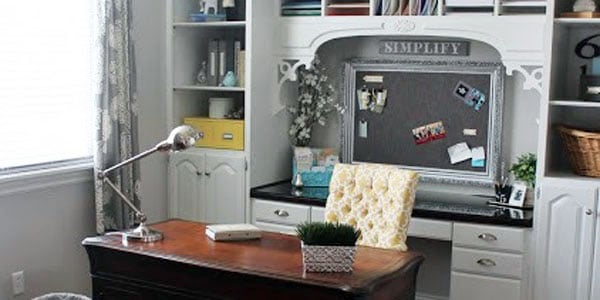
Let’s be honest: most home offices do not begin their lives as dreamy productivity sanctuaries. They begin as “that room where the printer lives,” a folding table with a laptop, a chair that makes your back file a formal complaint, and a mysterious pile of cords that appears to be breeding. The good news? You do not need a designer budget to create a workspace that looks polished, feels comfortable, and actually helps you get things done.
This guide walks you through an amazing office redo on a $500 budget, complete with a practical tutorial, shopping strategy, layout advice, DIY upgrades, and real-life lessons from budget-friendly home office makeovers. The goal is simple: create a functional, stylish, cozy office without accidentally spending the grocery budget on one decorative basket named “artisan woven storage solution.”
Whether you work from home full-time, run a side hustle, study, craft, write, manage family paperwork, or simply need a quiet command center, a $500 office makeover can go surprisingly far when you spend with intention. The secret is not buying everything new. It is knowing what matters most: paint, lighting, storage, desk function, seating comfort, and a few personality pieces that make the space feel like yours.
Why a $500 Office Redo Is Totally Possible
A $500 home office makeover sounds tight, but it is actually a powerful creative boundary. When the budget is unlimited, it is easy to overspend on trendy pieces that do not solve real problems. When the budget is fixed, every dollar has a job. Suddenly, the old bookshelf looks less like clutter and more like “vertical storage potential.” That boring desk becomes a candidate for paint, peel-and-stick paper, or new hardware. The sad wall becomes an opportunity for a gallery wall, cork board, or floating shelves.
The most successful budget office redo starts with a clear plan. Before buying anything, decide what is broken about the space. Is the room too dark? Is there no storage? Is the desk too small? Are papers taking over like tiny white office weeds? Once you identify the real problems, you can spend your $500 where it will make the biggest difference.
The $500 Home Office Makeover Budget Breakdown
Here is a sample budget that works for many small to medium office spaces. Prices will vary depending on what you already own, what you thrift, and how aggressively you hunt for deals.
Sample Budget Plan
- Paint and supplies: $60–$90
- Desk upgrade or DIY desktop: $75–$150
- Chair cushion, secondhand chair, or ergonomic upgrade: $50–$125
- Storage shelves, bins, baskets, or file boxes: $75–$120
- Lighting: $30–$75
- Rug, curtains, art, plants, and accessories: $75–$120
- Hardware, cord management, and small tools: $25–$50
The budget works best when you reuse at least one major item. If you already have a desk, keep it and spend more on storage or lighting. If you already own a decent chair, refresh the room with paint, shelves, and a rug. If your office is mostly empty, prioritize the desk, chair, and lighting first, then decorate slowly.
Step 1: Empty the Office and Edit Like a Ruthless Librarian
Before any beautiful transformation begins, there is a slightly dramatic clearing-out phase. Remove everything from the office if possible. If not, move everything into the center of the room and sort by category: paperwork, electronics, books, office supplies, decor, random cables, and mysterious items you forgot you owned.
Create four piles: keep, donate, relocate, and toss. Be honest. You do not need seven dried-out highlighters, a manual for a printer you no longer own, or a drawer full of cords that may belong to technology from the early dinosaur era. A budget makeover looks better immediately when clutter leaves the room.
Once the room is empty, clean the baseboards, patch holes, wipe down surfaces, and vacuum corners. This is the unglamorous step that makes everything else look more expensive. Paint looks better on clean walls. Shelves sit straighter when the room is not crowded. Your future self will thank you, probably while sipping coffee at your new desk like a responsible adult.
Step 2: Choose a Color Palette That Works Hard
Paint is one of the cheapest ways to transform an office. For around the cost of a restaurant dinner, you can make a room feel brighter, calmer, moodier, warmer, or more sophisticated. For a budget office redo, choose a palette with one main wall color, one accent color, and two supporting neutrals.
Light warm neutrals such as creamy white, soft beige, pale gray, and greige can make a small office feel open and flexible. Deep colors such as navy, forest green, charcoal, or warm terracotta can create a cozy, focused atmosphere, especially on one accent wall. If you want the room to feel cheerful but not chaotic, try muted blue, sage green, dusty clay, or soft olive.
For the biggest impact on a small budget, paint the walls yourself. Use painter’s tape, a good angled brush, roller covers, a drop cloth, and patience. Patience is technically free, although it may require snacks.
Step 3: Create a Functional Layout Before Decorating
A beautiful office that does not function is just a showroom with Wi-Fi. Before hanging art or buying baskets, decide how the space should work. Your desk should have enough surface area for your main tasks. Your chair should allow your feet to rest comfortably on the floor or a footrest. Your monitor should sit at a comfortable viewing height, and your most-used items should be within easy reach.
If the room has a window, consider placing the desk nearby but not in a position where glare attacks your screen all afternoon. If you take video calls, think about what appears behind you. A bookcase, simple art wall, curtains, or tidy shelves usually look better than a laundry basket making a surprise guest appearance.
Use zones if your office has multiple purposes. Create a desk zone for focused work, a storage zone for supplies, and a small inspiration zone for a pinboard, calendar, or planning wall. Even a tiny office feels more intentional when every area has a role.
Step 4: Upgrade the Desk Without Blowing the Budget
The desk is the anchor of the office. If you already own one, look for ways to refresh it. Paint the base, replace the hardware, add a new desktop surface, install a keyboard tray, or use peel-and-stick wallpaper on drawer fronts. A tired desk can look custom with a little sanding, primer, paint, and new pulls.
If you need a desk, consider a few budget-friendly options. A simple tabletop placed over two filing cabinets creates instant storage and work surface. A butcher-block-style counter or laminated board can become a wall-to-wall desk. A thrifted writing desk can be painted for a designer look. Even a small dining table can work if it fits your space and supports your equipment.
For a $500 office redo, avoid spending half the budget on a trendy desk unless it truly solves your biggest problem. A desk should be sturdy, correctly sized, and suited to your work. Pretty is nice. Stable is better. Pretty and stable is the dream.
Step 5: Make the Chair Comfortable and Supportive
A home office chair is not the place to be completely careless. You do not necessarily need a luxury ergonomic chair, but you do need something supportive enough for your work habits. If you sit for long periods, prioritize adjustability, back support, seat comfort, and height.
On a tight budget, look for secondhand office chairs from local marketplaces, business liquidations, thrift stores, or resale shops. Many high-quality chairs enter the secondhand market when offices close or upgrade furniture. Clean the chair thoroughly, check the wheels, test the lift mechanism, and make sure it fits your desk height.
If your current chair is decent but not perfect, add a lumbar pillow, seat cushion, footrest, or chair mat. These small changes can make a big difference, especially if you use the office daily.
Step 6: Add Vertical Storage Like a Genius
When floor space is limited, walls become your best friend. Floating shelves, bracket shelves, pegboards, wall grids, cork boards, and book ledges can turn blank walls into useful storage. Vertical storage is one of the smartest budget office makeover tricks because it keeps the desk clear while adding style.
Use shelves for books, file boxes, small baskets, plants, and decor. Use a pegboard for scissors, headphones, cords, craft tools, or office supplies. Use a cork board or fabric-covered bulletin board for reminders, calendars, mood boards, and notes. The key is to combine function with visual order.
Budget tip: choose matching bins or boxes when possible. Even inexpensive storage looks more polished when the colors and shapes repeat. A shelf full of mismatched chaos says “emergency supply closet.” A shelf with labeled boxes says “organized human with excellent taste.”
Step 7: Improve Lighting for Instant Atmosphere
Lighting can make or break an office. One overhead ceiling light often creates shadows, glare, or a depressing “waiting room at the dentist” mood. A better setup includes at least two types of lighting: task lighting and ambient lighting.
A desk lamp gives focused light for reading, writing, and detail work. A floor lamp or table lamp adds warmth and softens the room. If your office feels flat, add a warm bulb, a fabric shade, or a plug-in wall sconce. If the desk is dark, choose an adjustable lamp that can direct light exactly where you need it.
Good lighting also helps your office look better on video calls. Place light in front of you or slightly to the side rather than directly behind you. Backlighting can make you look like an anonymous witness in a documentary, which is probably not the vibe you want for Monday meetings.
Step 8: Hide the Cords Before They Form a Rebellion
Cord management is one of those tiny upgrades that makes a room feel dramatically cleaner. Use adhesive cable clips, cord sleeves, Velcro ties, cable boxes, under-desk trays, or simple hooks mounted behind furniture. Label important cords so you do not unplug your router when you meant to unplug a lamp.
If your desk floats in the room, use a rug to visually anchor the area and a floor cord cover if needed. If your desk sits against the wall, mount a power strip under the desktop or along the back edge. This keeps chargers off the floor and makes cleaning easier.
Budget office makeovers often fail not because the furniture is wrong, but because visual clutter remains. Taming cords is cheap, quick, and deeply satisfying. It is basically office therapy with zip ties.
Step 9: Add Style With Affordable Decor
Once the functional pieces are in place, bring in personality. This is where your office stops looking like a tax preparation kiosk and starts feeling like a room you actually want to use.
Start with a rug if the space feels cold or echoey. Choose curtains to soften windows and add texture. Hang art, framed prints, family photos, vintage maps, or DIY abstract paintings. Add a plant or two for life and color. Use a tray to corral small items on the desk. Add a stylish mug for pens, a small clock, or a decorative box for sticky notes and chargers.
Do not overdecorate the desktop. A good rule is to keep only daily-use items and one or two decorative pieces on the work surface. Your desk should invite productivity, not require an archaeological dig before you can open your laptop.
Step 10: The Easy $500 Office Redo Tutorial
Here is a beginner-friendly tutorial you can follow over a weekend. Adjust it based on your room size and what you already own.
Materials and Supplies
- Paint, primer if needed, roller, brush, tray, painter’s tape, and drop cloth
- Desk or DIY desktop materials
- Chair or comfort upgrades
- Floating shelves, brackets, or pegboard
- Storage bins, file boxes, labels, and drawer organizers
- Desk lamp or floor lamp
- Cord clips, cable ties, and cable sleeve
- Rug, curtains, art, plants, and simple decor
- Basic tools: drill, level, screwdriver, measuring tape, pencil, and stud finder
Day One: Prep, Paint, and Plan
- Remove everything from the room or clear the walls and floor as much as possible.
- Sort belongings into keep, donate, relocate, and toss piles.
- Patch nail holes, clean walls, wipe baseboards, and vacuum the room.
- Tape trim, cover the floor, and paint the walls or accent wall.
- While paint dries, measure the desk area and mark shelf placement with painter’s tape.
- Clean or prep furniture you plan to reuse.
Day Two: Install, Style, and Organize
- Move the desk into position and test the chair height.
- Install shelves, pegboard, or wall storage using proper anchors or studs.
- Add lighting and test it during daytime and evening.
- Set up cord management before placing decor.
- Organize supplies into labeled bins, drawers, or baskets.
- Place the rug, hang art, add plants, and style shelves with breathing room.
- Finish by clearing the desktop and keeping only essential items visible.
Before-and-After Example: What $500 Can Actually Do
Imagine a small spare room with beige walls, a scratched desk, one plastic drawer unit, and an overhead light that makes everyone look tired. With a $500 budget, the room could become a warm, organized home office with soft green walls, a refreshed white desk, a secondhand ergonomic chair, two wood shelves, woven storage baskets, a warm desk lamp, linen-look curtains, and a simple gallery wall.
The makeover might look like this: $70 for paint and supplies, $80 for a used chair, $45 for new desk hardware and peel-and-stick desktop film, $85 for shelves and brackets, $60 for storage bins and labels, $50 for lighting, $75 for rug and curtains, and $35 for art frames, cord clips, and small decor. Total: $500.
The result is not just prettier. It is easier to work in. Papers have a home. Cords are hidden. The chair does not feel like punishment. The lighting is warm enough for evening work. The wall color makes the room feel intentional. That is the real magic of a budget office makeover: it improves both the look and the daily experience.
Smart Places to Save Money
The best budget office redo often includes a mix of new, used, and DIY. Save money by shopping your home first. A lamp from the bedroom, a rug from the hallway, or art from another room can feel brand-new in a different setting. Repurpose jars, mugs, trays, and baskets before buying organizers.
Thrift stores are excellent for frames, lamps, small cabinets, baskets, and wood furniture. Online marketplaces can be great for office chairs, desks, shelves, and filing cabinets. Discount stores are useful for bins, curtain rods, basic curtains, notebooks, and small accessories. Home improvement stores are best for paint, lumber, brackets, anchors, and lighting basics.
Spend more on items you touch every day, such as the chair, desk surface, and lighting. Spend less on trendy accessories. A cute stapler is delightful, but it will not save your back or fix your storage problem.
Common Budget Office Makeover Mistakes to Avoid
The first mistake is buying decor before solving function. Art cannot compensate for a desk that is too small or a chair that hurts. Start with comfort and workflow, then decorate.
The second mistake is ignoring measurements. Measure the room, desk, wall space, chair clearance, shelf height, and rug size before purchasing. A beautiful desk that blocks the closet door is not a bargain. It is furniture drama.
The third mistake is using too many colors and finishes. A budget room looks more expensive when the palette is controlled. Repeat wood tones, metals, and fabric colors for a pulled-together look.
The fourth mistake is overfilling shelves. Leave empty space. Negative space makes decor look intentional and gives your eyes a place to rest. Plus, you need room for future notebooks, files, and the occasional snack you pretend is not there.
Extra : Real Experiences and Lessons From a Budget Office Redo
The biggest lesson from doing an office redo on a $500 budget is that the room usually does not need more stuff. It needs better decisions. Most offices collect leftovers from the rest of the house: the extra chair, the old lamp, the abandoned bookshelf, the desk nobody loved enough to put in a main room. That is why the first emotional win comes from clearing everything out. Once the room is empty, you can finally see the space instead of the mess.
One helpful experience is to take photos before starting. Photos reveal things your eyes have learned to ignore. In person, you may think, “This room is fine.” In a photo, you may notice the crooked shelf, the crowded desktop, the bad lighting, and the stack of papers that has quietly become a permanent resident. Before photos also make the final reveal more satisfying. Nothing says victory like comparing a clutter cave to a clean, cozy office.
Another lesson: paint changes mood faster than almost anything else. A small office painted in a thoughtful color feels more complete even before the furniture returns. For people who feel nervous about bold color, an accent wall is a friendly compromise. You still get drama, but not so much drama that the room starts asking to be called by a stage name.
Storage is where many makeovers either succeed or fail. Pretty baskets help, but only if they are assigned specific jobs. One basket for printer paper, one for camera gear, one for shipping supplies, one for notebooks. Labels may seem fussy, but they prevent the classic problem of buying containers and then forgetting what is inside them. Clear labels turn storage from “decorative hiding” into an actual system.
Lighting is another surprisingly emotional upgrade. A warm desk lamp can make evening work feel calm instead of harsh. If you have ever tried to answer emails under a cold overhead bulb, you know the feeling: half office, half interrogation room. Adding layered light makes the room feel finished and more comfortable on long days.
The hardest part of a $500 makeover is resisting the urge to buy everything at once. A room often looks better when it evolves. Start with the big pieces, live with the space for a few days, then decide what is missing. Maybe you need a tray, not another shelf. Maybe you need a file box, not more wall art. Maybe you need a better trash can because the tiny one fills up every twelve minutes. Practical details matter.
The most rewarding part is realizing that a beautiful office can change behavior. When the desk is clear, sitting down to work feels easier. When supplies have homes, cleanup takes minutes. When the chair is comfortable, you stop wandering away every half hour. When the room looks good, you may even feel proud enough to keep it that way. That is the quiet power of a budget office redo: it does not just improve a room; it improves the routine that happens inside it.
Conclusion
An amazing office redo on a $500 budget is not only possible; it can be genuinely transformative. By focusing on paint, layout, lighting, storage, comfort, and a few personal touches, you can turn a neglected workspace into a room that feels stylish, productive, and completely usable. The trick is to spend with purpose, reuse what you can, DIY where it makes sense, and avoid letting cute accessories hijack the budget.
A great office does not have to be expensive. It has to support the way you work, keep clutter under control, and make you feel good when you walk in. If your current office is more “paper tornado” than “creative headquarters,” this is your sign to grab a measuring tape, pick a paint color, and give that workspace the glow-up it deserves.